
To make a compact room look bigger, choose mirrors that scale to at least two-thirds of the width of your adjacent furniture and position them opposite or adjacent to natural light sources. By capturing outdoor views and bouncing ambient light, mirrors create a visual illusion of depth that effectively doubles the perceived square footage of small spaces.
Using mirrors strategically is one of the most reliable ways to transform cramped interiors without undertaking major renovations. Whether you are decorating a cozy urban condominium or updating a traditional family home, understanding the principles of scale, placement, and environmental care will help you maximize your space.
Understanding How Mirrors Expand Visual Space
Mirrors do not physically alter the dimensions of a room, but they manipulate how the human brain perceives boundaries. When light hits a reflective glass surface, it bounces back at the same angle it arrived, creating a virtual image behind the glass plane. This optical reflection tricks the eye into seeing an extension of the physical room, effectively pushing the walls outward.
Products mentioned in this guide
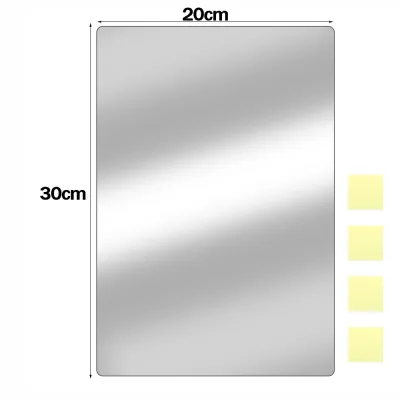
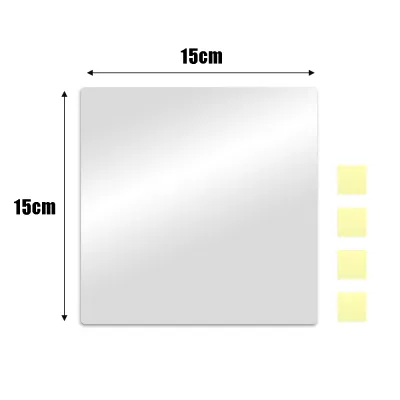
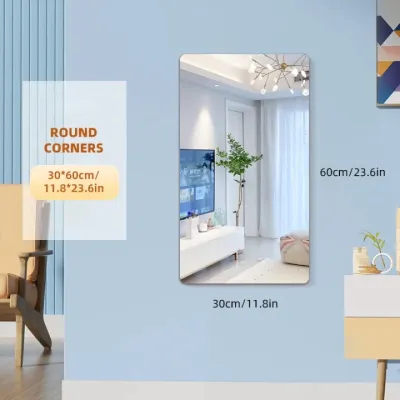
Prices are valid at publication and may change. Please refer to the product page for the latest price.
The primary goal of using mirrors for spatial expansion is to redistribute light. By bouncing both natural sunlight and artificial light into darker corners, mirrors eliminate shadows that make a room feel enclosed. This visual continuity is especially valuable in compact layouts where windows may be limited to a single wall.
Rather than treating mirrors as simple decorative accents, interior designers approach them as active architectural tools. Placing them with intent allows you to control sightlines, redirect light, and alter the perceived proportions of any living space. When selected and positioned correctly, a mirror acts as a visual escape route for the eye, making tight quarters feel open and airy.
Choosing the Right Mirror Size and Shape
Selecting the wrong mirror size can make a wall look cluttered rather than spacious. To establish proper scale and proportion, match the mirror to the wall space and the furniture below it. For instance, when hanging a mirror above a console table, sofa, or sideboard, aim for a piece that spans approximately two-thirds to three-quarters of the furniture’s total width. If you are placing a mirror on an empty wall, choose a large-format design that covers at least half of the wall’s height or width to ensure it has enough visual presence to open up the room.

Different shapes influence the flow of a room and guide how the eye travels across the space.
- Rectangular Mirrors: These structured pieces are ideal for emphasizing clean architectural lines. Hanging a long rectangular mirror vertically draws the eye upward, making low ceilings feel higher. Hanging it horizontally stretches the room, making narrow walls feel wider.
- Round Mirrors: With their soft, continuous curves, round mirrors break up the rigid, boxy feel of standard square rooms. They work exceptionally well in dining areas or above entry tables, softening the surrounding architectural angles.
- Arched and Windowpane Mirrors: These silhouettes mimic architectural features like doorways or windows. By introducing an arched top, you draw the eye upward while creating the illusion of a portal leading into an adjacent room.
While a gallery wall of smaller mirrors can add texture and artistic interest, a single, oversized mirror is far more effective at expanding a room. A large, uninterrupted sheet of glass provides a clean, continuous reflection. In contrast, multiple small frames fragment the reflection, which can add visual noise and make a compact room feel busier.
Strategic Mirror Placement to Maximize Space
Reflecting Natural Light and Outdoor Views
To maximize the brightness of your home, position your mirrors opposite or adjacent to windows or sliding glass doors. In tropical climates where bright daylight is abundant, placing a mirror directly opposite a window captures the incoming sunlight and projects it deep into the interior. This effectively doubles your light source, making the entire living area feel brighter and more connected to the outdoors.
Angling a mirror slightly can also help redirect light if a direct opposite placement is not possible. By reflecting outdoor greenery, a balcony garden, or the sky, the mirror acts as a false window. This tricks the mind into believing there is an additional opening in the wall, which reduces the feeling of being boxed in.
However, you must be highly selective about what the mirror reflects. Avoid positioning a mirror where it directly faces cluttered shelves, laundry areas, or dark, empty corners. Reflecting clutter or disorganized spaces will only amplify the visual noise, making the room feel twice as cramped. Ensure the reflected view is clean, organized, or naturally beautiful.
Creating Depth and Focal Points
Narrow hallways, entryways, and dead corners are prime candidates for mirror placement. Placing a large, full-length mirror at the end of a narrow hallway visually doubles its length, transforming a cramped transitional space into an open pathway.
In tight living room corners, a tall floor mirror leaning securely against the wall can erase the harsh 90-degree boundary where two walls meet. This softens the room’s perimeter, making the floor plan feel continuous rather than restricted.
You can also layer mirrors behind other design elements to create multi-dimensional focal points. For example, placing a mirror behind open shelving or a console table with thin-profile decorative items creates layers of depth. When light fixtures, such as table lamps or wall sconces, are placed directly in front of a mirror, the reflection doubles the light output and adds a beautiful, layered glow that enhances the room’s ambiance after sunset.
Selecting Frames and Styling for a Seamless Look
The frame of a mirror plays a critical role in how well it blends into a room to create a spacious effect. For the most seamless, modern look, frameless mirrors or those with ultra-thin metal frames are ideal. Because there is no heavy border to stop the eye, the reflection appears to merge directly with the wall. This minimizes visual boundaries and maximizes the actual reflective surface area, which is highly beneficial in compact spaces.
Thicker, ornate, or dark wooden frames can serve as excellent spatial anchors when used intentionally. In a larger or moderately sized room, a bold frame can define a focal point, drawing attention to a specific area. However, in very small rooms, heavy frames can feel visually oppressive. If you choose a framed mirror, ensure the frame color matches or complements the wall paint to minimize high-contrast borders that break up the space.
Keep the area directly in front of and reflected by the mirror uncluttered. To enhance the mirror’s impact at night, pair it with complementary lighting. Wall sconces placed on either side of a mirror, or a pendant light hanging nearby, will bounce warm light across the room. If using backlit or LED-integrated mirrors, verify the voltage, base/interface, wattage limits, and dimming methods, and ensure they carry proper electrical certifications to guarantee safety and longevity.
Safe Installation and Care in Humid Environments
Installing and maintaining mirrors requires careful attention, especially when dealing with heavy glass and tropical climates. Before mounting any mirror, verify its weight and inspect your wall material. In many residential structures, walls are made of concrete hollow blocks or solid masonry, which require specialized masonry drill bits, plastic wall plugs, or heavy-duty expansion bolts. For drywall or gypsum board partitions, you must locate the wall studs or use toggle bolts designed for heavy loads. Always check the manufacturer’s instructions for the specific weight capacity of your mounting hardware.
For complex installations, always prioritize safety and consult a qualified professional. This includes mounting mirrors on tiled surfaces (such as bathroom walls where tiles can easily crack), drilling near hidden electrical wiring or plumbing lines, installing oversized or heavy glass sheets, or handling suspended ceiling-mounted mirrors. If you are installing an LED-lighted mirror that requires fixed electrical wiring, ensure the power is isolated at the circuit breaker before beginning, and hire a licensed electrician to complete the connection safely.
High humidity can cause “desilvering,” a chemical reaction where the silver backing of the mirror oxidizes, resulting in dark, unsightly black spots along the edges. To prevent this in humid tropical climates or damp bathroom environments, ensure the room is well-ventilated. Wipe down any condensation or water droplets immediately with a soft microfiber cloth. Avoid spraying harsh chemical cleaners, ammonia, or vinegar-based solutions directly onto the mirror surface, as these can seep behind the edges and damage the backing. Instead, apply a mild glass cleaner to a cloth first, then wipe the glass clean.
Frequently Asked Questions (FAQ)
Can a mirror be too big for a small room?
Generally, no. An oversized mirror is highly effective at making a small room look larger because it minimizes wall boundaries and maximizes light reflection. However, a mirror can overwhelm a space if its frame is excessively thick, heavy, or dark, which adds too much visual weight. To use a very large mirror successfully in a small room, opt for a frameless design or a thin, light-colored frame that blends seamlessly with your wall.
Should I lean a large mirror against the wall or mount it?
Leaning a tall floor mirror against the wall creates a relaxed, contemporary aesthetic and avoids drilling, which is ideal for renters. However, leaning mirrors pose a safety risk in homes with children, pets, or high foot traffic. If you choose to lean a mirror, always secure it using safety anchor straps attached to the wall. For maximum stability and peace of mind, mounting the mirror securely to the wall studs or masonry is the safest option.
Do mirrored walls or tiles still make a room look bigger?
Yes, full-coverage mirrored walls or mirrored tiles can dramatically double the perceived size of a room. However, they come with significant design and maintenance trade-offs. Full mirrored walls can feel dated if not styled with modern, minimalist furniture, and they require frequent cleaning to keep fingerprints and smudges from ruining the illusion. Mirrored tiles offer a more contemporary, textured look but create grid lines that can fragment the reflection, slightly reducing the space-expanding effect compared to a single large sheet of glass.

Community discussion
Share your experience or ask a question. Comments are reviewed before publication.