
Selecting the right lamp shades for bedroom use is more than a decorative choice; it directly shapes how light behaves in your personal sanctuary. The ideal shade depends on your primary bedroom activities. For bedside reading, tapered shades with opaque linings focus light downward to prevent eye strain. For a soft ambient glow, translucent drum or cylinder shades diffuse light evenly to promote relaxation. For decorative accent lighting, textured, pleated, or woven rattan shades serve as stylish focal points. By matching your shade to your specific lighting needs, you can easily create a balanced, functional, and visually comfortable space.
Understanding Light Direction and Shade Shapes
To make an informed choice, it is essential to understand the relationship between shade geometry, material opacity, and light distribution. Every lamp shade shape is engineered to direct light in a specific pattern. Tapered shapes, like the empire or coolie, feature a narrow top and a wide bottom, naturally funneling most of the light downward. Symmetrical shapes, such as drum or cylinder shades, distribute light equally out of both the top and bottom while allowing a soft glow to filter through the sides.
The inner lining of the shade plays an equally critical role in light quality. White or silver reflective linings maximize light output by bouncing it efficiently out of the openings, providing crisp, neutral illumination. Gold or brass linings absorb cooler wavelengths and reflect a warm, amber glow, shifting the perceived color temperature toward a cozy feel. Opaque linings, made of heavy cardstock or black fabric, block lateral light entirely, creating highly focused pools of light above and below the lamp while eliminating side glare.
Products mentioned in this guide
Prices are valid at publication and may change. Please refer to the product page for the latest price.
In a bedroom, these physical properties directly influence your visual comfort. A poorly matched shade can result in harsh glare that strains your eyes or disrupts your sleep-wake cycle. Selecting a shade shape and lining that align with your lifestyle allows you to control how light is dispersed, ensuring your bedroom remains a comfortable retreat at any hour.
Best Lamp Shades for Bedside Reading
Bedside reading demands a highly specialized lighting environment. The primary objective is to provide a concentrated, glare-free pool of light directly onto your book or device. This task-oriented lighting must be bright enough to prevent eye strain, yet focused enough that it does not spill across the bed and disturb a sleeping partner.

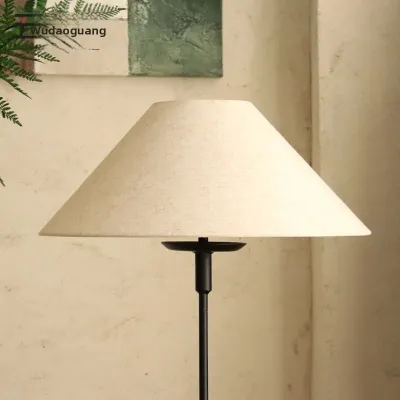
For dedicated readers, tapered shades such as the classic empire or bell shape are the most effective options. Because these shapes flare outward at the bottom, they create a wide, generous cone of light that easily covers your reading area. Meanwhile, the narrower top opening restricts the upward escape of light, preventing it from bouncing off the ceiling and illuminating the entire room.
Material opacity is another critical factor for reading lamps. To prevent lateral light spill, opt for opaque or semi-opaque materials. Shades made of thick parchment, heavy paper, or densely woven fabrics with solid linings are ideal. These materials block the light from shining horizontally into your eyes or across the bed, ensuring that the bulb’s brightness is strictly channeled downward.
Sizing and physical placement are equally important to ensure comfort while reading. As a general rule, the bottom of the lamp shade should align roughly with your eye level when you are sitting up in bed. If the shade is too high or too shallow, you will be forced to look directly at the exposed bulb, causing immediate glare and discomfort. Measure the combined height of your nightstand and mattress to find a shade with the correct depth and bottom diameter.
Finally, always prioritize electrical safety and light quality. Before installing a new shade, verify the maximum wattage limit printed on your lamp base’s socket. Exceeding this limit can lead to excessive heat buildup, which can scorch fabric linings or damage the shade. To get the best reading experience, pair your shade with a high-quality LED bulb. LEDs produce minimal heat compared to traditional incandescent bulbs and are available in warm-white color temperatures (around 2700K to 3000K) that provide excellent contrast for reading without emitting harsh, blue-rich light.
Best Lamp Shades for Soft Ambient Glow
When the goal is general bedroom illumination and relaxation, task-focused lighting takes a backseat to a soft, ambient glow. Ambient lighting is designed to mimic the gentle transition of natural twilight, helping your body wind down and prepare for sleep. To achieve this, you need a lamp shade that diffuses light evenly in all directions, softening harsh shadows and eliminating sharp contrasts.
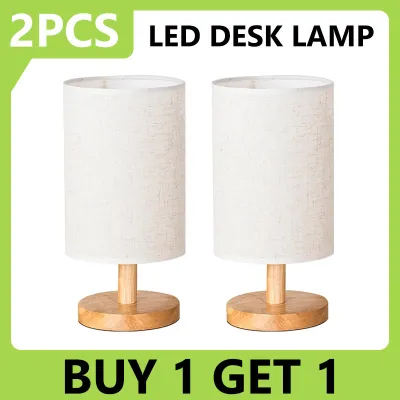
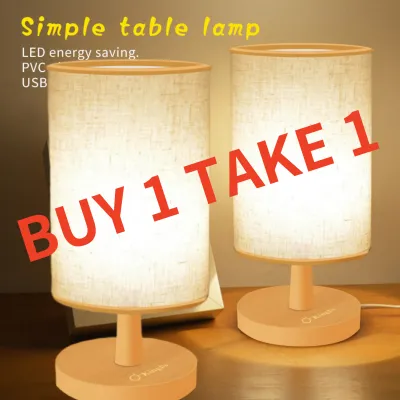
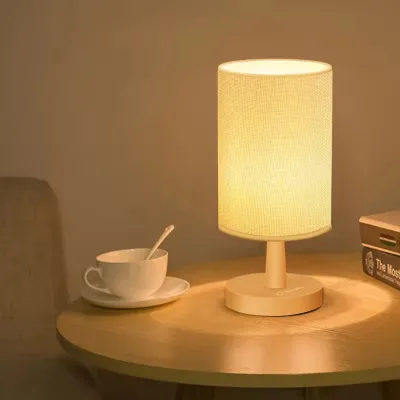
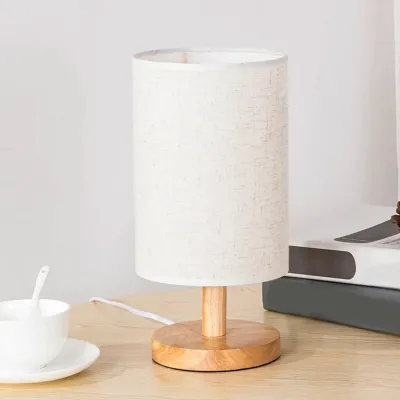
Symmetrical shapes like drum or cylinder shades are the perfect choice for creating an ambient atmosphere. Because their walls are vertical and uniform, they allow light to escape equally from both the top and bottom, washing the ceiling and the table surface with a balanced glow. Simultaneously, these shapes rely on the translucent properties of their materials to emit a soft, filtered light through the sides of the shade.
To achieve the best diffusion, look for shades made from high-quality translucent fabrics. Natural materials such as linen, cotton, silk, or light parchment are excellent choices. These fabrics feature organic fibers that scatter the light beautifully, softening the harshness of the bulb. In tropical and humid climates like the Philippines, lightweight linen and cotton are particularly advantageous. They are highly breathable, resist moisture retention better than heavy synthetics, and bring a clean, breezy aesthetic to the bedroom.
The color of your shade and its interaction with the bulb’s color temperature will define the mood of your room. White, off-white, or cream shades are highly versatile because they preserve the clean quality of the light. If you want to maximize the cozy, welcoming feel of your bedroom, opt for warmer tones such as beige, tan, or soft amber. When paired with a warm-white LED bulb (ideally between 2200K and 2700K), these warm-toned fabric shades emit a golden, candle-like glow.
One practical consideration when using translucent fabric shades is dust accumulation. Over time, dust settles on the fabric, which can gradually dim the light output and create a dull, gray appearance when illuminated. In humid environments, dust can bind to the fabric more easily, making regular maintenance essential. To keep your ambient shades performing at their best, gently clean them using a dry microfiber cloth, a soft-bristled brush, or a sticky lint roller to preserve their diffusing properties.
Best Lamp Shades for Decorative Accent Lighting
Accent lighting in the bedroom serves a primary role of visual styling and spatial decoration rather than functional task support. An accent lamp is often treated as a design statement, placed on a dresser, vanity, or console table to add texture, color, and depth to your bedroom’s interior design. Even when the lamp is turned off during the day, a well-chosen decorative shade contributes significantly to the room’s overall aesthetic.
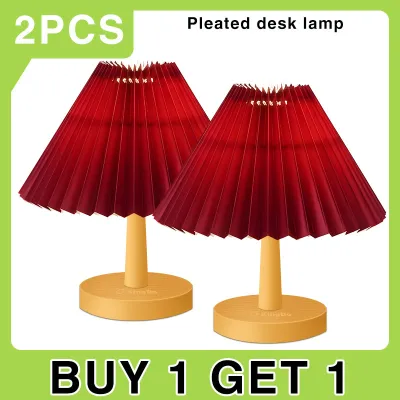
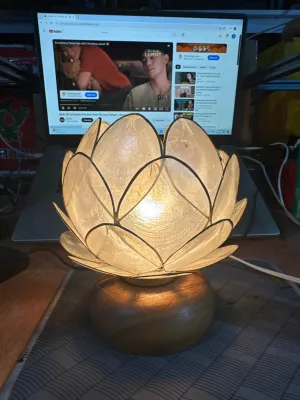
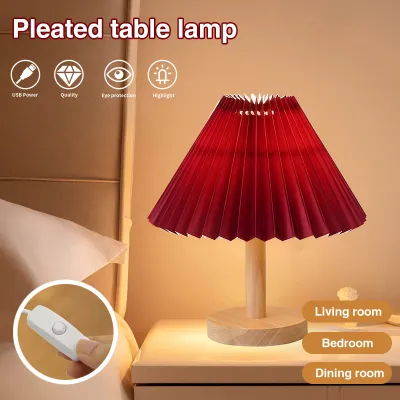
This scenario allows you to step away from traditional fabrics and experiment with unique materials and artistic designs. Pleated fabric shades offer a classic, tailored look that adds structural texture to a bedside table or dresser. Colored, frosted, or stained glass shades introduce vintage charm and a pop of color. For those embracing a tropical or organic style—highly popular in contemporary Filipino homes—shades made of woven rattan, bamboo, or abaca are exceptional choices. These natural materials bring warmth and a sense of craftsmanship into the bedroom.
When illuminated, decorative shades can transform the visual dynamics of your bedroom by casting intricate shadow patterns across the walls and ceiling. Woven rattan or perforated paper shades, for example, allow light to escape through small gaps, creating a beautiful play of light and shadow that adds movement and depth to the room.
However, choosing a highly decorative shade comes with a clear trade-off: reduced light output. Darker fabrics, thick materials, and dense weaves naturally absorb a large portion of the bulb’s light. If you opt for a woven rattan or a heavily textured pleated shade, accept that it will not provide sufficient light for reading or general room illumination. Treat these fixtures strictly as secondary, decorative light sources designed to complement your primary reading or ambient lamps.
To balance your bedroom’s lighting scheme, place accent lamps strategically away from your main bedside area. Positioning them on a dresser across the room or on a corner shelf allows their unique visual patterns to be appreciated from a distance without interfering with the functional, glare-free light you need closer to the bed.
Cross-Scenario Compatibility and Sizing Tips
For many homeowners, a bedroom lamp must be versatile enough to handle multiple tasks. If you use your bedside table lamp for both reading and winding down, you do not necessarily need two different fixtures. You can easily transition a single lamp between focused task lighting and soft ambient glow by incorporating modern lighting technology. Installing a dimmable smart LED bulb or using a lamp base with a three-way switch allows you to adjust the brightness levels to suit your activity, giving your chosen shade dual-purpose utility.
When purchasing a replacement shade, ensuring a proper physical fit is essential for both aesthetics and stability. To find a shade that is proportional to your existing lamp base, follow a simple measurement framework:
- Shade Height: The height of the shade should be approximately two-thirds of the height of the lamp base (measured from the bottom of the base to the start of the brass socket).
- Shade Width: The bottom diameter of the shade should be roughly equal to the height of the lamp base. Additionally, the shade's bottom should be wider than the widest part of the base to maintain a balanced silhouette.
- Socket Coverage: When the shade is installed, it should completely cover the internal hardware, socket, and neck of the lamp without exposing the bulb from a standing or sitting position.
You must also verify hardware compatibility before making a purchase. Lamp shades attach to bases using different fitter styles. A spider fitter features a central ring that sits on top of a metal harp and is secured with a decorative finial. An uno fitter slips directly over the socket and is held in place by the bulb itself or a threaded collar. A clip-on fitter attaches directly to the glass of a standard bulb, typically used for small accent lamps. Checking your existing lamp’s hardware ensures you select a compatible shade style.
Finally, never compromise on safety. Always check the manufacturer’s maximum wattage rating printed on your lamp socket, and ensure your bulb does not exceed this limit. Maintain a safe clearance of at least 1 to 2 inches between the bulb and the inner lining of the shade to prevent heat damage. If you encounter conflicting installation instructions or are unsure about your lamp’s electrical compatibility, always consult the manufacturer’s guidelines or a qualified professional.
Frequently Asked Questions (FAQ)
Can I use a drum shade for bedside reading?
While drum shades are primarily designed to emit a soft, ambient glow, you can successfully adapt them for bedside reading with a few strategic adjustments. Because drum shades naturally distribute light outward through their translucent sides, they can sometimes cause side-glare that strains your eyes during long reading sessions. To minimize this, choose a drum shade made from a darker outer fabric or one with an opaque inner lining; this forces the light to exit exclusively through the top and bottom openings, creating a more focused downward beam. Additionally, pair the lamp with a higher-lumen LED bulb in a warm-white color temperature to ensure your reading surface is sufficiently illuminated, and position the lamp so the bottom of the shade sits at eye level when you are sitting in bed.
How do I clean fabric lamp shades in a humid environment?
In humid climates like the Philippines, fabric lamp shades require careful, regular maintenance to prevent dust buildup, staining, and mold growth. Before performing any cleaning, always unplug the lamp from the wall socket and allow the bulb to cool completely to avoid electrical hazards or burns. For routine dusting, use a dry microfiber cloth, a soft-bristled brush, or a sticky lint roller to gently sweep away dust and lint from the fabric surface. Avoid using wet sponges, liquid dish soaps, or harsh chemical sprays on fabric, paper, or parchment shades. Excess moisture can easily rust the internal metal wire frame, warp the shade’s structural shape, or leave unsightly water stains on the fabric. If your shade has a stubborn stain, consult the manufacturer’s specific care instructions or seek assistance from a professional cleaning service.
Community discussion
Share your experience or ask a question. Comments are reviewed before publication.