
Bedside reading is a cherished nighttime routine, but sharing a bed means balancing your literary habits with your partner’s need for deep, uninterrupted sleep. Achieving this balance requires moving away from general bedroom illumination and focusing on highly targeted task lighting. By choosing a fixture that isolates its beam directly onto your book, you can enjoy your late-night chapters while leaving the other half of the bed in total darkness.
The secret to successful shared-space lighting lies in three main pillars: precise optical control, appropriate light quality, and localized physical controls. Understanding how these factors interact allows you to select a fixture that serves your reading needs without spilling unwanted glare across the mattress. With the right setup, you can create a comfortable personal reading zone that respects your partner’s sleep boundaries.
Why Generic Wall Sconces Disturb Your Partner
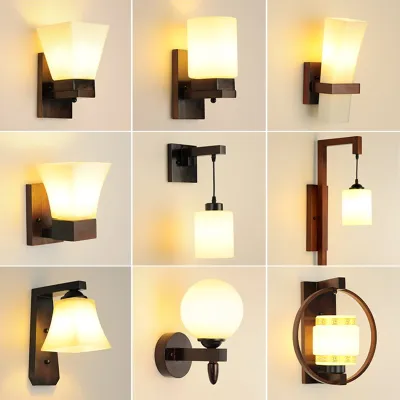
Most standard wall sconces are designed for ambient lighting, meaning they are built to wash the walls with a soft, wide-reaching glow. While this is excellent for creating a warm atmosphere in a hallway or living room, it is highly counterproductive next to a bed. Ambient fixtures typically use semi-translucent glass, fabric, or paper shades that scatter light in all directions, creating an omnidirectional glow.
Products mentioned in this guide
Prices are valid at publication and may change. Please refer to the product page for the latest price.
When you turn on an ambient sconce, the light bounces off the ceiling, walls, and headboard, effectively illuminating the entire room. This light spill makes it incredibly difficult for a sleeping partner to maintain a healthy sleep cycle, as even closed eyelids can detect the sudden shift in ambient brightness. Harsh glare from exposed bulbs can also cause immediate discomfort if your partner turns over during the night.
To read comfortably without causing disruption, you must shift your focus from ambient illumination to targeted task lighting. Task lighting is engineered to deliver a concentrated beam of light directly to a specific work surface—in this case, the pages of your book or e-reader. By restricting the spread of light, you can maintain a dark, restful environment on the opposite side of the bed.
Essential Features for a Partner-Friendly Reading Sconce
Selecting the perfect bedside fixture requires looking beyond aesthetic appeal to analyze how the light is shaped, emitted, and controlled. A successful partner-friendly reading sconce must give you absolute control over its physical footprint and optical output.

We can evaluate potential fixtures through three critical decision pillars: optical control, light quality, and physical user control. Each pillar plays a distinct role in keeping the light exactly where you want it while preventing accidental disturbances. The physical design of the fixture—from the shape of its shade to the location of its switch—ultimately dictates its performance in a shared sleeping environment.
Optical Control: Beam Direction and Shielding
The most effective way to prevent light spill is to choose a sconce that offers physical adjustability. Sconces equipped with adjustable heads, articulated swing arms, or flexible goosenecks allow you to pull the light source close to your reading material and angle the beam away from your partner. When you are finished reading, you can simply fold the fixture back against the wall, keeping your bedside area neat and uncluttered.
Equally important is the design of the shade. Look for fixtures with completely opaque shades, such as those made of solid metal, thick ceramic, or dark-lined materials. These materials block light from escaping through the sides of the fixture, forcing the illumination out of a single opening. Built-in baffles or deeply recessed bulb housings further narrow the beam, creating a clean spotlight effect that illuminates your book while leaving the rest of the mattress in shadow.
Conversely, you should actively avoid open-top or open-bottom glass shades. These designs are notorious for scattering light upward onto the ceiling or downward onto the headboard, creating a wide halo of light that easily crosses the center of the bed. If you prefer the look of a classic shade, ensure it has a dark, opaque lining that absorbs stray light rather than reflecting it outward.
Light Quality: Brightness and Color Temperature
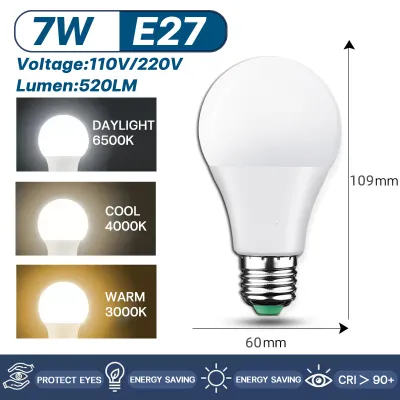
When selecting a bulb or an integrated LED fixture, pay close attention to the light output, measured in lumens, rather than relying on wattage alone. For close-up reading in an otherwise dark room, you do not need a high-output ambient light source. A bulb emitting between 200 and 400 lumens is generally sufficient for comfortable reading without causing eye strain or generating excessive ambient reflection.
Color temperature, measured in Kelvin (K), also plays a vital role in both reading comfort and sleep hygiene. Avoid cool white or daylight bulbs (typically 5000K to 6500K), as their high blue-light content can suppress melatonin production, making it harder for both you and your partner to fall asleep. Instead, opt for warm light sources in the range of 2700K to 3000K. This warm, golden hue mimics candlelight, helping your body transition into a restful state while still providing adequate contrast for reading printed text.
For maximum flexibility, consider fixtures that feature adjustable color temperature settings or those compatible with warm-dim LED bulbs. Warm-dim technology is particularly useful for bedside reading, as it automatically shifts the color temperature to a warmer, softer hue as you lower the brightness. This allows you to fine-tune the light quality to match your personal comfort levels as the night progresses.
User Control: Switch Placement and Dimming
A partner-friendly sconce must be easy to operate without requiring you to sit up, stretch across the bed, or fumbling in the dark. Prioritize fixtures that feature built-in controls located directly on the backplate or the lamp head itself. Accessible toggle switches, rotary dials, or touch-sensitive dimmers allow you to turn the light off instantly the moment you feel drowsy, minimizing movement that might wake your partner.
Stepless dimming is another highly valuable feature for shared bedrooms. Unlike stepped dimmers that offer only a few fixed brightness levels, stepless dimmers allow you to adjust the light output smoothly from 100% down to a faint glow. This precision enables you to find the exact threshold where you can see your pages clearly, but the light level remains low enough that it does not spill over to the sleeping side of the bed.
If you plan to hardwire two separate sconces on either side of the bed, it is essential to design independent electrical circuits. Each sconce must operate completely independently of the other, with its own dedicated switch. This setup ensures that turning on your reading light has absolutely no effect on your partner’s fixture, allowing both of you to control your personal micro-environments without compromise.
Mounting Heights and Clearance for Comfortable Reading
To maximize the effectiveness of your reading sconce, you must mount it at the correct height and distance from your bed. The goal is to position the light source so that it sits just above your shoulder level when you are sitting up against the headboard. This positioning ensures that the light shines directly onto your book from behind or beside you, preventing your head or body from casting shadows on the pages.
To find your ideal mounting height, sit comfortably in your bed in your typical reading posture. Measure the distance from the top of your mattress to your shoulder, then add approximately 5 to 10 centimeters. Generally, this places the bottom of the sconce backplate between 75 and 90 centimeters above the top of the mattress, though this will vary depending on your height and the thickness of your mattress.
If you are installing a swing-arm sconce, you must also account for physical clearance. Ensure that the arm can extend fully to position the light over your reading material, but can also fold back easily without hitting your head when you sit up, lie down, or turn over. Keep the fixture far enough to the side of the headboard that it remains out of your direct physical path during sleep.
Because bedside lighting is located close to flammable materials like pillows, sheets, and wooden headboards, safety must be your top priority. In the Philippines, residential electrical systems operate on a 220V/230V 60Hz standard. When purchasing imported fixtures, always verify that they are rated for this voltage and possess appropriate safety certifications, such as the Philippine Standard (PS) mark or the Import Commodity Clearance (ICC) sticker. For any fixed wiring installations, always isolate the power at the main circuit breaker before starting, and consult a qualified professional electrician to ensure the installation complies with the Philippine Electrical Code.
Furthermore, consider your local environment when choosing materials. In tropical, high-humidity climates, metal components can be prone to corrosion or tarnishing. Opt for powder-coated metals, treated brass, or high-quality synthetic finishes that resist moisture. While decorative style and perceived color temperature are highly personal preferences that depend on your bedroom’s design, the physical ability of the light to shield its beam and withstand local environmental conditions is a functional necessity.
Pre-Purchase Checklist for Bedside Wall Lights
Before making your final purchase, use this practical checklist to verify that your chosen wall sconce meets all the requirements for a shared bedroom:
- Directional Beam: The fixture features an adjustable arm, gooseneck, or swiveling head to direct light precisely onto your book.
- Opaque Shielding: The shade is made of solid, non-translucent material (like metal or ceramic) to prevent lateral light bleed.
- Warm, Low-Lumen Output: The light source is rated between 200 and 400 lumens with a warm color temperature of 2700K to 3000K.
- Accessible Controls: A built-in switch, toggle, or dimmer is located on the fixture's backplate or head for easy reach.
- Adequate Clearance: The physical dimensions and swing-arm reach fit your headboard layout without creating a head-bump hazard.
- Electrical Compatibility: The fixture is rated for 220V/230V 60Hz and uses a standard, easily replaceable lamp base (such as E27 or GU10) that matches your preferred bulb type.
- Wattage Limit Verification: The fixture's maximum wattage rating is compatible with your chosen bulb to prevent overheating, especially near bedding.
Frequently Asked Questions (FAQ)
Can I use a plug-in wall sconce instead of hardwiring?
Yes, plug-in wall sconces are an excellent, damage-free alternative to hardwired fixtures, making them highly popular for renters or those who want to avoid cutting into drywall or concrete walls. However, because the power cord hangs down from the fixture to the nearest wall outlet, proper cord management is essential. Use paintable cord covers or decorative clips to secure the cable flat against the wall. This not only creates a clean, professional aesthetic but also eliminates tripping or tangling hazards near the bed, especially in the dark.
Are LED reading lights better than traditional bulbs for bedside use?
LED reading lights are vastly superior to traditional incandescent or halogen bulbs for bedside applications. LEDs emit very little forward heat, which is a critical safety benefit when a light source is positioned close to your head, wooden headboards, or delicate fabric shades. Additionally, LEDs are inherently directional, meaning they naturally focus their light in a specific path rather than scattering it in all directions. This directional efficiency, combined with their low energy consumption and long lifespan, makes them the ideal choice for creating a focused, low-spill reading environment.
Community discussion
Share your experience or ask a question. Comments are reviewed before publication.