
Choosing the right LED floor lamp or led light stand for your living room in the Philippines requires balancing functional illumination with the unique layout of your home. Whether you are lighting a compact condominium in Metro Manila or a spacious suburban living room, a versatile floor lamp can transform a dark corner into a functional reading nook or a warm, inviting social space. To make the best choice, you must evaluate how the lamp fits into your room’s layout, its electrical compatibility with local power standards, and how its design handles the tropical climate.
Quick Guide to Selecting Living Room LED Floor Lamps
An LED floor lamp serves multiple purposes in a modern living room, acting as either a primary source of ambient light or a focused task light. Ambient lamps, such as torchieres, cast light upward to bounce off the ceiling, creating a soft, general glow that fills the room. Task lamps, on the other hand, direct light downward to assist with activities like reading, crafting, or working on a laptop.
Before purchasing a new fixture, measure your available floor space and identify the locations of your existing wall outlets. A lamp with a massive base might crowd a narrow walkway, while a short power cord can limit your placement options. Checking these physical constraints beforehand prevents layout headaches later.
Products mentioned in this guide
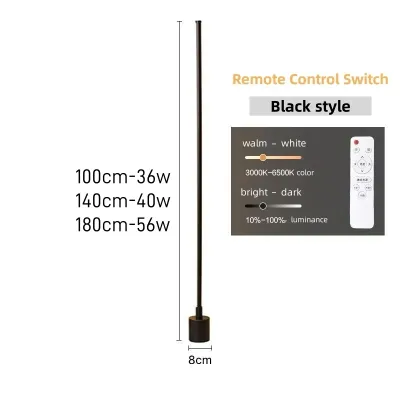
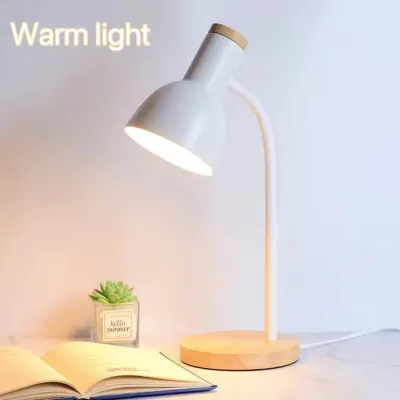
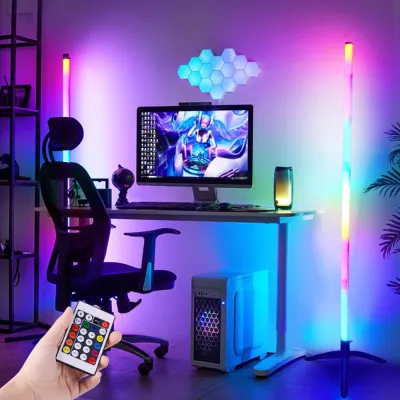
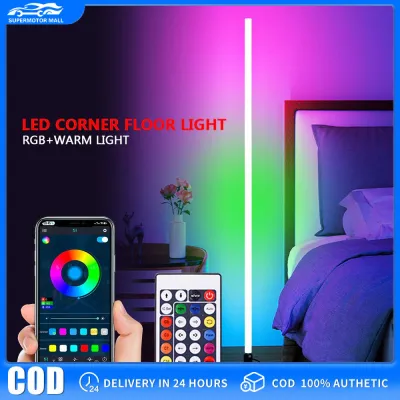
Prices are valid at publication and may change. Please refer to the product page for the latest price.
Additionally, verify key product specifications to ensure long-term satisfaction. Look for adjustable brightness settings, customizable color temperatures, and sturdy construction materials. Most importantly, confirm that the lamp’s electrical requirements match local household power standards to guarantee safe and reliable operation.
Assessing Your Living Room Layout and Lighting Needs
Evaluating your living room’s physical layout is the first step toward finding the perfect lighting setup. In many Filipino homes, living areas are multi-purpose spaces where families gather to watch television, study, and entertain guests. Compact apartments and open-plan townhouses require space-efficient fixtures that do not obstruct foot traffic.

Start by measuring the footprint of the area where you plan to place the lamp. A heavy, wide base provides excellent stability but requires a clear corner or a spot next to an armchair where it will not be bumped. You should also check the vertical clearance, ensuring the top of the lamp sits safely below low ceilings, decorative beams, or ceiling fans.
Next, determine which lighting layer your living room is missing. If your ceiling lights are too harsh for evening relaxation, an ambient floor lamp can provide a softer, more diffused alternative. If you have a dedicated armchair for reading, a directional task lamp is a better fit. Combining different light sources allows you to adjust the room’s atmosphere based on the time of day.
Finally, plan your power access carefully to maintain a clean and safe environment. Measure the distance from your desired lamp placement to the nearest wall outlet. Running long cords across open walkways creates a serious tripping hazard and can damage the cable over time. If an outlet is not nearby, consider rearranging your furniture rather than relying on permanent extension cords.
Essential Specifications for Your LED Light Stand
When browsing online marketplaces or local home improvement stores, reading the technical specifications on the product label is crucial. Understanding these details helps you select a lamp that delivers the right amount of light while remaining safe for home use.
Brightness and Color Temperature
- Lumen Output: Look at the lumens rather than the wattage to determine actual brightness. A rating of 400 to 800 lumens is generally sufficient for reading, while 1,500 lumens or more is ideal for general room illumination.
- Kelvin Rating: Color temperature is measured in Kelvin (K). Warm white (2,700K to 3,000K) creates a cozy, relaxing ambiance perfect for winding down. Neutral white (4,000K) is excellent for reading and task work, while daylight (6,500K) offers high contrast and visibility.
Adjustability and Dimming
- Dimming Options: Choose a lamp with stepless dimming or multiple brightness levels so you can transition from bright daytime task lighting to soft evening accent lighting.
- Flexible Necks: Models with adjustable goosenecks or rotating heads allow you to direct light exactly where you need it, preventing glare on television screens or glossy book pages.
Electrical Compatibility
- Voltage and Frequency: Ensure the lamp is rated for 220V at 60Hz, which is the standard electrical supply in the Philippines. Using a lamp designed solely for 110V systems without a proper transformer will damage the fixture and pose a fire hazard.
- Safety Certifications: Look for official safety marks, such as the Philippine Standard (PS) mark or the Import Commodity Clearance (ICC) sticker, to verify the product has undergone rigorous electrical safety testing.
Matching Lamp Designs to Living Room Functions
The physical design of your led light stand should complement both your daily activities and your interior decor. Different lamp styles offer distinct functional advantages depending on how you use your living space.
Torchiere floor lamps are designed to direct light upward, making them an excellent choice for general ambient lighting. By reflecting light off the ceiling, they distribute illumination evenly across the room without creating harsh shadows or direct glare. This style is highly effective in rooms with light-colored ceilings, which reflect light more efficiently than dark surfaces.
For reading corners or study desks, a dedicated task lamp with a solid shade is more appropriate. These designs focus the light downward into a concentrated beam, minimizing eye strain during extended reading sessions. Some modern hybrid models feature both an upward-facing torchiere for general light and a smaller, adjustable side arm for reading.
Base stability is another critical design factor, especially in active households. A heavy base made of marble, cast iron, or dense steel ensures the lamp remains upright if accidentally bumped by children or pets. Avoid top-heavy designs with lightweight plastic bases in high-traffic areas.
Lastly, consider how the lamp’s materials will hold up in a tropical climate. High humidity can cause low-quality metals to rust or corrode quickly. Opt for powder-coated steel, treated wood, or high-grade aluminum finishes that resist moisture. Smooth, minimalist designs are also easier to wipe clean of dust, which tends to accumulate quickly in well-ventilated, open-window homes.
Safety Checks and Maintenance for Floor Lamps
Proper installation and routine maintenance are essential to keep your LED floor lamp operating safely and to extend its overall lifespan. Because floor lamps are freestanding fixtures, they require more situational awareness than wall-mounted or ceiling lights.
Always place your lamp on a flat, level surface. Uneven tile floors or thick, unstable rugs can cause the lamp to tilt, increasing the risk of it falling over. Keep the fixture away from high-moisture areas, such as open windows where rain might blow in, or indoor plant misting zones, as water exposure can cause electrical short circuits.
Manage your power cords by routing them along baseboards or underneath heavy furniture where they cannot be stepped on. Avoid pinching the cord under the sharp legs of sofas or tables, as this can crush the internal copper wires and damage the protective insulation. Periodically inspect the entire length of the cord for any signs of fraying, cracking, or wear.
When cleaning your lamp, always unplug it from the wall outlet first. Use a dry, soft microfiber cloth to remove dust from the shade, pole, and base. Avoid using wet cloths or harsh chemical cleaners on electrical components. If your lamp uses an integrated LED module rather than a standard screw-in bulb, refer to the manufacturer’s manual for specific care instructions, and consult a qualified electrician if the light begins to flicker or fail.
Frequently Asked Questions (FAQ)
Can I use a standard LED light stand in a small living room?
Yes, you can easily use a standard LED floor lamp in a compact living room by selecting a model with a slim profile and a minimalist base. Linear LED poles or thin metal stands occupy very little physical space while providing ample light. Placing the lamp in an unused corner, behind an armchair, or directly next to a sofa console allows you to maximize your floor layout without cluttering walkways.
How do I know if an LED floor lamp is bright enough for reading?
To determine if a lamp is suitable for reading, check the product packaging or online listing for its lumen output and adjustability. A dedicated reading lamp should deliver at least 450 to 800 lumens of light directly to your page. Look for models with adjustable heads or flexible goosenecks, which allow you to position the light source close to your book, preventing shadows and reducing eye strain.
What should I do if the LED module stops working?
If your floor lamp uses a standard screw-in LED bulb (typically with an E27 base), you can simply replace the bulb with a new one of the same wattage and voltage rating. However, if the lamp features an integrated LED board that has failed, you should check the manufacturer’s warranty guidelines. For integrated systems, do not attempt to dismantle the electrical housing yourself; instead, contact the manufacturer or consult a qualified professional for repair options.

Community discussion
Share your experience or ask a question. Comments are reviewed before publication.