
Selecting the right outdoor solar lighting for a compact condo balcony requires balancing physical dimensions, installation constraints, and illumination needs. Without overwhelming your limited space, the key to a successful setup lies in carefully matching the product specifications on the packaging with your balcony’s actual measurements, sunlight exposure, and building regulations. For high-rise homes in the Philippines, where tropical weather brings both intense sun and heavy seasonal rains, choosing a compact bosca solar light outdoor fixture ensures you can enjoy a cozy evening ambiance without cluttering your floor area or violating property guidelines.
Assessing Your Balcony Space and Lighting Goals
Before browsing any product catalogs, grab a measuring tape to map out the physical boundaries of your balcony. Measure the total floor area, the height and width of the walls, and the thickness of the railings. In a small condo balcony, every centimeter counts, and a fixture that protrudes too far can obstruct walkways or make the space feel cramped. Knowing these exact dimensions helps you filter out oversized fixtures and focus on low-profile designs that integrate seamlessly into your existing layout.
Next, define what you want to achieve with your lighting setup. If you use your balcony primarily for relaxing with a cup of tea or winding down at night, a soft, warm ambient glow is often the preferred choice. If you plan to read, care for balcony plants, or dine outdoors, you may require more focused task lighting. Keep in mind that perceived color temperature—such as warm white versus cool daylight—and spatial effects are highly subjective preferences; choose the tone that best complements your outdoor furniture and personal comfort.
Products mentioned in this guide
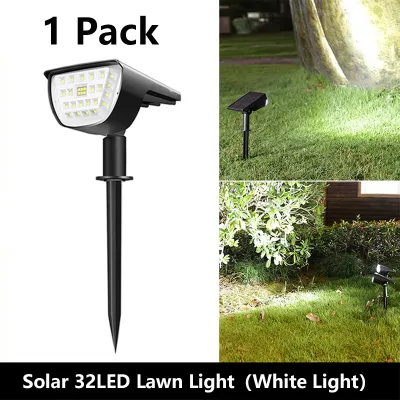
Prices are valid at publication and may change. Please refer to the product page for the latest price.
Finally, review your condominium corporation’s house rules regarding exterior modifications. Many high-rise developments in the Philippines enforce strict regulations against drilling into structural concrete, altering the building’s exterior facade, or installing high-intensity lights that spill into neighboring units. Identifying these boundaries early prevents costly mistakes and guides you toward non-destructive mounting methods, such as hanging hooks, clamp-on brackets, or freestanding options.
Reading Product Labels for Small-Space Compatibility
When evaluating a bosca solar light outdoor fixture, the product packaging and specification sheet are your most reliable guides. Carefully check the physical dimensions and weight of the fixture to ensure it matches your measured space. Heavy fixtures require robust mounting surfaces, whereas lightweight models offer greater flexibility for temporary or non-invasive installation. Always verify the included mounting hardware listed on the label to confirm if it aligns with your condo’s drilling restrictions.

Because balcony lights are exposed to the elements, verifying the Ingress Protection (IP) rating is essential for safety and durability. Look for an IP rating on the packaging, which indicates how well the fixture resists dust and moisture. In the humid, rain-prone climate of the Philippines, a rating of IP65 or higher is generally recommended for outdoor fixtures to withstand heavy downpours and tropical storms. Additionally, check the label for electrical certifications and voltage specifications, especially if the solar unit features a hybrid backup power option.
You must also evaluate the solar panel size and battery capacity relative to your balcony’s daily sunlight exposure. Solar lights rely entirely on direct sunlight to charge their internal batteries. If your balcony is covered by an overhanging roof or faces an angle that limits direct sun, look for models with a split design. These units feature a separate, compact solar panel connected to the light fixture by a cable, allowing you to position the panel in the sunniest spot while keeping the light source exactly where you need it.
Space-Saving Installation Strategies for Compact Balconies
To maximize the usable floor area of a small balcony, prioritize vertical and elevated installation strategies. Utilizing railing mounts, wall sconces, or hanging hooks allows you to elevate the light source, keeping the floor completely clear for chairs, tables, or potted plants. Many compact solar lights can be secured to metal railings using heavy-duty, weather-resistant zip ties or specialized clamp brackets that require zero drilling.
When positioning your solar panel, aim for the angle that receives the most consistent direct sunlight throughout the day. On a high-rise balcony, this often means mounting the panel near the top of the railing or on an outer wall. If you are working at heights or handling suspended loads near the edge of a high-rise balcony, prioritize safety above all else. Ensure all components are securely anchored so they cannot be dislodged by strong winds, and consult a qualified professional if any fixed wiring or complex mounting is required.
For fixtures that utilize a separate solar panel and light body, safe cable routing is critical. Loose, dangling wires not only look untidy but also present a serious tripping hazard in narrow balcony walkways. Use outdoor-rated adhesive cable clips or hook-and-loop straps to secure the connecting cables tightly along the railing or wall base. Keeping the wires flush against structural surfaces protects them from physical wear and maintains a clean, minimalist aesthetic.
Common Sizing and Placement Mistakes to Avoid
One of the most common mistakes in small-space lighting is choosing fixtures with excessive brightness. High-lumen floodlights designed for large yards can create a harsh, uncomfortable glare on a small balcony, turning a relaxing outdoor nook into an overly bright, clinical space. Excessive light spill can also disturb your neighbors and violate condo association rules. Opt for lower-wattage, diffused light sources that create a gentle, inviting atmosphere.
Another frequent error is placing solar panels in shaded areas or directly beneath overhanging balconies. Even partial shade from a building pillar, a large plant, or a thick railing can drastically reduce the solar panel’s charging efficiency, leading to weak illumination or short battery runtimes at night. Ensure the panel has an unobstructed line of sight to the sky during peak sunlight hours to guarantee a full charge.
Lastly, avoid ignoring the visual weight and design style of the fixtures. Installing bulky, industrial-looking solar lights can make a small balcony feel cluttered and visually chaotic. Choose sleek, modern, or minimalist designs that blend naturally with your balcony decor. By matching the physical scale and style of the light to your outdoor furniture, you create a cohesive, visually spacious environment that feels like a natural extension of your indoor living area.
Frequently Asked Questions (FAQ)
Do I need permission from my condo administration to install outdoor solar lights?
Yes, it is highly recommended to consult your condominium’s property management or homeowner association guidelines before installing any outdoor fixtures. While temporary, non-permanent options like clamp-on railing lights or freestanding solar lanterns typically do not require formal approval, any installation that involves drilling into exterior walls, altering the building’s facade, or running permanent wiring usually requires official permission. Reviewing the building’s deed of restrictions beforehand helps you avoid fines or requests to remove your lighting setup.
How do I maintain solar lights in a high-rise balcony environment?
Maintaining solar lights on an elevated balcony involves regular cleaning and safety checks. Dust, soot, and salt spray can accumulate on the solar panel over time, blocking sunlight and reducing charging efficiency. Wipe the panel surface gently with a damp, soft microfiber cloth every few weeks to keep it clean. Additionally, after periods of heavy rain, strong winds, or typhoons, inspect the mounting brackets, clamps, and cables to ensure everything remains securely fastened and shows no signs of structural wear.

Community discussion
Share your experience or ask a question. Comments are reviewed before publication.