
Selecting the ideal Bosca solar string lights for your home involves balancing spatial constraints, desired ambiance, and local environmental factors. Whether you want to transform a cozy balcony, illuminate a spacious garden path, or decorate an outdoor dining area, choosing the right set requires looking beyond aesthetics. By evaluating physical dimensions, weather resistance, and installation safety, you can find a lighting setup that enhances your space while standing up to tropical weather conditions.
Assess Your Space and Lighting Needs
Before purchasing any solar string lights, you must accurately measure the physical layout of your target area. Linear distance is only the starting point; you must also account for the extra length required for draping, wrapping around posts, or overlapping across open spaces. A tight, straight wire often looks stark and puts unnecessary tension on the mounting points, so adding a clearance margin of ten to fifteen percent to your total measurement is a practical way to ensure a relaxed, elegant drape.
Solar panel placement is another critical factor that dictates where your lights can go. Because solar lights rely entirely on photovoltaic cells to charge their internal batteries, the panel must be positioned where it receives unobstructed, direct sunlight for the majority of the day. In tropical regions like the Philippines, seasonal weather shifts can bring heavy cloud cover or sudden afternoon downpours, making optimal panel placement even more crucial. Ensure the panel is mounted away from the shadow lines of roof overhangs, trees, or neighboring structures, and verify that the mounting stake or bracket does not block walkways or create a tripping hazard.
Products mentioned in this guide
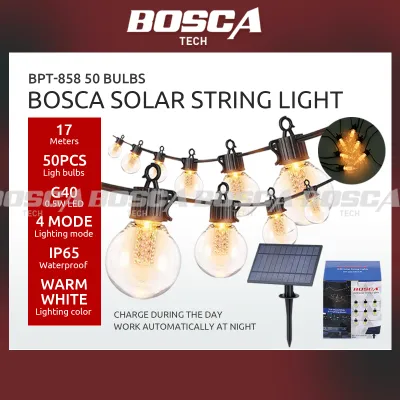
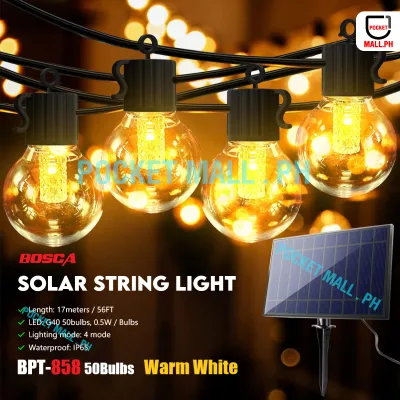
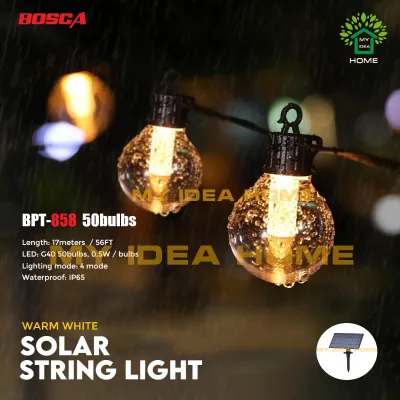
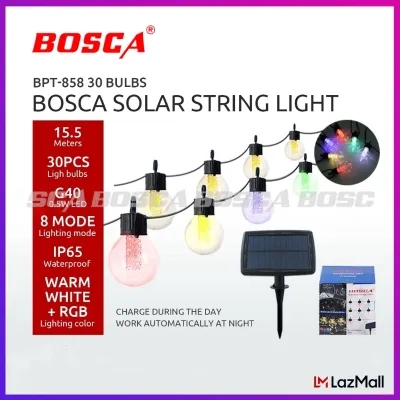
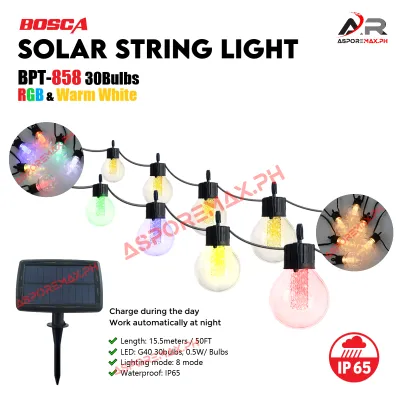
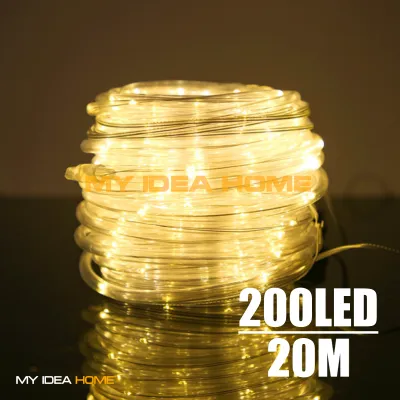
Prices are valid at publication and may change. Please refer to the product page for the latest price.
You must also verify the installation environment by checking the product label for specific indoor versus outdoor ratings. Outdoor installations require robust protection against moisture and dust, which is indicated by the Ingress Protection (IP) rating. For fully exposed outdoor areas subject to heavy tropical rains, look for a high IP rating, such as IP65 or higher, on the manufacturer’s packaging. Never assume a light strand is waterproof simply because it is marketed for outdoor use; always verify the exact rating, voltage requirements, and electrical certifications printed on the box before exposing the product to the elements.
Match the Lighting Mood to Your Activity
The atmosphere of your outdoor space depends heavily on the color temperature and lighting modes you select. Perceived color temperature is a conditional preference rather than a universal performance standard, meaning the right choice depends entirely on your personal taste and the activities you host. Warm white tones (typically around 2700K to 3000K) are widely favored for creating a relaxed, intimate, and cozy environment, making them ideal for quiet family dinners or casual evening conversations on the patio.

Conversely, cool white or vibrant multicolor options are better suited for high-energy events, festive celebrations, or holiday gatherings where a dynamic, lively mood is desired. Many Bosca solar string light models feature multiple lighting modes, such as steady-on, slow fading, flashing, or chasing patterns. When evaluating different options, review the controller specifications to ensure you can easily switch between these modes or lock in your preferred setting so it remains consistent every time the lights turn on.
Brightness levels should also align with the primary function of the space. If you require functional visibility for tasks like grilling, dining, or navigating steps, check the manufacturer’s lumen or wattage specifications to ensure the lights provide sufficient illumination. For purely decorative accent lighting, a lower lumen output is often preferable, as it adds a soft glow without causing glare or overwhelming the natural nighttime ambiance of your garden.
Align the Design with Your Décor Theme
To create a cohesive look, select bulb shapes and wire styles that complement your existing architectural features and landscaping. Bulb designs vary widely, from delicate fairy lights that offer a subtle, whimsical sparkle to larger globe bulbs or vintage Edison-style filaments that evoke a rustic, industrial, or mid-century modern aesthetic. Consider the scale of your furniture and the overall design theme of your home when choosing a bulb shape, ensuring the physical size of the bulbs does not overpower a small balcony or get lost in a large backyard.
The color and material of the wire also play a significant role in how well the lights integrate into your space. Copper or silver wire fairy lights are highly flexible and virtually disappear when wrapped around delicate tree branches, indoor plants, or metal railings. For larger installations along fences, pergolas, or rooflines, dark green or black insulated wires are often more appropriate, as they blend seamlessly into foliage or dark wooden structures during the day.
Always verify the overall build quality and material specifications by checking the manufacturer’s care labels rather than relying solely on visual assumptions. High-quality polycarbonate or shatterproof plastic bulbs are generally safer and more durable for outdoor use than traditional glass, especially in areas prone to high winds or falling debris. Inspect the wire insulation thickness and connection points to ensure they are sturdy enough to withstand regular handling and environmental exposure.
Check Installation and Safety Requirements
A safe installation is just as important as choosing the right aesthetic style. When planning your layout, identify secure mounting points and use non-damaging, weather-resistant clips, zip ties, or hooks that are specifically approved for your mounting surface. Avoid using metal staples or nails directly through or against the light wires, as these can easily pinch, cut, or wear down the protective insulation over time, leading to short circuits or electrical hazards.
Cable routing requires careful planning to prevent physical damage and personal injury. Never route light strands or solar panel cables across high-traffic walkways, doorways, or near heat sources like outdoor grills, fire pits, or active exhaust vents. If you must span an open area, ensure the wires are suspended high enough to clear pedestrian traffic and any moving objects, keeping in mind that wind can cause the lines to sway or sag.
For complex installations, work at height, or setups involving suspended loads over seating areas, prioritize safety by consulting a qualified professional. If your installation requires fixed wiring, integration with existing electrical fixtures, or modifications to your home’s power supply, always isolate the power source before beginning work. Following the manufacturer’s step-by-step installation instructions and respecting these safety boundaries will protect both your property and the longevity of your lighting system.
Cross-Scenario Compatibility and Maintenance
To maximize the value and lifespan of your solar string lights, choose versatile designs that can easily transition between different seasons and events. A classic warm white globe light, for example, serves as an elegant year-round patio feature but can quickly be styled with seasonal greenery or colorful ribbons to match holiday themes. This versatility reduces the need to constantly install and remove different light strands, saving time and minimizing wear and tear on the components.
Regular maintenance is essential to keep your solar lights operating at peak efficiency, especially in dusty or humid tropical environments. Over time, dust, pollen, salt spray, and rainwater spots can accumulate on the surface of the solar panel, blocking sunlight and reducing the battery’s charging capacity. Follow the manufacturer’s cleaning instructions, which typically involve gently wiping the panel with a soft, damp microfiber cloth and avoiding harsh chemical cleaners or abrasive pads that could scratch the protective cover.
If you plan to store your lights during extended periods of non-use, such as during the peak of the typhoon season or when traveling, proper storage is crucial. Carefully untangle and coil the strands to prevent internal wire breakage, and store the entire system in a cool, dry place away from direct sunlight and moisture. This protects the rechargeable battery from deep discharge and prevents the wiring from degrading, ensuring your lights are ready to shine when you reinstall them.
Frequently Asked Questions (FAQ)
Can I use outdoor-rated solar string lights indoors?
Yes, you can use outdoor-rated solar string lights indoors, provided you can position the solar panel where it receives sufficient sunlight. Because the solar panel is typically connected to the light strand by a lead cable, you can mount the panel outside a window or directly against a sunny, south-facing window pane while running the light strand inside. Always check the product label for any specific indoor safety restrictions or ventilation requirements before setting up your lights.
How do I know if the solar panel is getting enough sunlight?
The most reliable indicator of adequate solar charging is the runtime of the lights after dark. If the lights turn off much earlier than the runtime specified in the manufacturer’s manual, or if they appear dim, the panel is likely not receiving enough direct sunlight. Inspect the panel location throughout the day to check for shifting shadows from trees or buildings, clean off any accumulated dust or debris, and adjust the angle of the panel so it faces the sun as directly as possible.
Community discussion
Share your experience or ask a question. Comments are reviewed before publication.