
Transforming a compact condo balcony into a warm, inviting outdoor retreat is one of the most satisfying home improvement projects you can undertake. When browsing online marketplaces, buy-one-take-one solar light promotions often stand out as an incredibly cost-effective way to double your lighting setup without increasing your monthly electricity bill. However, selecting the right promotional bundle requires looking beyond the attractive price tag. Because condo balconies present unique structural layouts, limited direct sunlight, and exposure to harsh tropical weather, not every promotional deal will deliver the cozy, long-lasting ambiance you desire.
To make a smart purchase, you must evaluate how a solar light’s technical specifications, materials, and mounting requirements align with your specific balcony conditions. A successful setup relies on verifying battery capacities, understanding weatherproofing ratings, and choosing fixture styles that complement your space without violating condominium guidelines. By focusing on these practical factors, you can easily filter out low-quality clearance items and secure a high-value promotional deal that keeps your balcony beautifully illuminated night after night.
Assessing Your Balcony Space and Sunlight Exposure
Before clicking the purchase button on any promotional solar light bundle, you must carefully analyze the physical layout and environmental conditions of your condo balcony. Unlike open suburban backyards, condo balconies are often recessed, covered by upper floors, or partially shaded by adjacent high-rise buildings. These structural features significantly impact how much solar energy your fixtures can collect during the day.
Products mentioned in this guide
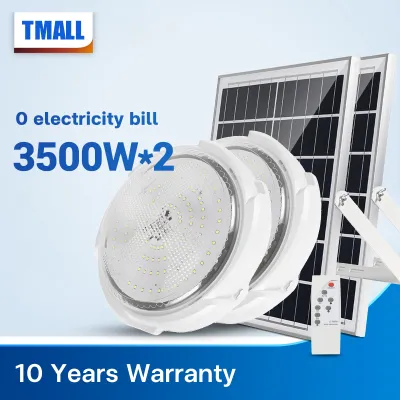
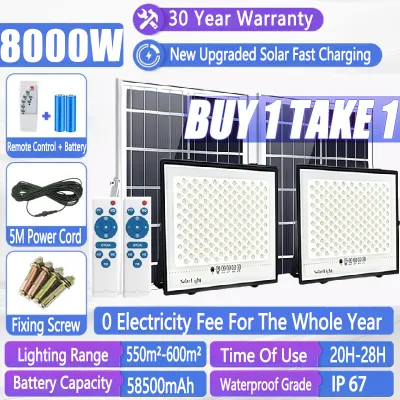
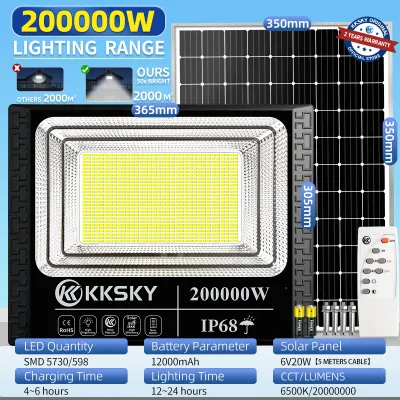
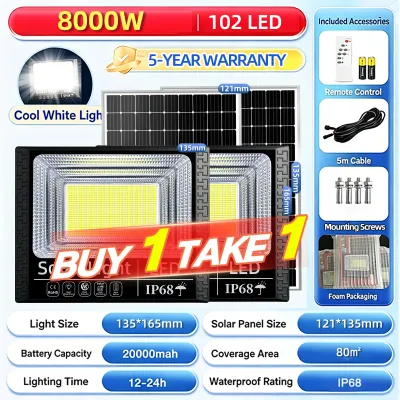
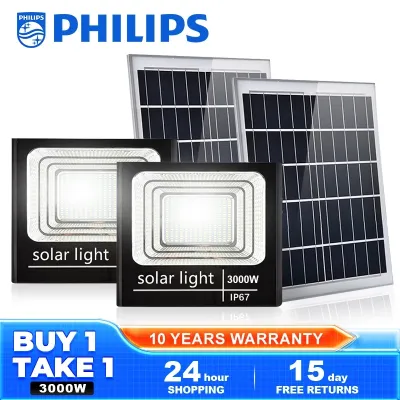
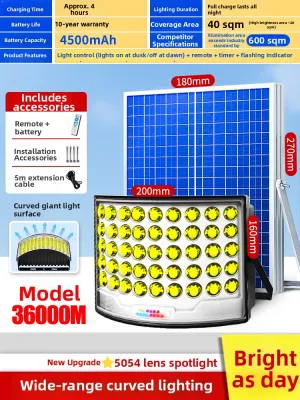
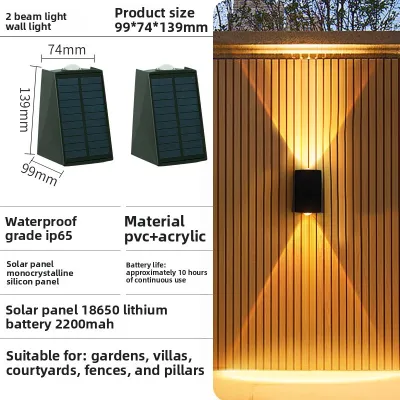
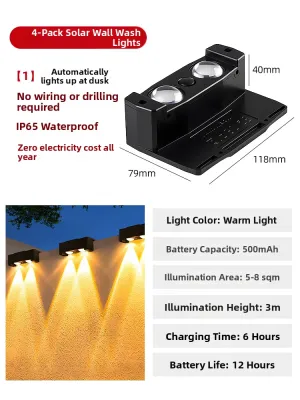
Prices are valid at publication and may change. Please refer to the product page for the latest price.
Begin by tracking the daily sunlight patterns on your balcony over the course of a weekend. Note which areas receive direct, unobstructed sunlight and for how many hours. Solar panels generally require at least four to six hours of direct sunlight to charge their internal batteries fully. If your balcony is north-facing or deeply recessed under a concrete overhang, you will need to identify the outermost edges—such as the top of the railing or an outer wall—where a solar panel can be positioned to catch maximum daylight.
Next, take precise measurements of your balcony’s dimensions. If you are planning to drape string lights along the railing, measure the total linear distance, including any corners or vertical posts. For standalone fixtures like table lanterns or wall sconces, determine how many units your space can comfortably accommodate without feeling cluttered. Having these measurements on hand prevents you from buying too many or too few fixtures, allowing you to choose a bundle that fits your layout perfectly.
Finally, consult your condominium association’s house rules or property management office guidelines. Many high-rise developments in the Philippines enforce strict regulations regarding exterior modifications. These rules may prohibit drilling into structural concrete, hanging items that extend past the outer edge of the railing, or installing excessively bright lights that cause light spill into neighboring units. Understanding these boundaries beforehand ensures you select a non-destructive, compliant lighting setup.
Key Specifications to Check Before Claiming a Deal
When shopping for promotional solar lights, it is easy to get caught up in attractive product photos and low promotional prices. However, many budget-friendly bundles utilize lower-grade internal components to keep manufacturing costs down. To ensure your lights remain functional and bright throughout the evening, you must verify several critical technical specifications on the product listing.

First, examine the battery capacity, which is typically measured in milliampere-hours (mAh). For standard decorative string lights or small lanterns, look for a battery capacity of at least 600mAh to 1200mAh. If the listing does not specify the battery capacity or type, treat this as a warning sign of a low-quality product. A sufficient battery capacity ensures that the energy collected during the day can sustain the light for several hours after sunset.
Second, check the solar panel type and its charging efficiency. Most affordable solar lights use either polycrystalline or monocrystalline solar panels. Monocrystalline panels are generally more efficient, especially in low-light or overcast conditions, making them highly suitable for the tropical climate of the Philippines, where afternoon rain showers and cloudy skies are common. Polycrystalline panels are more economical but require longer exposure to direct, intense sunlight to achieve a full charge.
Third, review the lumen output and color temperature specifications. Lumens measure the brightness of the light; for a cozy, ambient balcony atmosphere, you do not need high-intensity floodlights. Look for fixtures that offer between 10 and 50 lumens per light source. Additionally, pay close attention to the color temperature, measured in Kelvin (K). To create a warm, relaxing environment, select lights with a color temperature of 2700K to 3000K, which produce a soft, warm white glow. Avoid cool white lights of 5000K or higher, as they can make your balcony feel clinical and harsh.
Additionally, check if the product listing mentions any electrical certifications, such as CE or RoHS, which indicate the device has met basic safety and environmental standards. While solar lights operate on low-voltage direct current and do not pose the same shock hazards as high-voltage mains-powered lighting, certified components offer peace of mind regarding battery safety and wiring quality. If the solar lights feature a hybrid charging option, verify the charging interface type and ensure any charging ports are tightly sealed with a rubber cap when the unit is placed outdoors.
Choosing Light Styles for a Cozy Ambiance
The style of solar light you choose plays a pivotal role in defining the visual character and mood of your condo balcony. By selecting the right combination of fixtures, you can transform a cold concrete slab into an intimate, layered outdoor living room.
String lights, such as fairy lights or larger festoon bulbs, are excellent for creating a festive, overhead canopy or outlining the perimeter of your balcony railing. They distribute light evenly across the space and instantly introduce a whimsical, celebratory feel. When opting for string lights, ensure the cable length matches your measurements and that the solar panel is on a separate, lead-in wire long enough to reach a sunny spot while the bulbs remain in the shaded seating area.
Hanging lanterns and tabletop lamps offer a more focused, intimate glow. Placing a pair of solar lanterns on a small balcony table or hanging them from decorative hooks creates warm pools of light that draw the eye downward, making the space feel grounded and cozy. These fixtures are highly versatile because they can be easily rearranged to suit different seating configurations or stored indoors when not in use.
Railing sconces and step lights are ideal for defining the structural boundaries of your balcony. Mounted directly to the railing posts or placed along the floor edge, these fixtures cast downward light paths that highlight the architectural lines of your space. To achieve a truly professional look, plan a layered lighting scheme. Combine a set of string lights along the railing with a pair of tabletop solar lanterns to create depth, eliminate dark corners, and provide multiple levels of visual interest.
Verifying Durability and Weather Resistance Labels
Condo balconies in the Philippines are exposed to intense tropical heat, high humidity, heavy seasonal rains, and strong winds. Therefore, durability is a non-negotiable factor when selecting solar lights, especially when evaluating promotional deals that may cut corners on material quality.
The most reliable indicator of a light’s weather resistance is its Ingress Protection (IP) rating. This rating consists of two numbers: the first indicates protection against solid particles like dust, and the second indicates protection against liquids. For outdoor balcony use, look for fixtures with a minimum rating of IP44, which protects against splashing water from any direction. If your balcony is completely unsheltered and exposed to heavy downpours, prioritize lights with an IP65 or IP67 rating, which can withstand low-pressure water jets and temporary immersion.
In addition to the IP rating, inspect the material descriptions provided by the manufacturer. High-quality outdoor solar lights are typically constructed from UV-resistant ABS plastic, powder-coated aluminum, or stainless steel. Cheap plastics will quickly degrade, become brittle, and discolor under constant exposure to intense tropical sunlight. Ensure that any metal components are treated to prevent rust, especially in coastal areas where salty air can accelerate corrosion.
You can also spot potential quality issues by closely examining product images and customer review photos. Look for robust rubber gaskets sealing the battery compartment and the power switch. If the solar panel is integrated into the top of a lantern, check if the seams are tightly sealed with silicone or a similar weatherproofing compound. Avoid fixtures with exposed, thin wiring or flimsy plastic brackets that are likely to snap under moderate wind pressure.
Safe, Non-Destructive Installation Methods
Because most condominium agreements strictly prohibit permanent alterations to the building’s exterior, installing your new solar lights requires creative, non-destructive mounting solutions. Fortunately, there are several highly effective, renter-friendly methods that keep your fixtures secure without the need for drilling into concrete walls or ceilings.
For hanging string lights or lightweight lanterns, heavy-duty outdoor adhesive hooks are an excellent choice. Look for hooks specifically rated for outdoor use, which utilize water-resistant adhesive strips designed to withstand high humidity and temperature fluctuations. Before applying the hooks, thoroughly clean the mounting surface with rubbing alcohol to ensure a strong bond.
If you want to mount lights along your balcony railing, UV-resistant plastic zip ties or specialized railing clips are incredibly secure and easy to install. Zip ties allow you to fasten string light cables tightly to metal or concrete balusters without causing any surface damage. When it is time to move out or rearrange your setup, you can simply cut the zip ties. For a more polished look, adjustable metal railing clamps can hold solar torch lights or sconces firmly in place.
When installing fixtures at height, such as along the top of a high-rise balcony railing, always prioritize personal safety. Never lean over the railing or attempt to mount heavy fixtures during windy conditions. If your installation requires securing suspended loads or heavy lanterns, carefully follow the manufacturer’s installation instructions and verify that your mounting brackets or zip ties can support the weight under wind load. For complex setups or if you are unsure about structural integrity, consulting a qualified professional or your building’s maintenance staff is a prudent step.
When positioning your fixtures, always prioritize the placement of the solar panel. The panel must be angled toward the sky where it can receive maximum daylight, completely free from shadows cast by overhead concrete beams, hanging laundry, or potted plants. Even a small amount of shade covering a single cell on a solar panel can drastically reduce its charging efficiency, resulting in dim lights that turn off after only a short period of operation.
Calculating the True Value of Buy-One-Get-One Deals
The promise of a buy-one-take-one deal is highly appealing, but not all promotions offer genuine savings. Some sellers on online marketplaces artificially inflate the base price of a single item before applying the promotional tag, making the deal seem far more lucrative than it actually is. To protect your hard-earned money, you must calculate the true value of the offer.
Start by searching for identical or highly similar solar light models across multiple online storefronts. Compare the promotional bundle price in ₱ against the standard retail price of a single unit. If the bundle price is nearly double the cost of a single unit sold elsewhere, the promotion is not a true buy-one-get-one-free offer. A genuine deal should offer a significant per-unit discount compared to buying the items individually.
Next, carefully review the seller’s return policies and warranty terms. Promotional bundles and clearance items are sometimes sold under strict return policies, leaving you with little recourse if one or both of the units arrive damaged or fail within the first week of use. Prioritize reputable sellers who offer at least a basic replacement window or a warranty on promotional items.
Finally, dedicate time to reading recent customer feedback, paying close attention to reviews that include photos or videos. Filter the reviews to look for long-term performance updates. Customers often post follow-up reviews explaining how well the batteries hold a charge after several months of use, or how the materials held up during the rainy season. If multiple reviews complain about water leakage, rapid battery degradation, or receiving defective units, it is best to skip the deal, regardless of how attractive the price may seem.
Frequently Asked Questions (FAQ)
Can solar lights charge on a shaded or covered balcony?
Yes, solar lights can still charge on a shaded or covered balcony, but their charging efficiency will be significantly reduced. Solar panels rely on daylight to generate electricity, so even on overcast days or under a concrete overhang, they will collect some ambient light. However, without direct sunlight, the internal battery will not reach its full capacity, resulting in a much shorter runtime and dimmer illumination at night. To optimize charging on a covered balcony, place the solar panel at the absolute edge of the railing where it has the clearest view of the open sky, or opt for solar fixtures that feature a detachable solar panel with a long cord, allowing you to mount the panel in a sunny spot while keeping the light fixture in the shade.
Do I need to bring solar lights inside during heavy rain or typhoons?
While high-quality outdoor solar lights with an IP65 or IP67 rating are designed to withstand regular rainfall, it is highly recommended to bring them indoors during typhoons or severe tropical storms. The extreme winds associated with typhoons can easily dislodge hanging lanterns, tear down string lights, or send unsecured fixtures flying, posing a safety hazard to people and property below. Additionally, torrential rains accompanied by high-velocity winds can force water into the seals of even well-rated fixtures, leading to internal corrosion and electrical failure. To prolong the lifespan of your solar lights, temporarily store them inside your condo when a severe weather warning is active.

Community discussion
Share your experience or ask a question. Comments are reviewed before publication.