
To create a warm, inviting ambiance on your condo balcony using KKSky solar lights, you must focus on matching the technical specifications of the fixtures with the physical layout and sunlight exposure of your outdoor space. Because condo balconies in tropical climates face unique challenges—such as high humidity, heavy seasonal rainfall, and limited direct sunlight due to structural overhangs—selecting the right solar lighting requires a careful evaluation of product labels, mounting options, and building regulations. By focusing on key performance indicators like weatherproofing, battery capacity, and non-destructive installation methods, you can transform your compact outdoor area into a cozy evening retreat without risking damage to your property or violating condominium policies.
Key Specifications for Warm Balcony Ambiance
When browsing through the KKSky official store solar selection, understanding the technical specifications on the product labels is the first step toward achieving your desired balcony aesthetic. The most critical factor in creating a cozy, relaxing environment is the color temperature of the light source. Color temperature is measured in Kelvin (K), and for a warm, intimate glow that mimics candlelight or soft sunset hues, you should look for fixtures rated between 2700K and 3000K, often labeled as warm white. Avoid lights with higher Kelvin ratings, such as 5000K or 6500K, which emit a cool, bluish-white light that can feel clinical, harsh, and counterproductive to a relaxing outdoor lounge space.
Another vital specification to verify before purchasing is the Ingress Protection (IP) rating, which indicates how well the fixture is sealed against environmental elements like dust and moisture. Because condo balconies are exposed to wind, humidity, and driving rain, choosing lights with an inadequate IP rating can lead to premature electrical failure or water damage. For covered balconies that receive minimal direct rainfall, an IP44 rating is generally sufficient to protect against splashing water from any direction. However, if your balcony is fully exposed to the elements or experiences heavy tropical downpours, opting for fixtures with an IP65 or higher rating ensures superior protection and long-term durability.
Products mentioned in this guide
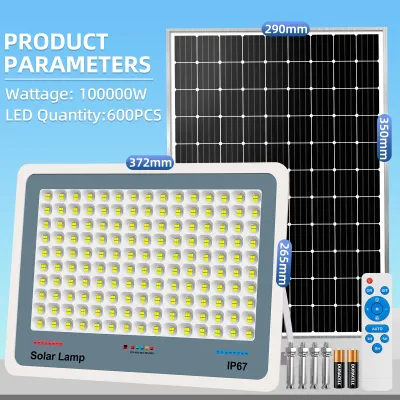
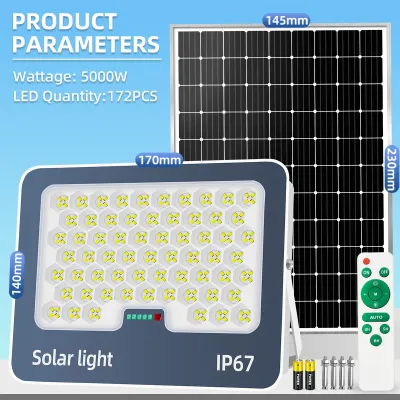
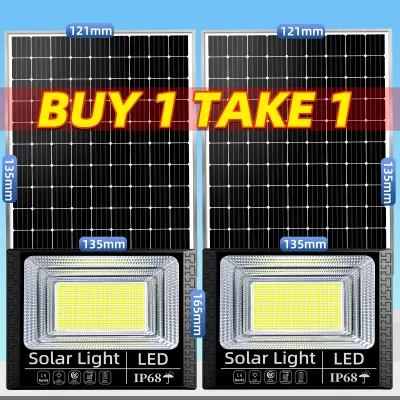
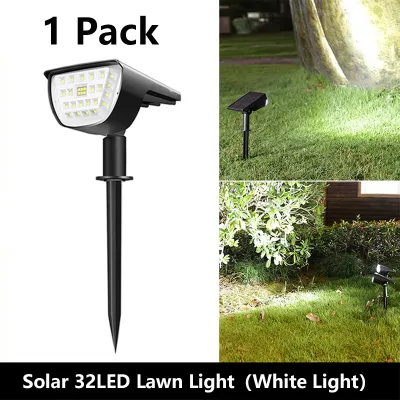
Prices are valid at publication and may change. Please refer to the product page for the latest price.
Battery capacity and solar panel efficiency are equally important specifications that directly influence how long your balcony lights will remain illuminated after sunset. Solar lights rely on built-in rechargeable batteries, typically Nickel-Metal Hydride (NiMH) or Lithium-ion (Li-ion), to store the energy collected by the solar panel during the day. When reviewing product descriptions, check the battery capacity measured in milliampere-hours (mAh); a higher capacity, such as 1200mAh or greater, allows the light to run longer into the night. Additionally, look for monocrystalline solar panels, which offer higher energy conversion efficiency compared to polycrystalline alternatives, ensuring the battery charges effectively even on slightly overcast days.
Finally, consider the available lighting modes to ensure the fixtures align with your preferred ambient atmosphere. Many solar string lights and decorative lamps offer multiple operational modes, ranging from a steady, continuous glow to dynamic patterns like slow fading, twinkling, or rapid flashing. While dynamic modes can add a festive touch for special occasions, a steady warm glow is usually the most effective setting for creating a calm, sophisticated balcony retreat. Verifying that a fixture includes a simple mode-switching button or a memory function that remembers your preferred setting will save you the hassle of manually adjusting the lights every evening.
Evaluating Your Condo Balcony Environment
Before finalizing your purchase from an online marketplace, it is essential to conduct a thorough assessment of your condo balcony’s physical conditions and structural limitations. The primary factor to evaluate is the amount of daily direct sunlight your balcony receives, as solar panels require direct exposure to UV rays to charge their internal batteries efficiently. Many condo balconies are covered by the floor above, creating deep shadows that block direct sunlight for most of the day. If your balcony faces north or is heavily shaded by neighboring high-rise buildings, you may need to choose solar light models that feature a detachable solar panel with a long connecting wire, allowing you to position the panel in a sunnier spot while keeping the light fixtures in the shade.

Mounting surfaces and installation restrictions are another critical consideration when planning your balcony lighting layout. Most condominium associations enforce strict rules against drilling holes into exterior walls, concrete pillars, or balcony railings, as this can compromise the building’s structural integrity or damage the exterior waterproof membrane. Therefore, you must identify non-destructive mounting options that utilize existing structures. Inspect your balcony railings, glass panels, or privacy screens to determine if they can support lightweight string lights, clip-on lanterns, or hanging fixtures that do not require permanent hardware installation.
In addition to physical mounting constraints, you must review your condominium’s house rules and property management guidelines regarding exterior decorations. Many property managers restrict the types of lights visible from the street to maintain a uniform building facade, or they may have strict rules regarding light spill that could disturb your immediate neighbors. To avoid potential fines or disputes, ensure your chosen solar lights are positioned in a way that directs the glow inward toward your balcony floor or seating area, rather than outward toward neighboring units or the street below.
Lastly, take precise measurements of your balcony’s dimensions to ensure the scale of the lighting fixtures matches the available space. Compact condo balconies can easily feel overcrowded if you install excessively large lanterns or overly dense arrangements of string lights. Measuring the length of your railings and the height of your walls will help you select the appropriate length of string lights or the correct size of wall-mounted fixtures. Choosing slim, low-profile designs will help preserve valuable floor space, allowing you to maintain a comfortable and functional outdoor seating area.
Navigating Official Stores and Online Marketplaces
When shopping for KKSky solar lights online, navigating e-commerce platforms requires a cautious approach to ensure you receive authentic, high-quality products. Start by searching for the official brand store or authorized distributors on your preferred online marketplace, looking for verified seller badges, high positive feedback ratings, and active customer service channels. Avoid purchasing from unverified third-party sellers who offer unusually low prices, as these listings often feature counterfeit items or older, less efficient product models that do not meet current safety and performance standards.
As you browse the available options, carefully cross-reference the product descriptions, images, and technical specifications provided in the listing with the manufacturer’s official standards. Pay close attention to details such as the materials used in construction, the exact dimensions of the fixtures, and the certified IP ratings. If a listing contains vague descriptions, contradictory information, or unrealistic performance claims—such as promising twenty-four hours of continuous illumination from a single hour of charging—it is best to look for an alternative seller who provides transparent and accurate product details.
Customer reviews and ratings are invaluable resources when evaluating the real-world performance of solar lights. Scroll through the feedback section of the product listing and filter for reviews that include photos and videos uploaded by actual buyers. These visual reviews allow you to assess the true brightness and color temperature of the lights in a real balcony setting, which may differ from edited promotional images. Look for reviews from customers who live in similar tropical climates, as their feedback regarding how the lights withstand heavy rain, high humidity, and intense sun exposure will give you a realistic expectation of the product’s durability.
Finally, take the time to understand the transaction terms, including return policies, warranty coverage, and shipping conditions, before completing your purchase. Compare the total cost of the items in ₱ across different authorized sellers, factoring in any shipping fees or promotional discounts that may apply. Ensure the seller offers a clear return policy or a manufacturer’s warranty that protects you against manufacturing defects or transit damage. Having a reliable warranty ensures that you can easily request a replacement or a refund if your solar lights fail to operate correctly upon arrival.
Safe Installation and Routine Maintenance
Proper installation and regular maintenance are key to maximizing the lifespan and performance of your balcony solar lights. When setting up your lights, the primary goal is to position the solar panel where it will receive the maximum amount of unobstructed sunlight throughout the day. If your chosen light model features an integrated solar panel, place the entire fixture in the sunniest spot available on your balcony railing. For models with a separate solar panel, mount the panel high up on a railing or wall bracket where it can capture direct sunlight, and route the connecting wire safely along the balcony perimeter to the light fixtures.
To secure your lights without causing permanent damage to your condo’s exterior, utilize non-destructive mounting accessories. Heavy-duty, UV-resistant zip ties are an excellent choice for securing string lights or small lanterns to metal balcony railings, as they provide a strong hold and can be easily removed without leaving marks. For smooth surfaces like glass panels or tiled walls, weather-resistant adhesive hooks or suction cups designed for outdoor use can hold lightweight wires securely. Avoid using metal staples, nails, or tight wires that can pinch or cut through the light fixture’s protective insulation, creating a safety hazard.
Routine maintenance is essential to keep your solar lights operating at peak efficiency, especially in urban environments where dust, soot, and pollen can quickly accumulate on the solar panel’s surface. A dirty solar panel blocks sunlight, significantly reducing the amount of energy transferred to the battery and resulting in shorter runtimes at night. To prevent this, establish a simple routine of wiping the solar panel gently with a damp microfiber cloth every few weeks. Avoid using abrasive scrubbing pads, harsh chemical cleaners, or detergents, as these can scratch or degrade the protective coating on the panel.
Lastly, protecting your solar lights during extreme weather events is crucial for preserving their functionality and ensuring safety. While high-quality outdoor solar lights are designed to withstand regular rain and wind, severe tropical storms and typhoons present a risk of physical damage from high winds or flying debris. Before a major storm arrives, temporarily take down your lights and store them indoors in a dry, cool place. Following these simple care instructions and storing your fixtures during severe weather will prevent water intrusion and physical damage, ensuring your balcony ambiance remains bright for years to come.
Frequently Asked Questions (FAQ)
Can solar lights work on a heavily shaded condo balcony?
Solar lights can still function on a shaded balcony, but their performance and runtime will be significantly reduced compared to fixtures placed in direct sunlight. Because solar panels require ultraviolet light to charge the internal battery, placing them in deep shade means the battery may only receive a partial charge, resulting in dimmer light and a much shorter operational time at night. To overcome this limitation, look for solar light models that feature a detachable solar panel connected by a long wire. This design allows you to mount the solar panel in the sunniest spot on your balcony railing or outer edge, while hanging the decorative lights in the shaded seating area.
Do I need permission from condo management to install balcony lights?
Whether you need formal permission depends on your specific condominium’s house rules and homeowners’ association guidelines. Most condo properties allow temporary, non-destructive decorations on balconies, provided they do not alter the building’s exterior appearance, cause damage to the walls, or create a safety hazard. However, some buildings have strict regulations regarding light pollution, visible wiring, or the color of lights allowed on facades. To avoid potential fines or requests to remove your setup, it is highly recommended to review your condo’s handbook or consult with the property management office before installing any exterior lighting.
How do I know when the solar light battery needs replacing?
The most common sign that your solar light battery needs replacing is a significant and persistent reduction in runtime, even after a full day of clear, direct sunlight. If your lights only stay on for an hour or two before fading, or if they fail to turn on entirely despite the solar panel being clean and properly positioned, the rechargeable battery has likely reached the end of its lifespan. Most solar lights use standard rechargeable NiMH or Li-ion batteries that can be easily replaced. To do so safely, consult the product manual to identify the correct battery size and voltage, unscrew the battery compartment on the underside of the solar panel, and replace the old battery with a new one of matching specifications.
Community discussion
Share your experience or ask a question. Comments are reviewed before publication.