
Selecting the right LED branch vine lamp lights for an outdoor garden in the Philippines requires balancing tropical weather resilience with your specific aesthetic goals. These decorative lights, designed to mimic the natural growth of climbing vines, can transform a dark garden into an inviting outdoor living space. However, because they are exposed to intense sunlight, high humidity, and heavy seasonal rainfall, choosing a set that is built to last requires careful attention to material quality, electrical safety, and installation methods.
Before purchasing any lighting setup, you must evaluate the physical layout of your garden and the specific environmental challenges of your local area. By focusing on durable specifications and safe installation practices, you can enjoy a beautifully illuminated garden that withstands the elements year-round.
Assessing Your Garden's Environmental Conditions
The tropical climate of the Philippines presents unique challenges for outdoor electrical fixtures. Throughout the year, outdoor lights must endure intense ultraviolet (UV) exposure during the dry season and relentless downpours during the monsoon season. High humidity levels can also accelerate the degradation of poorly sealed components, leading to premature failure or electrical hazards.
Products mentioned in this guide
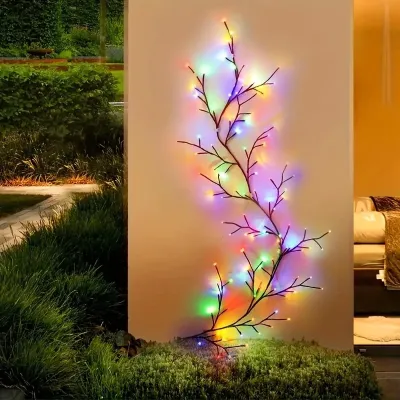

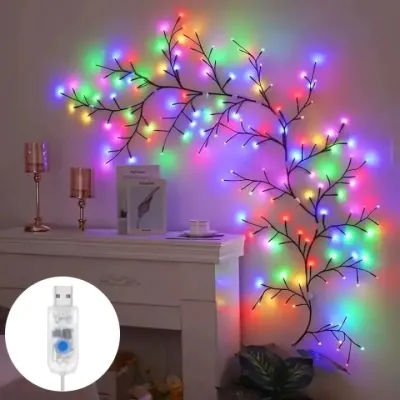
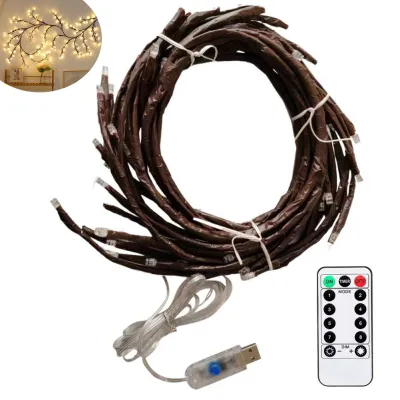
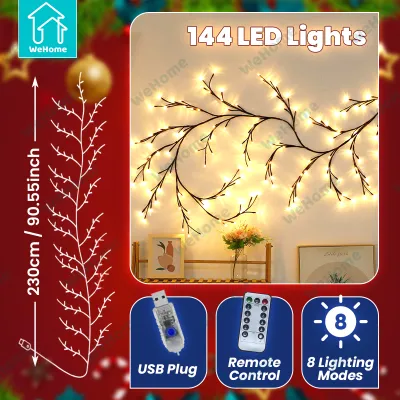
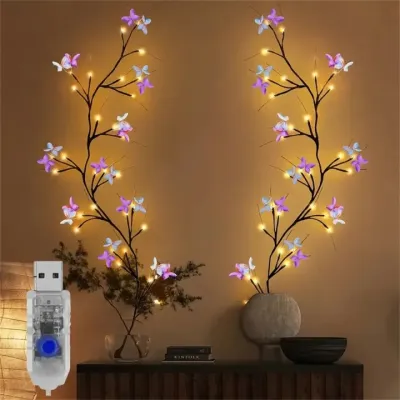
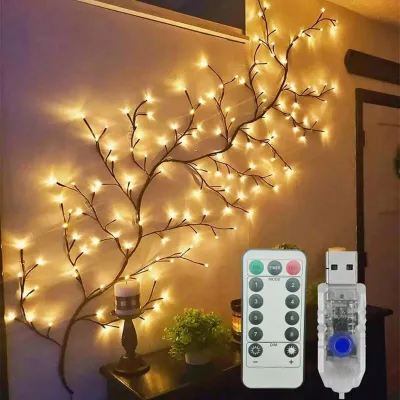
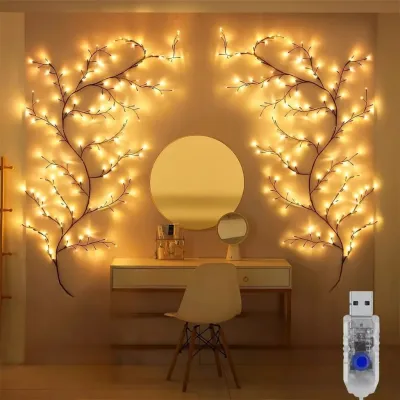
Prices are valid at publication and may change. Please refer to the product page for the latest price.
When planning your lighting layout, identify the exact surfaces where you intend to mount the vine lights. Common garden structures include concrete firewalls, wooden pergolas, bamboo trellises, and living tree trunks such as palms or mango trees. Each surface has different weight-bearing capacities and texture profiles. For instance, rough tree bark provides natural grip but may expand over time, while smooth concrete walls require secure, non-damaging anchors that can withstand strong winds.
Additionally, map out the distance from your desired installation points to the nearest power source. If you plan to use grid-powered lights, you must ensure a safe path for cables that avoids foot traffic and standing water. For solar-powered options, observe your garden throughout the day to identify areas that receive unobstructed sunlight, keeping in mind that dense tree canopies can significantly block the light needed to charge solar panels.
Essential Specifications for Outdoor Durability
To ensure your LED branch vine lights survive the outdoor elements, you must verify their technical specifications before buying. The most critical indicator of weather resistance is the Ingress Protection (IP) rating. For general outdoor garden use, look for lights with a minimum rating of IP65, which indicates the product is dust-tight and protected against water jets. If the lights will be installed in low-lying areas prone to temporary pooling during heavy rains, an IP67 rating is highly recommended to protect against temporary immersion.

| IP Rating | Dust Protection Level | Water Protection Level | Suitable Garden Placement |
|---|---|---|---|
| IP44 | Protected against solid objects > 1mm | Protected against splashing water | Covered patios, balconies, under eaves |
| IP65 | Completely dust-tight | Protected against water jets from any angle | Open pergolas, fences, tree trunks |
| IP67 | Completely dust-tight | Protected against temporary immersion | Low-lying garden borders, ground pathways |
The materials used for the branches and wiring insulation are equally important. Standard plastics tend to become brittle, crack, and discolor when exposed to constant tropical sunlight. Opt for vine lights constructed with UV-stabilized PVC or flexible silicone coatings. The internal wiring should consist of high-quality, multi-strand copper to maintain flexibility and conductivity without snapping when bent around structures.
Electrical safety is paramount when dealing with outdoor installations. The standard utility voltage in the Philippines is 220V at 60Hz. Running line-voltage (220V) directly through thin decorative wires outdoors increases the risk of severe electrical shock if the insulation is damaged. Instead, look for low-voltage systems that utilize a step-down transformer to reduce the operating voltage to a safer 12V or 24V. Always verify that the transformer and plug carry reputable safety certification marks, such as the Philippine Standard (PS) mark, the Import Commodity Clearance (ICC) sticker, or recognized international equivalents like CE and RoHS.
Design and Lighting Effects for Garden Aesthetics
Achieving the desired ambiance in your garden depends heavily on the color temperature of the LEDs. Color temperature is measured in Kelvin (K) and dictates the visual warmth of the light. Warm white lights (typically 2700K to 3000K) create a soft, cozy, and resort-like atmosphere that complements natural wood, stone, and foliage. Cool white lights (5000K to 6500K) offer a crisp, bright, and modern look, which can be useful for security lighting or highlighting specific architectural features, though they can sometimes appear harsh in quiet garden settings.
The physical design of the branch vine structure determines how easily it can be integrated into your landscape. High-quality vine lights feature highly bendable branches that allow you to wrap them tightly around tree trunks, drape them over arches, or shape them along wall panels. Check the manufacturer’s guidelines regarding the flexibility of the branches; forcing a stiff wire into a tight bend can fatigue the internal copper conductors and cause sections of the vine to fail.
Consider the density of the LED nodes and the overall length of the vine to ensure even light distribution. A sparse node density might look disconnected or patchy on a large structure, while an overly dense arrangement can overwhelm a small patio. Measure the perimeter or height of your target structure carefully, keeping in mind that wrapping a vine around a cylindrical object like a tree trunk requires significantly more length than hanging it in a straight line.
Power Sources and Energy Considerations
Deciding how to power your LED branch vine lights involves a trade-off between installation convenience and operational reliability. Solar-powered models offer the greatest placement freedom because they do not require proximity to an electrical outlet. However, their performance is entirely dependent on daily weather conditions. During the rainy season, overcast skies can limit the solar panel’s ability to fully charge the internal battery, resulting in dimmer light or shorter runtimes at night.
Plug-in models connected to your home’s electrical grid provide consistent, reliable brightness regardless of the weather. To use these safely, you must connect them to an outdoor-rated Ground Fault Circuit Interrupter (GFCI) outlet. GFCI outlets are designed to shut off power instantly if an electrical leak is detected, protecting you from shock. If you must use extension cords, ensure they are rated for outdoor use, feature heavy-duty insulation, and are kept elevated off the ground where water might pool.
Battery-operated vine lights are highly portable but are generally best suited for temporary events, covered balconies, or small decorative accents. The cost and environmental impact of frequently replacing disposable batteries make them less practical for permanent, daily garden lighting. If you choose battery power, consider using high-quality rechargeable batteries to reduce waste and long-term costs.
Safe Installation and Long-Term Maintenance
When installing your LED branch vine lights, safety and structural integrity should be your primary concerns. Always isolate the power supply by unplugging the lights or turning off the circuit breaker before beginning any installation or adjustment work. If your installation requires working at heights—such as wrapping high tree branches or mounting lights along a high roofline—always use a stable, slip-resistant ladder and have a second person spot you from the ground.
To secure the vine lights to living trees, avoid using nails, staples, or tight metal wires that can cut into the bark. As the tree grows, tight bindings can restrict the flow of nutrients, a process known as girdling, which can severely damage or kill the branch. Instead, use adjustable, UV-resistant plastic zip ties or soft garden ties, leaving enough slack to accommodate the natural growth of the tree. For concrete or brick walls, use dedicated masonry anchors and outdoor-rated cable clips to hold the vines securely against strong winds.
[Outdoor GFCI Outlet]
       │
       ▼ (Drip Loop: Cable curves downward before entering outlet)
[Weatherproof Connection Box]
       │
       ▼ (Low-Voltage Cable)
[LED Branch Vine Light mounted with soft ties]
Regular maintenance is essential to prolong the lifespan of your outdoor lights in a tropical environment. Dust, pollen, mold, and insect debris can accumulate on the LED nodes, reducing their brightness and trapping heat. Periodically wipe down the vine branches with a soft, damp cloth. Avoid using harsh chemical solvents or abrasive scrubbing pads, as these can degrade the protective plastic or silicone coatings.
Establish a routine inspection schedule to check for physical damage. Look closely for signs of wear such as cracked wire insulation, rust on connectors, or water ingress inside the LED housings. If you notice any of these issues, or if the lights begin to flicker consistently, immediately disconnect the power source. Do not attempt to patch severely damaged wires with electrical tape for permanent outdoor use; instead, replace the damaged section or consult a qualified electrician.
Frequently Asked Questions (FAQ)
Can I leave LED branch vine lights outside during severe storms?
No, you should not leave LED branch vine lights fully exposed during severe storms or typhoons. While high-quality lights with IP65 or IP67 ratings are designed to withstand regular rain and wind, the extreme wind speeds and torrential downpours associated with tropical storms can exceed these design limits. Strong winds can tear the vines from their mountings, damaging both the lights and the structures they are attached to. Before a storm arrives, safely disconnect the power supply, carefully unmount the lights, and store them indoors to prevent damage and ensure electrical safety.
How do I safely extend the length of my vine lights?
To safely extend your vine lights, you must first check the manufacturer’s specifications to find the maximum number of connectable strands or the maximum allowable wattage for the power adapter. Exceeding this limit can overload the transformer, leading to overheating, dimming, or permanent damage to the system. Only connect compatible strands from the same manufacturer and model line. Ensure that all connection points between strands are tightly sealed using the integrated weatherproof screw caps and rubber O-rings provided, and never use indoor-rated connectors or electrical tape to join outdoor light strands.
Community discussion
Share your experience or ask a question. Comments are reviewed before publication.