
Choosing the right music-syncing Christmas lights requires balancing the physical layout of your space, your desired holiday aesthetic, and critical technical specifications like voltage compatibility and environmental protection. By matching the physical format of the lights—whether flexible strips, classic strings, or convenient projectors—to the scale of your room and your decorating theme, you can create an immersive holiday experience that dances in perfect harmony with your favorite festive tunes.
Selecting these dynamic decorations is not just about finding the brightest bulbs; it involves understanding how different technologies interact with sound and space. A well-planned setup enhances your home’s architecture and holiday decor without causing visual clutter or electrical hazards. Taking the time to evaluate your room’s dimensions, power source locations, and safety requirements ensures a seamless installation that brings joy throughout the festive season.
Comparing Music-Syncing Light Formats: Strips, Strings, and Projectors
To build a successful music-responsive display, you must first understand the three primary light formats available on the market. Each format offers distinct visual characteristics, installation requirements, and decorative advantages that suit different areas of your home.
Products mentioned in this guide
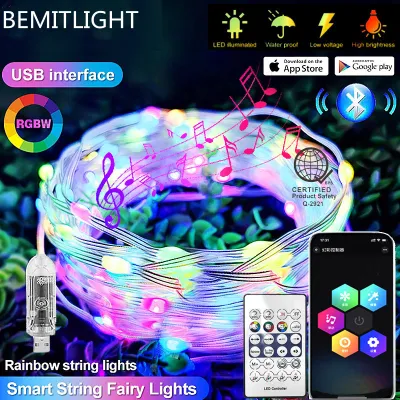
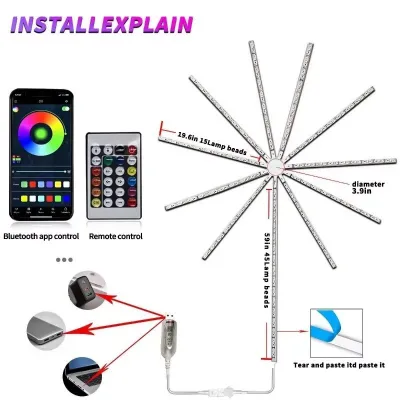
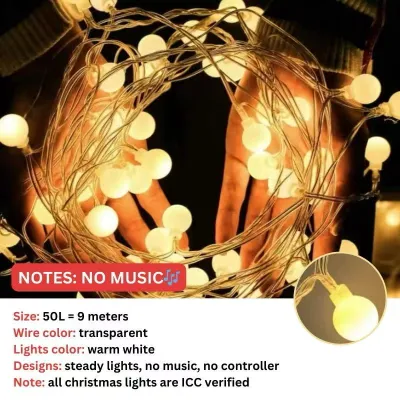
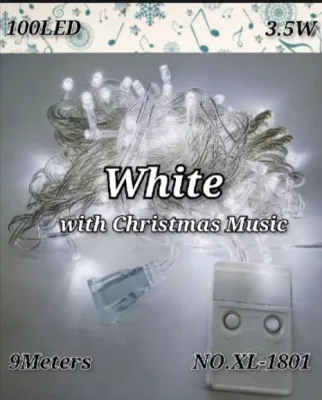
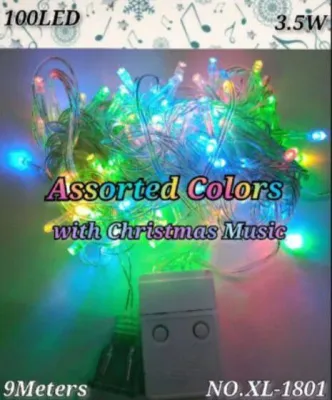
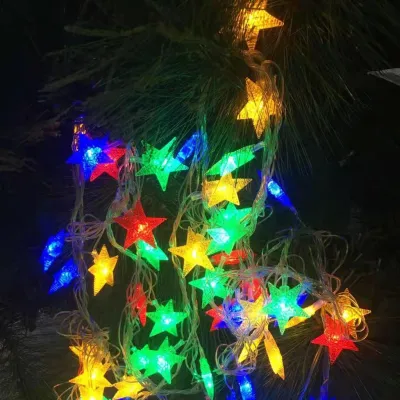
Prices are valid at publication and may change. Please refer to the product page for the latest price.
LED strip lights consist of flexible circuit boards populated with surface-mounted light-emitting diodes. These strips typically feature an adhesive backing, allowing them to be mounted directly to flat surfaces for a clean, modern look. Because they emit a continuous, linear glow, they are highly effective for architectural highlighting, such as outlining ceiling coves, tracing the undersides of shelves, or framing television screens. When synced to music, LED strips transition colors smoothly along their entire length, creating a sophisticated, ambient effect that feels integrated into the room’s structure.
String and fairy lights represent the classic holiday aesthetic, featuring individual bulbs spaced along a flexible wire. This format is incredibly versatile, allowing you to drape the lights over Christmas tree branches, wrap them tightly around stair railings, or hang them in cascading curtains across windows. The distinct points of light create a rich, textured sparkle that traditionalists love. Music-syncing string lights often allow individual bulb control or zoned color changes, making the classic holiday tree appear to pulse and dance dynamically to the rhythm of your favorite carols.
Projector lights offer a completely different approach by casting moving patterns, laser points, or festive imagery onto large surfaces from a single stationary device. This format is ideal for those who want maximum visual impact with minimal physical setup, as you do not need to untangle wires or mount individual light points. Placing a projector in the corner of a room allows you to cover an entire wall or ceiling with dancing snowflakes, stars, or color waves that shift in time with the music. While highly convenient, projectors require a clear line of sight and work best in darker rooms where ambient light does not wash out the projected images.
Matching the Light Format to Your Room Size and Layout
The physical dimensions and layout of your room play a crucial role in determining which light format will perform best. Installing the wrong type of lighting can lead to an underwhelming display in a large space or an overwhelming, cluttered environment in a smaller room.

In small or highly furnished rooms, space is at a premium, and visual clutter can quickly accumulate. Heavy, dangling string lights or long runs of exposed LED strips can make a compact living room feel cramped and chaotic. For these intimate spaces, a compact projector or a single set of delicate fairy lights is often the most effective choice. A projector can be tucked away on a side table to cast soft, rhythmic patterns across the ceiling, keeping the floor and walls free of cables while still delivering a festive, music-responsive atmosphere.
Large, open-plan living areas or high-ceilinged rooms require a more robust lighting strategy to ensure the display does not get lost in the space. In these expansive environments, combining multiple light formats often yields the best results. You might install high-lumen LED strip lights along the main architectural lines of the room to establish a baseline of ambient color, while wrapping a large Christmas tree in extended runs of heavy-duty string lights. This layered approach creates visual depth, ensuring that the music-syncing effects are visible and impactful from every corner of the room.
Regardless of your room’s size, planning your layout around available power outlets is essential for safety and aesthetics. Music-syncing light systems often feature bulkier power adapters, control boxes, and external microphone sensors that must be positioned carefully. Route all cables along baseboards or behind furniture to keep them out of sight and prevent trip hazards, especially in high-traffic zones like hallways or near entryways. If you must run a cable across a walkway, always use a low-profile, heavy-duty cord protector to secure it to the floor.
Aligning Lighting Effects with Your Decoration Theme
Your holiday lighting should feel like a natural extension of your overall interior design and seasonal decor theme. Matching the color temperature, transition speed, and synchronization style of your lights to your aesthetic goals ensures a cohesive and pleasing environment.
If your holiday style leans toward a traditional, cozy aesthetic filled with rustic wooden ornaments, green garlands, and classic red-and-gold accents, your lighting should reflect this warmth. Prioritize string lights that offer a warm-white color option and feature gentle, slow-reacting music synchronization modes. Rather than flashing rapidly to the beat, these modes allow the warm glow to swell and fade softly in time with acoustic holiday classics or orchestral arrangements, enhancing the comfortable, nostalgic atmosphere of your home.
For modern, minimalist spaces characterized by clean lines, neutral color palettes, and sleek furniture, a subtle and integrated lighting approach is ideal. Hidden LED strip lights mounted behind furniture, under cabinets, or along architectural recesses provide a sophisticated glow without visible wires or bulbs. Look for smart light systems that allow you to customize the color palette to match your contemporary decor, such as cool whites, soft blues, or elegant monochrome tones. The music-sync effects in these setups should be smooth and fluid, creating a relaxing lounge-like environment.
If your primary goal is to host lively holiday gatherings, family reunions, or dynamic parties, you will want a high-energy, vibrant lighting setup. Opt for multi-color RGB LED strips or high-contrast projectors that feature fast, beat-driven synchronization modes. These systems utilize advanced sensors to detect rapid tempos and heavy basslines, translating the music into sharp color shifts, strobing patterns, and energetic movement. This dynamic style works best when paired with modern holiday pop playlists, transforming your living space into an exciting, interactive celebration zone.
Essential Technical, Compatibility, and Safety Checks
Before purchasing and installing your music-syncing Christmas lights, it is vital to verify several technical specifications to ensure compatibility, longevity, and safety. Ignoring these details can lead to poor performance, product failure, or electrical hazards.
First, understand how the lights receive and process audio signals. Some systems rely on a built-in microphone sensor located on the control box, which detects ambient sounds in the room. While simple to set up, these microphones will react to all noises, including conversations, footsteps, and television audio, which can disrupt the synchronization with your music. For more precise control, look for systems that offer direct audio-input connections or app-based syncing, which analyze the digital audio file directly from your smartphone or media player for flawless visual accuracy.
Electrical compatibility is another critical factor, especially when sourcing lights from various retailers. In the Philippines, the standard residential electrical supply is 220V at 60Hz. Always verify that the power adapters, plugs, and control units of your chosen lights are rated for this specific voltage to prevent short circuits, overheating, or permanent damage to the LEDs. Check that the plug type matches your wall outlets, and avoid daisy-chaining multiple adapters or extension cords, which can overload your home’s electrical circuits.
Environmental conditions must also guide your selection, particularly in tropical climates where indoor humidity can be high. Check the Ingress Protection (IP) rating of the lighting system. For standard indoor living rooms, an IP20 rating is generally sufficient, but if you plan to install lights near open windows, on covered patios, or in areas prone to dampness, opt for lights with at least an IP44 or IP65 rating to protect against moisture and dust. Never use strictly indoor-rated lights in outdoor or semi-outdoor environments, as exposure to moisture can cause dangerous electrical shorts.
Finally, prioritize heat dissipation and physical safety during installation. Although LEDs generate significantly less heat than traditional incandescent bulbs, their power adapters, controllers, and high-density strips can still become warm during extended operation. Ensure all power supplies are placed in well-ventilated areas, free from insulating materials like fabric drapes, artificial snow, or dense plastic foliage. When mounting lights, use non-damaging adhesive clips or plastic hooks rather than metal staples or nails, which can easily pierce the protective wire insulation and create a fire hazard. For any complex installations involving fixed wiring, work at heights, or mounting heavy suspended loads, always isolate the power source before starting and consult a qualified professional to ensure compliance with local safety standards.
Frequently Asked Questions (FAQ)
Do music-syncing lights work with any holiday playlist?
Yes, music-syncing lights can work with any playlist, but the visual results depend heavily on the sync mechanism and the style of music. Systems with built-in microphones react to physical sound waves, meaning they perform best with tracks that have clear, distinct beats and prominent basslines, such as festive pop or upbeat electronic holiday remixes. If you play slow, acoustic tracks or classical piano carols, a microphone-based system may produce subtle, less noticeable flickers. For a more consistent response across diverse musical genres, app-based systems that analyze digital audio files directly are recommended.
Can I connect multiple sets of music-syncing lights together?
Whether you can connect multiple sets depends entirely on the manufacturer’s specifications and the design of the power supply. Many traditional string lights allow you to end-to-end connect several strands, but music-syncing systems often have strict limits due to the power requirements of the control box and the signal transmission needed for synchronization. Exceeding the recommended number of connected strands can overload the power adapter, dim the lights at the end of the run, or cause noticeable lag in the music synchronization. Always check the product manual for the maximum wattage or strand limit, and avoid mixing different brands or light formats on a single controller.
Are projector lights safe to use in bedrooms or near children?
Projector lights are generally safe for indoor use, provided you follow basic safety guidelines to protect sensitive eyes. Many holiday projectors utilize high-intensity LEDs or low-power lasers to cast bright, clear images across a room. You must position the projector in a location where the light source cannot be stared into directly, keeping it out of the direct line of sight of children and pets. Mount the device on a high shelf or in a secure corner, and ensure the beam is directed away from highly reflective surfaces like mirrors or glass doors, which could redirect concentrated light beams unexpectedly.
Community discussion
Share your experience or ask a question. Comments are reviewed before publication.