
Creating a cozy, relaxing sanctuary in a bustling urban environment like Metro Manila often comes down to lighting. While bright overhead fluorescent fixtures are excellent for productivity, they do little to help you unwind after a long day of work or commuting. For those living in compact spaces such as high-rise condominiums, studio apartments, or shared rooms, finding the right balance of functional and atmospheric lighting is essential. This is where a rechargeable plush light comes in as a versatile, soft, and highly portable solution for ambient lighting.
Unlike traditional hard-shell lamps made of glass, metal, or rigid plastic, these innovative lighting fixtures combine the comforting tactile feel of a plush toy or fabric sculpture with the gentle glow of modern LED technology. They are designed to emit a soft, diffused light that minimizes glare, making them perfect for creating a warm, inviting atmosphere in any room. Because they are rechargeable, they eliminate the clutter of dangling cords, allowing you to place them exactly where you need them without worrying about the proximity of a wall outlet.
Choosing the right plushlight rechargeable option for your home involves more than just picking an adorable design. To find a model that is safe, durable, and effective, you need to evaluate key technical specifications, material safety, and maintenance requirements. This guide will walk you through everything you need to know to make an informed purchase, ensuring you select a high-quality light that perfectly complements your living space and lifestyle.
Products mentioned in this guide
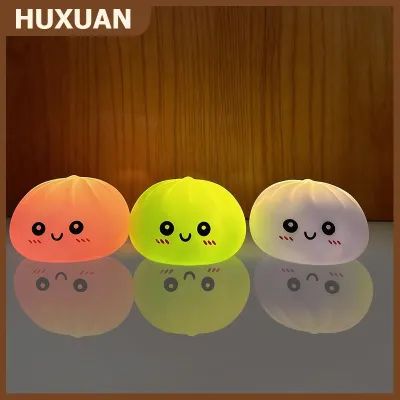
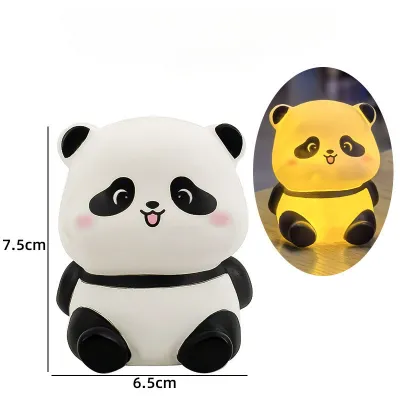
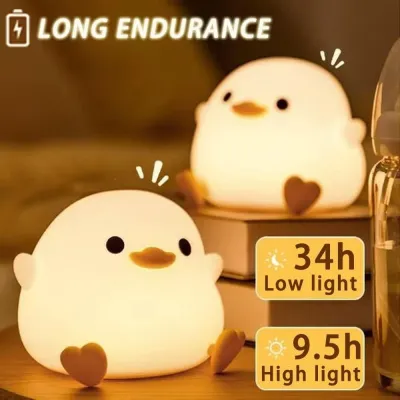
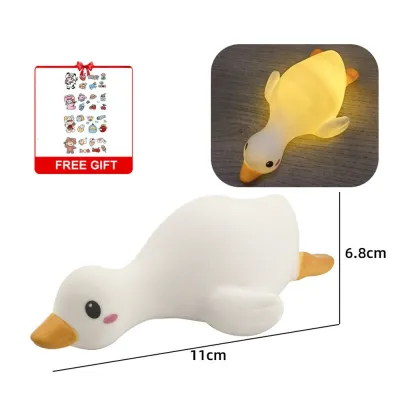
Prices are valid at publication and may change. Please refer to the product page for the latest price.
What Are Rechargeable Plush Lights?
To understand why these items have become so popular for home decor, it helps to look at what sets them apart from other ambient lighting options. A rechargeable plush light is essentially a hybrid product: it features an outer shell made of soft, tactile fabric—such as polyester, cotton, or plush velour—which houses a removable or safely enclosed LED light module powered by an internal rechargeable battery. This design offers a stark contrast to traditional sunset lamps, silicone night lights, or glass bedside lamps, which can feel cold, industrial, or fragile.
The primary function of these lights is to provide low-glare, diffused illumination. Because the light source must pass through layers of fabric or translucent plush material, the resulting glow is exceptionally soft and warm. This makes them ideal for relaxation, as they do not strain the eyes or disrupt the body’s natural preparation for sleep. They serve as excellent mood setters, casting a gentle radiance that softens the sharp corners and hard surfaces of a typical modern room.
In a typical Philippine home or condo setting, these lights find a variety of practical placements. They are commonly positioned on bedroom nightstands to serve as a comforting companion before sleep, or placed on living room shelves to add a layer of warmth to the overall room design. They are also highly suited for cozy reading nooks, where they can provide a subtle background glow that complements a dedicated reading lamp. Because they are lightweight and cordless, they can easily be moved from a study desk to a bedside table as your evening routine transitions from work to rest.
Core Specifications to Check Before Purchase
When browsing online marketplaces or local home decor stores, it is easy to get distracted by the visual appeal of different plush lights. However, checking the technical specifications on the product label or e-commerce description is crucial to ensuring you get a reliable and long-lasting device. The first specification to examine is the battery capacity, which is measured in milliampere-hours (mAh). A higher mAh rating generally indicates that the light can operate for longer periods on a single charge, reducing the frequency with which you need to plug it in.

In addition to battery capacity, pay close attention to the charging port type. Modern devices increasingly utilize USB-C ports, which offer faster, more stable power delivery and are highly convenient because they share the same cable type as most modern smartphones and tablets. Older or more budget-friendly models may still use Micro-USB ports; while functional, these can be less durable over time and may require you to keep an extra cable on hand.
Color temperature is another vital specification that directly impacts the ambiance of your room. Color temperature is measured in Kelvin (K), with lower numbers representing warmer, more golden tones and higher numbers representing cooler, bluish tones. For ambient and mood lighting, look for lights that emit a warm white glow, typically between 2700K and 3000K. Some advanced plush lights offer adjustable color temperatures or even multi-color RGB settings, allowing you to switch between a calming warm white, a soft amber, or playful colors depending on your mood.
Finally, do not overlook the materials used in the construction of the plush outer shell. Because these lights are designed to be touched and placed near sleeping areas, the fabric should be safe and comfortable. Look for manufacturers that explicitly state their materials are hypoallergenic and free from harmful chemicals. If you have sensitive skin or allergies, verifying these material details on the product listing can prevent discomfort and ensure the light is safe for everyone in your household, including children and pets.
Matching the Design to Your Room and Mood
Selecting the right rechargeable plush light also requires a careful assessment of how the physical design and light output will fit into your specific living environment. Start by evaluating the physical dimensions of the light relative to the surface where you plan to place it. In many urban Philippine apartments, bedside tables, floating shelves, and desks are compact, meaning a massive plush light might overcrowd the space. Measure your available surface area and compare it with the product’s dimensions to ensure a balanced look.
Base stability is another practical factor to consider. Because plush lights are soft and lightweight, some models with asymmetrical or top-heavy designs may tip over easily if bumped. Look for options that feature a flat, slightly weighted bottom or a structured base that keeps the light upright and secure on your table or shelf. This is particularly important if you plan to place the light on a surface that is frequently used, such as a work desk or a bedside table where you might reach for items in the dark.
The brightness level of the light should also align with your intended activities. If you primarily want a light to help you wind down before sleep, a model with a very low, gentle lumen output or a dimming feature is ideal. Many plush lights feature touch-sensitive controls, allowing you to adjust the brightness simply by tapping or gently squeezing the plush body. This intuitive control method makes it easy to dim the light when you are ready to sleep or brighten it slightly if you need to find something in your room without turning on the main overhead lights.
Lastly, consider how the visual style of the plush light complements your existing interior decor. Plush lights come in a wide array of designs, ranging from minimalist, fabric-covered geometric shapes to whimsical animal characters. If your room features a clean, modern, or Scandinavian aesthetic, a simple, neutral-toned fabric light will blend in beautifully without disrupting the design theme. On the other hand, if you want to add a playful, cozy, or personalized touch to a creative workspace or a child’s bedroom, a character-shaped plush light can serve as a delightful accent piece that brings character to the space.
Electrical Safety and Charging Best Practices
Operating any rechargeable electronic device safely requires adhering to proper charging habits and electrical guidelines. This is especially true for plush lights, where the electronic components and lithium-ion batteries are encased in flammable fabric materials. To ensure safety, always verify that the power adapter you use to charge the light matches the device’s input requirements. The standard electrical supply in the Philippines is 220V at 60Hz, and while the USB charging cable itself regulates the power flowing to the device, the wall adapter you plug it into must be compatible.
Most rechargeable plush lights require a standard 5V USB power source. Avoid using high-wattage fast-charging adapters designed for modern laptops or high-end smartphones unless the plush light’s user manual explicitly states that it supports fast charging. Using an incompatible adapter can deliver too much current, leading to overheating, battery degradation, or even internal damage to the charging circuit.
When charging your plush light, always place it on a hard, flat, and non-flammable surface, such as a wooden desk, a metal shelf, or a tiled countertop. Never charge the device while it is sitting on a bed, sofa, carpet, or pile of clothes. Soft surfaces can trap heat around the device, preventing proper thermal dissipation and increasing the risk of overheating. Additionally, make it a habit to monitor the charging process and avoid leaving the device plugged in unattended for extended periods, especially if the manufacturer’s manual does not explicitly confirm that the device has built-in overcharge protection.
It is also important to remain vigilant for any physical warning signs that indicate a potential battery or electrical issue. Periodically feel the plush light while it is charging or in use; it should remain relatively cool or only slightly warm to the touch. If you notice that the device is becoming unusually hot, emitting a strange or burning smell, showing signs of fabric discoloration near the battery compartment, or if the plush body appears swollen or misshapen, immediately unplug the charger if it is safe to do so, move the device away from flammable materials, and discontinue using it permanently.
Cleaning and Maintaining Your Plush Light
Keeping your rechargeable plush light clean is essential for maintaining both its appearance and a hygienic living environment, especially since fabric can accumulate dust, pet hair, and oils from your hands over time. However, because these items contain sensitive electronic components, you must approach cleaning with caution. Before attempting any cleaning, the very first step is to consult the care label attached to the plush cover or refer to the product manual to understand the specific cleaning instructions provided by the manufacturer.
The most critical factor in cleaning a plush light is determining whether the internal LED module and battery pack are removable. Many high-quality plush lights are designed with a hidden zipper, hook-and-loop fastener, or snap-button opening that allows you to easily slide out the entire electronic core. If the electronics are fully removable, you can safely wash the fabric outer shell. If the manufacturer’s instructions permit hand-washing, gently wash the cover in cool water using a mild, color-safe detergent, taking care not to scrub too aggressively to preserve the soft texture of the fabric.
If the care instructions allow for machine washing, always place the fabric cover inside a mesh laundry bag to protect it from friction and stretching during the cycle. Use a gentle or delicate cycle with cold water and a low spin speed. If the electronic module is non-removable, you must never submerge the light in water or place it under a running faucet. Instead, rely strictly on spot-cleaning. Use a clean, damp microfiber cloth with a tiny amount of mild soap to gently wipe away surface stains, ensuring that no moisture gets near the charging port, power switch, or internal wiring.
After washing or spot-cleaning, drying the fabric thoroughly is paramount to preventing damage to the electronics and avoiding mold growth, which can easily occur in the humid tropical climate of the Philippines. Allow the fabric cover to air-dry completely in a well-ventilated, shaded area. Avoid placing the cover in a mechanical dryer unless the care label explicitly states it is safe, as high heat can shrink the fabric or damage synthetic plush fibers. Ensure that the fabric shell and the internal compartment are entirely dry to the touch before reassembling the device, inserting the LED module, or turning the power back on, as even a small amount of trapped moisture can cause a short circuit.
Frequently Asked Questions (FAQ)
Can I leave a rechargeable plush light plugged in overnight?
Whether it is safe to leave your rechargeable plush light plugged in overnight depends entirely on the specific safety features built into the device. You should carefully read the user manual to verify if the light features certified overcharge protection and an automatic shut-off mechanism, which stops the flow of electricity once the battery is fully charged. If the product documentation does not explicitly state that these safety features are present, or if the device lacks recognized electrical safety certifications, it is highly recommended that you do not leave it charging overnight. Unplugging the device once it reaches a full charge helps preserve battery health and eliminates potential safety hazards while you sleep.
How do I clean the plush cover without damaging the LED module?
To clean the plush cover safely without risking damage to the delicate electronic components, you must first locate the access point on the device, which is typically a hidden zipper or a hook-and-loop seam. Carefully open this compartment as described in the product instructions and gently slide out the LED light source, battery pack, and any connected wiring. Once the electronic core is completely detached and set aside in a safe, dry place, you can proceed to wash the fabric shell according to the manufacturer’s guidelines. Always ensure the fabric is completely dry before sliding the electronic module back inside and closing the compartment.
Are these lights bright enough for reading?
Rechargeable plush lights are designed primarily to provide ambient, low-glare mood lighting and are generally not bright enough to serve as primary task lighting for reading. The fabric cover acts as a heavy diffuser, which significantly reduces the overall lumen output to create a soft, relaxing glow rather than a focused beam of light. If you attempt to read using only a plush light, you may experience eye strain due to insufficient illumination. To determine if a specific model can assist with light reading, check the product label for its lumen output; however, for comfortable and safe reading, it is always best to use a dedicated reading lamp alongside your plush light.
Community discussion
Share your experience or ask a question. Comments are reviewed before publication.