
To select the ideal red Christmas balls for a classic Filipino Christmas tree, you must focus on rich, traditional red tones that contrast beautifully with green foliage, choose durable materials capable of withstanding tropical humidity, and balance a variety of sizes and finishes to capture the warm glow of holiday lights. The Christmas season in the Philippines is celebrated early and with great enthusiasm, making the tree the undisputed centerpiece of the home. Ensuring your ornaments look vibrant and remain secure throughout the long festive season requires careful attention to material quality, hanging mechanisms, and visual design principles.
Defining the Classic Red and Green Tree Aesthetic
The traditional red and green color palette evokes a deep sense of nostalgia and warmth, reflecting the hospitable spirit of a classic holiday home. To achieve this timeless look, the contrast balance between your red ornaments and the green needles of your tree must be carefully managed. Deep, rich reds serve as excellent focal points, drawing the eye into the layers of the tree and creating a cozy, inviting atmosphere.
When selecting your color palette, it is wise to avoid overly bright, neon, or cool-toned pinkish-reds. These modern shades can clash with the natural, deep green tones of traditional artificial or real pine trees, disrupting the classic aesthetic. Instead, look for warm, deep shades such as crimson, scarlet, ruby, or burgundy, which harmonize beautifully with green foliage and mimic the classic holiday displays of generations past.
Products mentioned in this guide
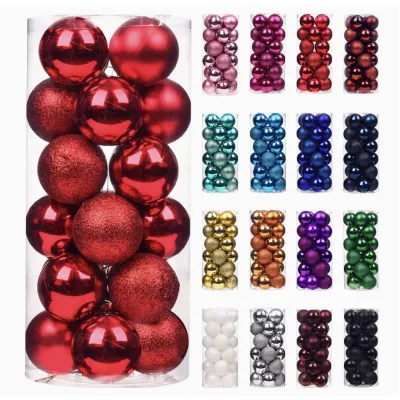
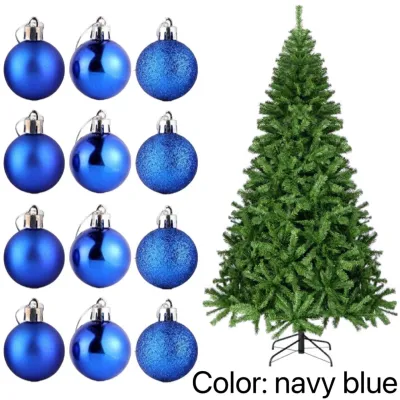
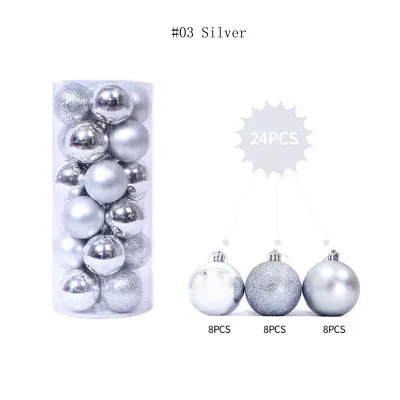
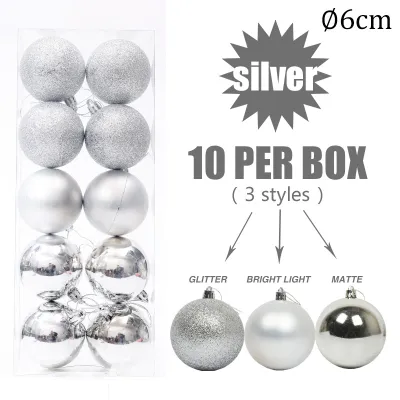
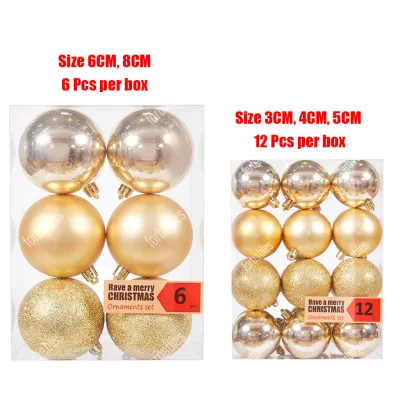
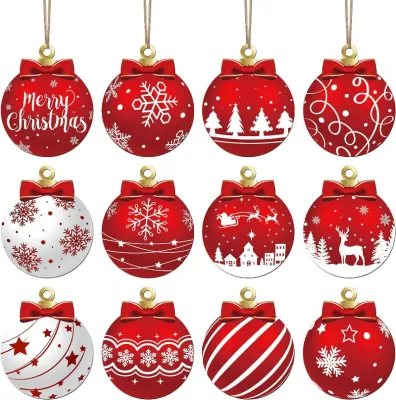
Prices are valid at publication and may change. Please refer to the product page for the latest price.
Red baubles act as the primary visual anchor in this design scheme. Because red is a highly dominant color, these ornaments will dictate the overall flow of your tree’s decor. Balancing them with warm-white string lights and green foliage ensures that the display feels festive and vibrant without overwhelming the living space.
Key Quality and Safety Factors to Evaluate
Evaluating the material build and safety of your red Christmas balls is essential for ensuring they last through the long holiday season and remain safe for everyone in the household. Traditional glass ornaments offer an elegant, high-end look with exceptional light clarity, but they are highly fragile. If you have young children, active pets, or high-traffic living areas, glass may pose a safety hazard due to the risk of shattering upon impact.

Shatterproof plastic ornaments, typically made from durable polymers like polystyrene or co-polyester, offer a practical and resilient alternative. These ornaments mimic the look of glass while resisting breakage if accidentally knocked off a branch. However, when buying plastic baubles, you should inspect them closely for visible mold seams, uneven paint application, or peeling finishes, which can detract from their overall appearance.
The hanging mechanism is another critical point of evaluation. Examine the top cap and hanging loop of each ornament to ensure they are securely attached to the body. Loose caps can easily slip off under the weight of the ornament, causing it to fall. Opt for ornaments with caps that are either tightly crimped or glued in place, and consider using sturdy metal S-hooks or green floral wire instead of flimsy threads for a more secure attachment to the branches.
Weight limits must also be considered, especially if you are decorating an artificial tree with flexible, delicate branches or a smaller tabletop tree. Heavy ornaments can cause branches to sag, making the tree look sparse and increasing the risk of ornaments sliding off. Lightweight shatterproof balls are generally safer for outer branch tips, while heavier glass or solid ornaments should be placed closer to the sturdy center trunk.
Finally, inspect the ornaments for sharp edges, loose glitter, or peeling paint before hanging them. Loose glitter can easily shed onto floors and furniture, posing a cleanup challenge and a potential eye irritant for pets. If you choose glittered ornaments, look for those with a clear topcoat that seals the glitter in place, reducing shedding while maintaining a festive sparkle.
Selecting Sizes and Shapes for Visual Depth
Creating a professionally styled Christmas tree requires a strategic mix of ornament sizes and shapes to build visual depth and eliminate flat spots. A common mistake is using ornaments of only one size, which can make the tree look uniform and uninteresting. By layering different dimensions, you can guide the viewer’s eye naturally from the bottom of the tree to the top.
Large red Christmas balls, typically measuring 80 millimeters to 100 millimeters or more, should be used as your anchor pieces. Position these larger ornaments deeper inside the branches and toward the lower third of the tree. This placement provides a solid visual foundation, fills larger empty pockets near the trunk, and prevents the tree from looking top-heavy.
Medium ornaments, ranging from 60 millimeters to 80 millimeters, are highly versatile and should make up the bulk of your collection. Place these along the middle sections of the branches to bridge the gap between the deep interior and the outer tips. Small ornaments, measuring 40 millimeters to 50 millimeters, are ideal for the delicate tips of the branches and for filling in small gaps near the top of the tree.
To add an extra layer of traditional elegance, incorporate varied shapes alongside standard spheres. Teardrops, finials, onions, and pinecone-shaped red ornaments break up the circular monotony and add architectural interest to the design. These classic shapes catch light differently than spheres, creating a more dynamic and sophisticated holiday display.
Comparing Finishes: Glossy, Matte, and Textured
The surface finish of your red Christmas balls plays a significant role in how your tree interacts with your indoor lighting setup. Glossy or mirror-finish ornaments are excellent for maximizing light reflection. They catch the glow of nearby fairy lights and bounce it across the room, making the entire tree appear brighter and more energetic. However, relying solely on glossy finishes can result in harsh glares and a chaotic visual effect.
Matte or satin finishes offer a sophisticated, velvety appearance that absorbs light rather than reflecting it. These ornaments provide a soft, understated elegance that helps ground the overall design. Matte red balls are perfect for creating areas of visual rest, allowing the eye to appreciate the rich color of the ornament without the distraction of bright reflections.
Textured, frosted, or glittered ornaments introduce a tactile dimension to your tree. These finishes catch light in a subtle, twinkling manner, mimicking the look of fresh frost or glistening sugar. While they add beautiful contrast, it is important to verify the quality of the textured coating to ensure it does not easily rub off during handling or storage.
For the most balanced and professional look, aim to mix these finishes strategically throughout the tree. A recommended starting ratio is roughly 40% glossy, 30% matte, and 30% textured or glittered ornaments. This combination ensures that your tree has plenty of sparkle and depth without looking overly busy or flat.
Shopping Checklist and Pre-Purchase Verification
Before purchasing your red Christmas balls, whether from physical retail stores or online marketplaces, a practical verification process will help you avoid common buying mistakes. First, verify the exact shade of red. Online product photos can often be misleading due to studio lighting and screen differences. Look closely at customer review photos to see how the ornaments look in real-world, domestic lighting environments to ensure they match your desired classic red theme.
Next, check the package counts and calculate the cost per piece in ₱. This helps you compare value accurately across different brands and packaging sizes. While larger bulk packs of plastic ornaments are often more budget-friendly, ensure that the quality of the caps and finishes is consistent across all pieces in the set.
If you are ordering fragile glass ornaments online, carefully review the seller’s return and refund policies regarding transit damage. Ensure the seller uses adequate protective packaging, such as molded plastic trays or individual bubble wrapping, to prevent breakage during shipping.
Bagging and storing your ornaments properly at the end of the season is crucial. The tropical climate and high humidity can take a toll on holiday decorations over time, leading to peeling paint, rusted metal caps, or degraded adhesives. Look for ornaments that come in sturdy, reusable storage boxes, or plan to invest in dedicated plastic storage containers with individual dividers to protect your investment for future holiday seasons.
Frequently Asked Questions (FAQ)
How many red Christmas balls do I need for a standard tree?
The number of ornaments you need depends primarily on the height and fullness of your tree, as well as your personal styling preferences. For a standard 6-foot artificial tree, a good baseline is approximately 60 to 80 ornaments for moderate coverage. If you prefer a highly dense, lush look, you may want to increase this count to 100 or 120 pieces.
You should also adjust this estimate based on other decorative elements you plan to use. If your tree is heavily decorated with wide ribbons, large parols, poinsettia picks, or thick garlands, you will need fewer red balls to fill the space. Conversely, if the red baubles are the primary decoration alongside simple string lights, you will need a higher quantity to ensure the tree looks complete.
How do I clean and store red Christmas balls after the holidays?
Proper cleaning and storage are essential for preserving the vibrant color and finish of your ornaments. Before packing them away, gently dust each ornament to remove accumulated dust and oils from handling. For glossy and matte finishes, a dry microfiber cloth works best to restore shine without scratching the surface. For textured or glittered ornaments, use a soft-bristled brush, such as a clean makeup brush, to gently sweep away dust without stripping the decorative coating.
When storing your ornaments, wrap fragile glass pieces individually in acid-free tissue paper or bubble wrap to prevent scratching and crushing. Avoid storing your ornaments in hot, unventilated spaces like attics or outdoor utility rooms, as the intense tropical heat and humidity can cause plastic ornaments to warp, paint to peel, and metal caps to tarnish. Instead, store them in a cool, dry, and dark closet inside your home to keep them looking pristine for the next Ber months.

Community discussion
Share your experience or ask a question. Comments are reviewed before publication.