
Selecting the right vintage wall light outdoor fixture for an exposed corridor in the Philippines requires prioritizing materials that can withstand relentless tropical moisture. Solid brass, copper, and heavy-duty cast aluminum finished with marine-grade powder coatings offer the highest resistance to rust and corrosion. While the aesthetic appeal of a classic lantern or industrial gooseneck sconce enhances your home’s exterior, the internal composition and protective finishes determine whether the fixture survives the local climate. To ensure long-term durability, you must look beyond the vintage styling and carefully evaluate the base metals, ingress protection ratings, and hardware quality before making a purchase.
Assessing the Environmental Impact on Outdoor Corridor Lighting
Exposed corridors in the Philippines face some of the most demanding weather conditions in the world, characterized by prolonged rainy seasons, intense tropical heat, and high ambient humidity. Unlike covered patios or deeply recessed entryways, an exposed corridor leaves wall-mounted light fixtures vulnerable to driving rain and wind-blown moisture. In coastal areas, this humidity is laden with salt, which acts as a powerful catalyst for chemical oxidation, rapidly degrading unprotected metal surfaces.
When moisture penetrates a decorative light fixture, it does not merely ruin the exterior finish. Water ingress can lead to rapid oxidation of internal wiring connections, socket corrosion, and eventual electrical short circuits. Over time, the combination of heat and moisture causes paint to bubble, clear coats to peel, and structural components to weaken, turning a beautiful vintage accent into a safety hazard.
Products mentioned in this guide
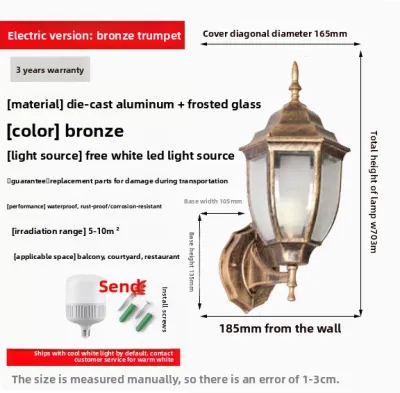
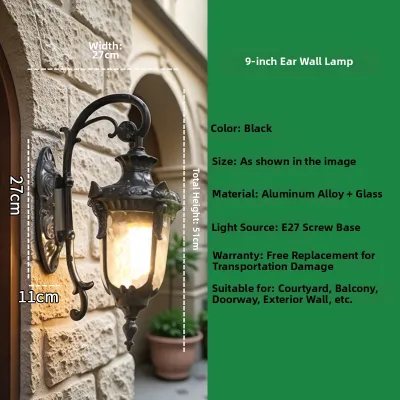
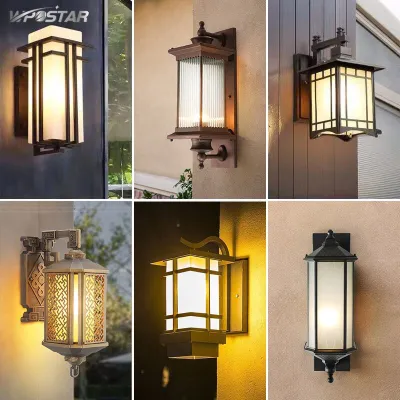
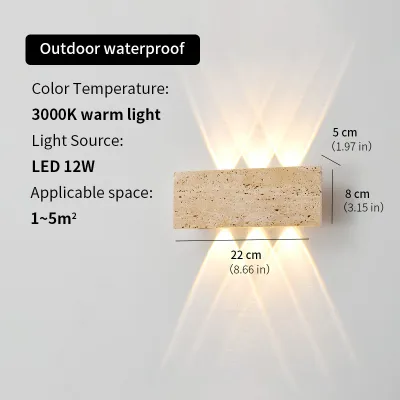

Prices are valid at publication and may change. Please refer to the product page for the latest price.
To prevent premature failure, you must understand the distinction between damp-rated and wet-rated environments. Damp-rated lights are designed for protected outdoor areas that experience moisture but are not directly exposed to rain, such as covered balconies or deep eaves. Wet-rated fixtures, on the other hand, are engineered to withstand direct water contact, including heavy downpours and driving rain. For exposed corridors, choosing a wet-rated fixture is an absolute necessity to ensure the internal electrical components remain dry and functional.
Evaluating Material Options for Vintage-Style Fixtures
When shopping for a vintage wall light outdoor fixture, the term “vintage” often refers to the visual style rather than the structural material. To find a fixture that resists rust, you must evaluate the base metal and its protective coatings. Solid brass and copper are highly recommended for wet environments because they do not contain iron, meaning they cannot rust in the traditional sense. Instead, these metals naturally develop a living patina over time, transitioning from bright metallic tones to deep bronzes or verdigris greens, which actually protects the underlying metal from further degradation.

If you prefer a finish that remains static rather than changing with the weather, high-quality cast aluminum with a factory-applied powder coating is an excellent alternative. Powder coating involves electrostatically applying a dry powder to the metal and curing it under heat to create a thick, durable barrier. This finish resists chipping, scratching, and UV degradation far better than standard liquid paint. However, you must verify that the manufacturer has applied a comprehensive rust-inhibiting primer beneath the powder coat to prevent moisture from creeping under the finish if the surface is scratched.
A common pitfall when selecting vintage-style lighting is overlooking the material of the mounting brackets, screws, and internal hardware. Even if the main lantern body is made of rust-resistant brass, cheap steel screws or backplates will quickly corrode when exposed to tropical humidity. This corrosion can cause unsightly rust streaks to run down your corridor walls and may eventually make it impossible to remove the fixture for maintenance. Always check the product specifications to ensure all installation hardware is made of stainless steel, solid brass, or other corrosion-resistant alloys.
Additionally, read product descriptions carefully to distinguish between solid metal construction and thin plating. Many budget-friendly vintage lights feature a steel or iron base metal that has been plated with a thin layer of brass, copper, or bronze. While these fixtures look identical to solid metal options out of the box, the thin plating quickly wears away or scratches, exposing the underlying iron to moisture and leading to rapid, destructive rusting. Look for terms like “solid brass” or “die-cast aluminum” rather than “brass finish” or “bronze-plated steel” to ensure you are buying a durable product.
Essential Specifications and Labels to Verify
To guarantee that a vintage wall light can handle the elements, you must verify its technical specifications rather than relying solely on marketing claims. The most reliable indicator of water resistance is the Ingress Protection (IP) rating. An IP rating consists of two numbers: the first indicates protection against solid particles like dust, and the second indicates protection against liquids. For exposed outdoor corridors, look for a minimum rating of IP44, though IP65 or higher is preferred for areas subjected to heavy, wind-driven rain.
Electrical compatibility and safety certifications are equally critical. In the Philippines, the standard residential electrical grid operates at 220V to 230V at 60Hz. You must verify that the fixture is rated for this voltage and compatible with your local wiring. Look for recognized safety certification marks on the product packaging or manufacturer specification sheets to ensure the fixture has undergone rigorous testing for electrical safety and insulation.
Beyond voltage, you must verify the physical compatibility of the fixture with your intended setup. Check the bulb base or interface (such as a standard E27 socket), the maximum wattage limit allowed by the manufacturer, and the physical dimensions of the fixture to ensure it fits your corridor space without obstruction. If you plan to use dimmable bulbs to adjust the corridor’s evening atmosphere, verify that the fixture’s internal wiring and your wall switches support your chosen dimming method.
Examine the physical construction of the fixture to identify how it seals out moisture. High-quality outdoor lights utilize durable silicone or rubber gaskets and O-rings at every joint, including where the glass enclosure meets the metal frame and where the backplate mounts to the wall. These seals must remain flexible over time to prevent water from seeping into the socket. Additionally, ensure the glass panels are securely sealed within the frame, as loose glass can allow driving rain to bypass the gaskets entirely.
Finally, review the manufacturer’s warranty terms before making your purchase. A reputable manufacturer of outdoor lighting will often provide a specific warranty covering the finish and structural integrity of the fixture in outdoor environments. Pay close attention to any exclusions, such as damage caused by coastal salt air or improper installation, as these clauses can give you a realistic indication of how well the manufacturer expects the product to perform in challenging tropical climates.
Installation Boundaries and Ongoing Maintenance
Installing outdoor lighting in wet or damp environments carries inherent electrical risks. Because water conducts electricity, any installation or replacement of fixed wiring must be approached with extreme caution. Always isolate the power at the main circuit breaker before touching any electrical components. Because exposed corridors are subject to direct rain, it is highly recommended to hire a qualified electrician to handle the installation, ensuring that all conduit connections, junction boxes, and wire splices are completely watertight and compliant with local electrical codes.
Once installed, maintaining your vintage wall light outdoor fixture is essential to prolonging its lifespan. Perform visual inspections at least twice a year, especially before and after the peak rainy season. Look for signs of moisture accumulation inside the glass enclosure, which indicates a failing gasket or seal. Check the mounting points and screws for early signs of surface corrosion, and inspect the metal body for any chips or scratches in the protective coating.
When cleaning the fixture, always follow the manufacturer’s instructions to avoid damaging the protective finishes. Use a soft, damp microfiber cloth and a mild, non-abrasive soap to gently wipe away dust, salt residue, and dirt. Never use harsh chemical cleaners, abrasive scrubbing pads, or high-pressure water sprays, as these can strip away clear coats, scratch powder-coated surfaces, and force water past the rubber gaskets into the electrical housing.
If you notice significant water pooling inside the fixture, cracked glass, or exposed wiring, turn off the power immediately at the breaker. Do not attempt to patch a severely corroded fixture with tape or silicone sealant if the structural integrity or electrical insulation has been compromised. In these situations, professional assessment or complete replacement of the fixture is necessary to prevent electrical shocks, short circuits, or fire hazards.
Frequently Asked Questions (FAQ)
Can I apply a clear rust-preventive spray to a new vintage wall light?
Applying an aftermarket clear rust-preventive spray to a new fixture is generally not recommended unless specifically approved by the manufacturer. Many high-quality vintage outdoor lights come with factory-applied clear coats or powder coatings designed to protect the metal. Introducing an aftermarket chemical spray can cause an adverse reaction, leading to clouding, bubbling, or peeling of the original finish. Furthermore, applying unauthorized coatings often voids the manufacturer’s warranty. If you wish to add an extra layer of protection, consult the manufacturer first, or consider using a gentle, non-reactive carnauba wax on non-painted metal surfaces as a temporary moisture barrier, provided the care instructions allow it.
Do vintage-style LED integrated fixtures offer better moisture resistance than bulb-based ones?
Integrated LED fixtures often provide superior moisture resistance because they are designed as sealed units with fewer physical entry points for water and dust. Without a traditional bulb socket or a removable glass cover, there are fewer gaskets that can degrade over time. However, this design comes with a significant trade-off: if the internal LED driver or diode fails due to a power surge or environmental stress, you cannot simply replace a bulb. Instead, the entire fixture must be uninstalled and replaced. Traditional socket fixtures, while requiring more diligent gasket maintenance to prevent water from entering the socket, allow you to easily swap out bulbs and customize the color temperature to suit your aesthetic preferences.
Community discussion
Share your experience or ask a question. Comments are reviewed before publication.