
Decorating a condo balcony for the holidays presents unique challenges, particularly when balancing limited space, strict property management rules, and a lack of convenient outdoor power outlets. Fortunately, investing in a high-quality solar christmas light outdoor system allows you to transform your compact outdoor area into a festive retreat without running unsightly extension cords through windows or increasing your electricity bill. By utilizing renewable solar energy, you can achieve a warm, inviting holiday display that operates automatically from dusk until dawn.
Selecting the ideal setup requires evaluating your balcony’s layout, environmental conditions, and aesthetic goals. Because high-rise environments present distinct challenges like wind tunnels and shaded corners, a generic lighting choice may fail to perform or survive the season. This comprehensive guide will help you assess your balcony’s constraints, select the most durable and visually appealing light styles, and install them safely without risking your security deposit.
Assessing Sunlight and Space Constraints on Your Balcony
Before purchasing any solar lighting system, you must evaluate the physical environment of your balcony to ensure the solar panels can charge effectively. High-rise buildings, neighboring towers, and architectural overhanging concrete ceilings frequently cast long shadows that block direct sunlight. Because solar panels require direct, unshaded sunlight to charge their internal batteries, you should observe your balcony’s sun exposure at different times of the day.
Products mentioned in this guide
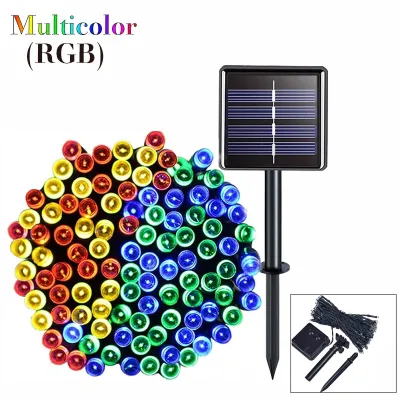
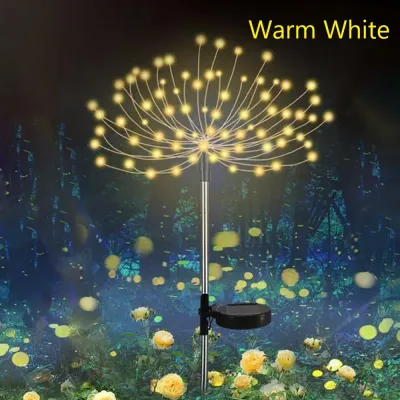
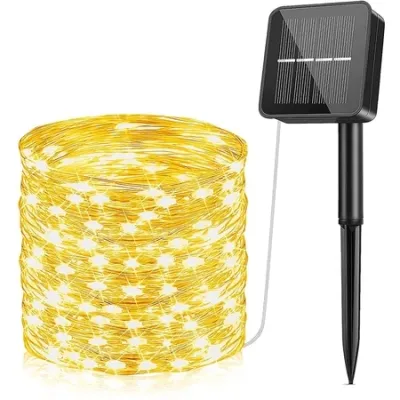
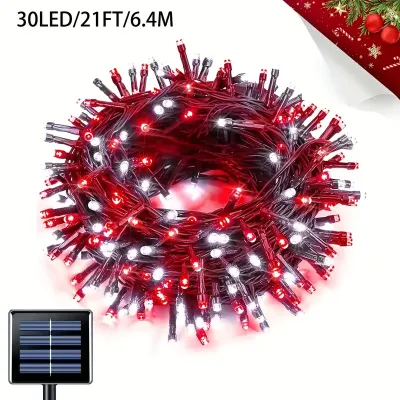
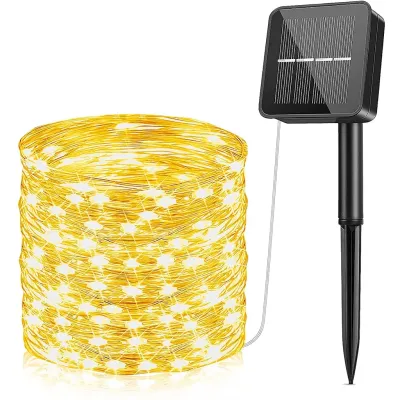
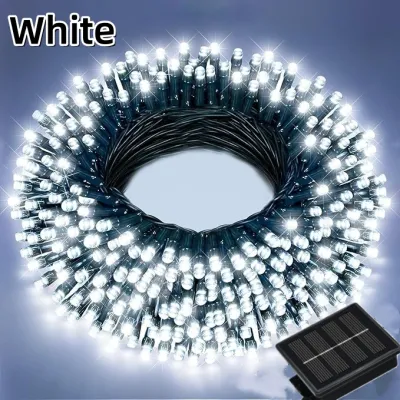
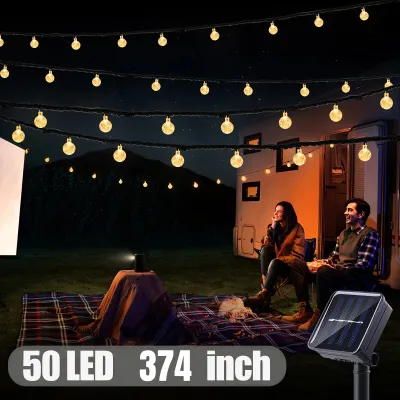
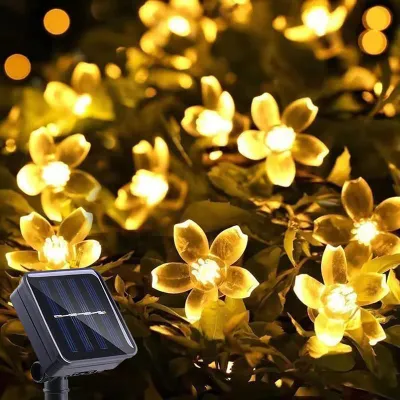
Prices are valid at publication and may change. Please refer to the product page for the latest price.
During the holiday season in the Philippines, which coincides with the cooler northeast monsoon (Amihan) season, the sun’s path shifts southward, altering how shadows fall across your building. A corner of your balcony that received ample sunlight in May might remain entirely shaded in December. If your balcony faces north or is heavily obstructed by adjacent condominiums, look for solar kits featuring generous lead wires, which allow you to place the solar panel in a sunny spot while keeping the actual light strands in a shaded area.
Accurate measurements are equally critical when planning your layout. Use a flexible measuring tape to map out the perimeter of your balcony railing, the frames of your sliding doors, or any overhead beams where you plan to drape the lights. In small condo spaces, shorter strands with closely spaced LEDs (typically 5 to 10 meters) create a much more cohesive, dense glow than a 20-meter strand wrapped loosely and sparsely. Overcrowding a small balcony with excessive wiring can make the space feel cluttered rather than cozy.
Finally, always consult your condominium’s Property Management Office (PMO) or homeowners’ association guidelines before purchasing decorations. Many high-rise developments enforce strict rules regarding exterior aesthetics, permissible hanging methods, and light curfews to maintain building uniformity and prevent safety hazards. For instance, some buildings strictly prohibit any items from hanging over the outer edge of the railing due to the risk of falling objects during high winds. Knowing these boundaries beforehand prevents costly fines and the hassle of dismantling your display.
Choosing Light Styles for a Warm Holiday Ambiance
Perceived color temperature is a matter of personal preference, but it heavily influences the spatial effect and coziness of a compact balcony. Warm white lights, typically ranging from 2700K to 3000K, emit a soft, golden glow that mimics traditional candlelight, making them ideal for creating an intimate, relaxing holiday escape. Cool white lights (5000K to 6500K) offer a modern, crisp look but can feel sterile or overly bright in a small, enclosed space, while vibrant multicolor options add a playful energy but require careful styling to avoid looking chaotic.

Selecting the right bulb and wire style also dictates how well the lights integrate into your balcony’s daytime appearance. Copper wire fairy lights are highly flexible, virtually invisible during the day, and can be wrapped tightly around thin metal balusters to create a delicate, starry effect. Globe string lights, such as G40-style bulb strands, provide a classic bistro-cafe aesthetic that visually extends your indoor living room outward. If you prefer a subtle, organic accent, micro LEDs can be woven through potted balcony plants or palms to highlight their natural shapes.
To maintain a relaxing ambiance without disturbing your neighbors, pay close attention to brightness and lumen output. Unlike spacious suburban backyards, a condo balcony concentrates light in a tight area directly adjacent to other residential units. High-lumen commercial strands can cause uncomfortable glare and light pollution. Opt for decorative accent lights that specify a soft, ambient glow, and check the LED count per meter to ensure the strand provides a balanced, festive shimmer rather than a harsh floodlight effect.
Evaluating Solar Christmas Light Outdoor Performance and Weather Resistance
Because your lights will remain outdoors throughout the holiday season, understanding Ingress Protection (IP) ratings is essential for electrical safety and product longevity. An IP rating consists of two digits: the first indicates protection against solid objects like dust, and the second indicates moisture resistance. For basic outdoor use under a semi-sheltered balcony, an IP44 rating is generally sufficient to protect against light rain and wind-blown dust. However, for fully exposed balconies subjected to heavy tropical downpours, look for IP65 or IP67 ratings, which ensure the units are completely dust-tight and resistant to high-pressure water jets.
Solar panels are available in two primary configurations: integrated panels built directly into the light housing, and separate, stake-mounted panels connected by a lead wire. Integrated panels are compact but limit your placement options, forcing you to position the lights where the sun hits. Separate panels are highly recommended for shaded balconies because they offer the flexibility to mount the solar collector on the sunniest corner of your railing while allowing the decorative light strands to remain draped in the shade.
When comparing solar kits, look for specifications detailing the solar panel type and battery capacity. Monocrystalline solar panels are highly efficient (typically 15% to 20% conversion rate) and perform better in low-light or overcast conditions than cheaper polycrystalline panels. Additionally, check the battery capacity, measured in milliampere-hours (mAh). Lithium-ion (Li-ion) or Lithium Iron Phosphate (LiFePO4) batteries charge faster and offer longer runtimes than older Nickel-Metal Hydride (NiMH) batteries, ensuring your lights can reliably shine for 6 to 8 hours on a full charge.
+-----------------------+-------------------------+----------------------------------+
| Feature               | Monocrystalline Panels  | Polycrystalline Panels           |
+-----------------------+-------------------------+----------------------------------+
| Efficiency Rate       | High (15% - 20%)        | Moderate (13% - 16%)             |
| Low-Light Performance | Superior on cloudy days | Reduced efficiency under clouds  |
| Average Price Band    | Mid to High             | Budget-friendly                  |
+-----------------------+-------------------------+----------------------------------+
The tropical climate of the Philippines presents unique material challenges, including intense UV exposure, high humidity, and salty air in coastal areas like Metro Manila or Cebu. Standard plastic wiring can degrade, crack, and short-circuit under constant sun and rain. Prioritize solar lights constructed with UV-resistant rubber or heavy-duty PVC cabling, and ensure any metal components, mounting brackets, or screws are rust-proof, brass, or powder-coated to prevent corrosion.
Damage-Free Installation and Safety Tips
To protect your security deposit and preserve your balcony’s finishes, avoid drilling holes into concrete walls, exterior ceilings, or aluminum window frames. Instead, utilize renter-friendly, damage-free mounting solutions. Heavy-duty, outdoor-rated adhesive hooks designed to withstand humidity and temperature fluctuations are excellent for hanging light strands along walls. For metal or glass railings, UV-resistant zip ties provide a secure, non-destructive hold, while adjustable tension rods can be wedged between walls to hang lights overhead without any permanent fasteners.
High-rise condo balconies are prone to sudden, strong wind gusts, especially during the monsoon season. Loose, dangling light strands can whip violently against glass sliding doors, causing damage or tangling into a hazardous mess. To prevent this, weave your light strands tightly through the vertical balusters of your railing, or secure them at regular 30-centimeter intervals using zip ties. Ensure the solar panel mounting bracket is tightly clamped, bolted, or weighted down so it cannot be dislodged by strong winds.
Proper cable management is also vital to keep your small balcony safe and functional. Keep all walkways completely clear of loose wires to eliminate tripping hazards. Since balconies are damp environments where water can pool during heavy rains, always keep the solar panel’s battery housing and any wire connectors elevated off the floor. Although solar lights operate on safe, low-voltage direct current (DC), always inspect the wires for fraying or damage before installation. If your solar kit includes an optional plug-in adapter for indoor backup charging, ensure the power source is isolated and dry before plugging it in, and consult a qualified professional for any custom electrical setups.
Frequently Asked Questions (FAQ)
Do solar Christmas lights work on cloudy or rainy days?
Yes, solar panels can still charge during overcast or rainy weather, but at a significantly reduced efficiency. On highly cloudy days, the panel may only receive indirect ambient light, resulting in a shorter nighttime runtime and dimmer illumination. To mitigate this, choose models with larger battery capacities or those that offer a hybrid USB charging option for consecutive rainy days.
Can I leave solar fairy lights outside all year round?
While high-quality weather-resistant solar lights (IP65 or higher) can physically endure year-round outdoor exposure, it is not recommended for maximum longevity. Constant exposure to intense tropical sunlight and heavy rain accelerates the degradation of plastic insulation and reduces battery lifespan. Storing your lights indoors after the holiday season ends will significantly extend their usable life.
How do I clean the solar panel on my balcony?
Dust, soot from city traffic, and bird droppings form a film over the solar panel, blocking sunlight and reducing charging efficiency. Clean the panel every few weeks by gently wiping the surface with a soft, damp microfiber cloth. Avoid using abrasive scrubbing pads or harsh chemical cleaners, as these can scratch or cloud the protective plastic cover, permanently reducing its ability to absorb light.
Community discussion
Share your experience or ask a question. Comments are reviewed before publication.