
To transform a compact condo bedroom into a peaceful, cozy sanctuary, lighting is your most powerful tool. Solar curtain lights offer an elegant, energy-efficient way to introduce soft, ambient illumination without adding to your monthly electricity bill. However, selecting the right set for an indoor condo environment requires careful planning. Unlike traditional outdoor garden installations, setting up solar lights inside a high-rise home involves balancing spatial constraints, light exposure, and technical compatibility to achieve the perfect relaxing atmosphere.
By focusing on key factors such as spatial dimensions, color temperature, and charging versatility, you can select a lighting setup that perfectly complements your condo’s layout. This guide walks you through evaluating your space, matching technical specifications to your desired vibe, overcoming solar charging hurdles in high-rise buildings, and installing your lights safely without risking your rental deposit.
Assessing Your Condo Bedroom's Space and Light Access
Before purchasing any lighting fixtures, it is essential to evaluate your specific condo layout and spatial limitations. The primary goal of installing curtain lights is to establish a warm, relaxing retreat where you can wind down after a long day in the city. In a compact bedroom, lighting should enhance the room’s depth rather than overwhelm it or create visual clutter.
Products mentioned in this guide
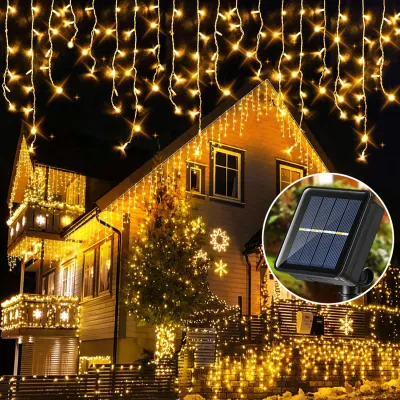
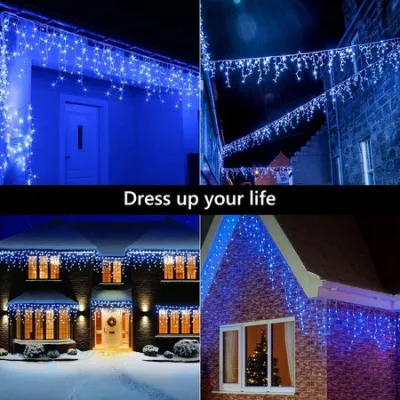
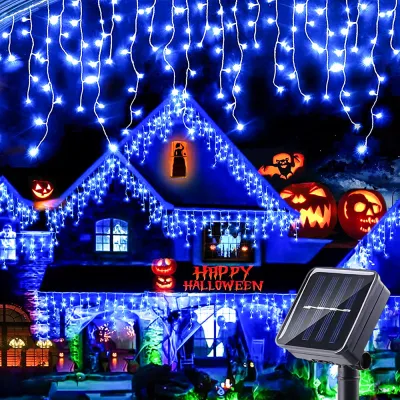
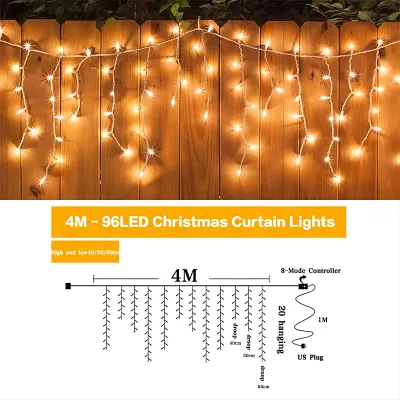
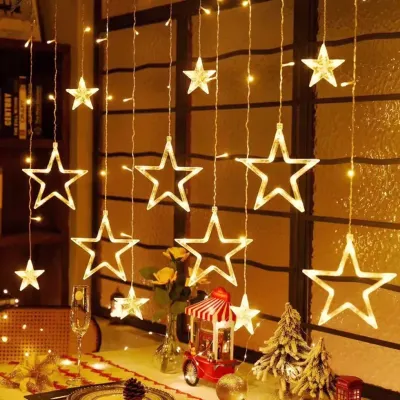
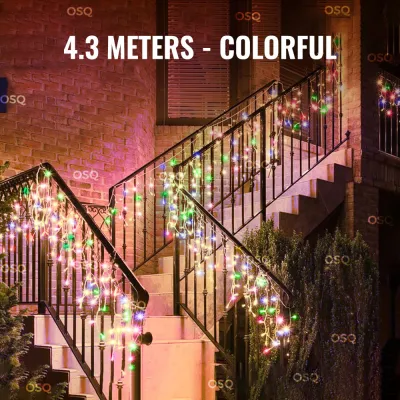
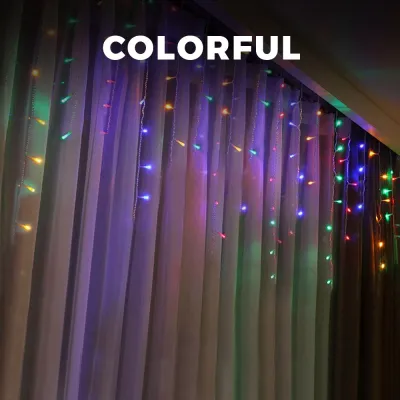
Prices are valid at publication and may change. Please refer to the product page for the latest price.
Start by taking precise measurements of the area where you plan to hang the lights. Whether you intend to drape them over a window, along an accent wall, or behind your headboard, knowing the exact width and height of the target surface prevents you from buying a string that is either too sparse or excessively bunched up. A light string that is too wide for your window will gather awkwardly at the corners, while one that is too long will pool on the floor, creating both a tripping hazard and a messy aesthetic.
Next, analyze the sunlight patterns in your bedroom. Solar panels require direct exposure to solar radiation to charge their internal batteries. Take note of which direction your windows or balcony face. In the Philippines, east-facing units receive strong morning sun, while west-facing units benefit from intense afternoon rays. If your bedroom windows face a narrow airwell, a shaded courtyard, or are closely blocked by an adjacent high-rise tower, your solar panel will receive limited direct light.
You must also consider the local tropical climate. The Philippines experiences distinct seasons, characterized by bright, sunny days interspersed with prolonged rainy periods, typhoons, and overcast skies, particularly during the southwest monsoon season. These weather shifts directly affect solar charging efficiency. On cloudy or rainy days, a standard solar panel may not receive enough sunlight to fully charge, resulting in dim lights or a significantly reduced operating time at night. Recognizing these environmental factors early on highlights the importance of selecting a solar system with adaptive features, such as backup charging options, to ensure consistent ambiance year-round.
Matching Light Specs to a Cozy Bedroom Vibe
Achieving a cozy, inviting bedroom atmosphere relies heavily on choosing the correct technical specifications. Selecting the wrong color temperature or brightness level can easily turn a relaxing sanctuary into a space that feels clinical, harsh, or visually exhausting.

Color Temperature and Brightness
When shopping for solar curtain lights, prioritize warm white color temperatures, which typically range between 2700K and 3000K. This temperature range emits a soft, golden glow that mimics traditional incandescent bulbs or candlelight. Warm light helps signal to your brain that it is time to rest, making it a highly suitable choice for a bedroom environment.
In contrast, avoid cool white or daylight tones, which generally sit above 5000K. These cooler temperatures contain higher levels of blue light, which can suppress melatonin production and keep you feeling alert and stimulated when you should be winding down. While cool white is excellent for task-oriented spaces like kitchens or home offices, it is counterproductive for bedroom relaxation.
Additionally, pay close attention to LED density and brightness. The number of LEDs on a curtain light string determines its overall visual impact. A moderate density—such as 100 to 200 LEDs spread across a two-meter width—provides a delicate, starry effect that is highly suited for small condo bedrooms. Avoid ultra-high-density commercial strings, as they can emit excessive brightness and generate subtle heat, making a small room feel uncomfortably intense. If possible, look for models that feature dimming capabilities or multiple brightness settings. This allows you to adjust the intensity using a remote control, ensuring the light remains soft and soothing.
Length and Drop Dimensions
Curtain lights come in various standard dimensions, typically specified by their horizontal width and vertical drop length. Common sizes include 2 meters by 2 meters, or 3 meters by 3 meters. To select the right fit, compare these specifications directly with your measured wall or window dimensions.
When planning the vertical drop, always leave a safety gap of at least 10 to 15 centimeters between the bottom of the light strands and the floor or window sill. In the Philippines, high outdoor humidity combined with indoor air conditioning often causes condensation to collect on bedroom window panes and sills. Allowing the bottom LEDs or wire ends to rest continuously on these damp surfaces increases the risk of moisture entering the light housing, which can cause premature corrosion or electrical short circuits. Keeping the lights slightly elevated also prevents them from getting tangled in bedding, curtains, or vacuum cleaners.
If your condo features unconventional window shapes, low ceilings, or a sloped loft layout, look for modular or adjustable curtain light designs. Some models allow you to safely trim the wire ends to a custom length, or feature detachable strands that let you customize the width. Always check the manufacturer’s instructions before attempting to cut or alter any wires, as unauthorized modifications can compromise the product’s weatherproofing and void its warranty.
Solving the Solar Charging Challenge in Condos
Using solar-powered decor inside a high-rise condo presents unique logistical challenges. Unlike a spacious suburban backyard, a condo bedroom is bounded by concrete walls, shared structures, and limited outdoor access. Overcoming these hurdles requires a strategic approach to solar panel placement and power management.
First, understand that solar panels require a direct, unobstructed line of sight to the sun. Placing a solar panel behind indoor window glass significantly reduces its charging efficiency. Modern condo windows often feature tinted, double-glazed, or low-emissivity (low-E) glass designed to filter out heat and ultraviolet rays. While this keeps your unit cool, it also blocks the specific light wavelengths needed to charge solar batteries. Therefore, mounting the solar panel indoors behind a window pane rarely yields a full charge, even on sunny days.
To solve this, look for solar curtain lights that feature a long, detachable extension cable connecting the light string to the solar panel. A cable length of 3 to 5 meters is usually ideal. This generous length allows you to hang the decorative light string inside your bedroom while routing the thin wire through a window gap or balcony door to mount the solar panel outside.
When mounting the panel on an outdoor balcony railing or exterior wall, you must prioritize weather resistance and safety. Verify that the solar panel and its integrated battery housing carry an Ingress Protection (IP) rating of IP65 or higher. An IP65 rating ensures the unit is completely dust-tight and protected against water jets, allowing it to withstand intense tropical downpours and high humidity without failing.
Furthermore, because of the seasonal weather variations in the Philippines, it is highly recommended to choose a solar light system that features dual-charging capabilities. These systems include a USB or micro-USB port on the solar panel or battery control box, allowing you to detach the unit and charge it using a standard wall adapter or power bank. During the rainy season, when consecutive days of heavy cloud cover prevent solar charging, you can simply bring the battery pack indoors, plug it in for a few hours, and maintain your bedroom’s cozy ambiance without relying on the sun.
Rental-Friendly Installation and Safety
For many condo dwellers, keeping a security deposit intact is a major priority. This means permanent modifications, such as drilling holes into concrete walls or window frames, are out of the question. Fortunately, there are several highly effective, damage-free installation methods available.
To hang your curtain lights without tools or screws, consider using a tension rod. You can easily fit a tension rod inside your window frame and drape the main horizontal strand of the curtain lights along it. Alternatively, heavy-duty clear adhesive hooks are an excellent solution for painted walls or glass surfaces. When using adhesive hooks, always clean the surface with rubbing alcohol first to ensure proper adhesion, and strictly follow the manufacturer’s specified weight limits to prevent the hooks from falling and damaging the lights.
Cable management is equally important in small bedrooms where space is at a premium. Loose, dangling wires not only look untidy but also present a serious tripping hazard in tight walkways. Use small, clear adhesive wire clips or reusable hook-and-loop cable ties to secure the lead wire along the edge of your window frame, baseboards, or curtain tracks. This keeps the installation neat, streamlined, and safe.
Safety must always remain your top priority, particularly when dealing with electrical components and high-rise structures. If you are mounting your solar panel on an outdoor balcony railing, ensure it is mechanically secured using heavy-duty, UV-resistant zip ties, mounting brackets, or clamps. During typhoons or periods of high winds, unsecured panels can easily be blown off, posing a severe hazard to properties and pedestrians below. If you need to route cables through windows, ensure the wire is not pinched or crimped by the window frame, as this can wear down the protective insulation over time. Always read the manufacturer’s safety manual before installation, and if your setup requires any complex wiring or integration with damp outdoor areas, consult a qualified professional to ensure compliance with local electrical safety standards.
Styling Ideas to Maximize Small-Space Ambiance
Once you have selected the right lights and planned your installation, you can use creative styling techniques to maximize the visual appeal of your small condo bedroom.
One of the most effective styling methods is the layering technique. Instead of hanging the curtain lights directly against a bare window, place them behind a set of sheer, semi-transparent, or voile curtains. The delicate fabric acts as a natural diffuser, softening the individual LED points into a gentle, dreamy glow. This technique also cleverly hides the copper or silver wires during the day, maintaining a clean, minimalist look when the lights are turned off.
If your bed is the focal point of your room, try framing your headboard with the curtain lights. You can drape the lights along the wall directly behind your bed frame, creating a stunning illuminated backdrop. In a studio condo where the bedroom area is not physically separated from the living space, this styling choice helps visually define the sleeping zone, making it feel distinct, cozy, and private.
For units with limited wall space, consider creating a reading nook accent. Use a shorter curtain light set to highlight a small window seat, a corner armchair, or a compact vanity desk. By illuminating a specific corner of the room, you introduce depth and layers of light, which visually expands the perception of the entire space, making your compact condo feel much larger and more dynamic.
Frequently Asked Questions (FAQ)
Do solar curtain lights work in a condo without direct balcony access?
Solar panels require direct, unobstructed sunlight to charge their internal batteries efficiently. If your bedroom window faces a shaded courtyard, a narrow alley, or another high-rise building that blocks the sun, a standard solar panel will not receive enough light to function properly. For units without direct sun access, it is best to choose solar curtain lights that feature a dual-charging system. This allows you to charge the battery pack indoors via a USB port, ensuring you can still enjoy the cozy ambiance regardless of your unit’s orientation.
Can I leave the solar panel outside on my condo balcony year-round?
Yes, you can leave the solar panel outdoors year-round, provided it has an appropriate weather-resistance rating of IP65 or higher to withstand heavy tropical rains and high humidity. However, regular maintenance is essential. In urban areas like Metro Manila, dust, soot, and pollution can quickly accumulate on the panel’s surface, blocking sunlight and reducing charging efficiency. Wipe the panel clean with a damp, soft cloth every few weeks. Additionally, always check your condo association’s guidelines regarding exterior balcony modifications to ensure your mounting setup complies with building rules.
Community discussion
Share your experience or ask a question. Comments are reviewed before publication.