
Condominium balconies offer a private slice of the outdoors, but their deeply recessed designs and overhead concrete slabs often block direct sunlight. This makes standard all-in-one solar fixtures highly impractical, as the integrated panel remains shaded and unable to charge. Choosing solar lights with panel separation solves this issue by allowing you to mount the light fixture deep within your cozy seating area while placing the charging panel on the outer railing where it can capture maximum sunlight.
To find the ideal setup for your compact outdoor space, you must balance physical dimensions, cable routing, and local weather conditions. By evaluating your balcony’s layout and understanding how to securely install these systems without violating building policies, you can create a beautifully lit retreat that charges efficiently every day.
Assessing Balcony Dimensions and Sunlight Availability
Before purchasing any lighting system, you need to map out the physical boundaries of your balcony. Use a standard measuring tape to record the usable floor width, the height of the walls, and the thickness of your railing. These measurements define your clear mounting zones, helping you identify exactly where a light fixture can hang and where the solar panel can be securely positioned.
Products mentioned in this guide
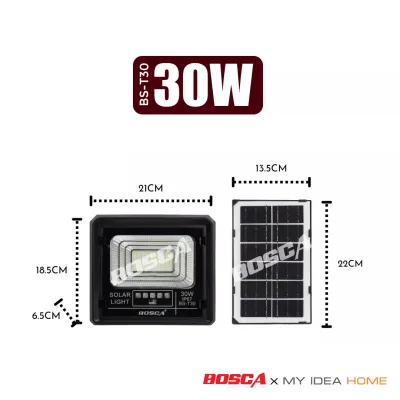
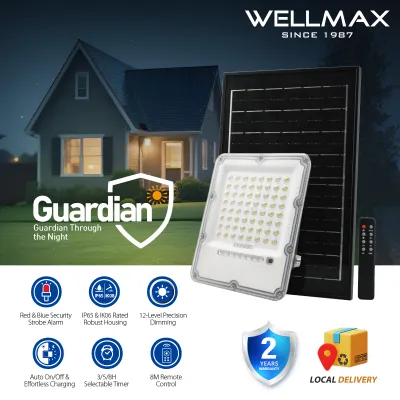
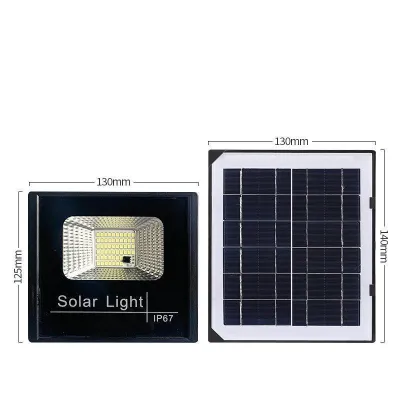
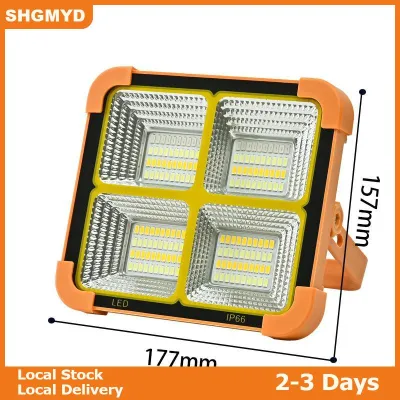
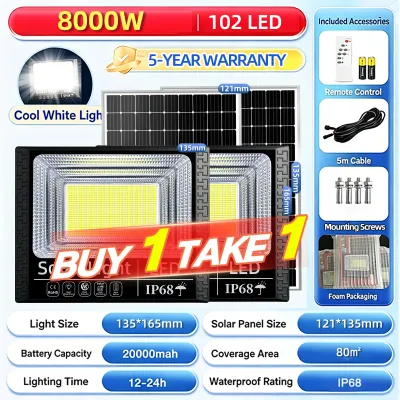
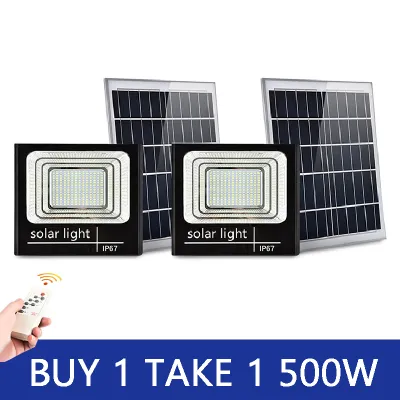
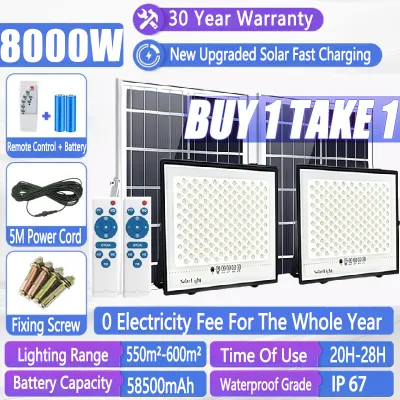
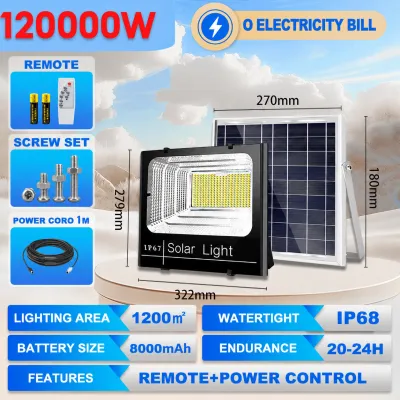
Prices are valid at publication and may change. Please refer to the product page for the latest price.
Next, observe how sunlight moves across your balcony over the course of a typical day. Because high-rise buildings and neighboring towers frequently cast long shadows, you must track the exact hours of direct, unobstructed sunlight your balcony receives. The separate solar panel needs to be positioned in the specific zone that gets the most consistent exposure, which is usually the outermost edge of the railing or the upper corner of an open sidewall.
When planning these positions, watch out for common spatial errors that can make your balcony feel cramped or unsafe. For instance, failing to account for the swing radius of your balcony door can lead to the door repeatedly striking a wall-mounted light fixture. Similarly, placing fixtures or panels where they protrude into narrow walkways can create physical obstructions, making it difficult to move chairs or plants.
You must also account for overhead and surrounding obstructions that limit solar charging throughout the year. Roof overhangs, deep structural beams, and even dense foliage from nearby trees can severely restrict the amount of solar energy reaching your panel. Identifying these obstacles early allows you to adjust your expectations and choose a panel placement that avoids permanent shadows.
Matching Panel and Fixture Specifications to Your Space
A successful installation relies on matching the physical footprint of both the light fixture and the solar panel to your available space. In a small condo balcony, a massive solar panel can look visually overwhelming and crowd the railing, while an oversized light fixture can dominate a small wall. Check the product specifications for the exact dimensions of both components to ensure they fit harmoniously within your measured mounting zones.

The distance between your shaded seating area and the sunlit railing dictates the required length of the connecting cable. Always verify the included cable length before finalizing your purchase to ensure it can safely bridge this gap without being stretched tight. A cable that is too short will force you to place the light fixture closer to the edge than desired, while an excessively long cable will require careful management to keep the excess wire tidy.
Because condo balconies in tropical climates are highly exposed to the elements, including intense humidity and heavy seasonal rains, verifying the weather resistance of your lights is critical. Look for an Ingress Protection (IP) rating, which indicates how well the enclosure protects against dust and water. For outdoor balcony use, a rating of at least IP65 is highly recommended to ensure the system can withstand heavy downpours and persistent moisture without short-circuiting.
When reviewing the technical specifications, verify the electrical certification, voltage compatibility, and interface types of the system. Ensure the wattage limits and dimming methods align with your lighting preferences, as decorative styles and color temperatures are highly subjective choices rather than universal performance standards. Finally, review the battery capacity and expected runtime of the light relative to your daily sunlight hours to ensure the system’s power specifications align with your realistic charging window.
Selecting Space-Saving Light Designs for Compact Layouts
Maximizing a small balcony requires choosing light designs that do not consume valuable floor space. Wall-mounted sconces or compact bulkhead lights are excellent choices because they utilize vertical wall surfaces, leaving your floor completely clear for seating or small potted plants. These fixtures provide focused or ambient downlighting that makes the space feel larger and more inviting.
Another space-saving approach involves utilizing your balcony’s vertical boundaries with railing-mounted brackets or hanging hooks. By securing the light fixtures directly to the railing or hanging them from overhead hooks, you keep the central walkway clear while maintaining an unobstructed outward view. This setup is particularly effective for keeping the light source at eye level without adding physical clutter to the floor.
For a softer, more decorative atmosphere, consider compact string lights powered by a single, remote solar panel. These flexible strands can be woven along the railing or draped across a wall, providing even, low-intensity ambient lighting across the entire perimeter of the balcony. Because the string itself is lightweight and low-profile, it adds minimal visual weight to a tight layout.
Conversely, you should generally avoid large floor-standing lamps or bulky, industrial-style spotlights. Floor lamps take up precious square footage in narrow layouts and are easily tipped over by strong winds, while oversized spotlights can produce harsh, glaring light that ruins the cozy ambiance of a small outdoor space. Stick to low-profile, wall-hugging, or suspended designs to keep your balcony functional and comfortable.
Navigating Condo Rules and Safe Mounting Practices
Living in a condominium means your design choices must align with building management guidelines. Before purchasing or installing any solar lighting system, review your building’s homeowner association rules regarding exterior drilling, hanging items, and facade alterations. Many properties strictly prohibit drilling into exterior walls or railings to preserve the building’s structural integrity and uniform aesthetic.
If drilling is prohibited, you can utilize non-destructive mounting alternatives that secure your fixtures without causing permanent damage. Heavy-duty, outdoor-rated double-sided adhesives or damage-free mounting tapes work well for lightweight wall fixtures on smooth surfaces. For the solar panel and railing lights, tension-based clips, zip ties, or adjustable screw-clamp brackets can provide a secure hold without leaving a mark.
Properly securing loose cables is another critical safety step, especially in high-rise environments prone to strong winds and heavy rains. Loose, dangling wires not only present a serious tripping hazard in a small space but can also whip around during storms, potentially damaging the connectors or the fixtures themselves. Use outdoor-rated cable clips or UV-resistant zip ties to secure the wire tightly along the railing or wall joints.
For any installation involving work at height, suspended loads, or routing wires near damp areas, always prioritize safety by isolating the power during setup, following the manufacturer’s installation instructions precisely, and consulting a qualified professional if you are unsure about the structural stability. If you encounter any structural conflicts or load-bearing walls that resist mounting, stop the installation immediately and consult your building’s maintenance team.
Frequently Asked Questions (FAQ)
How do I clean the solar panel if it is mounted outside the balcony railing?
To maintain optimal charging efficiency, you should periodically clean the solar panel using an extendable soft duster or a microfiber flat mop. This allows you to wipe away dust, pollen, and rain spots from a safe distance without having to lean over the balcony railing. Avoid using harsh chemical cleaners or abrasive scrubbing pads, as these can scratch or degrade the panel’s protective tempered glass or plastic coating. Always prioritize your personal safety; if the panel is positioned in a completely inaccessible spot, do not attempt to reach it yourself and instead seek professional assistance.
Can I extend the cable between the solar panel and the light fixture?
Before attempting to modify the wiring, check the manufacturer’s specifications and warranty terms, as cutting or splicing the cable often voids your warranty. Extending the cable introduces the risk of a voltage drop over the longer distance, which can significantly reduce the charging efficiency and prevent the battery from fully charging. If the manufacturer explicitly permits extensions and offers compatible extension cables, always use those official accessories. If you must splice a cable, ensure you use proper outdoor-rated, waterproof connectors to prevent moisture from entering the wire and causing a short circuit.

Community discussion
Share your experience or ask a question. Comments are reviewed before publication.