
Selecting the right solar security lights for your home in the Philippines is a practical way to enhance home security while utilizing abundant tropical sunlight. To find the most reliable option, you must look beyond basic designs and focus on weatherproofing, battery capacity, and motion sensor accuracy.
By understanding how to evaluate these key specifications, you can choose fixtures that withstand heavy monsoon rains and keep your property illuminated throughout the night. This guide will help you navigate the technical details and installation requirements to secure your home effectively.
Quick Answer: What to Look for in Solar Security Lights
The ideal solar security light for a home in the Philippines must balance brightness, sensor responsiveness, and battery capacity to withstand local tropical conditions. Because our climate features intense sunlight followed by heavy monsoon rains and typhoons, a reliable fixture requires a high weather-resistance rating and a durable housing material. Rather than searching for a single universal model, you should evaluate options based on where you plan to mount them and what security purpose they will serve.
Products mentioned in this guide
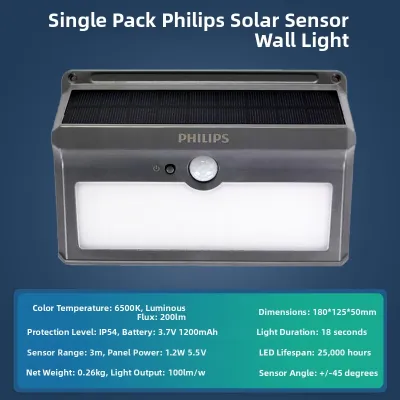
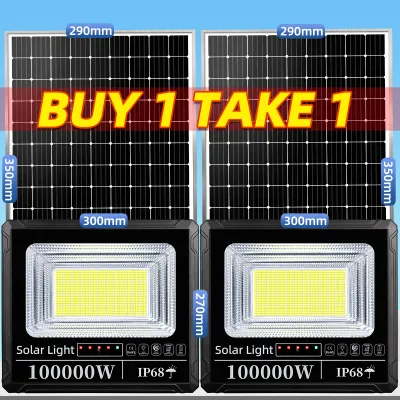
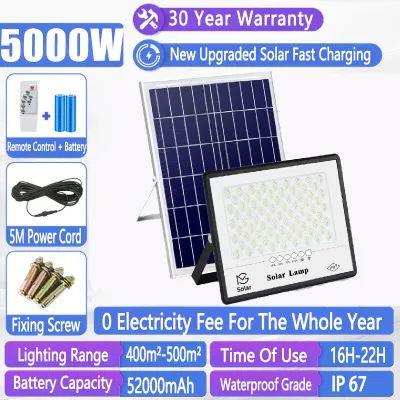
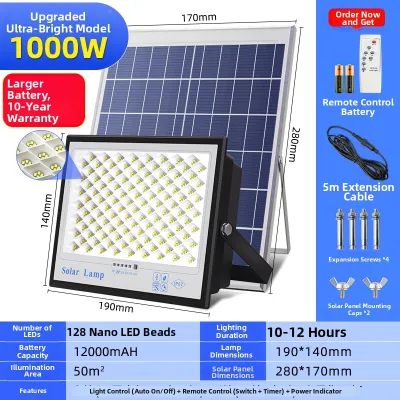
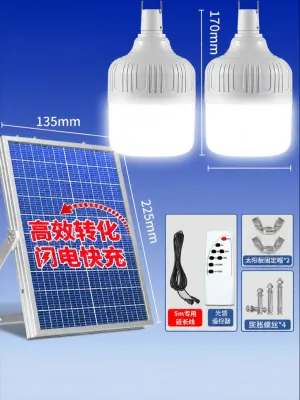
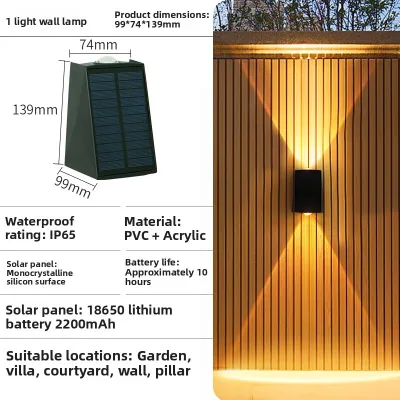
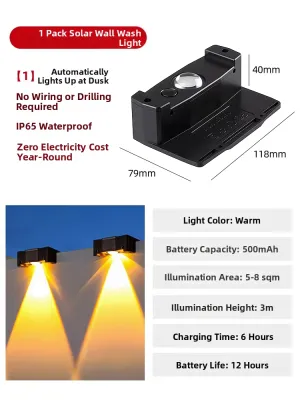
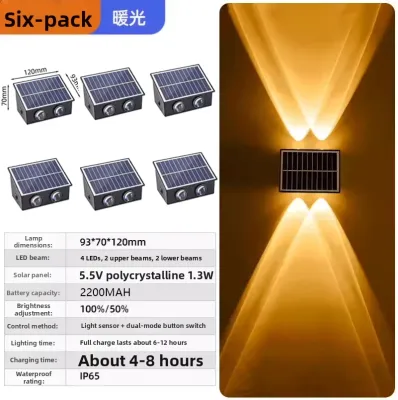
Prices are valid at publication and may change. Please refer to the product page for the latest price.
To make an informed decision, look for clear specifications on the product packaging or manufacturer documentation. A high-quality light should offer sufficient lumen output for your target area, a responsive motion sensor that minimizes false triggers, and a battery capable of powering the light through consecutive overcast days. Always verify that the product carries recognized electrical safety certifications and weatherproofing labels before making a purchase.
Key Specifications to Check on the Product Label
When shopping for solar security lights, the product label is your most reliable source of information. Understanding how to read these specifications will help you avoid underpowered or fragile fixtures that cannot handle local environmental demands.

Brightness and Coverage Lumen output measures the total amount of visible light emitted by a source. For general security purposes, such as illuminating a dark side alley or a backyard perimeter, look for fixtures that specify their lumen output rather than relying on vague marketing terms. A wider beam angle, often ranging from 120 to 270 degrees, ensures that the light spreads across a broader area, reducing blind spots around your property boundaries.
Battery and Runtime The battery is the heart of any solar lighting system, storing energy collected during the day to power the LEDs at night. Look for labels that specify the battery chemistry, such as Lithium Iron Phosphate (LiFePO4) or Lithium-ion, which generally offer better thermal stability and longer lifespans in hot climates. The capacity, measured in milliampere-hours (mAh), should be large enough to sustain the light through the night, especially when frequent motion triggers occur.
Motion Sensor Types Most solar security lights utilize Passive Infrared (PIR) sensors, which detect changes in heat signatures caused by moving people or animals. PIR sensors are highly effective for residential security because they ignore wind-blown debris or falling leaves, reducing unnecessary battery drain. Some advanced models feature microwave sensors, which emit high-frequency signals to detect movement; while highly sensitive and capable of sensing motion through thin barriers, they may be more prone to false alarms in dense foliage.
Weather Resistance Given the heavy downpours and high humidity experienced throughout the country, weatherproofing is non-negotiable. Check the Ingress Protection (IP) rating on the label, which consists of two digits. The first digit indicates protection against solid particles like dust, while the second indicates water resistance. For outdoor security lights exposed to direct rain, an IP65 rating or higher is recommended to prevent moisture from penetrating the casing and damaging the internal circuitry.
Choosing the Right Light for Different Outdoor Areas
Different zones of your property require distinct lighting strategies to maximize security without causing unnecessary glare or disturbing your neighbors. Matching the fixture style to the specific location ensures optimal performance and energy efficiency.
Main Gates and Driveways Your primary entry points require high-intensity illumination and wide detection ranges to deter intruders and provide clear visibility when you arrive home. For these areas, consider multi-head solar floodlights with adjustable panels and light heads. These fixtures allow you to direct the light precisely where it is needed most, such as the gate lock and the driveway path, while positioning the motion sensor to cover the entire approach zone.
Pathways and Garden Steps For walkways and garden steps, the primary goal is safety and navigation rather than intense security deterrence. Lower-brightness fixtures, such as solar wall sconces or low-profile step lights, are ideal here. Look for models with close-range sensors that activate a soft glow when you approach, preventing harsh glare that can temporarily blind you or create deep, disorienting shadows along the path.
Backyards and Blind Spots Vulnerable perimeters, such as dark corners behind the house or areas near windows, benefit from highly sensitive motion-activated floodlights. These fixtures should be mounted high enough to prevent tampering but angled downward to cover the blind spots. Choosing a model with a separate solar panel connected by a long cable allows you to place the light in a shaded backyard corner while mounting the panel on a sunny roofline.
Wall-Mounted vs. Stake Lights The structural constraints of your property boundaries will dictate whether you should choose wall-mounted or stake lights. Wall-mounted fixtures offer permanent, secure installation on concrete walls, wooden siding, or hollow blocks, making them excellent for high-level security. Stake lights, on the other hand, are highly portable and easy to install in garden soil or lawns, though they are more vulnerable to physical damage and theft, making them better suited for decorative pathway lighting rather than primary security.
Installation Requirements and Safety Boundaries
Proper installation is critical to ensuring your solar security lights receive enough sunlight to charge and remain securely attached to your home during severe weather.
Sunlight Assessment Before drilling holes, observe your chosen mounting location throughout the day to assess sunlight exposure. Rooflines, overhanging tree canopies, and neighboring structures can cast long shadows that significantly reduce the solar panel’s charging efficiency. Ensure the panel receives several hours of direct, unobstructed sunlight daily; even partial shade during peak hours can drastically cut down the battery’s runtime at night.
Surface and Hardware Checks Verify the material of the mounting surface to select the correct installation hardware. Mounting a heavy fixture on a concrete wall or hollow block requires masonry drill bits and expansion anchors to prevent the light from falling. For wooden fences or siding, standard wood screws may suffice, but you must ensure the wood is structurally sound and not weakened by rot or moisture.
Safety Boundaries While many solar lights are designed for straightforward DIY installation, you must recognize when to call a qualified professional. If your installation requires working at significant heights, such as on a high roofline or a two-story wall, the risk of falls is high. Furthermore, if you are integrating a hybrid solar system that connects to your home’s fixed electrical wiring, always isolate the power supply and consult a licensed electrician to ensure compliance with local electrical codes and safety standards.
Angle Optimization To maximize solar energy collection, adjust the angle of the solar panel based on your geographic location. In the Philippines, which lies in the northern tropical zone, tilting the solar panel slightly toward the south can help capture the maximum amount of sunlight throughout the year. If your fixture features an integrated panel, angle the entire unit to balance both the light direction and the panel’s sun exposure.
Routine Maintenance to Extend Battery and Panel Life
Regular maintenance prevents premature component failure and ensures your solar security lights remain operational when you need them most.
Panel Cleaning Dust, pollen, bird droppings, and salt residue from coastal air can accumulate on the solar panel surface, blocking sunlight and reducing charging efficiency. Clean the panels every few months using a soft, damp cloth and clean water. Avoid using abrasive sponges, harsh chemical cleaners, or high-pressure washers, which can scratch the protective glass or compromise the weather seals.
Physical Inspections Periodically inspect the light fixtures for signs of wear and tear. Check the casing for cracks, loose screws, or gaps in the seals that could allow moisture ingress. Pay close attention to the battery compartment; look for any signs of white powdery corrosion or swelling, which indicate that the battery needs immediate attention or replacement.
Battery Care Over time, all rechargeable batteries lose their capacity to hold a charge. If you notice your security light turns off much earlier than usual or fails to illuminate even after a sunny day, the battery may be reaching the end of its lifespan. Refer to the manufacturer’s instructions to identify the correct battery type and voltage before purchasing a replacement, and always dispose of old batteries at designated recycling centers.
Seasonal Adjustments As the sun’s path across the sky changes between the dry and wet seasons, you may need to adjust the tilt of your solar panels. During months when the sun sits lower on the horizon, tilting the panels slightly can help maintain optimal charging rates. Additionally, trim back any growing tree branches or foliage that have begun to cast shadows over the solar panels.
Frequently Asked Questions (FAQ)
Do solar security lights work during heavy rain or cloudy days?
Yes, solar security lights can still charge during overcast or rainy days, as solar panels can utilize indirect sunlight to generate electricity. However, the charging rate will be significantly lower than on a bright, sunny day, which means the battery may not reach full capacity. To manage this, look for fixtures with larger battery capacities and energy-saving modes, such as dim standby settings that only brighten when motion is detected, to conserve power during prolonged periods of bad weather.
Can I install solar lights on a roof or high fence by myself?
You can install lightweight solar fixtures on low fences or accessible walls yourself if you have the proper tools and a stable ladder. However, if the installation requires working on a high roofline, an unstable fence, or at heights where you cannot maintain secure footing, you should hire a professional. Working at height poses significant safety risks, and a professional installer can ensure the fixture is securely anchored to withstand strong winds during typhoon season.
How do I know if the built-in battery needs replacing?
The most common sign of a failing battery is a dramatic reduction in runtime, where the light only stays on for an hour or two after a full day of sun. Another indicator is if the light flickers or fails to turn on entirely despite the solar panel being clean and exposed to direct sunlight. To verify, check the manufacturer’s label inside the battery compartment for the exact specifications, and replace it only with a battery of the same chemistry, voltage, and physical size.
Community discussion
Share your experience or ask a question. Comments are reviewed before publication.