
Finding solar string lights that transition seamlessly from a rain-swept condo balcony to a cozy indoor living room requires balancing weatherproofing with interior aesthetics. The ideal setup relies on a detachable or long-lead solar panel that can capture tropical sunlight outdoors while feeding energy to flexible, warm-toned bulbs draped inside. By focusing on specific ingress protection ratings, wire insulation, and color temperatures, you can create a versatile lighting system that withstands sudden downpours while offering a soft, flicker-free glow for your indoor sanctuary.
Assessing Your Condo Balcony and Indoor Space
Before browsing online marketplaces, map out your physical space with a measuring tape. Measure the exact path from your outdoor balcony railing, through the window or door frame, and along the indoor walls, headboards, or shelves where you plan to hang the lights. Account for the “drape factor” by adding roughly 10% to 15% to your total linear measurement, as string lights look best with a gentle, natural sag rather than being pulled completely taut.
In high-rise developments, balconies often face adjacent towers or have deep concrete overhangs that block direct sunlight for large portions of the day. Spend a weekend observing your balcony’s sun patterns to identify the exact hours of direct exposure. If your indoor space lacks direct sunlight entirely, the solar panel must reside on the outermost edge of your balcony railing where it can catch unobstructed rays, requiring a longer cable to reach your indoor display.
Products mentioned in this guide
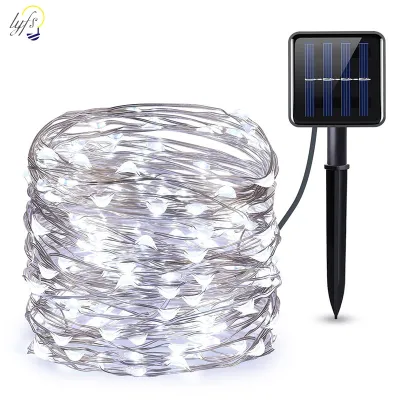
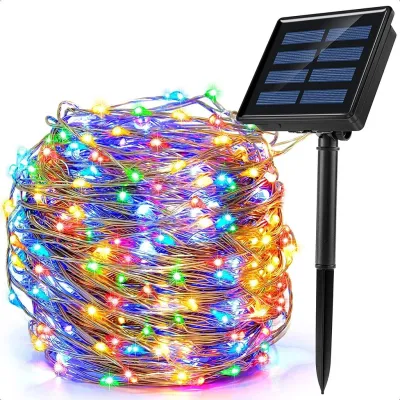
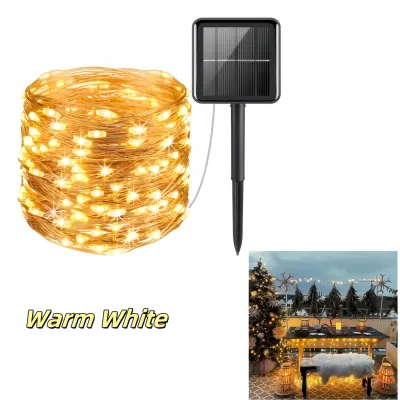
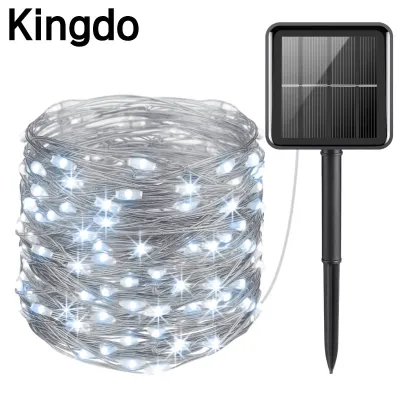
![YEELITE [ BUY 1 TAKE 1 ] 10 Meter - 80L LED Solar Powered Waterproof Black Line Wire Christmas Lights](https://img.lazcdn.com/g/p/423bcbc4cf9ec023c1fc61f4dd2f0470.png_400x400q80.png_.webp)
Prices are valid at publication and may change. Please refer to the product page for the latest price.
Define the primary mood you want to create before choosing your light specifications. For indoor condo spaces, high-intensity white light can feel clinical and cause eye strain during evening hours. Aim for a soft, low-lumen glow that complements your existing lamps and accentuates architectural features without overpowering the room, reserving brighter, high-output options strictly for functional outdoor areas.
Essential Durability Specs for Outdoor Exposure
To ensure your lights survive heavy monsoon rains and intense tropical heat, you must verify their Ingress Protection (IP) ratings. The IP rating consists of two digits: the first indicates protection against solid particles like dust, and the second measures resistance to liquids. For outdoor exposure, look for at least an IP44 rating, though an IP65 rating offers superior protection against driving rain and fine dust. Avoid products that use vague marketing terms like “waterproof” without providing a verified IP rating on the packaging.

Wire material and insulation quality are critical for long-term safety and performance, especially when evaluating the wire of solar outdoors christmas lights. Copper wire coated in heavy-duty, UV-resistant PVC or flexible rubber is essential for resisting intense sun exposure and high humidity. Thin, uninsulated copper wires can degrade quickly when exposed to salty air or constant moisture on an open balcony, leading to short circuits and premature product failure.
High tropical temperatures and strong winds during typhoon season can put immense physical stress on outdoor installations. Check the manufacturer’s operating temperature limits to ensure the components will not degrade or melt under intense midday heat. Wind resistance is equally critical; heavy bulb strings can sway violently, putting physical tension on the wire connections and mounting points, so choose reinforced wiring if your balcony is highly exposed.
Selecting Bulbs and Wire for Warm Indoor Ambiance
To achieve a cozy, relaxing atmosphere indoors, look for bulbs with a color temperature between 2200K and 2700K, often labeled as warm white or extra warm white. Avoid cool white bulbs of 5000K or higher, which emit a bluish tint that mimics daylight and can disrupt your sleep cycle when used in bedrooms or living areas. Note that decorative styles, perceived color temperatures, and spatial lighting effects are highly subjective and depend on your personal preferences and room layout, rather than representing universal performance standards.
Fairy lights on thin, bendable copper wires are highly versatile for wrapping around indoor bed frames, curtain rods, or glass jars because they can be shaped easily and remain nearly invisible when turned off. For a bolder, retro look, globe or Edison-style bulbs with plastic covers offer a classic aesthetic. Ensure the bulbs are made of shatterproof plastic rather than glass to prevent accidental breakage if they knock against hard condo walls or tiled floors.
Many solar string lights feature multiple flashing or chasing modes designed for festive outdoor displays. However, rapid flashing can be highly distracting and uncomfortable in a confined indoor living space. Verify that the light controller includes a “steady-on” mode and, ideally, a dimming function so you can lower the light output to a comfortable level for watching movies or winding down at night.
Solar Panel and Battery Requirements for Condos
One of the most critical specifications for dual-use lighting is the lead cable length, which is the distance between the solar panel and the first active bulb. If you plan to hang the lights inside your living room while keeping the solar panel on the balcony, you need a lead cable of at least 2 to 3 meters. This allows you to route the wire through a window gap or door seal without wasting active, glowing bulbs on the outdoor transition zone.
Look for the battery capacity specified in milliampere-hours (mAh) on the product label. A larger capacity battery, such as 1200mAh or higher, can store more energy collected during sunny hours, allowing the lights to run longer into the night. Check the manufacturer’s estimated runtime; a reliable system should provide at least 6 to 8 hours of continuous illumination on a full charge during normal conditions.
Condo balconies are notorious for micro-shadows cast by railings, air conditioning condenser units, and neighboring structures. Even a small shadow covering a fraction of the solar panel can drastically reduce its charging efficiency. Position the panel at an angle, typically 15 to 30 degrees, facing the path of the sun, ensuring it remains clear of any obstructions throughout the peak daylight hours.
Safe Installation and Mounting Strategies
Most condo associations have strict guidelines against drilling holes into exterior walls, balcony railings, or interior drywall. Use high-quality, weather-resistant adhesive hooks or cable clips designed for outdoor use to secure the wires without leaving permanent marks. For balcony railings, UV-resistant nylon zip ties are an excellent, non-destructive way to secure both the light strings and the solar panel mount.
When routing the wire from the outdoor balcony to the indoor living space, avoid pinching the cable in heavy sliding glass doors or window frames. Repeatedly slamming doors on the wire can crush the insulation, exposing live copper and creating a safety hazard. If possible, route the wire through a dedicated cable pass-through, a semi-permanent window seal, or a window that is kept slightly ajar with a protective bumper, and avoid bending the wire at sharp 90-degree angles.
If your installation involves fixed wiring, mounting lights at extreme heights on open balconies, or routing cables near high-heat sources like air conditioning compressors, always isolate the power source, follow the manufacturer’s installation instructions, and consult a qualified professional or licensed electrician to prevent electrical hazards. High-rise balconies experience significantly higher wind speeds than ground-level yards, so ensure the solar panel’s mounting bracket is tightly fastened to the railing or weighted base so it cannot be dislodged during sudden gusts.
Building Your Conditional Shortlist
To make an informed purchase, compile a structured comparison matrix of your top choices based on verified technical specifications. Do not rely on stylized product photos or vague marketing claims. Instead, list the exact IP rating, lead cable length, bulb material, color temperature, and battery capacity for each option you are considering.
| Specification | Minimum Requirement for Dual-Use | Purpose |
|---|---|---|
| IP Rating | IP44 (IP65 preferred) | Protects against rain and dust outdoors |
| Lead Cable Length | 2 to 3 meters | Connects outdoor panel to indoor lights |
| Color Temperature | 2200K – 2700K | Creates a warm, relaxing indoor ambiance |
| Battery Capacity | 1200mAh or higher | Ensures 6 to 8 hours of nighttime runtime |
| Bulb Material | Shatterproof plastic | Prevents breakage indoors and outdoors |
Cross-reference the user manuals or product labels for clear electrical certifications, such as CE, RoHS, or local safety marks, to ensure the product meets basic safety standards. Verify the voltage, base or interface type, wattage limits, physical dimensions, and dimming methods before finalizing your choice. Discard any options that lack clear specification labels or rely solely on marketing buzzwords without providing measurable technical data.
Frequently Asked Questions (FAQ)
Can I leave the solar panel indoors if the lights are outside?
Solar panels require direct, unfiltered sunlight to charge efficiently. Modern window glass, especially double-glazed, tinted, or low-emissivity condo windows, filters out a significant portion of the light spectrum needed for solar charging. If you must keep the panel indoors, place it directly against a south- or west-facing window pane, but expect a substantial reduction in battery runtime. For optimal performance, use an extension cable to keep the panel mounted outdoors on the balcony while running the light string inside.
How do I clean solar string lights without damaging the wiring?
Always turn off the light system or disconnect the solar panel before performing any maintenance. Use a soft, slightly damp microfiber cloth to wipe away dust, pollen, and water spots from the solar panel surface and individual bulbs. Avoid using abrasive scrubbing pads, high-pressure water sprays, or harsh chemical solvents, which can degrade the plastic casings and compromise the waterproof seals. Allow all components to dry completely in a shaded area before turning the system back on.
Community discussion
Share your experience or ask a question. Comments are reviewed before publication.