
Using solar-powered waterproof Christmas lights inside a high-rise condominium is an excellent way to bring a warm, festive glow to your living room or bedroom without adding to your monthly electricity bill. To make this setup work, you must choose a system where the solar panel can be positioned in direct sunlight—such as on a balcony railing or window ledge—while the light string itself runs indoors to drape over your headboard, curtains, or entertainment console. Achieving a cozy ambiance requires verifying the light’s color temperature, checking the physical cable length, and ensuring the installation complies with condo association rules regarding balcony attachments and damage-free wall fixtures.
Assessing Your Condo's Solar Charging Conditions
Condo living presents unique spatial challenges, particularly when it comes to capturing enough sunlight to power solar decorative lights. Before purchasing any light set, observe the daily sunlight patterns on your balcony, window sills, or external ledges. In the Philippines, tropical weather brings intense afternoon sun, but high-rise buildings can cast long shadows that limit direct exposure to just a few hours. You need to identify where the sun hits consistently during the day to determine where your solar panel must be mounted.
The design of the solar panel plays a critical role in how flexible your lighting setup can be. Built-in solar panels, where the panel is directly attached to the light fixture or sits on a short stake, are generally difficult to use for indoor ambiance because the entire unit must remain outdoors. Instead, look for detachable solar panels or systems with a generous lead cable. A detachable design allows you to mount the solar charging unit outside in full sun while running the thin wire indoors to illuminate your living room or bedroom.
Products mentioned in this guide
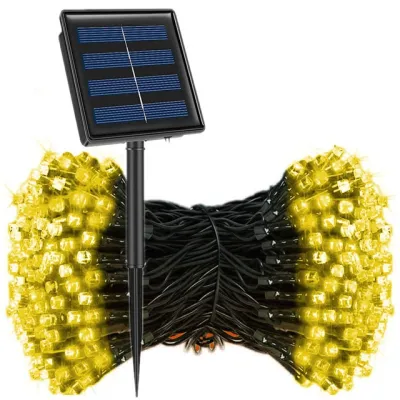
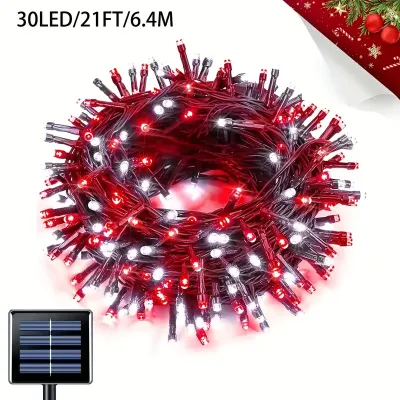
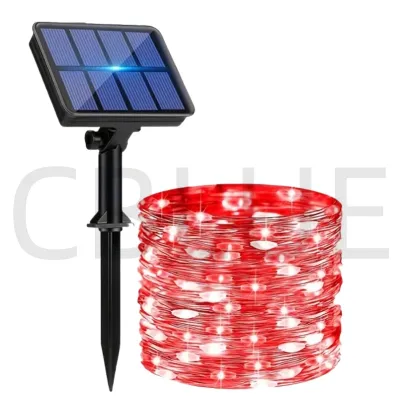
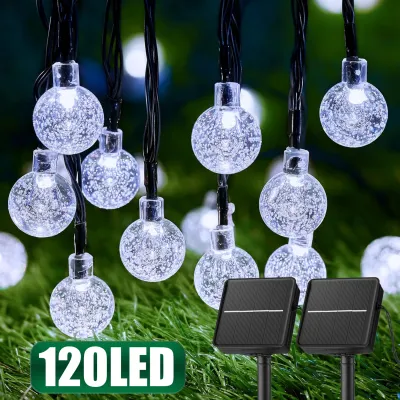
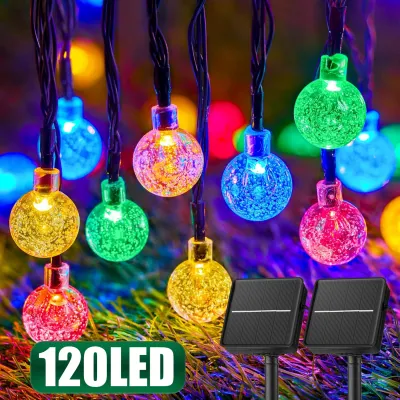
Prices are valid at publication and may change. Please refer to the product page for the latest price.
Cable length is the ultimate deciding factor for indoor-outdoor transitions. Always check the product specifications on the packaging for the “lead cable length,” which is the distance between the solar panel and the very first LED bulb on the string. If this cable is too short, you will be forced to place your lights right next to the window or balcony door, limiting your styling options. Measuring the distance from your sunny outdoor mounting spot to your desired indoor display area ensures you buy a set with enough slack to drape beautifully.
Selecting the Right Warmth and Brightness for Ambient Lighting
Creating a cozy, relaxing atmosphere in your bedroom or living room depends heavily on the color temperature of the LEDs. For a soothing, warm glow that mimics candlelight, look for packaging labeled “warm white” or look for a specific color temperature rating between 2200K and 2700K. Avoid cool white lights, which often emit a bluish tint that can feel clinical and disrupt the relaxing environment you want to establish in your personal sanctuary.

Brightness levels must also be carefully evaluated to ensure the lights serve as ambient accents rather than harsh task lighting. Because solar-powered lights rely on stored battery power, their output is typically softer than main-voltage plug-in lights, which is actually an advantage for creating a cozy mood. Check the product details for lumen output or look for low-wattage indicators to confirm the string will cast a gentle, non-glaring shimmer across your walls or furniture.
To maximize versatility, choose a light string that features built-in dimming options or multiple lighting modes. Many solar controllers include settings for steady-on, slow fade, or gentle twinkling. Having these options allows you to adjust the visual energy of the room, switching from a lively festive sparkle during a weekend gathering to a calm, steady glow when you are winding down for sleep.
Understanding Waterproof Ratings for Indoor and Balcony Use
Because your solar panel will be exposed to the elements on your balcony or window ledge, understanding waterproof ratings is essential for safety and durability. Look for the Ingress Protection (IP) rating on the product packaging, which consists of two numbers. The first number indicates protection against solids like dust, while the second number indicates protection against liquids. For outdoor balcony exposure in tropical climates prone to heavy downpours, look for an IP rating of at least IP44, though IP65 offers superior protection against driving rain.
It is important to distinguish between the waterproof rating of the light string itself and that of the solar panel unit. In many budget-friendly sets, the light string may carry a high waterproof rating, but the solar panel or its controller box might have a lower rating or require extra protection from standing water. Always read the manufacturer’s instructions to verify if the entire assembly, including the charging unit and connectors, is rated for outdoor exposure, and avoid placing the panel in areas where water pools during heavy rain.
When bringing outdoor-rated waterproof lights indoors, you must verify how they interact with indoor surfaces. Waterproof coatings on wires can sometimes be thicker or stiffer than standard indoor wires, and some may have a distinct plastic odor when first unpacked. Check the manufacturer’s guidelines to ensure the materials are safe for prolonged contact with indoor fabrics, upholstery, or wooden furniture, and confirm that the low-voltage system does not generate heat that could pose a hazard to delicate textiles.
Planning Placement and Installation Without Damaging Walls
Condo living usually comes with strict rules against drilling holes or damaging wall paint, making damage-free installation methods a priority. Adhesive hooks and transparent clips designed for cable management are excellent tools for securing lightweight fairy lights along walls, ceilings, or window frames. For temporary holiday setups, tension rods placed inside window frames or balcony door openings can support light strings without requiring any adhesive or hardware.
Before buying your lights, take precise measurements of the target area you plan to decorate, whether it is a bed headboard, a living room window frame, or a balcony railing. Compare these measurements to the “lighted length” specified on the product packaging, which is different from the total cable length. Buying a string that is too short will leave your display looking incomplete, while an excessively long string might require creative overlapping that can look cluttered in a compact condo space.
Safety should always guide your placement choices, even with low-voltage solar lights. Ensure the light string is positioned with safe clearance from heat sources like space heaters, cooking appliances, or high-wattage light bulbs. Keep the wires clear of heavy curtains that move frequently, and route the cables away from high-traffic pathways where they could present a tripping hazard or become damaged by doors opening and closing.
Frequently Asked Questions (FAQ)
Can solar Christmas lights work indoors if the panel is outside?
Yes, solar Christmas lights can work beautifully indoors as long as the solar panel is positioned outdoors where it can receive direct sunlight. To make this setup work, you must route the thin lead cable from the outdoor panel through a window or balcony door frame into your living space. Check that your window or door seals are flexible enough to close over the thin wire without pinching or cutting it, and always follow the manufacturer’s guidelines regarding indoor-outdoor transitions to prevent water from seeping inside along the cable.
Are waterproof lights safe to use on a bedroom headboard?
Waterproof solar lights are generally safe to use on a bedroom headboard because they operate on a very low-voltage direct current (DC) system, which generates virtually no heat during operation. However, you must verify this by checking the product packaging for low-voltage certification and safety labels. Ensure the wire insulation is intact, avoid tightly wrapping the lights around flammable fabrics, and always follow the manufacturer’s safety warnings regarding direct contact with bedding and textiles.

Community discussion
Share your experience or ask a question. Comments are reviewed before publication.