
Choosing the best cherry blossom tree lamp for your home in the Philippines requires balancing visual appeal with electrical safety, material durability, and spatial compatibility. In tropical climates characterized by high humidity and warm temperatures, selecting moisture-resistant materials like silicone or high-grade PVC is just as important as finding the perfect warm glow. By evaluating key specifications—such as power source versatility, base stability, and certified voltage compatibility—you can transform your condo or apartment into a cozy sanctuary while ensuring long-term safety.
These decorative lamps have become a staple for modern indoor styling, offering a soft, organic alternative to harsh overhead lighting. However, because quality varies significantly across online marketplaces, understanding the technical and structural differences between models is essential. A well-chosen tree lamp not only enhances your interior decor but also functions reliably without posing electrical risks to your household.
Key Features to Evaluate Before Buying
When shopping for a cherry blossom tree lamp, the choice of materials directly impacts both the realism of the design and how well the lamp holds up over time. Most models feature flexible branches made of copper wire wrapped in protective electrical tape or a molded plastic trunk. This flexibility allows you to bend and shape the branches to fit your space, but high-quality models use thicker, more resilient wire that can withstand repeated adjustments without snapping the internal electrical connections. For the petals, silicone and soft PVC are highly recommended over delicate silk or fabric; silicone diffuses light beautifully, is easy to clean, and does not degrade or trap moisture in humid environments.
Products mentioned in this guide
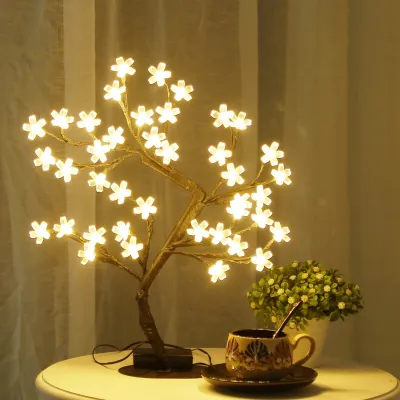
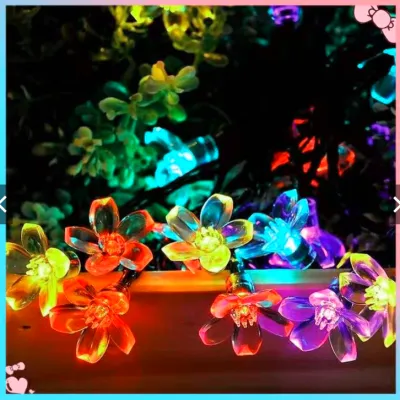
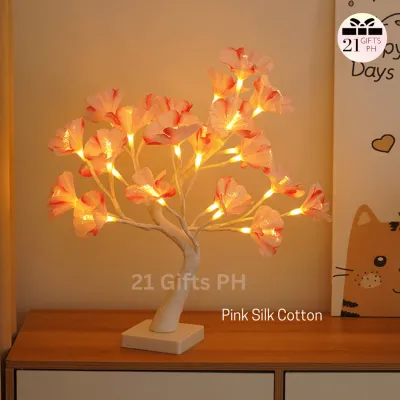
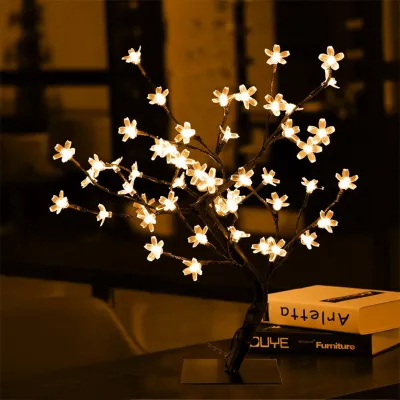
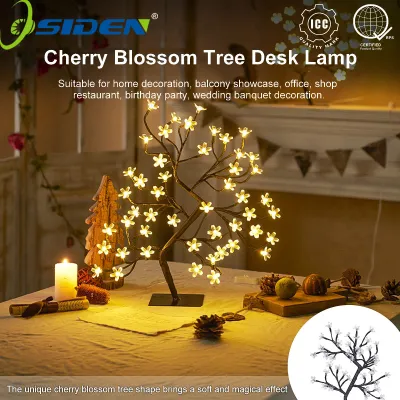
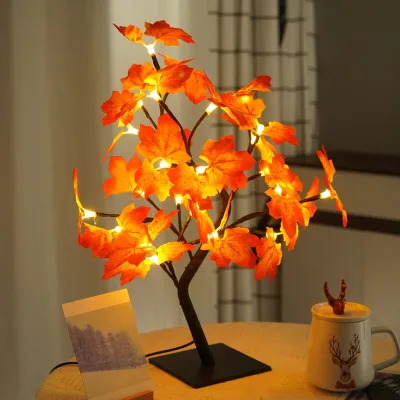
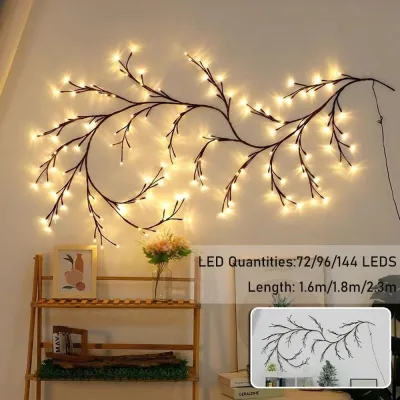
Prices are valid at publication and may change. Please refer to the product page for the latest price.
The type of light source determines the lamp’s energy efficiency, heat emission, and overall lifespan. Look for models that utilize integrated light-emitting diodes (LEDs) rather than traditional micro-bulbs. LEDs run exceptionally cool, which is a critical safety factor in warm tropical climates where ambient indoor temperatures can already be high. Furthermore, individual LED beads encased in durable plastic petals offer superior longevity and are far less prone to burning out compared to cheap, exposed wire filament bulbs.
Power options play a major role in where you can safely position your lamp. USB-powered models are highly versatile and operate on a safe, low-voltage 5V system, allowing you to power them using standard phone chargers, power banks, or laptop ports. Battery-operated versions (typically requiring AA or AAA batteries) offer complete cordless freedom but can become expensive to maintain if used daily. Direct AC plug-in models provide a constant, bright light source but require careful placement near wall outlets to avoid stretching cords across walkways.
Base weight and stability are often overlooked but are vital for preventing accidental damage. A lightweight, hollow plastic base can easily tip over if the branches are fully extended or if the lamp is placed on a narrow bedside table or console. Look for lamps that feature a weighted base, a wider footprint, or a sturdy metal stand. A stable base ensures the lamp remains upright even if brushed against or placed in high-traffic areas of your home.
Matching the Lamp to Your Space and Mood
Selecting the right size of cherry blossom tree lamp depends on the specific surface area and vertical clearance of your room. Tabletop models, which typically stand between 45 centimeters and 60 centimeters tall, are ideal for compact spaces such as study desks, floating shelves, TV consoles, or nightstands. Floor-standing models, ranging from 1.2 meters to 1.8 meters, serve as dramatic accent pieces that work best in empty living room corners or entryways. Always measure your intended surface and check the product dimensions before purchasing to ensure the scale matches your furniture.

Color temperature is a subjective preference that significantly influences the mood of your living space. Warm white light (ranging from 2700K to 3000K) mimics the soft, golden glow of a sunset, making it highly suitable for bedrooms, reading corners, and spaces dedicated to relaxation. Conversely, RGB or color-changing models allow you to switch between vibrant pinks, purples, blues, or dynamic color-shifting modes. These colorful options are excellent for creating a lively atmosphere in entertainment areas or during social gatherings, though they may feel too stimulating for quiet evening relaxation.
For maximum convenience, look for models that include dimming capabilities and remote controls. A remote control is particularly useful if the lamp is placed on a high shelf, behind a sofa, or across the room from your bed. Dimmable features allow you to transition the lamp from a bright, functional accent light during the early evening to a very soft, non-disruptive nightlight as you prepare for sleep.
In compact Philippine condos and apartments, strategic placement can maximize the spatial effect of your lighting. Placing the tree lamp in a corner allows the branches to cast delicate, organic shadows onto adjacent walls, visually expanding the room and adding depth. If you prefer a subtle background glow rather than a direct focal point, position the lamp slightly behind a television screen or a large indoor plant to soften the overall light distribution.
Safety and Electrical Checks for Use in the Philippines
Electrical safety must be your top priority when introducing any new light fixture into your home. The standard electrical system in the Philippines operates at 220V and 60Hz. If you purchase a direct-plug model, you must verify that the plug and its internal transformer are rated for 220V. Plugging a 110V imported lamp directly into a local outlet without a proper step-down transformer will cause immediate burnout, ruin the LEDs, and pose a severe fire hazard.
For USB-powered models, the safety of the lamp depends heavily on the quality of the wall adapter you use. Always pair your USB cable with a high-quality, certified 5V power adapter. Look for official safety certification marks, such as the Philippine Standard (PS) mark or the Import Commodity Clearance (ICC) sticker on locally purchased electronics, or recognized international safety certifications like CE, FCC, or UL. Avoid using cheap, unbranded wall chargers, as they often lack overcurrent protection and can run dangerously hot during extended use.
Inspect the physical wiring of the lamp before plugging it in for the first time. The thin copper wires running along the branches should be completely insulated and wrapped securely in protective tape or plastic coating. Ensure that the power cable is routed safely along the back of your furniture and is not pinched under heavy objects. Keep cables clear of high-traffic walkways to prevent tripping hazards, and ensure they are out of reach of pets that might chew on the wires.
Knowing when to stop using a lamp is crucial for preventing electrical accidents. If you notice the lights flickering constantly, feel unusual heat radiating from the base or the power adapter, detect a burning plastic smell, or see frayed or exposed wires, immediately unplug the lamp from the wall. Do not attempt to splice or repair damaged internal wiring yourself; instead, consult a qualified professional or replace the unit entirely to maintain a safe home environment.
Where to Buy and How to Verify Quality Online
When searching for cherry blossom tree lamps on e-commerce platforms, navigating past low-quality replicas requires a strategic approach. Start by filtering your searches to focus on established home decor stores, lighting specialty shops, or highly rated local sellers. Avoid purchasing from generic, unbranded listings that offer suspiciously low prices and have little to no seller history, as these products often compromise on material quality and electrical safety.
Customer reviews are an invaluable resource for verifying the actual quality of a lamp before making a purchase. Look past the overall star rating and read the detailed written feedback, paying close attention to reviews that include real photos and videos. Search specifically for comments regarding petal shedding, uneven brightness among the branches, flimsy construction, or bases that wobble. Reviews written after several weeks or months of use are particularly helpful for assessing how well the lamp performs over time.
Because decorative lighting fixtures are fragile, they are highly susceptible to damage during transit. Before finalizing your purchase, check the seller’s return and refund policies to ensure you are covered if the item arrives broken or defective. You can also message the seller directly to request that they pack the lamp securely in a sturdy cardboard box with ample bubble wrap to withstand local shipping and handling conditions.
Prices for cherry blossom tree lamps in the Philippines generally range from ₱300 for basic tabletop models to over ₱2,500 for large, high-quality floor-standing versions. While budget-friendly options are appealing, be wary of products priced significantly below the market average, such as those under ₱150. These ultra-cheap models often save on manufacturing costs by using thin, uninsulated wiring, low-grade plastics, and unstable bases that can easily tip over or short-circuit.
Care and Maintenance for Long-Lasting Glow
Proper maintenance is essential for keeping your cherry blossom tree lamp looking beautiful and functioning safely over the years. Dust accumulates quickly in Philippine households, especially in urban areas. To clean delicate silicone or plastic petals, gently sweep them using a soft-bristled makeup brush, a feather duster, or a dry microfiber cloth. Avoid using wet cloths, liquid sprays, or harsh chemical cleaners directly on the branches, as moisture can easily seep into the LED connections and cause corrosion or short circuits.
Periodically inspect the base of the lamp and its power connections to ensure they remain clean and secure. Wipe the base with a dry cloth to remove dust buildup, and check the USB port or battery compartment for any signs of debris. If you use a battery-operated model, inspect the compartment every few months for battery leakage or corrosion, which can permanently damage the metal contacts and ruin the lamp.
If you need to store the lamp during a move or a home renovation, handle the flexible branches with care. Gently fold the branches inward toward the main trunk to minimize the overall volume, taking care not to bend them sharply or repeatedly in the exact same spot, which can fatigue and break the internal copper wires. Store the lamp in a dry, sturdy box, and avoid placing heavy items on top of it to prevent crushing the delicate petals.
Environmental factors in tropical climates can accelerate the wear and tear of decorative materials. Keep your cherry blossom lamp away from open windows where sudden rain showers might splash water onto the electrical components. Additionally, avoid placing the lamp in areas that receive direct, intense afternoon sunlight, as prolonged exposure to UV rays can cause plastic petals to yellow, warp, or become brittle over time.
Frequently Asked Questions (FAQ)
Can I leave a cherry blossom tree lamp on all night?
While LED lights run significantly cooler than traditional incandescent bulbs, it is generally not recommended to leave any decorative lamp on unattended all night unless the manufacturer explicitly states it is rated for continuous overnight operation. Many modern cherry blossom lamps feature built-in timer functions, such as a 6-hour on and 18-hour off cycle, which are ideal for automated evening use. Always follow the manufacturer’s guidelines regarding continuous run times to prevent premature wear on the LEDs and the power adapter.
Are battery-operated models better than plug-in ones?
The ideal power source depends entirely on your placement needs and usage habits. Battery-operated models offer excellent portability, allowing you to place the lamp on dining tables, floating shelves, or centerpieces without worrying about unsightly cords or nearby wall outlets. However, they suffer from brightness limitations as the batteries drain, and the ongoing cost of replacing batteries can add up quickly. Plug-in or USB-powered models provide a consistent, bright glow and are much more practical and cost-effective for daily, long-term ambient lighting.
Community discussion
Share your experience or ask a question. Comments are reviewed before publication.