
Selecting the perfect Christmas lantern for your home is a cherished holiday tradition that brings warmth, color, and festive cheer to your living spaces. In the Philippines, where the holiday season starts early and is celebrated with unmatched enthusiasm, choosing the right lighting involves balancing vibrant aesthetics with practical home considerations. Whether you are planning a modest budget of ₱500 or investing several thousand pesos in a grand statement piece, understanding your options ensures your home shines brightly and safely throughout the festivities.
A well-chosen lantern serves as a visual centerpiece that welcomes family and guests. With the wide variety of designs available in local markets and online marketplaces, finding a style that complements your existing decor while standing up to tropical environmental factors requires a thoughtful approach. By focusing on material durability, power efficiency, and proper installation, you can create a stunning holiday display that lasts for many seasons to come.
Exploring Christmas Lantern Styles and Power Sources
When exploring the market for holiday lighting, you will encounter a beautiful mix of traditional craftsmanship and modern technology. Traditional capiz shell lanterns, often designed in the classic star-shaped parol pattern, offer a timeless, translucent glow that beautifully diffuses light. These heritage pieces carry deep cultural significance and provide a soft, warm ambiance that modern synthetic materials struggle to replicate. However, they are often delicate and require careful handling to prevent the natural shells from cracking.
Products mentioned in this guide
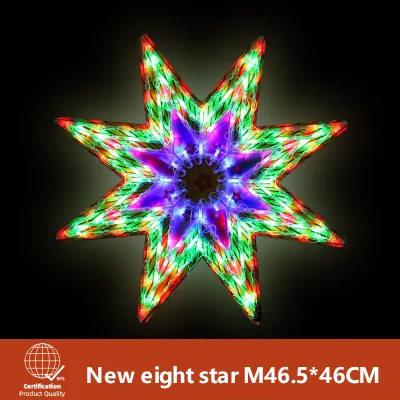
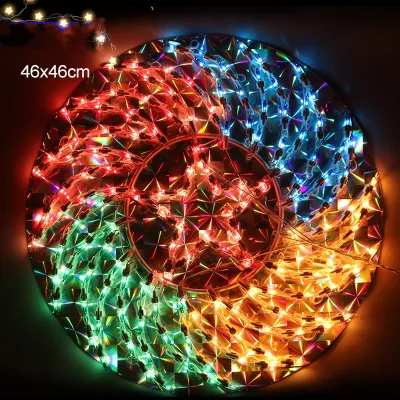
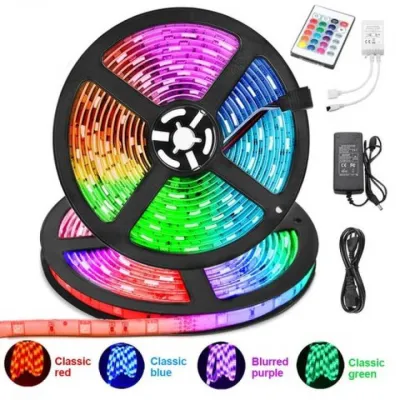
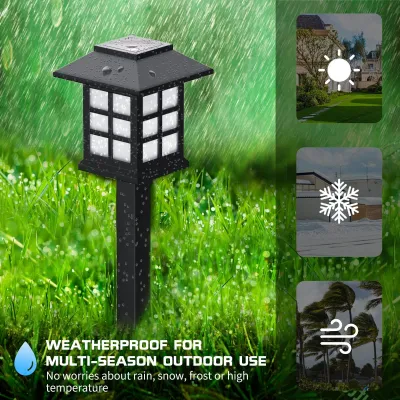
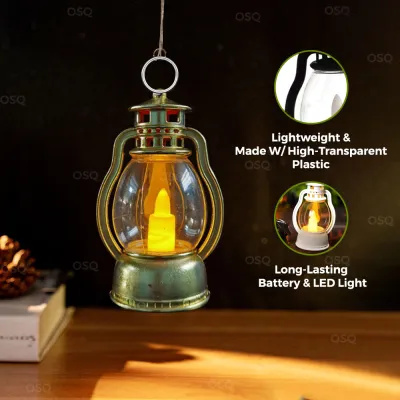
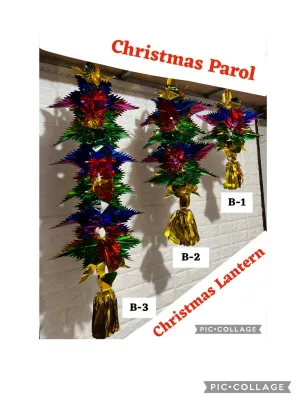
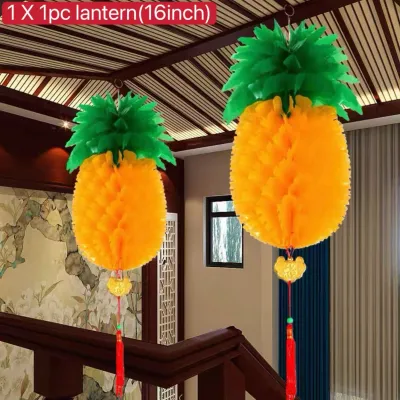
Prices are valid at publication and may change. Please refer to the product page for the latest price.
On the other hand, modern novelty lamps and neon-style LED accents offer incredible design flexibility, vibrant color ranges, and high energy efficiency. These contemporary options often feature lightweight plastic or acrylic frames, making them highly durable and easy to hang. LED-based lanterns also remain cool to the touch even after hours of continuous operation, making them an excellent choice for busy households with curious pets or young children.
The power source of your lantern is another critical factor that dictates where and how you can display it. Direct plug-in models provide consistent, uninterrupted brightness and are ideal for primary window displays or living room centerpieces. When purchasing plug-in lanterns, always check the product label to verify that they are rated for 220V compatibility, which is the standard electrical voltage in the Philippines. Additionally, ensure the plug type matches your wall outlets—typically flat two-pin Type A or Type B plugs—to avoid the need for unstable adapters.
For areas far from electrical outlets, battery-operated and USB-powered lanterns offer unmatched placement flexibility. Battery-operated models are perfect for dining table centerpieces, mantelpieces, or floating wall shelves where dangling cords would ruin the clean aesthetic. USB-powered lanterns can be conveniently plugged into power banks, laptops, or standard phone charger adapters, making them highly versatile for modern workspaces or temporary holiday setups.
Solar-powered lanterns are an increasingly popular choice for outdoor gardens, pathways, and open balconies. These eco-friendly options harness the abundant tropical sunlight during the day to power their LED bulbs throughout the night. When opting for solar models, ensure the solar panel can be positioned to receive at least six to eight hours of direct, unobstructed sunlight daily. Keep in mind that their performance will naturally vary during overcast or rainy holiday weeks.
Matching Lanterns to Indoor and Outdoor Spaces
Selecting the right lantern requires a clear understanding of the physical space it will occupy, as scale and proportion play a massive role in visual impact. Before purchasing a large statement lantern, measure the dimensions of your window frames, ceiling heights, and wall spaces. A massive lantern hung in a cramped hallway can make the space feel cluttered, while a tiny novelty lamp placed on a spacious veranda will easily get lost in the shadows.

For indoor spaces like living rooms and dining areas, prioritize lanterns that emit a warm white color temperature, typically ranging from 2700K to 3000K. Warm light mimics the cozy glow of traditional candles and incandescent bulbs, creating an inviting, relaxed atmosphere perfect for family gatherings. If your indoor decor features a specific color theme, look for lanterns with adjustable settings or subtle accent colors that complement your existing ornaments without overpowering the room.
Outdoor placements, such as balconies, front porches, and garden gates, demand a completely different set of specifications due to exposure to the elements. The tropical climate can bring sudden rain showers, high humidity, and strong winds even during the festive months. Therefore, any lantern intended for outdoor use must feature a verified Ingress Protection (IP) rating on its packaging. An IP rating indicates how well the fixture’s enclosure protects its internal electrical components from dust and moisture.
For semi-outdoor areas like covered patios or balconies, look for lanterns with at least an IP44 rating, which protects against splashing water from any direction. If you plan to hang your lanterns in fully exposed outdoor areas, such as on garden fences or roof eaves, prioritize a higher rating like IP65, which ensures the fixture is dust-tight and protected against water jets. Never use lanterns labeled strictly for indoor use in outdoor settings, as moisture accumulation can quickly lead to short circuits and permanent damage.
When it comes to outdoor aesthetics, cool white (5000K to 6500K) or vibrant multi-color (RGB) LED lanterns are highly effective. These cooler and brighter light temperatures cut through the dark night air with high visibility, making your home stand out beautifully from the street. You can also combine different color temperatures by using warm white lights to frame your entryway and using colorful, dynamic lanterns as eye-catching focal points in your yard.
Electrical Safety and Installation Guidelines
Prioritizing electrical safety is paramount when decorating your home for the holidays, as poorly manufactured or improperly installed lighting can pose serious fire and shock hazards. Before purchasing any holiday lantern, inspect the packaging for official safety certification marks, such as the Philippine Standard (PS) quality mark or the Import Commodity Clearance (ICC) sticker. These marks indicate that the product has undergone rigorous safety testing and complies with local electrical standards.
Always read the manufacturer’s specifications to verify the wattage limits of your lanterns and any associated extension cords. Overloading a single wall outlet or daisy-chaining multiple power strips is a common cause of electrical fires. If you are connecting multiple lanterns together, calculate their total wattage to ensure it does not exceed the maximum capacity of your extension cord or home circuit breaker. If the packaging does not clearly state the wattage, look for the voltage and amperage ratings to calculate it.
Proper cord management is essential for maintaining a safe household during the busy holiday season. Route power cords along walls or baseboards and secure them with insulated cable clips rather than metal staples, which can pierce the protective plastic insulation. Never run electrical cords under heavy rugs, carpets, or furniture, as trapped heat can build up and ignite a fire. Additionally, keep cords clear of high-traffic walkways to prevent family members and guests from tripping and pulling down heavy fixtures.
While many holiday lighting setups can be easily managed as DIY projects, certain scenarios require professional assistance. If your installation involves complex fixed wiring, mounting heavy lanterns at extreme heights (such as second-story roof eaves), or running power lines through damp outdoor garden areas, stop and consult a qualified electrician. Always isolate the main power supply at your home’s circuit breaker panel before mounting, adjusting, or cleaning any electrical fixtures to eliminate the risk of accidental shock.
Caring for and Storing Your Holiday Lanterns
Proper maintenance and storage are key to preserving the beauty and functionality of your holiday lanterns, ensuring they remain a part of your family’s celebrations for years to come. Throughout the holiday season, dust and airborne grime can accumulate on the surfaces of your fixtures, dimming their brightness. To clean delicate materials like capiz shells, paper, or intricate wood carvings, use a dry microfiber cloth or a soft feather duster to gently wipe away debris. Avoid using liquid cleaners or wet wipes on porous materials, as moisture can cause warping, discoloration, or structural weakness.
For weather-resistant plastic, acrylic, or glass lanterns used outdoors, you can use a slightly damp cloth with a mild, non-abrasive soap solution to remove stubborn dirt and water spots. Always ensure the lantern is completely unplugged and disconnected from any power source before cleaning. Allow the fixture to dry completely in a well-ventilated area before plugging it back in or packing it away for the season.
When the holidays come to an end, take the time to disassemble and pack your decorations systematically. If you are storing battery-operated lanterns, always remove the batteries from their compartments before packing them away. Over months of storage, batteries can leak corrosive acid that permanently damages the metal contacts and ruins the internal circuitry of your favorite lamps. For plug-in models, coil the power cords loosely in a wide figure-eight pattern rather than wrapping them tightly around the fixture, which can cause internal copper wire fatigue and kinking.
Store your holiday lanterns in sturdy, airtight plastic containers rather than cardboard boxes, which can absorb moisture and attract pests like termites or rodents. Place the containers in a cool, dry, climate-controlled environment, such as an indoor closet or a well-ventilated storage room. High tropical humidity can promote mold growth and rust, so adding silica gel packets to each storage box is an excellent way to absorb excess moisture.
Frequently Asked Questions (FAQ)
Can I leave my Christmas lantern outside during heavy rain?
You should only leave a Christmas lantern outside during heavy rain if it has a verified, high Ingress Protection (IP) rating, such as IP65 or higher, which indicates robust protection against water jets. Lanterns with lower ratings, like IP44, are only splash-proof and may fail or short-circuit during intense tropical downpours or prolonged storms. If severe weather, heavy rain, or a typhoon is forecasted, the safest practice is to unplug your outdoor lanterns and bring them indoors to prevent water damage, electrical hazards, and physical damage from strong winds.
How do I know if a novelty lantern is safe for a child's bedroom?
To ensure a novelty lantern is safe for a child’s bedroom, look for low-voltage options, such as those powered by a 5V USB connection or batteries, rather than direct 220V mains power. Choose fixtures made with cool-touch LED technology and durable, shatterproof materials like acrylic or high-grade plastic instead of glass or delicate capiz shells. Additionally, verify that the battery compartment is securely fastened with a screw to prevent young children from accessing and swallowing small batteries, and keep all power cords neatly managed and completely out of their reach.
Community discussion
Share your experience or ask a question. Comments are reviewed before publication.