
Selecting a Japandi desk lamp for a home office or study area in the Philippines requires balancing visual comfort with minimalist design. The ideal lamp must offer both the calming, organic aesthetic of Japanese wabi-sabi and the practical, ergonomic utility of Scandinavian design. To find a lamp that truly supports productivity, you must look beyond surface-level beauty. You need to verify technical lighting specifications, evaluate material durability under local tropical conditions, and confirm electrical compatibility with local power grids. This guide provides a comprehensive framework to help you navigate these choices, ensuring your workspace remains both highly functional and visually serene.
Understanding the Japandi Aesthetic for Your Workspace
Japandi design is a harmonious fusion of two distinct yet deeply compatible philosophies: Japanese wabi-sabi and Scandinavian hygge. Wabi-sabi celebrates the beauty of imperfection, natural materials, and rustic simplicity, encouraging an appreciation for organic textures and uncluttered spaces. Hygge, on the other hand, focuses on warmth, comfort, and practical functionality, creating environments that feel cozy and inviting. When applied to a workspace, this hybrid style eliminates unnecessary visual noise, allowing the mind to focus entirely on the task at hand.
The color palette of a Japandi lamp is intentionally restrained and soothing. You will typically find warm neutrals, muted earth tones, soft whites, cream, beige, and occasional charcoal or matte black accents. These colors are chosen because they do not compete for your attention or cause visual fatigue. Instead, they blend seamlessly into a clean desk setup, reflecting light softly and contributing to a calm, meditative atmosphere that is highly conducive to deep concentration.
Products mentioned in this guide
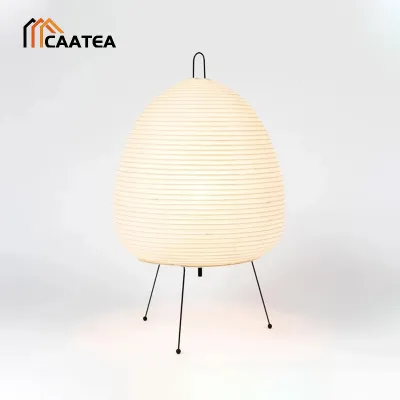
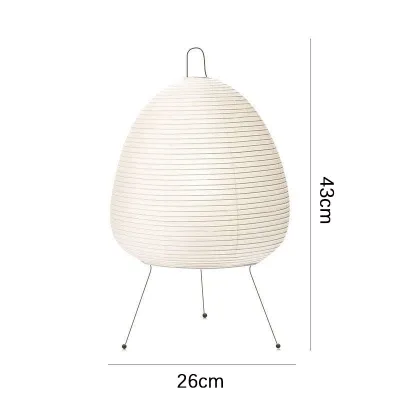
Prices are valid at publication and may change. Please refer to the product page for the latest price.
Structurally, Japandi desk lamps are characterized by clean lines, geometric simplicity, and uncluttered silhouettes. You will rarely see ornate carvings, shiny metallic finishes, or complex decorative elements. Instead, the focus is on the inherent beauty of the materials themselves. Natural textures like solid wood, bamboo, woven rattan, linen, and handmade paper are central to this aesthetic. These materials introduce a tactile, organic warmth to the desk, softening the coldness of modern laptops and computer monitors.
Key Lighting Specifications for Focused Work and Study
While the visual design of a Japandi lamp is important, its primary function is to deliver high-quality task lighting. When evaluating a lamp, the first technical specification to check is the brightness, measured in lumens. For focused reading, writing, or computer work, a desk lamp should ideally provide between 400 and 500 lumens of localized light. This level of brightness ensures that your workspace is sufficiently illuminated without causing harsh glare or over-illuminating the surrounding room, which can disrupt your visual focus.

Color temperature is another critical factor that directly influences your productivity and comfort. Measured in Kelvins (K), color temperature dictates whether the light appears warm and yellow or cool and blue. For daytime work and high-concentration tasks, a neutral to cool white light of around 4000K to 5000K is highly effective, as it mimics natural daylight and helps keep the mind alert. However, if you frequently work or study during the evening, a warmer light of 2700K to 3000K is preferable. Warmer tones reduce eye strain and prevent the suppression of melatonin, making it easier to wind down and transition to sleep after a late-night session.
For creative professionals, designers, or anyone working with physical materials, the Color Rendering Index (CRI) of the light source is a vital consideration. CRI measures how accurately a light source reveals the true colors of objects compared to natural sunlight, on a scale up to 100. A lamp with a high CRI of 90 or above is essential for tasks that require precise color differentiation, such as sketching, painting, or reviewing print proofs. Standard LED bulbs often have a CRI of 80, which is acceptable for general reading but may make colors appear slightly dull or distorted during detailed design work.
Physical adjustability is the final piece of the lighting specification puzzle. A fixed, rigid lamp may look beautiful, but it limits your ability to direct light exactly where it is needed. Look for Japandi lamps that feature articulating arms, swivel heads, or adjustable joints. These mechanical features allow you to position the light source to avoid casting shadows from your hands or body. Additionally, built-in dimming capabilities—whether through a physical dial or a touch-sensitive base—provide the flexibility to transition the lamp from a bright, focused task light during the day to a soft, ambient glow in the evening.
Evaluating Materials and Build Quality
The longevity and safety of a Japandi desk lamp depend heavily on the quality of its construction materials. Authentic Japandi designs rely on genuine natural materials like solid oak, ash, bamboo, or rattan. When shopping, it is important to differentiate these from synthetic imitations, such as plastic laminates with printed wood grain patterns. You can often identify genuine wood by reading detailed product descriptions for terms like “solid wood” or “natural timber,” and by examining user reviews for close-up photos that show unique grain variations and natural imperfections. Synthetic alternatives may be cheaper, but they lack the tactile warmth and durability of real wood, and they are more prone to cracking or peeling over time.
Metal components are frequently used in Japandi lamps to provide structural support and contrast. When inspecting these metal elements, look for matte or brushed finishes, such as matte black, brushed brass, or satin nickel. High-shine, polished chrome or glossy gold finishes can create distracting reflections and glare under bright overhead lights, which detracts from the calming, low-glare environment that Japandi design aims to create. A matte finish diffuses light softly and is also much easier to keep clean, as it does not show fingerprints or dust as easily as polished metal.
The shade material plays a crucial role in how light is diffused across your desk. Linen, rice paper, and frosted glass are classic Japandi choices that excel at softening harsh light, preventing direct glare from the bulb from reaching your eyes. However, because the Philippines has a warm, humid tropical climate, you must also consider how these materials tolerate heat and moisture. Linen and paper shades must be paired with low-heat LED bulbs to prevent scorching or discoloration over time. Furthermore, in highly humid environments, untreated paper shades can absorb moisture and sag, so look for treated paper or high-quality frosted glass if your workspace is not consistently air-conditioned.
Verifying Compatibility and Quality When Shopping Online
Purchasing a desk lamp from online marketplaces requires careful verification to ensure the product is safe and compatible with local electrical standards. In the Philippines, the standard household voltage is 220V at a frequency of 60Hz. Many imported lamps, particularly those designed for North American markets, are rated for 110V. Connecting a 110V lamp directly to a 220V outlet will damage the electrical components and pose a serious fire hazard. Always check the product specifications or ask the seller directly to confirm that the lamp is rated for 220V. Additionally, verify the plug type; the Philippines primarily uses Type A (two flat parallel pins) and Type B (two flat pins with a round grounding pin) plugs, so ensure the lamp’s plug matches your wall outlets or extension cords without requiring unstable adapters.
Proportions and physical dimensions are easily misjudged when viewing product photos online. A lamp that looks substantial in a stylized promotional image may turn out to be tiny or overwhelmingly large when placed on your actual desk. Before making a purchase, use a measuring tape to map out the available space on your desk. Compare these measurements against the product’s listed height, base diameter, and shade width. A well-proportioned lamp should leave ample room for your laptop, notebook, and other essential work tools, maintaining the clean, uncluttered look that is central to the Japandi philosophy.
User reviews are an invaluable resource for verifying the real-world quality of a lamp before it arrives at your doorstep. Look specifically for reviews that include unedited photos and videos taken by previous buyers. These images often reveal the true color of the wood, the texture of the fabric shade, and the actual brightness of the light, which can differ significantly from polished studio photos. Pay close attention to feedback regarding the stability of the lamp base; a top-heavy lamp with a lightweight base is easily tipped over, which can be frustrating and potentially dangerous on a busy desk.
Finally, always review the seller’s return policies and warranty coverage before finalizing your order. Electrical home goods can occasionally arrive with manufacturing defects, loose wiring, or damage sustained during transit. A reputable seller should offer a clear return window and a warranty that covers electrical malfunctions. Avoid purchasing from storefronts that offer no recourse for damaged or defective items, as this can leave you with an unusable product and no way to recover your investment.
Desk Placement and Ergonomic Setup
Once you have selected the perfect Japandi desk lamp, its physical placement on your desk is critical to maximizing visual comfort and minimizing physical strain. To prevent distracting shadows, position the lamp on the opposite side of your dominant hand. If you are right-handed, place the lamp on the left side of your desk; if you are left-handed, place it on the right. This simple adjustment ensures that your hand does not cast a shadow over your notebook or keyboard while you are writing or typing, allowing for a clear, unobstructed view of your work.
The height and angle of the lamp should be adjusted to prevent direct glare from reflecting off your computer monitor or the desk surface itself. Direct glare can cause significant eye strain, headaches, and fatigue during long study or work sessions. Position the lamp head so that the light source is shielded from your direct line of sight, directing the beam downward onto your work surface rather than outward toward your eyes. If your desk has a glossy or glass surface, angle the light slightly to the side to minimize reflective glare.
It is also important to avoid relying solely on a single, bright desk lamp in an otherwise pitch-black room. Working in a dark room with a highly localized light source creates a high-contrast environment that forces your eyes to constantly adjust between the bright desk and the dark surroundings, leading to rapid eye fatigue. To create a balanced, comfortable environment, pair your Japandi desk lamp with soft, ambient room lighting, such as a warm ceiling light or a nearby floor lamp. This layered lighting approach reduces contrast, softens shadows, and creates a warm, inviting atmosphere that supports sustained focus.
Frequently Asked Questions (FAQ)
How do I clean natural wood or rattan lamp bases?
To maintain the natural beauty of wood or rattan lamp bases, regular, gentle dusting is the most effective method. Use a dry, clean microfiber cloth or a soft-bristled brush to gently remove dust and debris from the crevices of woven rattan or the grain of solid wood. Avoid using harsh chemical cleaners, abrasive scrubs, or excessive moisture, as these can strip away natural oils, warp the fibers, or cause the wood to crack over time. If a deeper clean is necessary, use a slightly damp cloth with a tiny amount of mild soap, wipe the surface gently, and immediately dry it thoroughly with a clean towel. Always check the manufacturer’s care instructions before applying any specialized wood conditioners or oils.
Can I use smart bulbs in a Japandi desk lamp?
Yes, you can easily upgrade a standard Japandi desk lamp with a smart bulb, provided you verify a few key compatibility factors first. Start by checking the lamp’s socket type—most commonly E27 or E14—and ensure the smart bulb matches this interface. You must also measure the physical dimensions of the smart bulb to ensure it fits comfortably inside the lamp shade without touching the sides, which can block light or trap heat. If your Japandi lamp features a built-in physical dimmer switch, avoid using standard smart bulbs, as the conflicting dimming mechanisms can cause flickering or damage the bulb’s internal electronics. To use a smart bulb safely in a dimmable lamp, ensure the lamp’s physical switch is kept at its maximum brightness setting, or use a non-dimmable lamp base and control the brightness entirely through your smart home application.
What is the ideal color temperature for late-night studying?
For late-night study or work sessions, the ideal color temperature is a warm white light ranging from 2700K to 3000K. This warm, gentle glow mimics the natural light of sunset, signaling to your brain that it is time to wind down and helping to preserve your natural circadian rhythm. Exposure to cool, blue-rich light (above 5000K) late at night suppresses the production of melatonin, a hormone essential for sleep, which can lead to insomnia and poor sleep quality. To achieve the perfect balance, consider using a Japandi lamp with adjustable color temperature settings or installing a smart bulb that can automatically transition from a cool, focus-inducing light during the day to a warm, relaxing light as bedtime approaches.
Community discussion
Share your experience or ask a question. Comments are reviewed before publication.