
Finding the perfect night light for your child’s bedroom involves balancing comfort, safety, and functionality. A mini panda night light is a popular choice, offering a friendly, comforting shape that helps ease bedtime anxiety. However, selecting the right model requires looking beyond aesthetics. In the Philippines, where tropical humidity and specific electrical standards play a role in home appliance longevity, parents must evaluate several practical factors. By focusing on certified electrical safety, durable materials, and sleep-supportive lighting, you can find a compact companion that keeps your child’s room cozy and secure throughout the night.
Key Safety Features to Verify Before Buying
Safety is the primary consideration when introducing any electrical device into a child’s bedroom. When shopping on local online marketplaces or in retail stores, always verify that the product complies with local electrical safety standards. For plug-in models, ensure the device is rated for the standard 220V voltage used in the Philippines to prevent short circuits or electrical hazards. If the night light uses a USB charging system, check that the charging port is sturdy and does not wiggle, which can indicate poor internal soldering.
Physical construction is equally critical for younger children. Inspect the panda night light for smooth, rounded edges and ensure there are no small, detachable parts that could pose a choking hazard. If the device is battery-operated, the battery compartment must be securely fastened with a screw to prevent children from accessing the batteries.
Products mentioned in this guide

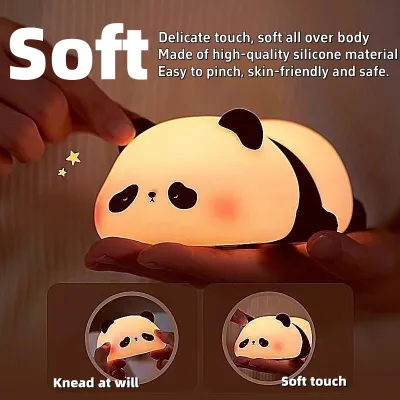
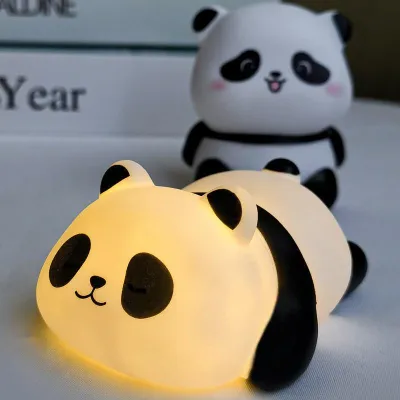
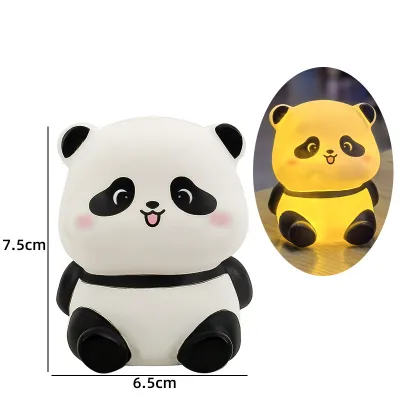
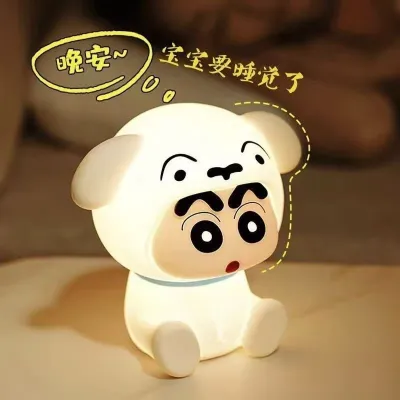
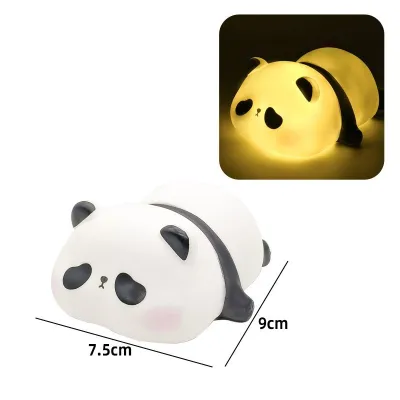
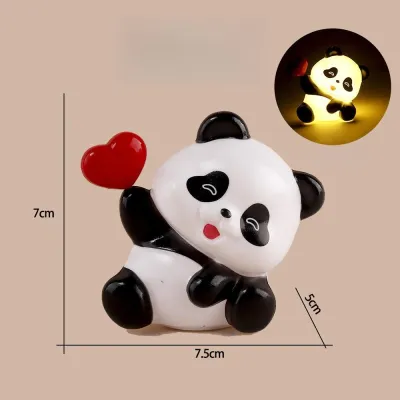
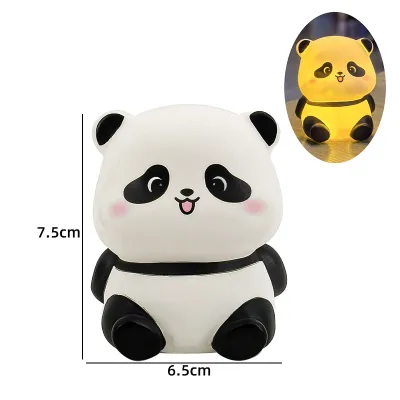
Prices are valid at publication and may change. Please refer to the product page for the latest price.
Additionally, verify that the light source is an LED. Unlike traditional incandescent bulbs, LEDs remain cool to the touch even after hours of continuous operation. This prevents accidental burns if your child decides to hug or hold the panda light during the night.
In tropical environments like the Philippines, high humidity and dust accumulation can also affect electronic components over time. When selecting a night light, look for models with well-sealed ports or protective silicone caps that cover the charging input. This simple design feature helps prevent moisture and dust from entering the internal circuitry, reducing the risk of short circuits and extending the overall lifespan of the device.
Selecting the Right Brightness and Color Temperature
The primary purpose of a night light is to provide reassurance without disrupting your child’s natural sleep cycle. High-intensity or cool blue light can suppress melatonin production, making it harder for children to fall asleep. When evaluating a mini panda night light, prioritize models that offer warm color temperatures, ideally between 2700K and 3000K. This soft, amber-toned glow mimics the natural sunset, signaling to the brain that it is time to rest.

Adjustable brightness levels are highly beneficial for adapting to different nighttime needs. A model with multiple dimming steps allows you to use a slightly brighter setting for bedtime reading or diaper changes, and a very low, whisper-quiet glow for overnight sleep. Look for lights that offer a minimum brightness level of under 5 lumens for overnight use to prevent glare.
Some advanced models feature a gradual fade-out or sleep timer function. This allows the light to slowly dim over a set period, such as 30 or 60 minutes, easing the transition from wakefulness to deep sleep without requiring you to enter the room and manually turn off the device.
For children who are afraid of the dark, a light that stays on at a very low level can prevent midnight panic. However, if the light is too bright, it can interfere with deep REM sleep. Finding a balance means testing the light in a completely dark room beforehand to ensure it casts a gentle glow rather than a harsh shadow.
Evaluating Materials and Durability for Children
Children’s toys and accessories must withstand drops, tosses, and daily wear. Mini panda night lights are commonly made from soft silicone, ABS plastic, or wood. Soft, food-grade silicone is highly recommended for younger children because of its natural shock absorption and pleasant tactile feel. A silicone panda can survive falls from bedside tables onto hard tile or wood floors without cracking or breaking.
When choosing a silicone model, check the product specifications to ensure the material is non-toxic, BPA-free, and certified safe for children who might put the toy in their mouths. ABS plastic is another durable option, offering a rigid structure that is easy to wipe down, though it lacks the squishy, huggable appeal of silicone.
The “mini” footprint of these lights is particularly advantageous for modern homes and compact condo bedrooms in the Philippines. A small light takes up minimal space on a crowded nightstand or shelf, leaving room for books, water tumblers, and other bedtime essentials. Ensure the dimensions are compact enough to fit comfortably in a child’s hand for easy carrying during midnight bathroom trips.
The texture of the material also plays a role in sensory comfort. Soft silicone provides a soothing tactile experience that can help calm anxious children as they drift off to sleep. Additionally, high-quality silicone is highly resistant to temperature fluctuations, meaning it will not become sticky or degrade when exposed to the warm, humid daytime temperatures common in tropical climates. This ensures the night light remains pleasant to touch and safe to handle year-round.
Comparing Power Options and Control Features
Choosing between a USB rechargeable model and a direct plug-in night light depends on your room layout and daily routine. USB rechargeable models offer unmatched portability, allowing your child to carry the panda light to the bathroom or keep it in bed with them. However, these models require regular charging, and battery performance can degrade over time, especially in warm, humid tropical climates.
Direct plug-in models provide continuous, reliable power without the worry of a dying battery. The trade-off is that they are tethered to a wall outlet, which limits placement options and keeps an electrical socket occupied. If you choose a plug-in model, ensure it is positioned where the child cannot easily pull it out of the wall.
Control mechanisms also vary widely. Tap-to-activate controls are incredibly intuitive for young children, allowing them to change brightness or turn the light on simply by patting the panda’s head. Remote controls offer convenience for parents who want to adjust settings from the doorway, while smart app integration allows for automated schedules, though it may require a stable home Wi-Fi connection.
When evaluating rechargeable options, pay attention to the battery capacity, usually measured in milliampere-hours (mAh). A larger battery capacity means fewer charging cycles, which is highly convenient for busy parents who do not want to add another daily device to their charging routine.
Positioning the Night Light Safely in the Bedroom
Proper placement of the night light maximizes its benefits while minimizing potential hazards. Avoid placing the light directly in your child’s line of sight when they are lying in bed. Direct glare, even from a dim light, can catch their attention and delay sleep. Instead, position the panda light on a low shelf, a bedside table slightly behind the headboard, or in a corner where the light bounces softly off the walls.
Cable management is a vital safety step for rechargeable or plug-in models. Ensure that charging cables are routed behind furniture and secured using cable clips to prevent tripping hazards. Never leave a charging cable dangling near a crib or bed where a child could become entangled.
Finally, integrate the night light into a consistent bedtime routine. Turning on the panda light at the same time every night serves as a visual cue that the day is ending and it is time to wind down. This consistency helps establish healthy sleep habits that benefit both children and parents.
Frequently Asked Questions (FAQ)
Can a mini panda night light be left on all night?
Yes, most LED-based mini panda night lights can be left on overnight, provided they are manufactured to high safety standards and do not overheat. However, it is always best to check the manufacturer’s specific guidelines regarding continuous operation. To conserve battery life on rechargeable models and reduce energy consumption, consider utilizing the built-in auto-shutoff timer if your child only needs the light to fall asleep. For plug-in models, ensure there is adequate ventilation around the outlet and that the light is not covered by blankets or curtains.
How do I clean a silicone panda night light?
Cleaning a silicone panda night light is straightforward but requires care to protect the internal electronics. Start by turning off the device and unplugging any charging cables. Wipe the outer silicone surface gently with a soft, damp cloth using mild soap and water; avoid harsh chemical cleaners or abrasive pads that could damage the silicone coating. Never submerge the entire light in water, as moisture can easily penetrate the charging port or power button and ruin the circuitry. Allow the device to air dry completely in a well-ventilated area before plugging it back in or turning it on.
Community discussion
Share your experience or ask a question. Comments are reviewed before publication.