
Selecting the right outdoor solar Christmas lights in the Philippines requires balancing festive aesthetics with the realities of tropical weather. As the holiday season kicks off during the “Ber” months, homes across the country transform with vibrant light displays. However, the combination of intense afternoon heat, high humidity, and sudden tropical downpours means standard indoor lights will not suffice. By focusing on key technical specifications and durable materials, you can create a brilliant, energy-efficient display that lasts throughout the festive season.
Solar-powered holiday lighting offers an eco-friendly and cost-effective way to decorate your garden, balcony, or roofline without increasing your monthly electricity bill. Because these systems operate independently from the main power grid, they eliminate the need for running complex extension cords from inside the house. To ensure your setup remains bright and safe, it is essential to evaluate how these lights are constructed and how they capture energy.
Key Features to Evaluate in Outdoor Solar Christmas Lights
When shopping for solar Christmas lights on online marketplaces or at local home improvement centers, the solar panel is the first component to inspect. Monocrystalline solar panels generally offer the highest energy conversion efficiency, making them ideal for capturing sufficient sunlight even on partially overcast days. Polycrystalline panels are often more budget-friendly but may require longer exposure to direct sunlight to achieve a full charge. Check the product packaging or online specifications to verify the panel type before purchasing.
Products mentioned in this guide
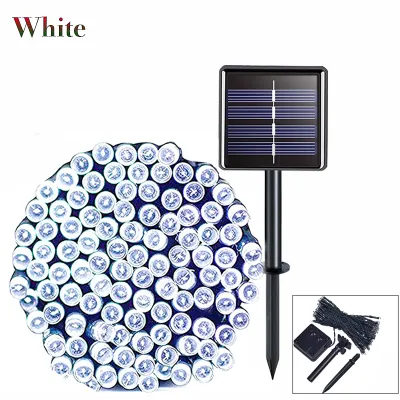
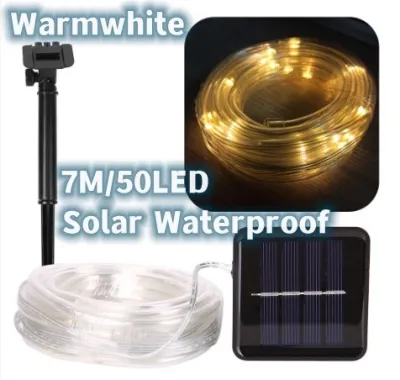
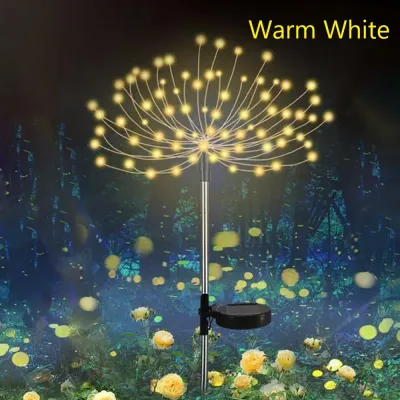
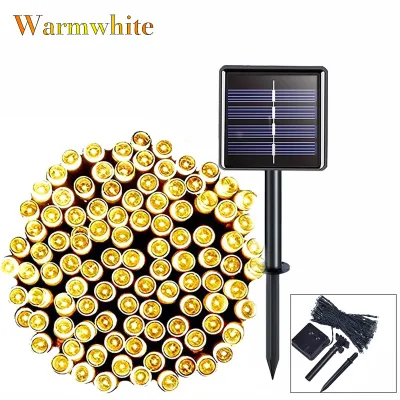
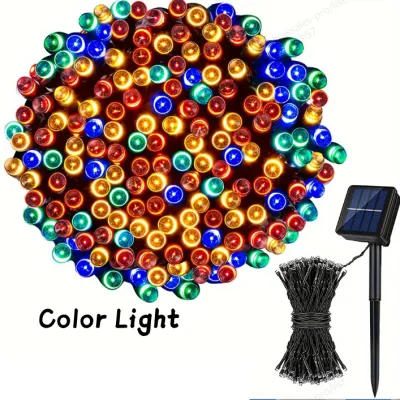
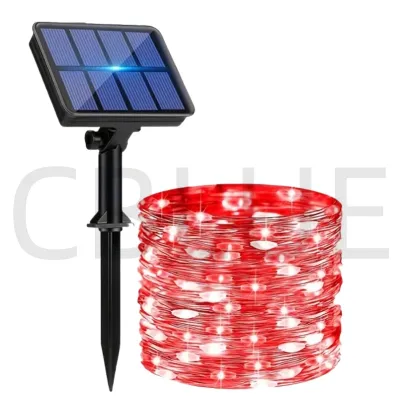
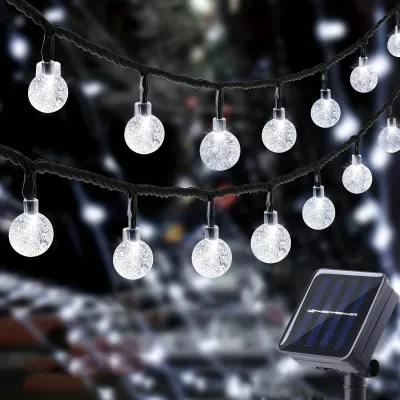
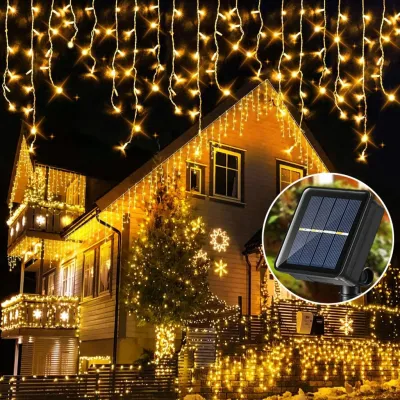
Prices are valid at publication and may change. Please refer to the product page for the latest price.
Battery capacity is another critical metric that determines how long your holiday display will stay illuminated after dark. Look for units that specify battery capacity in milliampere-hours (mAh). A higher capacity, such as 1200mAh or more, is generally necessary to power longer light strings or brighter LED configurations through the night. Always verify that the battery chemistry (such as Ni-MH or Li-ion) matches the manufacturer’s charging specifications to ensure safe operation. Budget-friendly options on online marketplaces may start around ₱200, while heavy-duty, highly weather-resistant sets can range upwards of ₱1,500.
LED brightness levels and available lighting modes allow you to customize the visual impact of your display. Modern solar light sets often feature multiple modes, including steady-on, slow fade, and rapid flashing. Opting for flashing or chasing modes can significantly extend the nightly runtime, as the LEDs are not drawing continuous power. If you prefer a warm, cozy ambiance, look for warm white options (around 2700K to 3000K), while cool white or multicolor sets offer a more vibrant, high-contrast festive look.
Before finalizing your purchase, verify the electrical specifications of the light set. Ensure the operating voltage matches the low-voltage output of the solar controller, typically ranging from 1.2V to 5V. If you are considering hybrid systems that can switch between solar power and fixed mains wiring, always check for proper electrical certification marks. For any installations involving fixed household wiring or connection to outdoor mains outlets, prioritize power-isolation safety and consult a qualified professional to prevent electrical hazards.
Matching Light Styles to Your Outdoor Spaces
String lights and fairy lights are highly versatile options for wrapping architectural and natural features around your home. They are ideal for winding around the trunks of palm trees, draping along balcony railings, or outlining rooflines. Because these wires are thin and flexible, they blend easily into foliage during the day and create a magical, floating effect at night. Ensure you secure them tightly with outdoor-rated cable ties to prevent them from whipping around in strong winds.

Stake lights and pathway lights are designed to be pushed directly into the ground, making them perfect for defining garden borders, walkways, and driveways. These fixtures typically feature individual solar panels integrated into the top of each light, eliminating the need for connecting wires between units. When placing stake lights, ensure the ground is soft enough to insert the stakes without forcing them, which can crack the plastic housing.
Net lights and curtain lights offer an efficient way to cover large vertical or horizontal surfaces with minimal effort. Net lights can be draped directly over manicured shrubs, hedges, or low fences to create an instant, even grid of glowing points. Curtain lights are excellent for hanging against exterior walls, large windows, or patio screens. When installing these larger formats, check the total dimensions and weight limits of your supporting structures to avoid sagging or damage.
Weather Resistance and Durability for Tropical Climates
The tropical climate of the Philippines presents unique challenges for outdoor electronics, making weather resistance a primary safety consideration. Always check the Ingress Protection (IP) rating of the light set. For general outdoor use, a minimum rating of IP44 is required to protect against splashing water. However, for areas fully exposed to heavy monsoon rains and typhoons, look for fixtures rated IP65 or higher, which indicates complete protection against dust ingress and low-pressure water jets.
Examine the quality of the wire insulation and connector seals to prevent moisture from causing short circuits. High-quality outdoor lights feature thick, rubberized insulation rather than thin, easily damaged plastic coatings. Screw-on connectors between the solar panel and the light string should include a rubber O-ring gasket to seal out humidity and rain. If you notice any exposed copper or cracked insulation during your pre-installation check, discard the set or consult the manufacturer for replacement parts.
Intense daily sun exposure can rapidly degrade cheap plastics, causing them to become brittle and crack. Look for product descriptions that explicitly mention UV-resistant materials or high-grade ABS plastic for the solar panel housing and ground stakes. Investing in UV-stabilized components ensures that your holiday decor can withstand the harsh tropical sun without deteriorating before the season ends.
Installation and Placement Strategies for Maximum Sunlight
To get the most out of your solar Christmas lights, the solar panel must be positioned in an unshaded area that receives direct sunlight. Avoid placing the panel directly under deep roof overhangs, dense tree canopies, or behind tall garden walls. Even partial shading on a small portion of the panel can drastically reduce its charging efficiency, leading to dim lights that turn off after only a couple of hours.
Adjust the angle of the solar panel to maximize daylight exposure throughout the day. In the Philippines, angling the panel slightly toward the south during the late-year months helps capture the sun’s lower path across the sky. Many solar panels come with adjustable ground stakes or mounting brackets; tighten the adjustment screws securely once you have found the optimal angle to prevent the panel from shifting during windy afternoons.
Safe cable routing is essential to prevent accidents and protect the integrity of your lighting system. Avoid running wires across active walkways where they can present tripping hazards or be damaged by lawnmowers. Keep all electrical connections elevated off the ground using outdoor-rated clips or cable ties to prevent them from sitting in puddles during heavy downpours. If you must run cables across a path, use a heavy-duty rubber cable protector ramp to shield the wires.
Maintenance and Storage After the Holidays
Regular maintenance during the holiday season will keep your solar lights operating at peak efficiency. Dust, pollen, and windblown debris can accumulate on the surface of the solar panel, blocking sunlight and reducing energy conversion. Wipe the panel clean every few weeks using a soft, damp microfiber cloth. Avoid using harsh chemical cleaners or abrasive scrubbing pads, as scratches on the protective cover can permanently reduce light transmission.
Proper battery care is vital for preserving the lifespan of your lights for future holiday seasons. When dismantling your display, check the manufacturer’s instructions regarding long-term battery storage. For models with accessible battery compartments, remove the rechargeable batteries to prevent potential acid leaks and terminal corrosion during the off-season. Store the batteries in a cool, dry drawer away from direct sunlight and extreme temperatures.
When packing away your lights, use careful coiling techniques to prevent internal wire breakage. Avoid wrapping the wires tightly around your hand or elbow, as this can strain the delicate copper strands inside the insulation. Instead, coil the strings loosely in a figure-eight pattern or wrap them around a sturdy piece of cardboard. Store the coiled lights and solar panels in a sealed, pest-proof plastic container to protect them from humidity and dust until the next festive season.
Frequently Asked Questions (FAQ)
Do outdoor solar Christmas lights work on cloudy or rainy days?
Yes, outdoor solar Christmas lights can still charge on cloudy or rainy days, but their efficiency is significantly reduced. Solar panels rely on daylight to generate electricity, so overcast skies mean the battery will not receive a full charge. On highly overcast or rainy days, expect the lights to operate for a much shorter duration at night, or they may appear noticeably dimmer than usual.
Can I replace the batteries in solar Christmas lights?
Many outdoor solar Christmas lights feature replaceable rechargeable batteries, but this depends entirely on the design of the unit. Check the back of the solar panel housing for a user-accessible battery compartment secured by screws and a rubber sealing gasket. If the compartment is sealed or lacks screws, the battery is likely non-replaceable. When replacing compatible batteries, always match the exact voltage, chemistry (such as Ni-MH or Li-ion), and physical size specified by the manufacturer to avoid damaging the internal circuitry.
Community discussion
Share your experience or ask a question. Comments are reviewed before publication.