
Choosing the right outdoor wall lights for your home exterior involves matching the specific environmental exposure of each zone with the correct technical specifications. In tropical climates like the Philippines, where heavy monsoon rains and high humidity are constant factors, a standard light fixture will not suffice. To achieve the ideal balance of safety, security, and curb appeal, you must evaluate each installation point—from sheltered entryways to fully exposed boundary gates—against its specific exposure to the elements and functional needs.
By identifying the exact moisture resistance, structural durability, and light distribution required for each area, you can prevent premature fixture failure and avoid frequent replacements. This systematic approach ensures that your exterior lighting remains functional and visually appealing throughout the year, regardless of intense tropical sun or sudden downpours.
Essential Specifications to Verify for Exterior Wall Sconces
Before purchasing any exterior wall sconce, you must verify several critical technical specifications on the product packaging or manufacturer datasheet. The most vital indicator of weather resistance is the Ingress Protection (IP) rating, which consists of two digits. The first digit measures protection against solid particles like dust, while the second digit measures resistance to water penetration. For sheltered areas like covered porches, a lower water-resistance rating may be acceptable, but fully exposed walls require a higher rating to withstand direct, driving rain.
Products mentioned in this guide
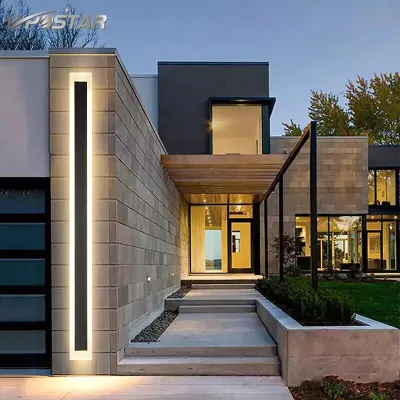
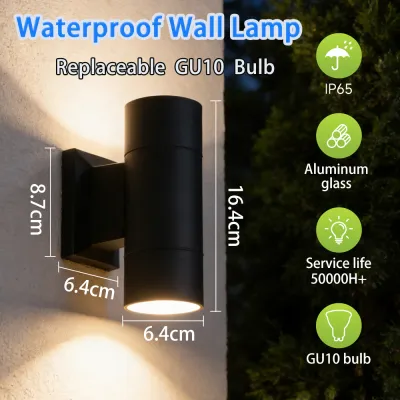
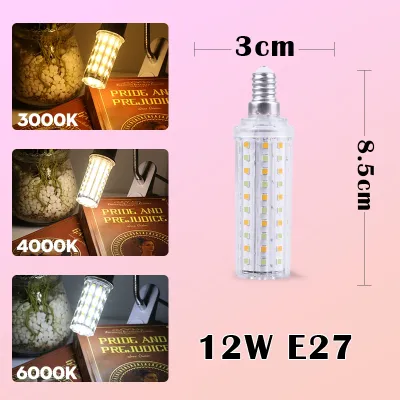
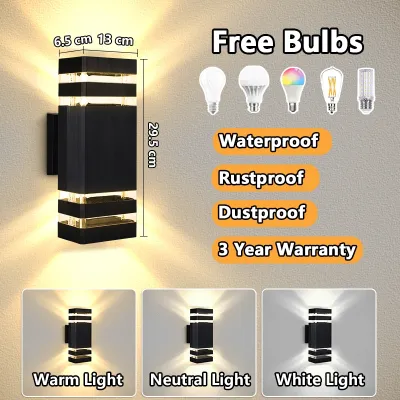
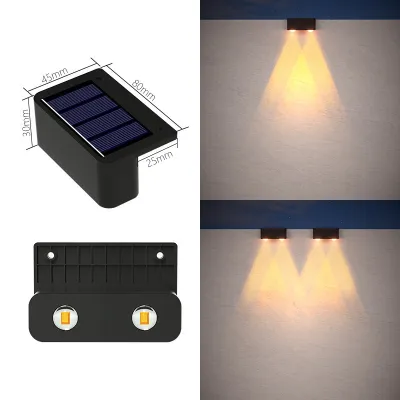
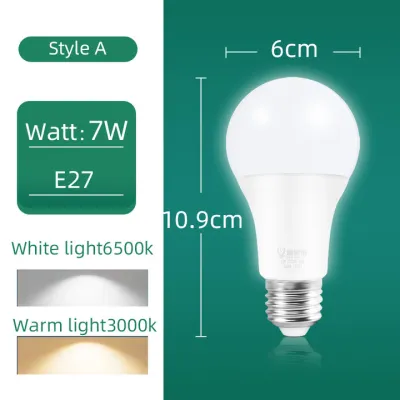
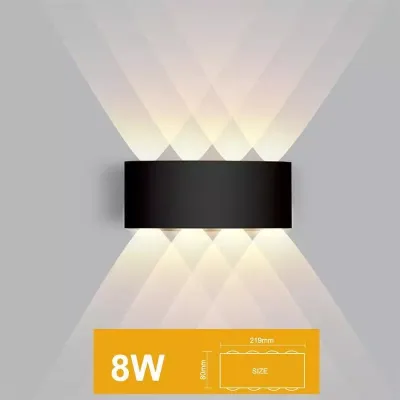

Prices are valid at publication and may change. Please refer to the product page for the latest price.
Electrical compatibility is another non-negotiable check. You must verify that the fixture’s rated voltage matches your home’s electrical system, which is typically 220V in the Philippines. Additionally, check the maximum wattage limit of the fixture to prevent overheating, especially if you plan to use traditional bulbs instead of energy-efficient LEDs. Ensuring the base type, interface, and dimming method match your intended bulbs is also essential for a secure, weatherproof fit.
The material composition of the fixture determines how well it will resist corrosion over time. Humid tropical air and salty coastal breezes can rapidly degrade low-quality metals, leading to unsightly rust and structural failure. Look for fixtures made from heavy-duty materials such as die-cast aluminum, brass, or high-grade polycarbonate with UV-resistant coatings. Verifying these material specifications beforehand helps ensure the housing will not peel, fade, or corrode after a single rainy season.
Matching Light Styles and Functions to Exterior Locations
Different areas of your home’s exterior serve distinct purposes, meaning a single style of wall light cannot meet every need. Matching the physical design and light output of a fixture to its specific location ensures optimal performance, safety, and visual harmony across your entire property.

Porches and Entryways
Your front porch and main entryway require lighting that is welcoming yet highly functional for navigating steps and finding keys. To prevent discomfort for arriving guests, prioritize fixtures designed with glare reduction, such as those featuring frosted glass, diffused lenses, or downward-facing shades. These designs direct the light downward toward the threshold where it is needed most, rather than shining directly into eyes.
Visual proportion is equally important when selecting an entryway sconce. A fixture that is too small will look lost against a large front door, while an oversized light can overwhelm the architectural entryway. As a general guideline, check the physical dimensions of the sconce to ensure its height is approximately one-fourth to one-third the height of the door frame.
For added convenience and security, verify whether the fixture is compatible with motion sensors or integrated smart home features. Sconces with built-in motion sensors can automatically brighten when someone approaches, providing instant illumination without requiring you to leave the light on continuously. If you prefer automated schedules, look for smart-compatible models that allow you to control the entryway lighting via a mobile application.
Driveways and Garage Exteriors
Driveways and garage exteriors demand high-visibility lighting that covers a wide area to assist with parking and deter intruders. When evaluating fixtures for these zones, pay close attention to the beam angle and light spread indicated in the product specifications. A wide beam angle ensures that light reaches the edges of the driveway, eliminating dark corners where vehicles might accidentally scrape walls or landscaping.
Because garage walls are often exposed to vehicle exhaust, airborne dust, and occasional physical impacts, structural durability is a key consideration. Look for robust, low-profile fixtures that sit relatively flush against the wall to minimize the risk of being struck by passing vehicles or equipment. Heavy-duty metal housings with impact-resistant polycarbonate lenses are highly suitable for these high-traffic exterior zones.
To optimize energy efficiency, consider fixtures equipped with integrated photocells or dusk-to-dawn sensors. These sensors automatically detect ambient light levels, turning the fixtures on at sunset and off at sunrise without manual intervention. This automation ensures your driveway is always illuminated when you return home after dark, while preventing energy waste during daylight hours.
Garden Walls and Patio Perimeters
Lighting for garden walls and patio perimeters should focus on creating a comfortable, relaxing atmosphere for outdoor living and highlighting landscape features. The color temperature of the light source plays a major role in setting this mood. Warm white light, typically ranging from 2700K to 3000K, is ideal for creating a cozy, inviting ambiance on patios, whereas cooler temperatures are better suited for task-oriented areas.
The direction of the light beam can dramatically alter the appearance of your outdoor spaces. Uplighting fixtures can be used to highlight the texture of stone walls or cast dramatic shadows through garden foliage, while downlighting fixtures provide focused illumination on pathways and seating areas. Many modern exterior sconces offer dual-directional lighting, casting light both upward and downward to create a balanced, architectural effect.
Finally, ensure the design language of the wall lights integrates seamlessly with your existing patio furniture, planters, and overall landscape aesthetics. Whether your home features a modern minimalist design or a more traditional tropical style, selecting fixtures with matching finishes—such as matte black, bronze, or brushed metal—helps create a cohesive outdoor environment.
Boundary Gates and Fences
Boundary gates and fences represent the outermost perimeter of your property and require security-focused lighting that provides maximum visibility. For these areas, prioritize fixtures with high-lumen output and wide beam spreads designed to illuminate large sections of the property line. This bright, expansive light serves as an effective deterrent to trespassers and assists with perimeter monitoring.
Because boundary walls and gates are typically fully exposed to the elements without the protection of roof overhangs, they require the highest level of weatherproofing. Verify that any fixture intended for a boundary wall features robust silicone seals, tight gaskets, and heavy-duty construction. The product specifications should explicitly state that the fixture is rated for wet locations and fully unsheltered mounting.
To maximize the utility of your perimeter lighting, check its compatibility with external timers, smart home security systems, or high-lumen LED modules. Integrating these lights with your home security setup allows them to flash or brighten when perimeter cameras detect motion. This integration provides an active layer of security that helps protect your home even when you are away.
Installation Safety and Maintenance Boundaries
Installing and maintaining outdoor wall lights involves working with electrical currents in environments where moisture is present, making safety the absolute priority. Before attempting any installation, you must identify the strict boundary where DIY tasks must stop and a licensed professional must take over. Any work involving fixed wiring, the installation of new weatherproof junction boxes, or modifications to your home’s main electrical panel requires a qualified electrician. Always isolate the power at the circuit breaker before touching any electrical components, and verify that the power is completely off using a reliable voltage tester.
Before mounting a new fixture, carefully inspect all manufacturer-supplied seals, rubber gaskets, and mounting hardware. A single misaligned gasket or loose screw can allow humid air or rainwater to penetrate the housing, leading to short circuits and premature fixture failure. Follow the manufacturer’s installation instructions precisely, ensuring that all conduit entries and mounting plates are properly sealed with outdoor-rated silicone caulk to prevent water from seeping behind the fixture.
Routine maintenance is essential to preserve the appearance and functionality of your outdoor lights, especially in dusty or humid environments. Clean your fixtures regularly using a soft microfiber cloth and a mild solution of dish soap and warm water to remove dirt, insect nests, and salt residue. Never use harsh chemical solvents, abrasive scrubbing pads, or high-pressure washers, as these can strip away protective anti-corrosion coatings and force water past the weatherproof seals, causing permanent damage to the internal electronics.
Frequently Asked Questions (FAQ)
Can indoor wall sconces be used in covered outdoor areas?
No, indoor wall sconces should never be used in outdoor areas, even if the location is fully covered by a roof or awning. Indoor fixtures lack the specialized seals, gaskets, and corrosion-resistant finishes required to withstand outdoor humidity, temperature fluctuations, and airborne moisture. Using an indoor-rated fixture outdoors can lead to rapid moisture ingress, electrical short circuits, and potential fire hazards, while also voiding the manufacturer’s warranty. Always check the product label to ensure the fixture is certified for damp or wet locations before installing it outside.
How do I clean outdoor wall lights without damaging the finish?
To clean outdoor wall lights safely, first turn off the power at the circuit breaker to eliminate any electrical risk. Gently wipe the exterior surfaces with a soft, non-abrasive microfiber cloth dampened with a mixture of mild dish soap and warm water. Avoid using harsh chemical solvents, glass cleaners with ammonia, or abrasive scrubbing brushes, as these can degrade the protective UV and anti-corrosion coatings. Once clean, wipe the fixture dry with a clean cloth, and inspect the seals and gaskets for any signs of wear or cracking before restoring power.
Community discussion
Share your experience or ask a question. Comments are reviewed before publication.