
Finding the right balance of functionality and style in a modern condominium often comes down to how you manage your lighting. In compact urban spaces, traditional corded lamps can clutter limited tabletop surfaces and restrict your layout options based on where wall outlets are located. A rechargeable touch light offers a versatile, cordless alternative that can be easily moved to wherever illumination is needed most.
To select the ideal fixture for your home, you must match the specific demands of each condo zone. This means choosing a soft, dimmable glow for your bedside table, a low-profile navigation light for dark hallways, or an adjustable accent lamp to create a relaxing evening atmosphere. By focusing on battery management, light quality, and secure mounting, you can elevate both the safety and aesthetic appeal of your living space.
Quick Guide: Matching Touch Lights to Condo Zones
Condo living requires lighting solutions that adapt quickly to different times of day and various activities. In a single open-plan layout, a corner might serve as a workspace by day and a relaxation nook by night. Cordless touch lights solve this adaptability challenge by eliminating permanent wiring, allowing you to shift your light source as your daily routine unfolds.
Products mentioned in this guide
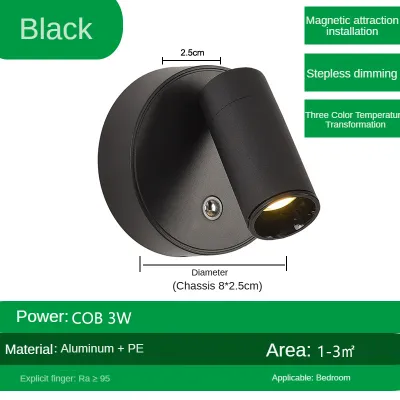
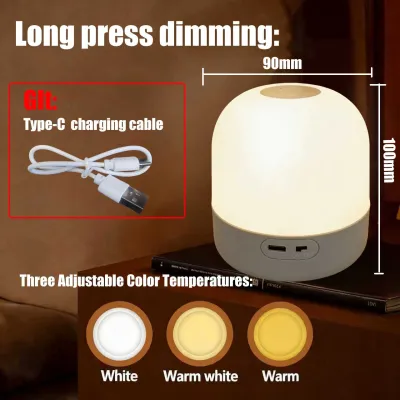

Prices are valid at publication and may change. Please refer to the product page for the latest price.
When selecting these portable fixtures, your primary focus shifts away from raw, high-lumen output toward more nuanced features like color temperature control, dimming capabilities, and battery efficiency. For instance, task-oriented areas require focused, cooler light to prevent eye strain, while transitional zones demand low-intensity, automated, or easily activated safety lights. Meanwhile, decorative and social spaces benefit from warm, highly adjustable accent lights that enhance the room’s visual depth.
Lighting Requirements for Key Condo Zones
Every room in a condominium has a distinct physical layout and environmental profile that dictates the type of lighting it requires. Utilizing a single style of touch light throughout your entire home often leads to poor functionality, such as a hallway light that is too bright at midnight or a bedside lamp that fails to provide adequate reading light. By analyzing the specific visual and physical demands of each zone, you can make informed purchasing decisions that target your exact needs.

Bedside Tables and Reading Nooks
The primary goal of bedside lighting is to facilitate a smooth transition from evening activities to restful sleep. To achieve this, look for rechargeable touch lights that feature stepless dimming, which allows you to fine-tune the brightness level to your exact comfort level rather than forcing you to choose between rigid, pre-set steps. A frosted diffuser is also essential in this zone, as it softens the light output and eliminates harsh glare that can strain your eyes when reading in bed.
Physical stability is another critical factor for bedside tables, which are often compact or shared with books, glasses, and phones. Prioritize fixtures designed with a weighted, stable base to prevent the lamp from tipping over when you reach out to tap the sensor in the dark. Additionally, selecting a model with adjustable color temperatures enables you to use a cooler, clearer light for focused reading, and then easily switch to a warm, amber hue that signals your body it is time to wind down.
Hallways and Nighttime Navigation
Navigating a dark condo hallway in the middle of the night requires subtle, low-intensity lighting that guides your path without fully waking you up or disturbing other household members. High-lumen fixtures can cause temporary blindness when your eyes are adjusted to the dark, so look for low-lumen options that provide just enough visibility to prevent trips and falls.
Because hallways are high-traffic transitional spaces, the physical mounting method of your touch light is just as important as its light output. Damage-free mounting options, such as magnetic strips with adhesive backings, allow you to secure lights along baseboards or walls without drilling into concrete or plaster. For these navigation lights, verify the expected battery life under continuous use or opt for motion-sensor modes that conserve power by only activating when someone approaches.
Ambient Mood and Sunset Projection
Decorative lighting is designed to enhance the aesthetic appeal of your living space, making it feel larger, warmer, and more inviting. Sunset projection lamps and multi-color mood lights have become popular choices for creating dramatic visual effects on plain condo walls. When evaluating these projection-style lights, pay close attention to the adjustable angle of the lamp head and the clarity of the projected light edge, as these factors determine how effectively you can shape the light to fit your room’s architecture.
Color accuracy and saturation are also vital when choosing multi-color mood lamps. Ensure the available color spectrum complements your existing interior decor and furniture tones rather than clashing with them. Because these fixtures often sit in prominent locations like media consoles or sideboards, select a model whose physical housing and materials look intentional and attractive as a decorative object even when the light is turned off.
Essential Specifications to Verify Before Purchase
Before purchasing any rechargeable touch light, it is crucial to look past aesthetic appeal and verify the technical specifications to ensure safety, compatibility, and long-term performance.
- Battery and Charging: Check the charging port standard on the fixture; modern USB-C ports offer faster, more convenient charging and better compatibility with your existing household cables. Review the manufacturer's documentation regarding battery chemistry (typically lithium-ion), expected charge cycles before degradation, and estimated runtime at various brightness levels.
- Brightness and Color: Verify the lumen output and Kelvin rating of the light. For general reference, a lower Kelvin rating (around 2700K to 3000K) indicates a warm, cozy light, while higher ratings (above 4000K) provide a cooler, daylight-mimicking effect. Look for fixtures that offer adjustable color temperatures and dimming ranges rather than a single, non-adjustable setting.
- Build and Controls: Test or research the responsiveness of the touch-sensitive area. A high-quality sensor should register light taps reliably without requiring heavy pressure. Additionally, inspect the housing materials; durable plastics or lightweight metals help dissipate heat effectively and withstand the wear and tear of being moved from room to room.
- Electrical Certification: Ensure the product carries recognized safety and electrical certifications to protect against short circuits or battery overheating, especially if you plan to leave the device unattended.
Safe Placement and Condo-Friendly Installation
Proper placement and installation of your rechargeable touch lights are essential to maximize their lifespan and maintain a safe living environment. In tropical climates with high humidity, such as the Philippines, environmental factors play a significant role in how electronic devices perform.
Avoid placing battery-powered lights in areas exposed to direct, intense sunlight, such as window sills, as excessive heat can accelerate battery degradation and pose safety risks. Similarly, do not install standard rechargeable lights in high-humidity zones like bathrooms unless the manufacturer explicitly states the product has an appropriate moisture-resistance rating (such as an IP rating for water resistance). For any installation involving fixed wiring, damp environments, or suspended loads, always consult the manufacturer’s instructions or hire a qualified professional to ensure compliance with local electrical safety standards.
Keep your charging areas organized by routing cables away from high-traffic walkways to prevent tripping hazards and protect the charging ports from physical damage. When using adhesive-backed magnetic mounts on painted condo walls, always clean the surface thoroughly first and test the adhesive on an inconspicuous area. This precaution helps prevent the adhesive from peeling away paint or damaging delicate wall finishes when it is time to remove or reposition the light.
Frequently Asked Questions (FAQ)
Can I leave my rechargeable touch light plugged in all the time?
While many modern rechargeable lights feature built-in overcharge protection, keeping a lithium-ion battery constantly plugged in and maintained at maximum charge can accelerate battery degradation over time. To prolong the overall lifespan of the internal battery, it is generally best to unplug the device once it reaches a full charge and run it on battery power periodically. Always consult your specific product’s user manual to verify if the manufacturer supports continuous plug-in use or if doing so will void the warranty.
How do I clean the touch sensor without damaging it?
To maintain the responsiveness of the touch sensor, clean the surface regularly using a dry or slightly damp microfiber cloth to remove accumulated fingerprints, dust, and oils. Never spray liquid cleaners directly onto the lamp housing, and avoid using harsh chemical solvents, abrasive pads, or excessive moisture. Liquid seeping into the seams around the touch sensor can damage the internal circuitry, leading to control failures or complete electrical malfunction.
Community discussion
Share your experience or ask a question. Comments are reviewed before publication.