
Choosing a small lamp for bedroom spaces in the Philippines requires balancing visual appeal with practical considerations like heat output in tropical climates and space constraints in modern condominiums. The ideal ambient light should soothe the eyes after a long day, fit comfortably on a compact bedside table, and operate safely within local electrical standards. Rather than searching for a single universal winner, finding the right lamp involves matching the light’s projection style, power source, and control features to your specific evening routine.
By understanding the technical specifications of mood lighting, you can avoid common purchasing pitfalls such as buying lamps that run too hot, flicker under local voltage, or fail to fit your furniture. This guide outlines the essential selection criteria, categorizes the main types of ambient lighting, and provides a framework for building a shortlist that matches your bedroom layout and relaxation habits.
Key Selection Criteria for Bedroom Mood Lighting
Selecting a small lamp for bedroom relaxation requires looking beyond aesthetics to evaluate how the light interacts with your eyes and your space. The primary goal of mood lighting is to signal to your brain that it is time to wind down, which requires careful attention to light temperature, brightness control, physical dimensions, and power delivery.
Products mentioned in this guide
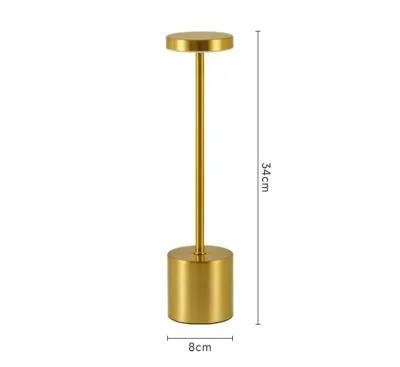
Prices are valid at publication and may change. Please refer to the product page for the latest price.
Light temperature is measured in Kelvin (K), and for bedroom relaxation, warm tones are essential. Look for lamps that emit light in the 2000K to 2700K range, which produces a warm amber or soft golden glow. This spectrum mimics the natural colors of sunset and minimizes blue light exposure, which is known to disrupt melatonin production and interfere with sleep quality. While color rendering index (CRI) is crucial for task lighting, mood lighting prioritizes a soft, warm spectrum over high-accuracy color representation.
Brightness control is another critical factor. A lamp that is too bright can cause eye strain in a dark room, while one that is too dim may not provide enough light for light evening reading. Opt for lamps that feature step-less dimming or at least three distinct brightness presets. Touch-sensitive controls are highly convenient for bedside use, allowing you to adjust the light level in the dark without fumbling for an inline cable switch.
Physical size and footprint are particularly important in compact urban bedrooms and condominiums where bedside table space is limited. Measure your table surface before buying; a small lamp should ideally have a base diameter of less than 12 centimeters to leave room for other essentials like a phone, a glass of water, or a book. Additionally, look for models with a weighted base or non-slip silicone pads on the bottom to prevent the lamp from sliding off the table if accidentally bumped.
Finally, consider the power source options. USB-powered lamps offer excellent flexibility because they can run off standard wall adapters, computer ports, or portable power banks, making them highly useful during occasional power interruptions. Direct plug-in models provide consistent, uninterrupted power without the need for external adapters, while battery-operated cordless models offer clean aesthetics without messy cables, though they require regular recharging or battery replacements.
Types of Small Sunset and Mood Lamps
Ambient lamps come in several distinct styles, each producing a unique light effect. Understanding these types allows you to choose a design that complements your bedroom’s layout and your personal aesthetic preferences.

Sunset projection lamps use a specialized optical lens and a high-intensity LED to project a vibrant, circular gradient that mimics a natural sunset. These lamps are excellent for creating visual depth and a dramatic, artistic atmosphere. When evaluating a sunset lamp, consider the beam angle and throw distance. A wider beam angle creates a larger halo but requires more distance from the wall to expand fully. If your bed is positioned close to the wall, you will need a lamp that can produce a clear, defined gradient even at a short clearance of 0.5 to 1 meter.
Diffused glow lamps utilize translucent shades made of glass, fabric, or food-grade silicone to scatter light evenly in all directions. This design eliminates harsh glare and shadows, providing a soft, uniform illumination that is highly soothing for the eyes. Silicone-shielded lamps are particularly popular for bedrooms because the material is durable, cool to the touch, and highly resistant to accidental drops. Fabric and glass shades offer a more traditional, elegant look but require more careful handling and regular dusting.
Smart color-changing lamps integrate with home Wi-Fi or Bluetooth networks, allowing you to control colors, brightness, and schedules via a smartphone application. These lamps often feature preset sleep scenes that gradually transition from warm orange to complete darkness over a set period, helping you fall asleep naturally. When choosing a smart lamp, verify its connectivity requirements, as many models require a dedicated 2.4 GHz Wi-Fi band to connect successfully and may not function properly on 5 GHz networks.
Safety and Compatibility Checks Before Buying
Before purchasing any ambient lamp from online marketplaces, it is vital to verify its electrical safety and physical compatibility with your home environment. Taking a few minutes to check specifications can prevent electrical hazards and ensure the longevity of your device.
Voltage compatibility is the first and most crucial check. The standard electrical system in the Philippines operates at 220V at 60Hz. Many imported lamps sold online are designed for 110V systems; plugging these directly into a local outlet without a step-down transformer will damage the lamp and pose a serious fire hazard. Always check the product description or the label on the power adapter to ensure it explicitly lists an input range that covers 220V (such as 100V-240V). Additionally, look for standard Type A or Type C plugs that fit securely into local wall outlets without the need for loose, bulky travel adapters.
Heat dissipation is another critical safety consideration, especially in a tropical climate where ambient room temperatures are already warm. Even energy-efficient LEDs generate heat, particularly projection lamps that concentrate light through a thick glass lens. Ensure the lamp body has adequate ventilation slots or is constructed from materials like aluminum that naturally draw heat away from the internal components. Always place the lamp at a safe distance of at least 30 centimeters from highly flammable bedroom textiles, including sheer curtains, bedsheets, and mosquito nets.
When browsing product listings, look for basic electrical safety markings and manufacturer specifications. Reputable products will feature international safety certifications such as CE, RoHS, or UL printed on the device or its packaging. Avoid purchasing generic, unbranded lamps that lack clear electrical ratings or user manuals.
If you plan to integrate your mood lighting into fixed wall sconces, modify existing bedroom wiring, or install high-load multi-lamp setups, always isolate the power at the circuit breaker and consult a qualified electrician. For standard plug-and-play bedside lamps, simply ensuring the voltage matches and keeping the cord tidy and away from foot traffic is sufficient for safe daily operation.
Building Your Shortlist: Matching Lamps to Bedroom Scenarios
To find the ideal lamp, it helps to match the lighting style to your specific bedroom layout, furniture, and evening habits. Creating a conditional shortlist based on these scenarios ensures your purchase serves a practical purpose.
Scenario 1 is the compact bedside table. If your bedside space is highly restricted, prioritize a compact, low-heat diffused glow lamp. A silicone-shielded LED lamp with a footprint of less than 10 centimeters is ideal for this setup. It provides a gentle, non-glaring light for winding down without taking up valuable space or posing a burn risk if accidentally brushed against in the dark. These lamps are also highly portable, allowing you to move them easily if you decide to rearrange your furniture.
Scenario 2 is the empty wall corner or blank wall. If you want to create visual depth and a dramatic aesthetic, a sunset projection lamp is the best fit. Place the lamp on a low shelf, a corner stand, or even the floor, angling the lens upward toward a blank wall or ceiling. Ensure you have at least 1 to 2 meters of unobstructed clearance to allow the colorful halo to expand fully. This setup is perfect for creating a relaxing, immersive backdrop for listening to music or meditating before sleep.
Scenario 3 is the dynamic lighting routine. For those who want a seamless transition from evening activities to deep sleep, a smart color-changing lamp is highly suitable. You can program the lamp to emit a bright, cool white light for early evening reading, transition to a warm amber glow as bedtime approaches, and automatically shut off after you fall asleep. This automation eliminates the need to reach for a switch when you are already drowsy, supporting a healthier sleep cycle.
As you build your shortlist, weigh the trade-offs of cordless portability against wired reliability. Cordless, rechargeable lamps offer clean aesthetics without messy cables, making them easy to move around the room or use during power outages. However, they require frequent charging and may dim as the battery drains. Wired USB or plug-in lamps provide constant, reliable brightness but limit your placement options to areas near electrical outlets. Choose the option that best aligns with your daily habits and room layout.
Frequently Asked Questions (FAQ)
Can I leave a small sunset lamp on all night?
Leaving a sunset projection lamp on all night is generally not recommended unless the manufacturer explicitly states it is designed for continuous overnight operation. The concentrated lenses in projection lamps can trap heat, which may degrade the LED chip over time and shorten its overall lifespan. Additionally, the vibrant colors of a sunset lamp, while relaxing in the evening, can be too bright for deep sleep and may disrupt your sleep cycles. For overnight use, it is safer and more conducive to sleep to opt for a dedicated low-wattage nightlight or a smart lamp equipped with an automatic sleep timer that shuts off after 30 or 60 minutes.
Do sunset lamps use a lot of electricity?
Small LED sunset and mood lamps are highly energy-efficient and do not use a significant amount of electricity. Most of these compact devices operate on low wattages, typically ranging from 3W to 10W. To verify the exact power draw, check the product label or user manual for the input specifications; for example, a USB-powered model operating at 5V and 1A draws only 5W of power. Running a 5W lamp for four hours every evening will have a negligible impact on your monthly household electricity bill, costing only a few centavos per hour under standard local utility rates.
How do I clean a silicone or glass mood lamp?
Always unplug the lamp and disconnect it from its power source before cleaning to prevent electrical shocks. For glass or hard plastic shades, wipe the surface gently with a dry or slightly damp microfiber cloth to remove dust. For silicone lamps, which can attract lint and dust due to static electricity, you can wipe them with a clean, damp cloth. Avoid using harsh chemical solvents, alcohol, or abrasive scrubbing pads, as these can degrade the silicone surface, strip away protective coatings, or cloud the optical lenses of projection lamps. Allow all components to dry completely before plugging the device back in.

Community discussion
Share your experience or ask a question. Comments are reviewed before publication.