
Finding the best sunflower solar garden lights in the Philippines requires balancing whimsical outdoor aesthetics with the harsh realities of a tropical climate. These decorative fixtures offer an easy, wire-free way to illuminate garden pathways, flowerbeds, and patios, but their performance depends heavily on how well they handle intense sunlight, high humidity, and heavy seasonal downpours. To make a smart purchase, you must look beyond the charming floral design and evaluate the underlying technical specifications, such as solar panel efficiency, battery chemistry, and weatherproofing.
A successful installation relies on verifying product listings on local e-commerce platforms and understanding how to maintain these lights for year-round performance. By focusing on durable materials and realistic performance metrics, you can transform your outdoor space into a glowing nighttime haven that withstands the elements. This guide provides the essential framework to help you evaluate, select, and maintain sunflower solar lights that deliver both beauty and longevity.
Key Features to Evaluate in Sunflower Solar Lights
The heart of any solar-powered fixture lies in its ability to convert sunlight into usable electricity and store it for nighttime use. When shopping for sunflower solar lights, the type of solar panel integrated into the design is your first point of evaluation. Most budget-friendly models utilize polycrystalline solar panels, which are recognizable by their speckled blue appearance. While cost-effective, polycrystalline panels generally offer lower energy conversion efficiency, meaning they require more hours of direct sunlight to fully charge the battery.
Products mentioned in this guide
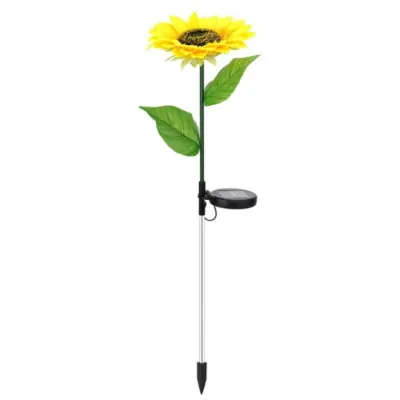
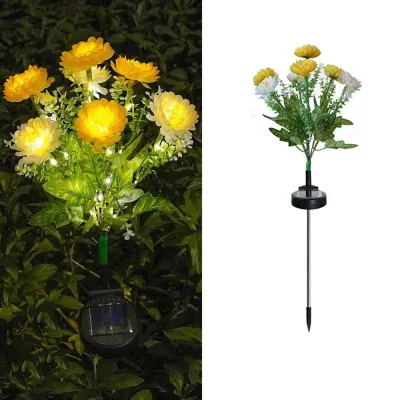
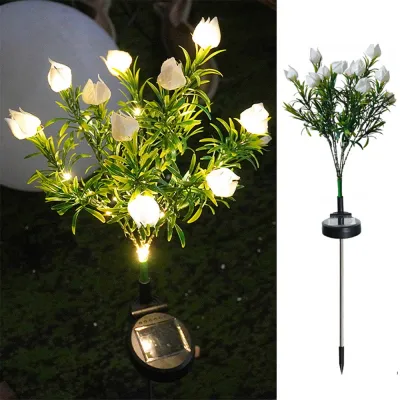
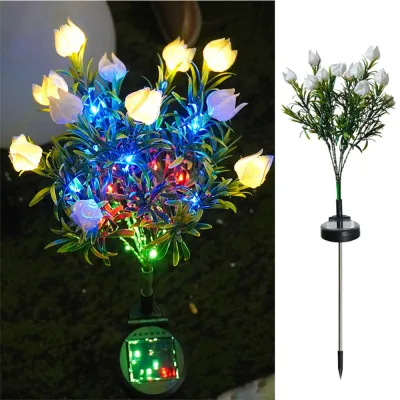
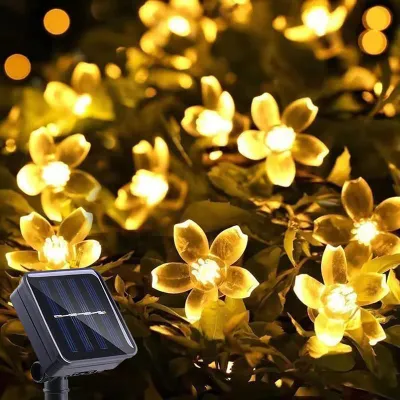
Prices are valid at publication and may change. Please refer to the product page for the latest price.
For superior performance, especially in regions with frequent afternoon cloud cover, look for fixtures equipped with monocrystalline solar panels. These panels are solid black and boast higher conversion efficiencies, allowing them to generate more power in less time and under partial shade. Additionally, check if the panel is laminated with a protective layer of tempered glass or high-grade polyethylene terephthalate (PET). Cheap epoxy resin coatings tend to yellow, crack, and degrade rapidly when exposed to the intense ultraviolet (UV) rays common in tropical climates, which permanently reduces their charging capacity.
Battery chemistry is another critical factor that dictates how long your sunflower lights will stay illuminated after sunset. Many standard decorative solar lights rely on Nickel-Metal Hydride (Ni-MH) batteries, typically in AA or AAA sizes with a voltage of 1.2V. Ni-MH batteries are highly accessible and easy to replace, but they have a lower energy density and a shorter overall lifespan when subjected to high ambient temperatures. If your budget allows, prioritize fixtures that utilize Lithium-ion (Li-ion) or Lithium Iron Phosphate (LiFePO4) batteries, which operate at 3.2V or 3.7V. These lithium-based chemistries offer faster charging times, deeper discharge cycles, and a significantly longer operational lifespan in warm environments.
The visual appeal of your sunflower lights is determined by the light-emitting diode (LED) configuration and the quality of the materials used for the petals. Some designs feature a single, high-output LED bead positioned in the center of the flower, creating a focused point of light. Other models weave multiple micro-LEDs, often referred to as copper wire fairy lights, throughout the fabric petals to produce a soft, diffused glow that highlights the entire flower structure. Consider the color temperature of the LEDs; warm white (2700K to 3000K) offers a cozy, natural ambiance that complements garden foliage, while cool white (6000K) provides higher contrast and visibility along dark paths.
Finally, examine the structural materials of the stem and petals. The sunflower petals are usually crafted from waterproof polyester or silk fabric treated with a UV-resistant coating, or from molded plastic. While fabric petals offer a more realistic and delicate appearance during the day, they are more prone to fading and fraying over time. The stems and ground spikes should be constructed from rust-resistant materials such as stainless steel, anodized aluminum, or high-impact ABS plastic. Given the high humidity and salt air in coastal areas of the Philippines, avoiding untreated ferrous metals is essential to prevent rust from structurally weakening the fixtures.
Design and Installation Considerations for Garden Pathways
Integrating sunflower solar lights into your landscape design requires careful consideration of physical proportions and spatial layout. Standard sunflower fixtures typically range from 60 to 80 centimeters in height, with the flower heads measuring between 12 and 15 centimeters in diameter. Before purchasing, measure the height of your existing garden plants and ground cover. If the solar lights are too short, they may be overshadowed by growing shrubs or tall grass, which not only hides their decorative appeal but also blocks the solar panels from receiving the direct sunlight needed for charging.

The installation method must match the terrain of your outdoor space. Most sunflower solar lights are designed with a simple ground spike that is pushed directly into soil, turf, or garden beds. If you plan to install these lights along a concrete pathway, tiled patio, or wooden deck, you will need to look for models that include surface-mount brackets or flat bases that can be screwed down. When installing ground spikes in dry, compacted soil, never force the spike downward, as this can easily bend the metal stem or snap the plastic connector. Always soften the soil first by watering the area thoroughly, or use a metal tool to create a pilot hole before inserting the spike.
Pathway safety and navigation depend on the beam angle and light distribution of the fixtures. Because sunflower lights are primarily decorative, they emit a soft, omnidirectional glow rather than a focused, downward beam. To use them effectively for pathway guidance, space the fixtures approximately 1 to 1.5 meters apart. This spacing ensures that the pools of light overlap slightly, eliminating dark zones where tripping hazards might lurk. If you have a winding path, place the lights at the curves to clearly define the borders of the walkway at night.
Aesthetic preferences also play a major role in your layout decisions. You can choose between steady-on warm white lights for a classic, elegant look, or multi-colored RGB (Red, Green, Blue) lights that cycle through different hues. Color-changing modes are highly popular for festive occasions and holidays, adding a playful energy to the garden. However, keep in mind that dynamic color-changing modes can sometimes consume battery power more rapidly than a single, steady LED mode. If your primary goal is consistent, all-night pathway visibility, steady warm white is generally the more reliable choice.
How to Verify Product Claims on E-commerce Platforms
Shopping for solar garden lights on online marketplaces requires a healthy dose of skepticism, as listings are frequently filled with exaggerated specifications. The most critical specification to verify is the Ingress Protection (IP) rating, which measures the fixture’s resistance to dust and water. For outdoor use in the Philippines, where sudden tropical downpours and typhoons are common, a minimum rating of IP65 is highly recommended. An IP65 rating indicates that the light is completely dust-tight and can withstand low-pressure water jets from any direction. Avoid listings that simply claim to be “waterproof” without providing an official IP rating, as these products often leak after the first heavy rain.
To spot unrealistic performance claims, cross-reference the stated battery capacity with the advertised operating time and lumen output. A standard budget solar light equipped with a 600mAh Ni-MH battery can realistically power a few low-draw LEDs for 6 to 8 hours on a full charge. If a seller claims their light delivers high-intensity illumination for 15 hours using a small, low-capacity battery, the claim is physically impossible. Look for listings that provide detailed technical specifications rather than generic marketing buzzwords, and prioritize sellers who are transparent about the battery capacity and solar panel wattage.
Customer reviews and uploaded photos are invaluable tools for verifying real-world quality. Scroll past the initial five-star ratings and look for reviews that include actual photos and videos of the product in use. Examine the photos to assess the true color temperature of the LEDs, the thickness of the metal stakes, and the overall build quality of the fabric petals. Pay close attention to reviews written after several weeks or months of use, as these often highlight long-term durability issues such as water leakage, rusting screws, or rapid battery degradation that may not be apparent out of the box.
Finally, evaluate the price-to-performance ratio and the seller’s warranty terms. While multi-packs priced under ₱500 are highly tempting, they often utilize lower-grade plastics, smaller batteries, and less efficient solar panels. Investing slightly more in mid-range options can result in a significantly longer product lifespan, saving you money on replacements in the long run. Check if the seller offers a clear return policy or a limited warranty against manufacturing defects. A seller willing to stand behind their product is a strong indicator of reliable quality.
Maintenance and Longevity Tips for Solar Garden Lights
To maximize the lifespan and consistent performance of your sunflower solar lights, establishing a regular maintenance routine is essential. The most common cause of declining performance is a dirty solar panel. Dust, pollen, bird droppings, and water spots can form a cloudy film over the panel’s surface, blocking sunlight and reducing charging efficiency. In the Philippines, dry season dust and rainy season mud splatters can accumulate quickly. Wipe the solar panels clean at least once a month using a soft, damp microfiber cloth. Avoid using abrasive scrubbing pads or harsh chemical cleaners, which can scratch the protective coating and permanently reduce light transmission.
Periodically inspect the physical stability of each fixture in your garden. Strong winds, heavy rains, or accidental contact with lawnmowers, trimmers, and pets can loosen the ground spikes or tilt the lights away from their optimal angle. Ensure that the stakes remain firmly anchored in the soil and that the solar panels are pointed toward the area of the sky that receives the most direct sunlight throughout the day. If your sunflower lights feature external wiring connecting multiple stems to a single solar panel, check the cables for signs of wear, insect damage, or moisture accumulation at the connection points.
Recognizing the signs of battery degradation will help you keep your lights shining brightly year after year. If your sunflower lights only stay illuminated for an hour or two after a full day of bright sunshine, the rechargeable battery is likely reaching the end of its lifecycle. For fixtures with accessible battery compartments, carefully unscrew the housing, remove the old battery, and replace it with a new rechargeable battery of the exact same chemistry and voltage. Before reassembling, inspect the rubber sealing gasket; ensure it is clean, intact, and properly seated in its groove to maintain the waterproof seal.
The extreme weather associated with the typhoon season in the Philippines requires proactive protective measures. While IP65-rated lights can easily handle typical daily rain showers, they are not designed to withstand the severe winds, flying debris, and localized flooding of a major storm. High winds can easily tear or deform the delicate fabric petals of sunflower lights, and standing water can submerge the lower portions of the stakes, risking water entry into the battery compartment. During severe weather warnings, take a few minutes to pull the lights out of the ground and store them safely indoors until the storm passes.
Frequently Asked Questions (FAQ)
Do sunflower solar lights work effectively on cloudy or rainy days?
Yes, but their performance will be noticeably reduced. Solar panels do not require direct, blazing sunlight to charge; they can still generate electricity from ambient daylight on overcast or rainy days. However, the charging efficiency drops significantly under cloud cover. As a result, the battery will not receive a full charge, leading to dimmer LED output and a much shorter operating time at night. During extended periods of rainy weather, expect the lights to stay illuminated for only a few hours rather than the full night.
How long do the built-in batteries typically last before needing replacement?
The built-in rechargeable batteries in solar garden lights typically last between 1 to 2 years, which equates to roughly 300 to 500 charge-discharge cycles. In the tropical climate of the Philippines, constant exposure to high ambient temperatures can accelerate the chemical degradation inside the battery, potentially shortening its lifespan. If you notice a dramatic decrease in run time or if the light fails to turn on at all despite clear weather, it is a strong indication that the battery needs to be replaced.
Is it possible to upgrade or replace the battery for better performance?
In many cases, yes, provided the fixture features an accessible battery compartment secured by screws. You can replace the old battery with a new one of the same chemistry (usually Ni-MH) and voltage (typically 1.2V). While you can choose a replacement battery with a higher milliampere-hour (mAh) capacity for longer run times, you must never change the battery chemistry or voltage—such as replacing a 1.2V Ni-MH battery with a 3.7V Lithium-ion battery. Doing so can destroy the internal circuitry, burn out the LEDs, or create a safety hazard. Always ensure the waterproof rubber gasket is perfectly aligned when reassembling the housing.
Community discussion
Share your experience or ask a question. Comments are reviewed before publication.