
Finding the right table lampshade for studying in the Philippines requires balancing focused illumination with eye comfort, especially during long evening sessions. The ideal lampshade must direct light precisely onto your books or keyboard while shielding your eyes from direct bulb glare. In a tropical climate where humidity and ambient heat are constant factors, your choice also impacts heat dissipation around the bulb. By focusing on material, shape, and fitting compatibility, you can transform a standard desk light into an efficient study companion.
When setting up a dedicated study space at home, lighting is often treated as an afterthought. However, improper illumination can lead to headaches, dry eyes, and physical fatigue, which directly hinder your productivity. A well-chosen lampshade does not merely decorate a room; it actively shapes, filters, and directs light to create an optimal visual environment. Understanding how different designs interact with light will help you make an informed decision that supports your academic or professional goals.
Key Features to Look for in a Study Lampshade
The primary function of a study lampshade is to manage light distribution to minimize eye strain. When you read printed text or look at a computer screen, your eyes constantly adjust to the brightest light source in your field of vision. If a bare bulb is exposed, or if the shade allows too much harsh light to pass through, it creates a high-contrast glare. This glare forces your eye muscles to work harder, leading to rapid fatigue. A high-quality study lampshade diffuses this light, spreading it evenly across your desk surface to create a smooth, comfortable reading area.
Products mentioned in this guide
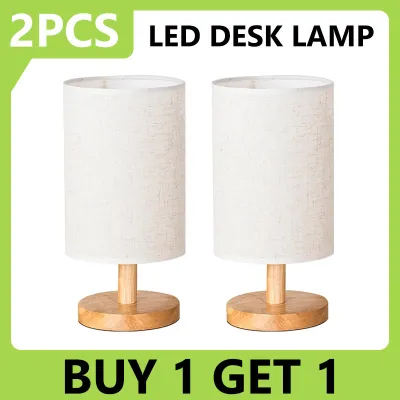
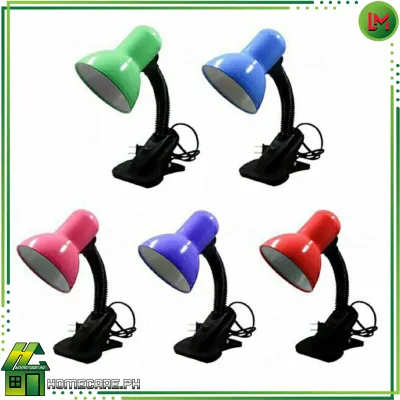
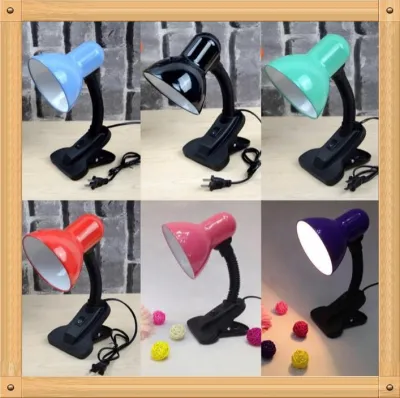
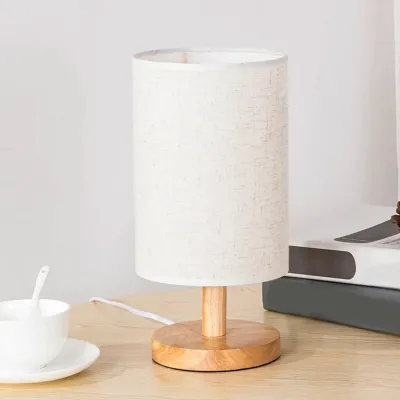
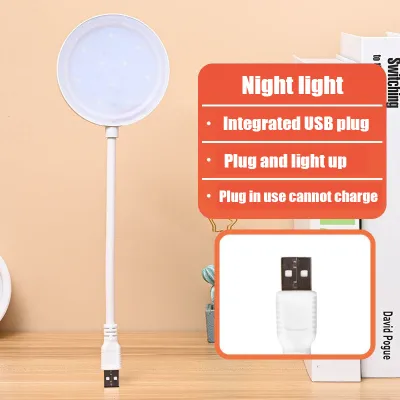
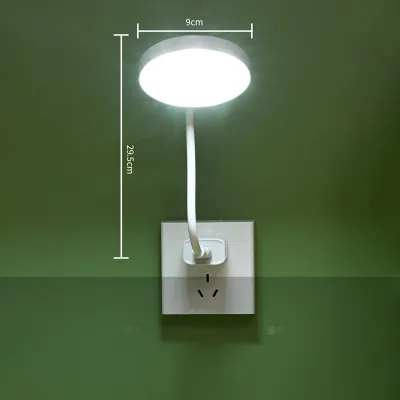
Prices are valid at publication and may change. Please refer to the product page for the latest price.
The color and material of the interior lining play a critical role in determining the quality of light projected onto your desk. Most lampshades feature a white or silver interior lining, which is highly reflective. This reflective surface bounces the maximum amount of light downward, ensuring your study materials are brightly lit without requiring a higher-wattage bulb. If you choose a shade with a gold or brass interior lining, the reflected light will have a warm, amber hue. While this warm light is relaxing for a bedroom or living room, it reduces visual contrast, making it harder to read fine print for extended periods.
Opacity is another essential factor to evaluate based on your study environment. Opacity refers to how much light can penetrate through the sides of the lampshade. In a brightly lit room, a translucent fabric shade that lets light escape horizontally is perfectly fine. However, if you study late at night in a dimly lit or shared room, a highly translucent shade can create a distracting glow in your peripheral vision. Choosing a semi-opaque or completely opaque shade ensures that the light is strictly directed downward onto your desk, keeping the rest of the room dark and minimizing distractions.
Ensure the shade’s bottom opening is wide enough to prevent a tight, high-glare spotlight effect on your desk, yet narrow enough to keep the bulb hidden from your direct line of sight while you are seated in your normal study posture.
Comparing Lampshade Materials for Focused Reading
Lampshade materials significantly influence both the aesthetic of your study space and the physical quality of the light produced. Fabric shades, typically made from linen, cotton, or canvas, are popular choices for home offices and study desks. These natural fibers naturally diffuse light, softening harsh shadows and creating a gentle, even glow throughout the immediate workspace. This soft illumination is highly comfortable for reading physical books. However, in the humid tropical climate of the Philippines, fabric shades require regular maintenance. Dust and moisture can accumulate in the fibers, potentially leading to staining or mildew if left uncleaned in poorly ventilated rooms.

Paper and parchment shades offer a similar level of soft diffusion but are generally more delicate. They provide a clean, minimalist look that fits well into modern study setups. However, paper is highly sensitive to environmental changes. In areas with high humidity, paper shades can absorb moisture from the air, causing them to sag, warp, or discolor over time.
Metal shades represent the opposite end of the lighting spectrum, offering complete opacity. Because light cannot pass through metal, it is forced entirely out of the top and bottom openings of the shade. This design creates a highly concentrated, high-contrast beam of direct task lighting. Metal shades are excellent for tasks that require intense focus, such as drafting, drawing, or reading very small print. They also prevent any peripheral light bleed, which is ideal for late-night study sessions in shared bedrooms. The main drawback is heat retention; metal absorbs heat from the bulb rapidly, making the shade hot to the touch.
When comparing materials, you must also evaluate heat dissipation and safety clearances. Every light bulb generates heat, and this heat must escape to prevent damage to the bulb, socket, and shade. Fabric and paper shades must have sufficient clearance from the bulb to prevent scorching or fire hazards. Metal shades, while non-flammable, can transfer heat to nearby objects or burn your fingers if adjusted while the lamp is on. Always ensure there is a gap of at least 5 to 8 centimeters between the bulb and the inner surface of the shade to allow proper air circulation.
Matching Lampshade Shapes to Your Desk Setup
The shape of your lampshade determines the footprint of the light cast onto your desk, making it crucial to match the shape to your specific workspace layout. Drum and cylinder shades feature vertical sides with equal diameters at the top and bottom. This symmetrical design allows an equal amount of light to escape from both ends. The light cast downward is wide and even, making drum shades highly suitable for large desks where you need to illuminate multiple items, such as a laptop, a notebook, and reference documents simultaneously. The upward light also bounces off the ceiling, contributing to the room’s general ambient lighting and reducing harsh contrasts.
Cone and bell shades flare outward toward the bottom, tapering to a much narrower opening at the top. This geometry naturally funnels and concentrates the light downward, creating a bright, localized pool of illumination. If your study routine involves focusing intensely on a single task, such as writing in a journal or reading a textbook, a cone shade provides the direct illumination you need. Because very little light escapes from the top, this shape is also highly effective at keeping the rest of the room dark, which is beneficial if you share a study space with family members or roommates.
Empire shades are a classic design featuring a sloping side where the top opening is roughly half the diameter of the bottom opening. This shape offers a highly functional compromise for study environments. The wide bottom opening projects a generous, flared cone of light across a broad section of your desk, while the smaller top opening allows a moderate amount of light to escape upward. This combination provides excellent task lighting on your desk while gently illuminating the surrounding air, preventing the extreme contrast between a bright workspace and a pitch-black room that often causes eye strain.
Sizing and Fitting: Ensuring Compatibility With Your Lamp Base
Purchasing a replacement lampshade without verifying its physical compatibility with your lamp base often leads to frustration. To achieve a visually balanced and physically stable setup, you must measure both components carefully. A reliable guideline is that the height of the lampshade should be approximately two-thirds the height of the lamp base, measured from the bottom of the base to the start of the brass socket. Additionally, the width of the shade at its widest point should be roughly equal to the height of the lamp base.
Beyond physical dimensions, you must identify the specific fitter type used by your lamp. The fitter is the inner metal frame that connects the shade to the lamp base. The most common type is the spider fitter, which features a central ring that sits on top of a metal wire support called a harp. The harp surrounds the bulb, and the shade is secured at the top with a decorative screw-on cap called a finial. If your lamp uses a spider fitter, you must ensure the height of the harp matches the height of the shade so the bulb sits perfectly centered inside.
Another common option is the UNO fitter, which does not require a harp. Instead, the central ring of the fitter sits directly on the lamp socket and is held in place by the light bulb itself or a threaded plastic collar. UNO fitters are highly common on smaller desk lamps and modern minimalist fixtures. Finally, clip-on fitters feature wire loops that clip directly onto the glass bulb. These are typically reserved for very small, lightweight shades and are not recommended for heavy glass or metal shades due to stability and heat concerns.
Safety must always be your top priority when assembling or modifying a desk lamp. Every lamp socket has a maximum wattage rating, which you must never exceed. When selecting a lampshade, ensure it provides adequate physical clearance around the bulb. If you are using a standard LED bulb, which runs much cooler than traditional incandescent bulbs, you still need to maintain a safe distance to prevent heat buildup from damaging the sensitive electronic drivers inside the bulb. Ensure the shade is securely tightened and does not wobble, as a loose shade can tilt, come into contact with a hot bulb, or cause the lamp to fall.
Where to Buy and What to Verify Before Checkout
When searching for the perfect study lampshade on online marketplaces or at local home improvement stores in the Philippines, a cautious approach is essential. Stock photos can be highly misleading, often using digital editing to make shades appear larger, brighter, or of higher quality than they are in reality. Never rely solely on the main product image. Instead, scroll down to the technical specifications and verify the exact measurements, including the top diameter, bottom diameter, vertical height, and fitter type.
Customer reviews are an invaluable resource for verifying product quality before making a purchase. Look for reviews that include real-life photos of the lampshade in use. These photos will give you a much better understanding of the material’s actual texture, the color accuracy under different lighting conditions, and how effectively the shade diffuses light when the bulb is turned on. Pay close attention to feedback regarding packaging quality; because lampshades are fragile and easily dented, they require sturdy, protective packaging to survive transit through local delivery networks.
If you are purchasing a complete lamp assembly rather than just a replacement shade, you must verify its electrical safety and compatibility. In the Philippines, household electricity operates at 220V and 60Hz. Ensure the lamp’s wiring, plug, and socket are rated for this voltage to prevent electrical shorts or hazards. Look for official safety certifications, such as the Philippine Standard (PS) mark or the Import Commodity Clearance (ICC) sticker, which indicate the product has undergone rigorous safety testing.
Frequently Asked Questions (FAQ)
Can I use a dark-colored lampshade for studying?
Using a dark-colored lampshade for studying is entirely possible, but its effectiveness depends heavily on the design of the interior lining. Dark exterior fabrics, such as black, charcoal, or deep navy, absorb the vast majority of the light that hits them, preventing any lateral light from escaping through the sides of the shade. This creates a highly focused, dramatic pool of light directly beneath the lamp, which can help you concentrate by eliminating peripheral visual distractions.
However, to prevent severe eye strain, you must ensure the dark shade features a highly reflective white or silver interior lining. This reflective lining bounces the light downward onto your desk, maintaining the brightness required for comfortable reading. If the interior lining is also dark, the overall light output will be significantly reduced, forcing your eyes to strain to read printed text. Additionally, be mindful of the stark contrast between your brightly lit desk and a completely dark room, as this contrast can cause visual fatigue over time.
Do I need a dimmable lampshade for late-night studying?
A lampshade itself does not possess dimming capabilities; the ability to adjust brightness is entirely controlled by the light bulb, the lamp base switch, or your home’s electrical system. To achieve a dimmable setup for late-night studying, you must install a dimmable bulb (such as a dimmable LED or a smart bulb) into a lamp base equipped with a compatible dimming switch or controlled via a mobile application.
While the shade does not control the dimming, it does influence how the dimmed light is distributed and perceived. A highly translucent fabric or paper shade will soften the dimmed light, creating a gentle, low-glare glow that is ideal for winding down at the end of a long study session. Conversely, an opaque metal or dark-lined shade will keep the dimmed light focused strictly on your workspace, allowing you to study quietly without casting a distracting glow across a shared bedroom.
Community discussion
Share your experience or ask a question. Comments are reviewed before publication.