
Choosing the ideal vine lights for indoor decoration in the Philippines requires balancing aesthetic appeal with practical considerations like local electrical standards, tropical humidity, and installation surfaces. Because these decorative fixtures combine electrical wiring with artificial foliage or flexible branches, safety and durability must guide your purchase. By evaluating power delivery, material composition, and mounting requirements, you can transform your living room, bedroom, or study into a cozy, well-lit sanctuary without risking electrical hazards or wall damage.
Key Features to Evaluate Before Buying Vine Lights
Before browsing online marketplaces, measure the exact path where you plan to drape the lights. Whether you are framing a window, wrapping a concrete pillar, or cascading lights down a bedroom wall, calculating the required wire length is essential. Remember to account for the distance to the nearest power outlet; a vine light that is too short will leave awkward gaps, while one that is too long can lead to heavy, unsightly bunching. Adding a buffer of about 10% to 15% to your measurements allows for natural draping and gentle curves.
Bulb density—the spacing of LEDs along the vine—directly impacts the visual intensity of the display. High-density vines create a bright, continuous glow suitable for focal walls, while low-density options offer a subtle, twinkling accent. Look for products that offer multiple lighting modes. A steady-on mode provides a calm, classic ambiance, while dimmable settings allow you to adjust the brightness to suit different times of day. Dynamic modes, such as slow fading or gentle chasing, add movement but should be evaluated to ensure they do not become distracting in small indoor spaces.
Products mentioned in this guide
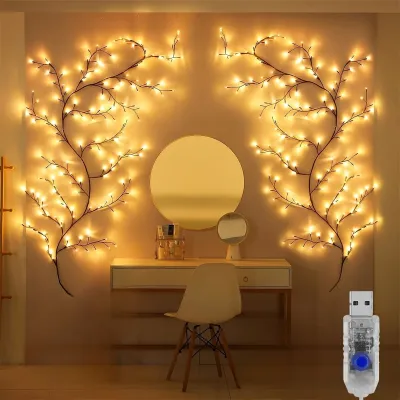

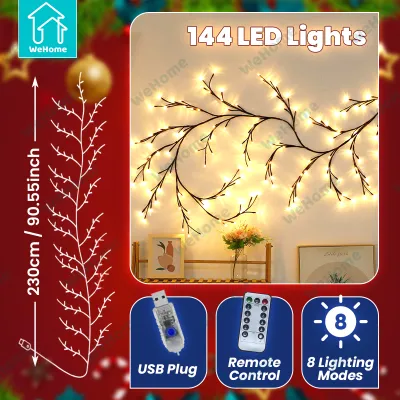
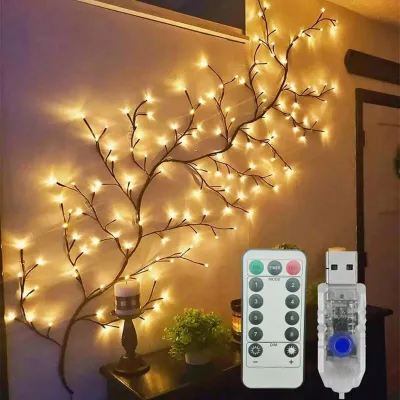
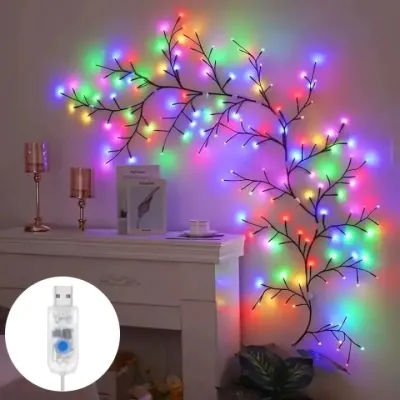
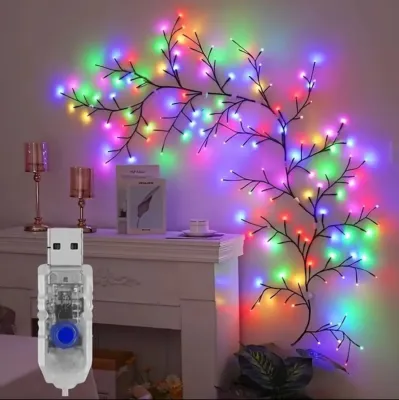
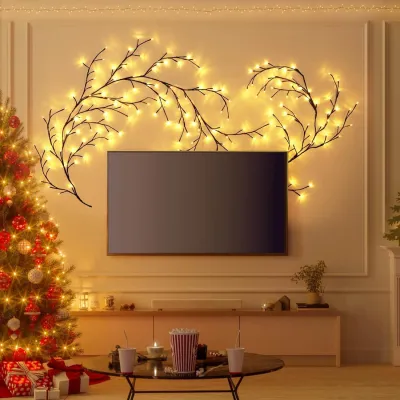
Prices are valid at publication and may change. Please refer to the product page for the latest price.
Practical control features make daily operation much more convenient. Handheld remote controls allow you to adjust settings from across the room, which is particularly useful if the lights are mounted high on a wall or ceiling. Built-in timers are highly beneficial, automatically turning the lights off after a set number of hours to conserve energy and prolong the lifespan of the LEDs. Additionally, a memory function ensures that the controller remembers your preferred brightness and mode settings when the unit is turned off and on again, saving you from manual adjustments every evening.
When selecting vine lights, color temperature is another key feature to evaluate. Warm white tones (typically around 2700K to 3000K) are highly popular for indoor living spaces because they mimic the soft glow of candlelight, creating a cozy and inviting atmosphere. Cool white or daylight tones (5000K and above) offer a brighter, crisper light that can highlight modern decor but may feel too clinical for a relaxing bedroom environment. Because color temperature is a matter of personal preference, consider how the light will interact with your room’s existing color palette and natural light sources before making a decision.
Power Sources and Electrical Safety Checks
Vine lights generally come in three power configurations: battery-operated, USB-powered, or direct plug-in. Battery-operated models offer maximum placement flexibility because they do not require proximity to an outlet, making them ideal for temporary setups or isolated shelves. However, they require frequent battery replacements, which can become costly and inconvenient. USB-powered options strike a balance, allowing you to run the lights off a power bank, a laptop, or a standard USB wall adapter. Direct plug-in models provide the most consistent brightness and are best suited for permanent, long-term installations near wall outlets.

In the Philippines, the standard household electrical supply is 220V at 60Hz. When purchasing plug-in vine lights or USB adapters, always verify that the input voltage rating matches this standard to prevent overheating or electrical failure. Check the product labels for recognized safety certifications, such as the Philippine Standard (PS) mark, the Import Commodity Clearance (ICC) sticker, or reputable international equivalents like CE, UL, or FCC. Verifying these certifications ensures the product has undergone basic safety testing for insulation and fire resistance.
Safe cable routing is critical to maintaining a hazard-free indoor environment. Avoid running power cords across high-traffic walkways where they can present a tripping hazard or suffer physical damage from foot traffic. Never pinch cables behind heavy furniture, run them under rugs, or secure them with metal staples, as these actions can compromise the wire insulation and expose live conductors. If you must route a cable along a wall, use plastic cable clips or adhesive cord organizers designed to hold the wire securely without compressing it.
When evaluating plug-in options, pay close attention to the length of the lead wire—the portion of the cord between the plug and the start of the first light bulb. A short lead wire means you may need to use an extension cord, which can clutter your floor space and introduce additional electrical connections. If you must use an extension cord, ensure it is rated for indoor use and matches the wattage requirements of your lighting setup. Additionally, always check that the power adapter does not feel excessively hot to the touch after an hour of use; a hot adapter can indicate an overloaded circuit or a faulty component.
Material, Flexibility, and Aesthetic Styles
The physical construction of the vine determines how easily it can be shaped to fit your space. Bendable copper wire vines are highly flexible, allowing you to wrap them tightly around bedposts, weave them through bookshelves, or shape them into custom wall patterns. However, they can be delicate and prone to snapping if bent repeatedly in the same spot. Rigid artificial branches, often made of plastic-coated wire, offer more structural support and are excellent for creating a realistic tree-branch effect against a flat wall, though they require more effort to shape and mount.
The choice of decorative elements should complement your existing interior design. Bare LED copper wire vines offer a minimalist, modern look that blends seamlessly into contemporary spaces. For a more organic, tropical feel, vines adorned with artificial leaves (such as ivy, eucalyptus, or willow) or floral accents bring a touch of nature indoors. Rattan-woven vine lights provide a rustic, textured appearance that pairs exceptionally well with native Filipino wooden furniture and woven home accessories.
The durability of the materials is especially important in the Philippines, where high humidity and warm temperatures can accelerate the degradation of low-quality plastics and adhesives. When choosing vine lights with artificial leaves or flowers, inspect how the foliage is attached to the main wire. High-quality models typically use molded plastic clips or secure wrapping rather than cheap glue, which can melt or become brittle over time. Furthermore, look for UV-resistant materials if your vine lights will be placed near windows where they will receive direct sunlight, as UV exposure can cause artificial leaves to fade or discolor.
Installation and Placement Guidelines
Installing vine lights securely does not have to mean damaging your walls. For lightweight copper wire or plastic vines, damage-free adhesive hooks or transparent cable clips are highly effective. These allow you to map out your design on painted concrete, wood, or drywall without drilling holes. Ensure the wall surface is clean and dry before applying the adhesive. For heavier rattan or thick branch-style vines, tension rods placed within window frames or sturdy decorative screens can provide excellent support without permanent alteration.
Proper placement is key to both safety and longevity. Avoid installing vine lights near active heat sources, such as kitchen stoves, space heaters, or high-wattage light fixtures. Keep them away from open flames, including decorative candles. While some vine lights are suitable for covered patios, standard indoor models should not be placed in high-humidity zones like unventilated bathrooms or directly under air conditioning units where condensation might drip onto the electrical connections.
Before applying any adhesive hooks or clips to your walls, it is crucial to prepare the surface properly. Dust, oil, and moisture can significantly reduce the bonding strength of adhesives, causing your vine lights to fall and potentially damage the delicate wiring. Wipe the wall area with a clean cloth dampened with rubbing alcohol, and allow it to dry completely before mounting the hooks. If you live in a rented home, look for damage-free adhesives that can be removed cleanly without peeling off the paint or leaving sticky residue behind.
While most indoor vine light installations are straightforward DIY projects, certain scenarios require professional assistance. If your design involves suspending heavy decorative structures from the ceiling, running permanent wiring behind drywall, or installing fixtures at a height that requires tall ladders, it is best to consult a qualified electrician or a professional handyman. Prioritizing safety ensures that your decorative lighting remains secure and does not pose a structural or electrical risk to your household.
Comparing Common Vine Light Styles and Power Types
To help you narrow down your choices, the tables below compare the primary power sources and aesthetic styles of vine lights available on the market.
Power Source Comparison
| Power Type | Mobility | Ongoing Maintenance | Brightness Consistency |
|---|---|---|---|
| Battery-Operated | High (no outlet needed) | High (requires regular battery changes) | Decreases as batteries drain |
| USB-Powered | Medium (requires power bank or adapter) | Low (no batteries to replace) | Consistent when connected to stable power |
| Plug-In (Direct) | Low (must be near a wall outlet) | Low (no maintenance required) | Highly consistent and bright |
Aesthetic Style Comparison
| Style | Flexibility | Weight | Ideal Decor Applications |
|---|---|---|---|
| Copper Wire | High (easily bent and shaped) | Very Lightweight | Minimalist walls, wrapping furniture, jar displays |
| Rattan / Branch | Low to Medium (semi-rigid structure) | Medium to Heavy | Rustic focal walls, headboards, corner accents |
| Floral / Leafy | Medium (flexible wire with foliage) | Light to Medium | Tropical, bohemian, or nature-themed rooms |
Frequently Asked Questions (FAQ)
Can vine lights be left on overnight?
It is generally not recommended to leave vine lights on overnight or unattended for extended periods. While modern LED vine lights generate very little heat compared to traditional incandescent bulbs, continuous operation can still cause the power adapter or control box to warm up, especially in warm tropical climates. To ensure safety and prolong the lifespan of your lights, utilize the built-in timer function to automatically turn them off after a few hours, or unplug them before going to sleep. Always follow the manufacturer’s specific operational guidelines regarding maximum continuous run times.
How do you clean artificial leaves or flowers on vine lights?
To clean artificial leaves or flowers on your vine lights, always unplug the power source first to eliminate any risk of electrical shock. Use a dry microfiber cloth, a soft-bristled brush, or a feather duster to gently remove accumulated dust from the foliage and wires. Avoid using wet cloths, liquid sprays, or chemical cleaners directly on the electrical components, as moisture can seep into the LED housings or wire connections and cause a short circuit. If the artificial leaves are heavily soiled, slightly dampen a cloth with water, wring it out completely so it is barely damp, wipe the leaves carefully while avoiding the exposed wiring, and let the fixture dry completely before plugging it back in.
Community discussion
Share your experience or ask a question. Comments are reviewed before publication.