
Selecting a large waving lucky cat—traditionally known as the Maneki-neko—for your home or business in the Philippines involves balancing cultural symbolism with practical design choices. These iconic figurines, characterized by their inviting beckoning motion, serve as both decorative focal points and symbols of welcome. While many shoppers search for a single “best” option, the ideal choice depends heavily on your specific spatial constraints, aesthetic preferences, and environmental conditions.
By shifting the focus from arbitrary rankings to actionable selection criteria, you can evaluate sizes, materials, and mechanisms to find a high-quality figurine that perfectly suits your environment. Whether you are placing a prominent display at a storefront entrance in a bustling commercial district or setting up a subtle accent on a residential console table, understanding the technical and design aspects of these figurines ensures a lasting and satisfying purchase.
Understanding Paw Movements and Color Symbolism
The physical design of a waving lucky cat is rich with traditional meaning, where every detail from the raised paw to the color of the coat carries specific symbolic weight. Aligning these features with your personal or business goals is the first step in choosing the right figurine.
Products mentioned in this guide
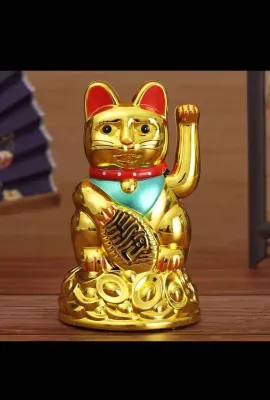
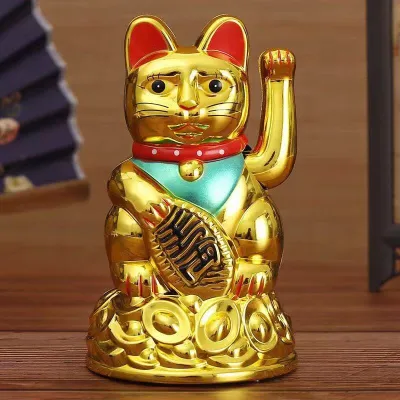
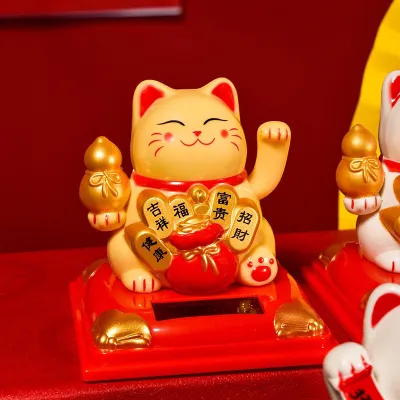
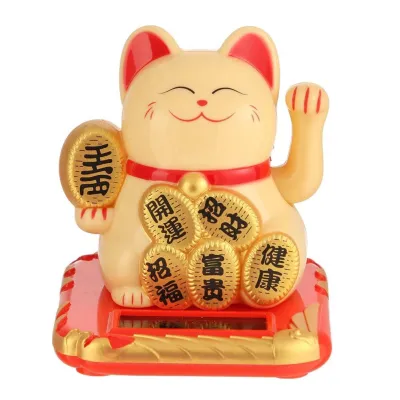
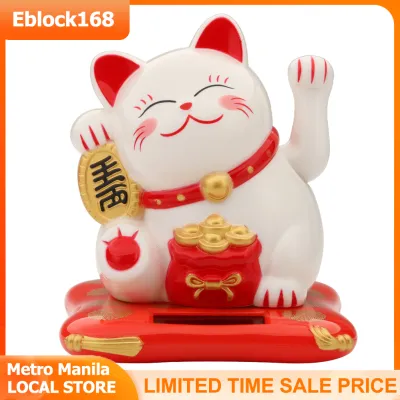
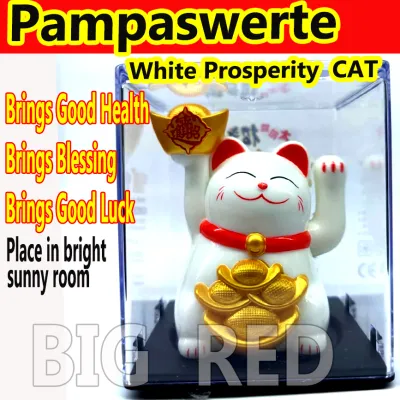
Prices are valid at publication and may change. Please refer to the product page for the latest price.
The choice of which paw is raised is central to the figurine’s purpose. A raised left paw is traditionally believed to attract customers, guests, and positive social interactions, making it a popular choice for retail stores, restaurants, and office receptions. Conversely, a raised right paw is associated with inviting wealth, prosperity, and financial stability, which is often preferred for personal offices, study rooms, and homes. Some modern designs feature both paws raised, representing dual protection, harmony, and the simultaneous invitation of both people and prosperity to the space.
Color choices further refine the symbolic intent of the figurine. Gold is highly favored in commercial settings as it represents wealth, abundance, and financial success. Classic white symbolizes purity, happiness, and positive energy, making it highly versatile for residential living rooms. Black figurines are traditionally chosen to ward off negative energies and provide protection, while red is associated with good health and protection from illness. Green models are often selected by students or professionals seeking academic success, creativity, and personal growth.
The accessories held or worn by the lucky cat also contribute to its overall meaning. Many figurines hold a koban, a traditional gold coin representing wealth and fortune, often inscribed with phrases wishing for financial prosperity. Others feature a small mallet, symbolizing wealth creation, or a miniature fish, which represents abundance and surplus. Bells or collars worn around the neck are reminiscent of highly prized house pets from historical eras, symbolizing care, protection, and domestic comfort.
Choosing the Right Size and Proportions for Your Space
When selecting a large waving lucky cat, physical dimensions and visual weight must be carefully matched to the intended placement area. A figurine that is too small may get lost in a spacious entryway, while an oversized model can overwhelm a counter or obstruct essential foot traffic.

Standard size categories for large figurines generally range from 25 centimeters to over 60 centimeters in height. Tabletop models, typically between 25 and 40 centimeters, are ideal for elevated surfaces such as reception desks, cash registers, and shelving units. These models provide a noticeable visual presence without consuming excessive workspace. Floor-standing models, which often exceed 50 centimeters in height, are designed to sit directly on the ground near entrance doors or in dedicated display alcoves, serving as prominent welcoming landmarks.
Visual balance requires assessing the scale of the figurine relative to its immediate surroundings. For a storefront entrance, a larger, floor-standing model is highly effective because it can be easily seen by passersby from a distance. For a residential living room console or a small office desk, a medium-to-large tabletop model maintains a balanced aesthetic. The goal is to create a harmonious focal point that complements your existing interior design rather than dominating the entire room.
Clearance and footprint requirements are critical safety considerations, especially in high-traffic commercial zones. Before purchasing, measure the depth and width of the surface or floor area where the figurine will stand. Ensure that the swinging motion of the arm has sufficient clearance and will not bump into nearby walls, product displays, or computer monitors. For floor-standing models, place the figurine in a corner or beside a doorway where it cannot be easily tripped over by customers, children, or pets, keeping walkways clear and compliant with local safety standards.
Evaluating Materials and Waving Mechanisms
The durability and longevity of your waving lucky cat depend on the quality of its construction materials and the reliability of its internal mechanical components. This is particularly important in the tropical climate of the Philippines, where humidity and temperature fluctuations can affect both physical structures and electronics.
Ceramic is the traditional material of choice, offering a classic, high-gloss finish and a substantial physical weight. Ceramic figurines are highly stable and resistant to fading, making them excellent for indoor displays where they are safe from accidental bumps. However, they are fragile and can chip or shatter if dropped. Heavy-duty plastics and resin composites offer a lightweight, impact-resistant alternative. High-quality resin can mimic the look of ceramic while providing greater durability, making it a practical option for busy commercial environments or homes with active pets.
The waving mechanism is the functional heart of the figurine, typically powered by batteries, solar energy, or a direct electrical connection. Battery-operated models offer the greatest placement flexibility since they do not require proximity to a power outlet or direct light. Solar-powered models utilize a small photovoltaic panel, usually located on the base, to drive the arm using ambient indoor light or natural sunlight. Direct USB or plug-in models provide continuous operation without the need for battery replacements, which is highly convenient for businesses that operate long hours.
Safety and quality checks are essential when evaluating these mechanisms. Inspect the battery compartment to ensure it closes securely, preventing dust and moisture from entering. For plug-in or USB-powered models, verify that the voltage requirements match your local power supply (typically 220V in the Philippines when using a standard wall adapter) and check that the cord is free from fraying or exposed wires. Listen to the mechanism during operation; a high-quality waving arm should move smoothly and quietly, without loud clicking, grinding, or squeaking noises that indicate gear friction or motor strain.
Where to Buy and What to Verify Before Ordering
Finding a reliable source for a large waving lucky cat in the Philippines requires navigating various retail channels and performing diligent quality checks before finalizing your purchase.
Specialized home decor boutiques, gift shops, and cultural retail stores in districts like Binondo, Manila, offer the advantage of physical inspection. Visiting a physical store allows you to feel the weight of the figurine, examine the paint finish for imperfections, and test the waving mechanism in person. If you prefer the convenience of online marketplaces or ecommerce platforms, look for established sellers who specialize in home decor or traditional ornaments, as they are more likely to understand the specific handling requirements for fragile items.
When shopping online, analyzing customer reviews is a crucial step in verifying product quality and seller reliability. Look specifically for feedback regarding how well the seller packages fragile items. Reviews that mention double-boxing, thick bubble wrap, or custom foam inserts are strong indicators of a reliable merchant. Pay close attention to customer photos to verify that the actual product matches the promotional images in terms of color vibrancy, material finish, and overall proportions.
Before placing your order, verify the seller’s return and refund policies. Because ceramic and resin figurines are susceptible to damage during transit, ensure the platform or retailer offers a clear policy for items damaged on arrival. Check if the seller provides a warranty or replacement guarantee for the mechanical waving arm, which protects you in case the motor or solar panel fails shortly after delivery. Clear communication with the seller regarding packaging standards before shipment can prevent potential issues.
Placement Guidelines and Long-Term Maintenance
Proper placement and regular maintenance ensure that your waving lucky cat remains an attractive and functional part of your space for years to come.
Traditional placement guidelines suggest positioning the figurine so that it directly faces the main entrance of your home or business. This orientation allows the beckoning arm to greet everyone who crosses the threshold. For businesses, placing the cat near the cash register or on a reception desk facing the door is ideal for maximizing visibility. In residential settings, placing the figurine on a shelf or console table in the living room, facing the front door, is a common practice. Avoid placing the figurine on the floor of a bathroom or in cluttered, low-visibility corners, as this is considered disrespectful to the symbol.
Maintaining the appearance of your lucky cat requires gentle cleaning methods tailored to its specific material. For ceramic and resin models, regular dusting with a dry, soft microfiber cloth is usually sufficient to keep the surface clean. If the figurine accumulates grime, wipe it gently with a slightly damp cloth, taking care to avoid the battery compartment, solar panel, or any electrical ports. Never submerge the figurine in water or use harsh chemical cleaners, which can strip the painted details or damage the internal motor.
Long-term mechanical maintenance involves protecting the waving mechanism from environmental wear. In the humid climate of the Philippines, batteries left inside electronic devices for extended periods can leak and corrode the metal contacts. If you plan to turn off or store the figurine for more than a few weeks, always remove the batteries. For solar-powered models, keep the small solar panel on the base free of dust and fingerprints, as a clean panel ensures maximum light absorption and consistent arm movement. If the arm begins to squeak, a tiny drop of silicone-based lubricant applied to the hinge joint can restore quiet operation.
Frequently Asked Questions (FAQ)
Can a big waving lucky cat be placed outdoors?
Yes, but outdoor placement requires careful selection of materials and power sources. Ceramic and high-grade resin figurines can withstand outdoor placement if they are positioned in a sheltered area, such as under a canopy, porch, or storefront awning. Direct exposure to heavy rain, high humidity, and intense tropical sunlight can damage the painted finish and cause plastic components to degrade over time.
Electrical safety is the primary concern for outdoor displays. Battery-operated or plug-in models should never be exposed to moisture, as water entering the battery compartment or electrical ports can cause short circuits and permanent damage. If you must place a waving lucky cat in an semi-outdoor area, a solar-powered model made of durable, weather-resistant resin is the safest option, provided it remains protected from direct rainfall.
How do I fix a waving arm that has stopped moving?
If the waving arm of your lucky cat stops moving, begin troubleshooting by checking the power source. For battery-operated models, replace the old batteries with fresh ones and ensure the positive and negative terminals are aligned correctly. Inspect the metal contacts inside the battery compartment for any signs of rust or white powdery corrosion, which can be gently cleaned off with a dry cotton swab.
For solar-powered models, ensure the solar panel is clean and placed in an area with sufficient ambient or direct light. If the power source is functional but the arm remains still, gently nudge the arm with your hand to help realign the internal pendulum and magnetic coil. Avoid forcing the arm or pulling it outward, as this can dislodge the delicate gears or break the internal wire connections.
Does the height of the waving paw change its meaning?
In traditional symbolism, the height of the raised paw is believed to influence the reach of the figurine’s welcoming gesture. A paw raised high above the cat’s ears is traditionally thought to attract customers, wealth, or good fortune from a great distance, making it highly suitable for large commercial spaces, deep storefronts, or businesses located on upper floors of a building.
A paw raised to a lower level, typically around the cheek or chin, is associated with attracting localized fortune, intimate relationships, and welcoming guests in close proximity. This lower paw height is often preferred for smaller shops, cozy cafes, and residential homes where the focus is on creating a warm, welcoming atmosphere for immediate visitors.
Community discussion
Share your experience or ask a question. Comments are reviewed before publication.