
Selecting the right book lamp for long study sessions and work-from-home (WFH) setups is a critical decision for your long-term visual health. The ideal task light must deliver focused, adjustable illumination directly to your workspace while balancing the ambient light in the room. By choosing a lamp that allows you to control brightness, angle, and color temperature, you can significantly reduce eye strain, prevent headaches, and maintain high productivity levels throughout the day and night.
A common mistake is assuming any standard desk light will suffice for extended periods of concentration. In reality, reading physical paper and viewing digital screens require entirely different lighting conditions. A high-quality book lamp bridges this gap, providing a customizable environment that adapts to your specific tasks, whether you are reviewing printed documents, typing on a laptop, or sketching designs.
Core Lighting Needs for Reading and Screen Work
Understanding how your eyes interact with different mediums is the first step in creating an ergonomic workspace. Reading physical text requires a concentrated, even beam of light that illuminates the page clearly, making small print easy to distinguish without causing shadows. When light is insufficient, your eye muscles must work harder to focus, leading to rapid fatigue and a decline in concentration.
Products mentioned in this guide
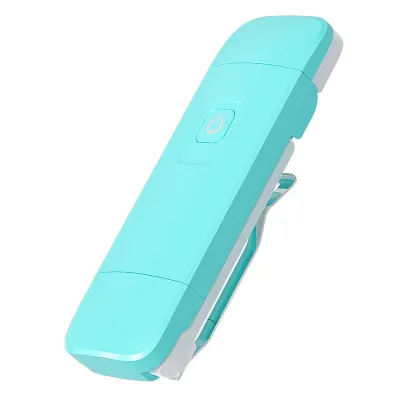
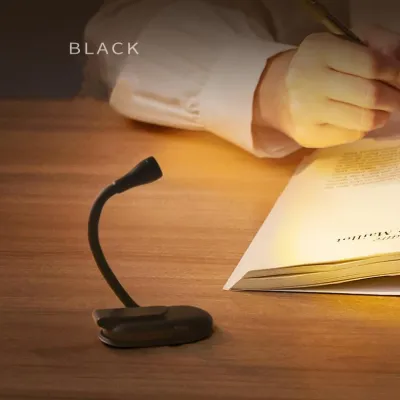
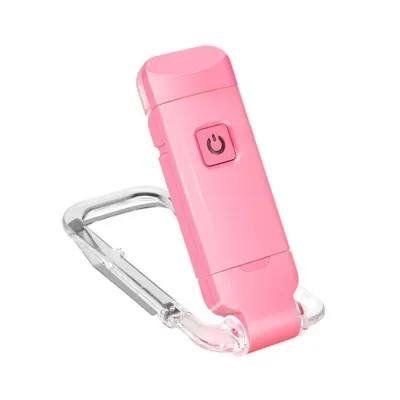
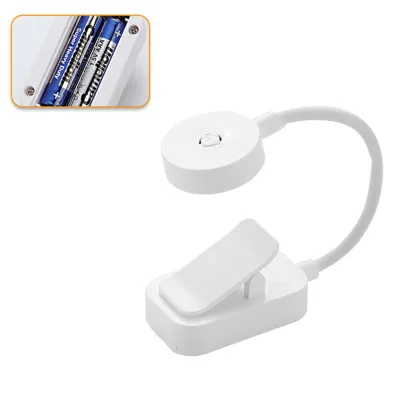
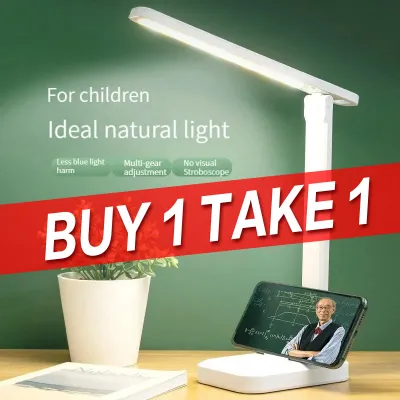
Prices are valid at publication and may change. Please refer to the product page for the latest price.
In contrast, working on a computer screen presents a different challenge. Screens are active light sources, meaning they emit their own illumination. If your surrounding environment is too dark, the high contrast between the bright monitor and the dark room forces your pupils to constantly dilate and constrict, which quickly causes eye strain. Conversely, if the ambient light is too bright or poorly positioned, it reflects off the screen, creating distracting glare that obscures your work.
A dedicated book lamp plays a vital role in balancing these competing demands. Instead of relying on a single, unyielding light source, a task lamp allows you to layer your lighting. This means you can keep the overall room light at a comfortable, moderate level while using the desk lamp to provide the precise amount of extra illumination needed for your physical paperwork.
Relying solely on overhead lighting is rarely sufficient for long desk sessions. In many homes, overhead fixtures are positioned directly behind or above the seating area, which casts harsh shadows from your head and hands onto your desk. This uneven distribution of light forces your eyes to adjust continuously as you look around your workspace, accelerating fatigue and making it difficult to stay focused during long study blocks.
Key Features to Look for in a Study and WFH Lamp
When shopping for a desk lamp, evaluating specific features on the product label and specifications sheet will help you find a model that supports long-term comfort. The first feature to prioritize is physical adjustability. Look for lamps with articulated arms, multi-axis swivel heads, and height-adjustment mechanisms. These features allow you to direct the light beam precisely where you need it, ensuring you can illuminate a textbook or keyboard without having to shift the entire base of the lamp.

Brightness and dimming capabilities are equally essential. A lamp with a single, fixed brightness level is rarely versatile enough for both daytime and nighttime use. Check the product specifications for adjustable output settings, often measured in lumens or indicated by multiple dimming levels. Having the ability to lower the brightness during the evening or increase it during a gloomy afternoon ensures your eyes always have the appropriate level of support.
Color temperature adjustability is another highly beneficial feature for modern WFH setups. Light color is measured in Kelvin (K), and lamps that offer adjustable color tones allow you to switch between different modes. Cooler, bluish-white light (typically around 5000K to 6500K) is excellent for active focus, proofreading, and detailed tasks during the day. Warmer, yellowish light (around 2700K to 3000K) is much gentler on the eyes in the evening, helping you wind down while still providing enough light for reading.
Finally, pay close attention to the optical design of the fixture. Prioritize lamps that feature built-in diffusers, frosted covers, or deeply recessed bulbs. These design elements scatter the light evenly, preventing the harsh, direct glare that can bounce off glossy paper or computer screens. A well-diffused light source mimics natural, indirect daylight, which is the most comfortable environment for human eyes over extended periods.
Desk Placement and Setup Tips for Eye Comfort
Even the most advanced book lamp will not perform well if it is poorly positioned on your desk. To maximize visual comfort, start by placing the lamp relative to your dominant hand. If you are right-handed, position the lamp on the left side of your desk; if you are left-handed, place it on the right. This simple adjustment ensures that your hand does not cast distracting shadows across your notebook or keyboard as you write or type.
Next, carefully angle the light source to avoid direct reflections on your digital screens. Position the lamp head so that the light path strikes your desk at an angle, rather than pointing directly at your monitor or tablet. If you can see the reflection of the bulb or the glowing diffuser in your screen, adjust the height or tilt of the lamp until the reflection disappears.
It is also crucial to balance your task lighting with the ambient light in the room. Avoid working in a completely dark room with only your desk lamp illuminated, as this extreme contrast is a primary cause of eye strain. Instead, keep a soft overhead light or a nearby floor lamp turned on to create a gentle, even background illumination that complements your focused task light.
Electrical Safety and Compatibility Checks
Before finalizing your purchase, you must verify several electrical and physical specifications to ensure the lamp operates safely in your home. First, check the voltage compatibility and plug type. In the Philippines, the standard electrical system operates at 220 volts and 60 hertz, typically utilizing Type A or Type B flat-prong plugs. Using a lamp designed exclusively for lower voltages without a proper transformer can damage the fixture or pose a fire hazard.
Next, verify the maximum wattage limits indicated on the lamp’s safety label. If the fixture uses replaceable bulbs rather than integrated LEDs, never exceed the recommended wattage, as doing so can cause overheating. Look for certified bulbs that carry local safety marks, such as the Import Commodity Clearance (ICC) or Philippine Standard (PS) certification, to ensure they have undergone rigorous quality testing.
You should also assess your desk’s physical layout and weight capacity. A heavy, weighted base provides excellent stability but requires sufficient flat surface space. If your desk is compact or crowded, a clamp-mount lamp might be a better choice, as it secures to the edge of the table and frees up valuable workspace. In humid tropical climates, ensure that any clamp or base features non-slip, non-corrosive rubber padding to protect your furniture and prevent the lamp from slipping.
Lastly, recognize the limits of DIY installation. If your setup involves fixed wall wiring, complex desk integrations, or if the manufacturer’s instructions conflict with your existing electrical outlets, stop immediately. In these situations, it is always safest to consult a qualified electrician to handle the installation and ensure your workspace remains completely safe.
Frequently Asked Questions (FAQ)
Can a regular bedside lamp work as a book lamp for studying?
While a regular bedside lamp can provide basic illumination, it is generally not suitable as a primary book lamp for long study or WFH sessions. Bedside lamps are typically designed for ambient lighting, featuring wide fabric or paper shades that scatter light in all directions to create a cozy atmosphere. This design lacks the focused beam angle and physical adjustability needed to direct light precisely onto your work surface. Additionally, bedside lamps often lack brightness controls, which can lead to insufficient light for reading fine print or excessive glare that causes eye strain over time.
How should I adjust my lamp as natural daylight changes?
Adapting your desk lighting throughout the day is key to maintaining visual comfort. During bright daylight hours, especially in sunny tropical afternoons, you should reduce your lamp’s brightness or turn it off if your desk receives ample natural light, preventing excessive glare on your screens. As daylight fades in the late afternoon, gradually increase the intensity of your task light to compensate. In the evening, transition your lamp to a warmer color temperature (around 3000K or lower) and lower the overall brightness to reduce blue light exposure, helping your eyes relax and supporting your natural sleep cycle.
Community discussion
Share your experience or ask a question. Comments are reviewed before publication.