
Choosing the right Bosca flood light for your garden in the Philippines requires matching the specific requirements of each outdoor zone—such as security for driveways, warmth for patios, and precise highlighting for landscape features—with the technical specifications found on the product label. Because tropical outdoor environments present challenges like heavy rainfall and high humidity, selecting the correct ingress protection (IP) rating, beam angle, and mounting style ensures your landscape lighting remains both functional and durable.
Understanding Your Garden Zones and Lighting Needs
Before purchasing any outdoor lighting, map out your garden into distinct functional zones. A garden is a collection of micro-environments, each serving a different purpose. For instance, a driveway requires clear, high-visibility illumination for safety, while a cozy patio benefits from soft, low-intensity lighting that encourages relaxation. Identifying whether a zone requires security, ambiance, or accent lighting is the first step in narrowing down your options.
Next, observe the existing ambient light around your property. Take note of streetlights, spillover lighting from neighbors, or light escaping from your home’s windows. Over-illuminating can create harsh glare and wash out the natural beauty of your plants. Evaluating these existing sources helps you determine exactly how much additional brightness is needed to achieve a balanced look.
Products mentioned in this guide
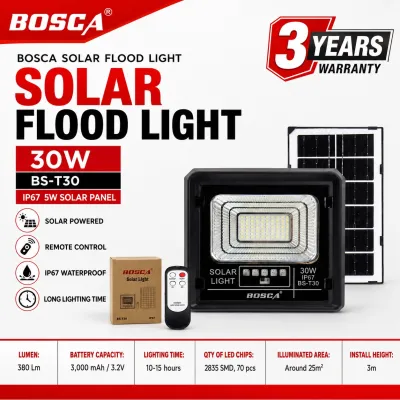
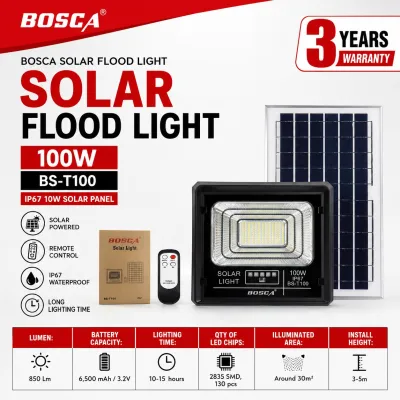
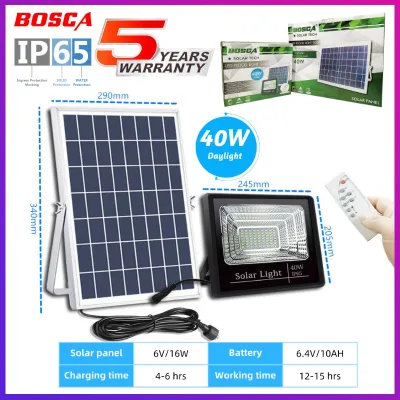
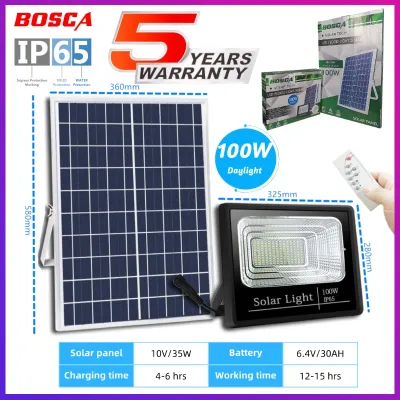
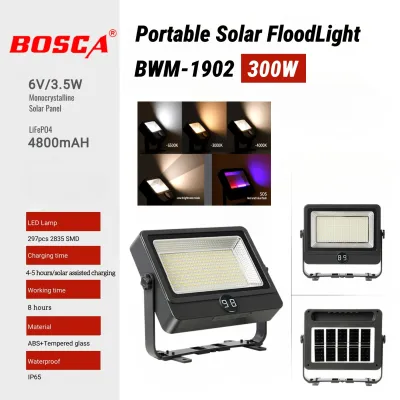
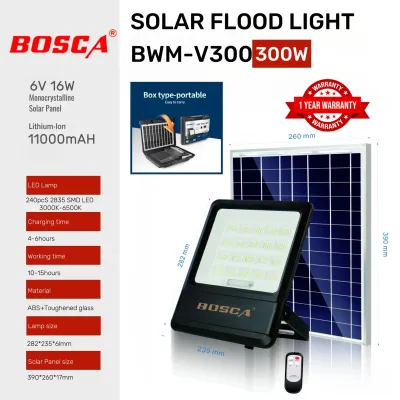
Prices are valid at publication and may change. Please refer to the product page for the latest price.
Finally, estimate the physical dimensions of the coverage area. A wide lawn requires a different approach than a narrow path or a single palm tree. Knowing the approximate square footage and mounting heights helps you select a fixture with the appropriate light spread and intensity.
Key Specifications to Check on Bosca Flood Lights
When browsing Bosca flood lights on local ecommerce platforms or at home improvement stores, check the packaging for critical details. First, verify the relationship between wattage and lumen output. While wattage indicates power consumption, lumens measure actual brightness. For modern LED and solar-powered flood lights, look for the lumen rating to gauge true light output, helping you manage your household electricity bills in ₱.

The beam angle determines how the light behaves. A wide beam angle (100 degrees or more) disperses light across a broad area, making it ideal for general illumination. Conversely, a narrow beam angle (15 to 45 degrees) concentrates the light into a focused spotlight, perfect for highlighting specific architectural details or garden sculptures.
Given the tropical climate of the Philippines, verifying the Ingress Protection (IP) rating is essential. Outdoor fixtures face intense monsoon rains and high humidity. Look for a minimum rating of IP65, which indicates the fixture is dust-tight and protected against water jets. For completely exposed areas, an IP66 or higher rating provides superior protection against severe downpours.
Lastly, examine the mounting options and physical adjustability. Check the bracket design to ensure compatibility with your mounting surface, whether it is a concrete wall, a wooden fence, or a metal pole. Look for sturdy, rust-resistant brackets with adjustable tilt mechanisms to fine-tune the angle of the light after installation.
Matching Flood Lights to Specific Garden Areas
Achieving a professional landscape design relies on the concept of layering light. Instead of flooding the entire garden with a single, overpowering light source, combine different types of illumination to create depth, contrast, and safety. By matching specific Bosca flood light configurations to individual zones, you can balance functional security with a welcoming aesthetic.
Driveways and Security Perimeters
For high-traffic entryways, driveways, and perimeter walls, security and visibility are the primary goals. Select fixtures with a wide beam angle and a higher lumen output to ensure even, shadow-free coverage across the pavement. This broad distribution helps eliminate blind spots where tripping hazards might hide.
To optimize energy use, check for models that feature integrated motion sensors. These sensors trigger the light only when movement is detected, serving as an effective deterrent while conserving power.
When installing these fixtures, mount them at a sufficient height—typically above head level—and tilt them downward. This angle ensures the light illuminates the ground effectively without shining directly into the eyes of drivers or neighbors.
Patios and Entertainment Spaces
Patios and outdoor dining areas require a softer, more inviting touch. High-intensity, cold white light can make an outdoor living room feel sterile. Instead, opt for lower-wattage fixtures or models that support dimming functions, allowing you to adjust the brightness to suit the mood.
Pay close attention to the color temperature, measured in Kelvin (K), marked on the product box. For social spaces, select a warm white light, typically between 2700K and 3000K. This warm glow mimics traditional lighting, creating a cozy and relaxing atmosphere.
To prevent discomfort, avoid pointing the light directly at seating areas. Instead, position the fixtures to bounce light off surrounding surfaces, such as garden walls or pergolas, to diffuse the beam and eliminate harsh shadows.
Feature Trees and Architectural Highlights
Accent lighting allows you to showcase the natural beauty of your garden’s focal points, such as mature trees or stone water features. For these areas, select fixtures with narrow beam angles. This concentrated beam directs attention solely to the target, leaving the surrounding areas in soft shadow to create dramatic contrast.
Consider using ground-mounted fixtures or spike-mount options that can be pushed directly into the soil. Placing the light source at the base of a tree and pointing it upward—a technique known as uplighting—emphasizes the texture of the bark and the structure of the leaves.
Experiment with the distance and angle of the fixture relative to the object. Always adjust the fixture at night to observe the visual effects firsthand before permanently securing the mounts.
Installation Safety and Professional Boundaries
Working with outdoor electrical installations requires strict safety protocols. Before mounting or adjusting any fixed-wired flood light, always turn off the main power supply at the circuit breaker. Never rely solely on a wall switch to isolate the power, as current may still be present in the wiring.
Verify that your chosen installation site matches the environmental limits of the fixture. Ensure all electrical junctions, conduit pipes, and outdoor outlet boxes are fully rated for wet locations and sealed against moisture to prevent tripped breakers during heavy tropical storms.
While basic mounting of solar-powered fixtures is a straightforward DIY task, complex installations require professional expertise. Always consult a licensed electrician for tasks involving trenching underground conduits, running new electrical cables, or mounting heavy fixtures at height.
Frequently Asked Questions (FAQ)
Can I use a standard indoor flood light outside if it is under a roof?
No, you should not use indoor-rated flood lights outdoors, even if they are sheltered under a roof or patio ceiling. Semi-outdoor spaces are still exposed to high humidity, ambient moisture, wind-blown rain, and extreme temperature fluctuations. Indoor fixtures lack the specialized rubber gaskets and weather-resistant housing required to prevent moisture ingress. Using them outdoors can lead to short circuits, corrosion, electrical hazards, and will void the manufacturer’s warranty. Always verify the IP rating on the packaging to ensure the light is certified for outdoor use.
How do I clean the lens of my outdoor flood light without damaging it?
To clean the lens safely, first turn off the power supply at the breaker and allow the fixture to cool down completely to avoid thermal shock or burns. Use a soft, clean microfiber cloth dampened with water or a mild, non-abrasive soap solution to gently wipe away dust, dirt, and insect debris. Avoid using harsh chemical cleaners, solvents, or abrasive scrubbing pads, as these can scratch the lens or degrade the protective seals. Always refer to your specific user manual for any brand-recommended maintenance instructions.
Community discussion
Share your experience or ask a question. Comments are reviewed before publication.