
Selecting the right Christmas lights for your home involves balancing aesthetic appeal with strict electrical safety and energy efficiency. To make an informed purchase, you must evaluate where the lights will be installed, understand their power requirements, and calculate the physical dimensions of your decorating space. Whether you are planning to purchase a reliable omni christmas light set or exploring other decorative lamps, taking the time to verify specifications before buying ensures your home remains safe from electrical hazards while displaying a beautiful, reliable holiday scene.
Quick Guide to Choosing the Right Christmas Lights
Planning your holiday display early allows you to inspect your existing inventory and secure high-quality products before the seasonal rush limits your options. The most critical decision factors include verifying indoor versus outdoor safety ratings, choosing between energy-efficient LEDs and traditional incandescents, selecting an appropriate power source, and measuring your space accurately. Whether you are searching for a specific omni christmas light set or exploring general novelty lamps, these core specifications dictate both safety and the final visual effect. Prioritizing certified products that match your home’s electrical setup will prevent common installation issues and keep your decorations running smoothly throughout the festive season.
Indoor vs. Outdoor Ratings: Ensuring Electrical Safety
The distinction between indoor and outdoor lights is a fundamental safety boundary that you must never overlook. Outdoor environments expose lighting strands to rain, high humidity, wind, and dust, all of which can easily penetrate non-sealed casings and cause short circuits or electrical fires. To ensure safety, always check the Ingress Protection (IP) rating of any light set intended for exterior use. An IP44 rating indicates resistance to splashing water from any direction, making it the minimum standard for covered outdoor areas, while an IP65 rating provides complete protection against dust and low-pressure water jets, which is ideal for fully exposed rooflines and gardens.
Products mentioned in this guide
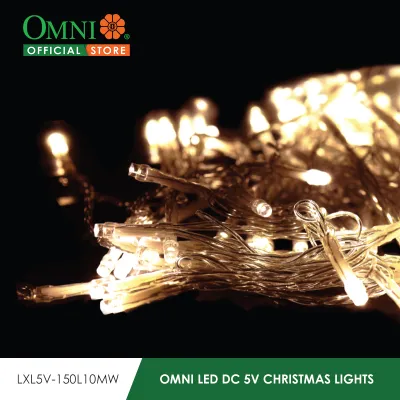
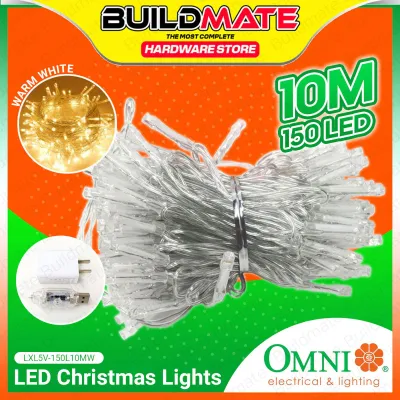
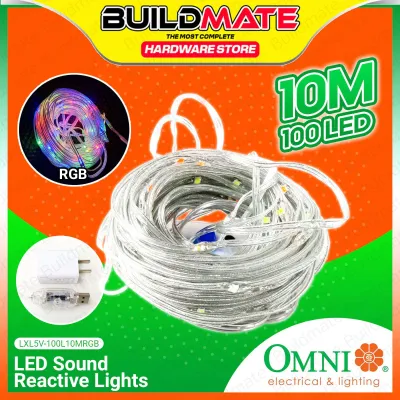
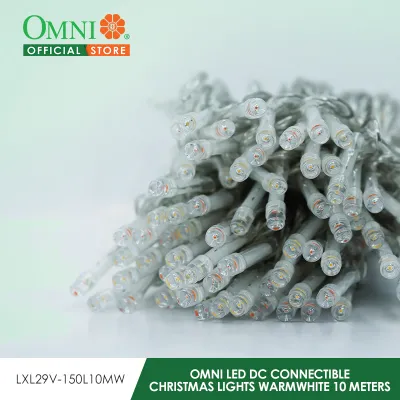
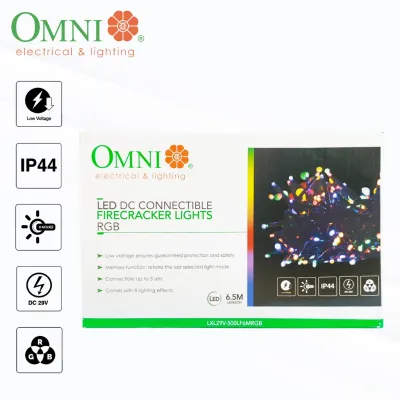
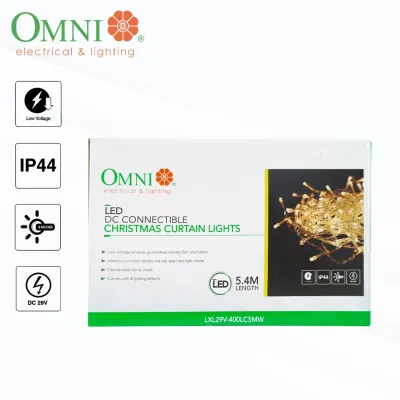
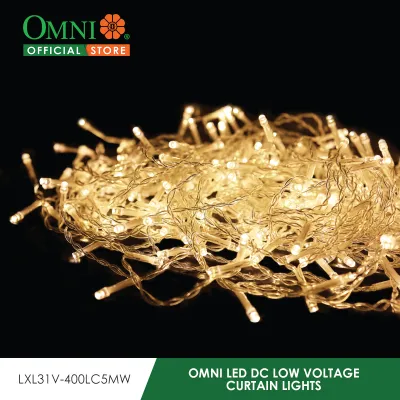
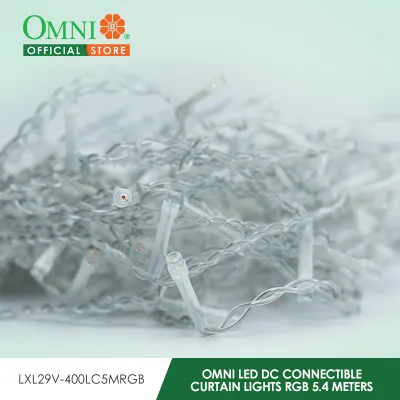
Prices are valid at publication and may change. Please refer to the product page for the latest price.

Electrical compatibility is another vital factor to verify before plugging in any holiday display. In the Philippines, the standard residential voltage is 220V at 60Hz, meaning any imported or specialty lights must be compatible with this system to avoid immediate damage or hazardous overheating. Look for official safety certification marks on the packaging, such as the Philippine Standard (PS) quality mark or the Import Commodity Clearance (ICC) sticker, which prove the product has undergone rigorous electrical safety testing.
Establishing clear safety boundaries during installation protects both your property and your family. Never use indoor-rated light strands outdoors, as their thin insulation and open connections are highly vulnerable to moisture. When connecting multiple light strands together, never exceed the manufacturer’s specified daisy-chain limit, as overloading the wires can cause them to melt. Finally, if your holiday design involves permanent outdoor wiring, working at extreme heights along rooflines, or managing heavy suspended loads, isolate the power source immediately and consult a qualified electrician to perform the installation safely.
Bulb Types and Shapes: Matching Your Decorative Style
Choosing between light-emitting diode (LED) bulbs and traditional incandescent options represents a major decision in terms of both operating costs and safety. LED bulbs consume up to 90 percent less electricity than their incandescent counterparts, which translates to substantial savings on your monthly utility bill during the extended holiday runtimes. Furthermore, LEDs generate virtually no heat, significantly reducing the risk of fire when wrapped around dry artificial trees, paper ornaments, or delicate foliage. While incandescent bulbs offer a classic, warm glow that some decorators prefer, they run hot to the touch, have a much shorter lifespan, and consume far more power.
The physical shape and style of the bulbs should align with the specific architectural features or greenery you plan to decorate. Fairy lights feature tiny, delicate bulbs on thin wires, making them highly versatile for wrapping indoor tree branches or stuffing into decorative glass jars. Curtain lights and icicle lights are designed to hang downward, making them excellent choices for framing windows, covering blank walls, or draping along the edges of roof eaves. For bold, continuous lines of light that mimic vintage neon signage, modern neon-style flex lights utilize flexible silicone tubing to create smooth, bright curves that work well for custom shapes or modern architectural borders.
Color temperature and color-changing capabilities are conditional style preferences that depend entirely on the atmosphere you want to create. Warm white lights (typically ranging from 2700K to 3000K) produce a cozy, traditional, and inviting glow that complements classic wood tones and rich holiday colors. Cool white lights (5000K to 6500K) offer a crisp, bright, and modern aesthetic that mimics ice or snow, which pairs exceptionally well with silver, blue, or minimalist decor. Multi-color strands and programmable RGB lights provide a playful, energetic vibe suitable for child-friendly spaces or dynamic outdoor light shows, allowing you to customize the visual effect based on your specific holiday theme.
Measuring Your Space: Calculating Length and Power Limits
Accurately measuring your decorating areas before purchasing lights prevents the frustration of running out of strands mid-installation or buying excess inventory. For indoor Christmas trees, a helpful baseline is to plan for approximately 100 to 150 lights per foot of tree height, though you may need more if you prefer a highly dense, glowing look. When measuring linear surfaces like railings, window frames, and rooflines, use a flexible measuring tape to find the exact distance, then add an extra 10 to 15 percent to the total length to account for natural draping, wrapping around posts, or reaching the nearest power outlet.
Bulb spacing is a critical specification that directly influences the visual density and overall brightness of your holiday display. Standard string lights typically feature bulbs spaced 4 to 6 inches apart, offering a classic, dispersed look that works well for general tree wrapping and outlining structures. In contrast, micro-cluster lights feature bulbs packed tightly together, often only an inch or two apart, creating a thick, intense band of light that delivers a highly dramatic, professional appearance with minimal effort.
Before connecting multiple strands together, you must calculate the total electrical load to avoid tripping your home’s circuit breakers or creating a fire hazard. Always check the manufacturer’s label on the cord to find the wattage rating of each individual strand and the maximum number of connectable sets allowed. To calculate the total load, multiply the wattage of a single strand by the number of strands you plan to connect. Ensure this total does not exceed the maximum wattage rating of your extension cords or the capacity of the household circuit, keeping in mind that other active appliances sharing that same circuit also contribute to the overall electrical load.
Power Sources and Smart Features for Holiday Convenience
Evaluating how your lights will receive power determines where they can be placed and how much maintenance they will require. Standard plug-in lights offer continuous, reliable brightness without the worry of fading power, making them the best choice for primary displays, provided you have accessible outlets nearby. Battery-operated lights provide complete placement flexibility for isolated areas like wreaths on front doors, dining table centerpieces, or staircase banisters, though the ongoing cost of replacing batteries can accumulate quickly during high-usage periods. Solar-powered options are highly convenient for outdoor gardens and pathways, but their performance depends heavily on direct sunlight, meaning they may dim prematurely during cloudy weather or the rainy conditions common in the late-year tropical climate.
Integrating smart features into your holiday setup can greatly enhance convenience and help manage energy consumption. Many modern light sets come equipped with built-in timers that automatically turn the display on and off at designated times, preventing unnecessary electricity usage overnight. Advanced models offer remote controls or smartphone app integration via Wi-Fi or Bluetooth, allowing you to change colors, adjust brightness levels, or select flashing patterns from your phone. Before purchasing these high-tech options, verify the compatibility of the companion app with your smartphone and read user reviews to ensure the wireless connection remains stable and reliable.
Regardless of the power source you choose, planning your outlet locations and cable routing is essential for a clean and safe installation. For any exterior displays, strictly use outdoor-rated, heavy-duty extension cords that feature grounded plugs and weather-resistant insulation. Ensure that all temporary extension cords are routed away from high-traffic walkways to prevent tripping hazards, and use protective plastic safety covers to shield plug connections from moisture and pooling water.
Safe Installation and Storage for Long-Lasting Use
Taking a systematic approach to installing and storing your Christmas lights will protect your investment and ensure they remain functional for many holiday seasons to come. Before hanging any lights, lay the strands flat on a clean surface, plug them in, and inspect the entire length for dead bulbs, loose connections, frayed wires, or cracked plastic housings. Replacing damaged bulbs or discarding compromised strands at this stage is much easier than troubleshooting a fully installed display on a ladder.
During installation, prioritize methods that preserve the integrity of the light wires and your home’s surfaces. Use specialized plastic light clips, gutter hooks, or heavy-duty zip ties designed specifically for hanging holiday decorations, as these secure the strands firmly without damaging your property. Never use metal staples, nails, or tacks to secure light cords, as these can easily pierce the protective vinyl insulation, exposing live wires and creating immediate shock or fire hazards. Additionally, ensure all electrical plug connections located outdoors are elevated off the ground using blocks or specialized cord shields to prevent contact with pooling rainwater.
When the holiday season ends, proper storage is the key to preventing tangles and internal wire breakage. Coil each light strand loosely around a cardboard tube, a plastic hanger, or a storage reel rather than wrapping them tightly around your hand and elbow, which strains the internal copper filaments. Store your packed lights in a sturdy, sealed plastic container located in a dry, climate-controlled indoor space. Avoid storing them in unventilated outdoor sheds or hot attics, as extreme tropical heat can cause the plastic wire insulation to degrade, become brittle, and crack before the next holiday season.
Frequently Asked Questions (FAQ)
Can I cut Christmas light strands to fit a specific length?
Most standard plug-in Christmas light strands are wired in a continuous series or parallel circuit and cannot be cut without breaking the electrical flow or exposing live wires, which creates a severe shock hazard. Attempting to cut these standard strands will render the remaining section completely inoperable. However, certain low-voltage LED strip lights and neon-style flex lights are specifically designed with designated cut marks indicated by a scissor icon on the strip. You must always consult the manufacturer’s instruction manual and verify these markings before making any cuts to ensure the safety and functionality of the product.
Why do my outdoor Christmas lights keep tripping the breaker?
Outdoor Christmas lights typically trip circuit breakers due to moisture entering the electrical connections, overloaded circuits, or damaged wire insulation. When rainwater or high humidity penetrates an unprotected plug or a cracked bulb socket, it creates a short circuit that immediately triggers the breaker to prevent a fire. To resolve this issue, isolate the power source by unplugging the display, inspect all connections for water ingress, dry them thoroughly, and seal them with weather-resistant covers. If moisture is not the cause, calculate the total wattage of your display to ensure you have not exceeded the capacity of the circuit, and redistribute the electrical load across different household outlets if necessary.
Community discussion
Share your experience or ask a question. Comments are reviewed before publication.