
Choosing the ideal christmas lights wire length for a condo bedroom or living room requires balancing your design vision with the physical realities of your space. Unlike spacious houses, condo units often feature compact layouts, specific outlet placements, and concrete walls that limit where you can run cables. To get the perfect ambient glow without messy tangles or awkward, over-stretched lines, you must measure your intended path, account for draping slack, and factor in the distance to your nearest power outlet before making a purchase. Selecting the right length—whether a compact 5-meter strand, a versatile 10-meter wire, or a generous 20-meter option—ensures your lighting looks intentional, cozy, and completely integrated into your home decor.
Assess Your Room Layout and Ambient Lighting Goals
Before purchasing any lighting, take a close look at your condo’s layout and identify the specific zones you want to highlight. In a bedroom, the most common focal points are the headboard, the frame of a vanity mirror, or the perimeter of a window. In the living room, you might want to draw attention to floating shelves, an entertainment console, or the upper perimeter of the ceiling to create an illusion of height. Your choice of placement directly influences the visual density of the light. For instance, a subtle, sparse glow requires only a single straight run of lights, whereas a dense, bright ambient effect demands multiple parallel strands or closely spaced vertical drops.
Consider how your existing furniture and decor will interact with the light strands. In tropical climates, lightweight fabrics like sheer curtains or linen drapes are popular for maximizing airflow and natural light. If you plan to drape string lights along window frames, the wire must be light enough not to pull down delicate curtain rods. Additionally, ensure the lights do not obstruct high-use areas, such as wardrobe doors, cabinet handles, or sliding balcony entryways. Mapping out these zones beforehand prevents you from buying a wire that is either too short to complete the look or so long that it crowds your furniture.
Products mentioned in this guide

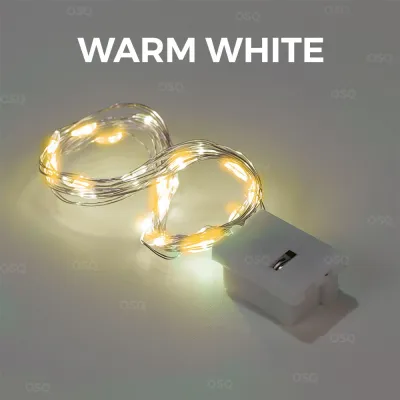
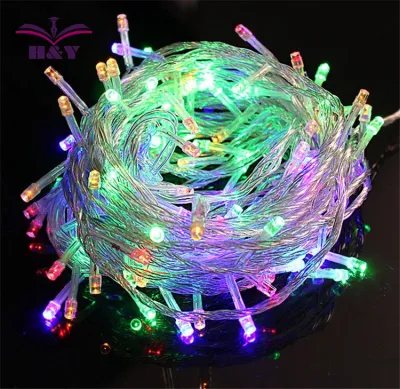
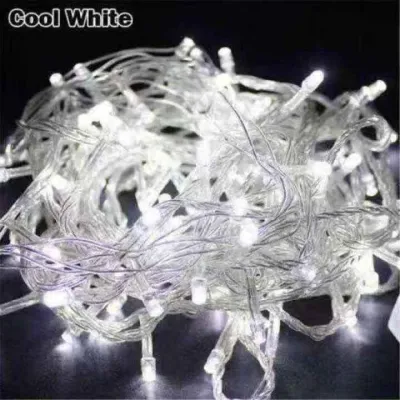
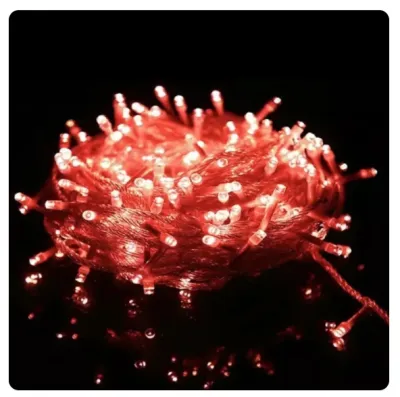
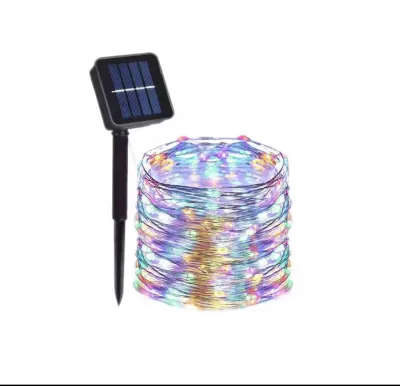
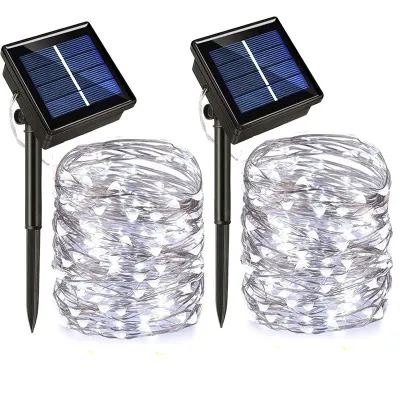
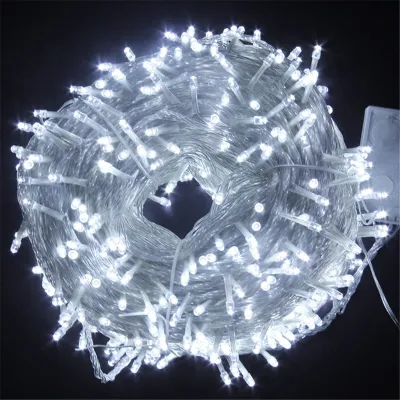
Prices are valid at publication and may change. Please refer to the product page for the latest price.
Calculate the Required Wire Length
Estimating your wire length by eye often leads to frustrating installation mistakes. To get an accurate measurement, use a flexible measuring tape to trace the exact path where the wire will sit. If you do not have a flexible tape, you can use a long piece of string or yarn to mimic the layout, then measure the string with a standard ruler. Always measure the linear distance of the surface first, whether it is the top of a headboard, the border of a window, or the edge of a bookshelf.

Once you have the base linear measurement, you must add extra length to account for three crucial factors: corners, draping effects, and reaching the power outlet. For a relaxed, natural drape, add roughly 10% to 15% more length to your total calculation; otherwise, the wire will look stiff and taut. If your design involves wrapping a curtain rod, a bedpost, or a vertical column, the wrapping pattern will consume significantly more wire than a straight line. To calculate this, wrap a small section with a piece of string to see how many centimeters of wire are needed per turn, then multiply that by the total number of turns required. Finally, measure the distance from the end of your decorative display to the nearest wall outlet, ensuring you have enough unlit lead wire to bridge the gap safely.
Match Wire Length to Common Condo Dimensions
Condo units vary from cozy studio apartments to multi-bedroom layouts, and matching your christmas lights wire length to your specific room size is key to a balanced look. Standard wire lengths typically come in 5-meter, 10-meter, and 20-meter options. A 5-meter strand is highly suited for localized accent lighting in small bedrooms or studio alcoves. This length is perfect for framing a vanity mirror, highlighting a small bedside table, or wrapping a single headboard without leaving excess wire bunched up on the floor.
For larger spaces or more ambitious layouts, a 10-meter or 20-meter strand is generally more appropriate. A 10-meter wire is highly versatile, easily covering the perimeter of a standard condo bedroom window or running along a living room television console with enough slack left for a gentle drape. If you are decorating an open-plan living and dining area, a 20-meter strand allows you to run a continuous line along the ceiling molding or create a beautiful canopy effect across the room. When dealing with complex shapes or multiple focal points, using multiple shorter strands is often more manageable than wrestling with a single, ultra-long wire, as it allows you to control individual sections independently.
Safety and Installation Checks for Indoor String Lights
Safety should always be your top priority when installing electrical decor in a condo. Before hanging your lights, carefully inspect the product label to verify its electrical specifications. Ensure the lights are rated for indoor use and are compatible with the standard 220-volt electrical system used in the Philippines. Look for official safety certifications, such as the Philippine Standard (PS) mark or the Import Commodity Clearance (ICC) sticker, which verify that the product has undergone rigorous safety testing. Always check the maximum wattage limits of your outlets and avoid overloading extension cords or multi-plug adapters.
When planning the physical route of the wire, ensure it does not cross high-traffic walkways where it could become a tripping hazard or get caught underfoot. Never pinch the wire in window tracks, balcony doors, or behind heavy furniture, as this can damage the protective insulation and expose live wires. For mounting, opt for damage-free adhesive clips or hooks designed for painted concrete walls or drywall, which are common in modern condo developments. These clips hold the wire securely without the need for nails or tacks that could pierce the cable. Finally, keep all wires, controllers, and transformers well away from heat sources, air conditioning vents, heavy drapes, and flammable materials, and always isolate the power by unplugging the lights before making any adjustments.
Common Sizing and Placement Mistakes to Avoid
One of the most frequent mistakes condo dwellers make is forgetting to measure the distance from the end of the decorative light display to the nearest accessible power outlet. This oversight often results in a beautiful light display that cannot be plugged in, or forces you to run unsightly extension cords across the room. To avoid this, always check the length of the “lead wire”—the unlit portion of the wire between the plug and the first light bulb—and ensure it can comfortably reach your outlet.
Another common error is choosing a wire that is too short, which forces you to pull the strand tight to make it reach. This not only creates an unnatural, rigid look that ruins the soft ambient aesthetic, but it also puts unnecessary tension on the wire and the mounting clips, increasing the risk of the lights falling down. Additionally, pay close attention to the wire color. A dark green wire can look incredibly harsh and distracting against a light-colored condo wall or minimalist furniture. Instead, select clear, silver, or copper wires that blend seamlessly into your existing decor when the lights are turned off.
Frequently Asked Questions (FAQ)
Can I connect multiple short strands instead of buying one long wire?
Yes, you can connect multiple short strands, but you must verify the manufacturer’s instructions first. Many modern LED string lights are designed to be daisy-chained end-to-end, but every product has a strict limit on the maximum number of connectable strands to prevent overheating and electrical failure. Connecting too many strands can overload the circuit or damage the built-in transformer. Additionally, keep in mind that connecting multiple strands will introduce bulky plug joints along your display path, which can be difficult to hide and may disrupt the clean, seamless look of your ambient lighting.
What is the best wire color for ambient lighting in a bedroom?
The best wire color depends entirely on your bedroom’s color palette and decor style. If your room features warm wood tones, rattan furniture, or metallic accents, copper or gold wires will complement these elements beautifully, even during the day. For modern, minimalist setups with white walls, glass shelves, or mirrors, clear or transparent wires are the ideal choice because they virtually disappear against light backgrounds. Green wires should generally be avoided in a bedroom unless you are specifically wrapping them around indoor plants, artificial vines, or traditional holiday garlands.
Community discussion
Share your experience or ask a question. Comments are reviewed before publication.