
Selecting the ideal Christmas tree lights involves more than just picking a favorite color; it requires matching the light string length, bulb density, and power type to your specific tree dimensions and room layout. This guide walks you through the practical steps to measure your space, calculate the necessary lighting coverage, and verify electrical safety, ensuring your holiday display is both visually balanced and secure. By planning your setup before purchasing, you can avoid running out of lights halfway up the branches or overloading your home’s electrical circuits.
Measure Your Tree and Evaluate the Room Layout
Before browsing for light strings, establish the physical baseline of your holiday setup. Measure the exact height of your Christmas tree from the bottom of the stand to the tip of the highest branch, and determine the maximum width at its widest point. These two dimensions dictate the overall surface area you need to cover. If you are using a natural tree, keep in mind that its shape may be slightly irregular compared to symmetrical artificial models, requiring a bit of extra flexibility in your planning.
The physical placement of the tree within your room significantly influences how many lights you actually need to purchase. If your tree is tucked into a corner or placed flat against a wall, you only need to decorate the visible portions—usually about half or three-quarters of the tree’s circumference. Conversely, if the tree is positioned in the center of a living room, near a staircase, or in front of a large window where it is visible from both inside and outside, you must plan for full 360-degree coverage.
Products mentioned in this guide
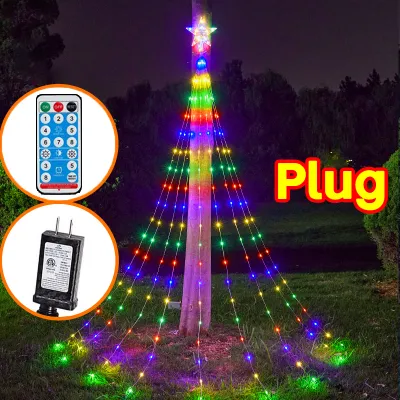
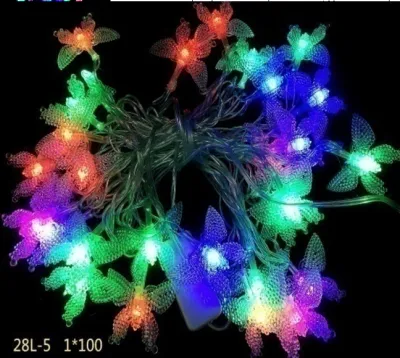
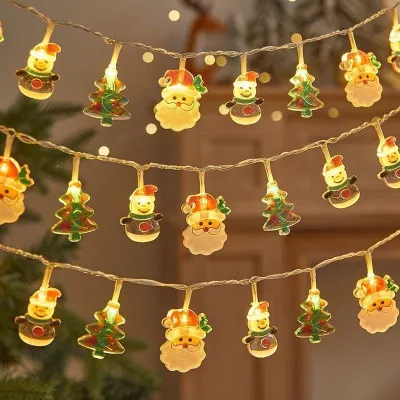
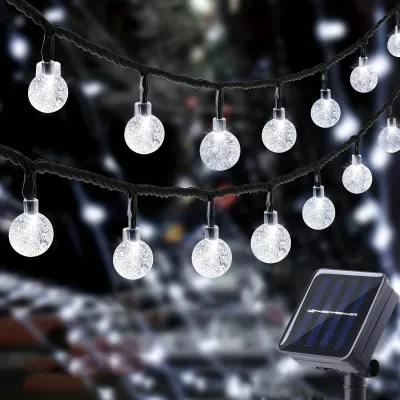
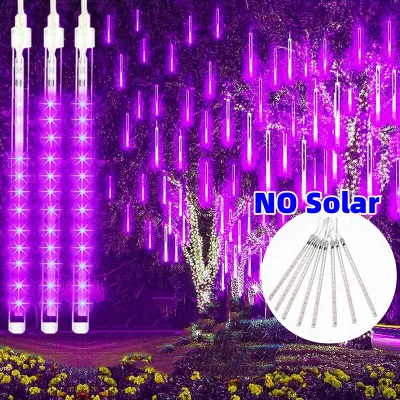
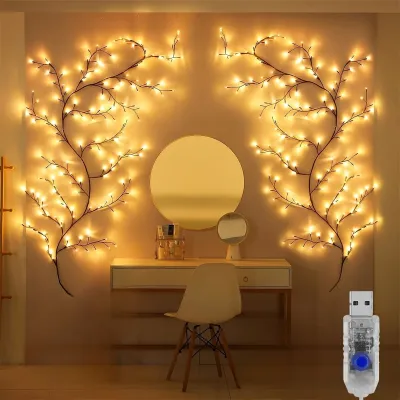
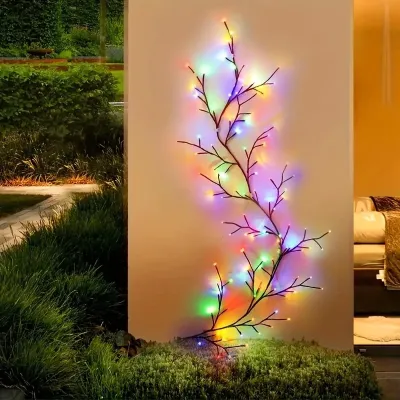
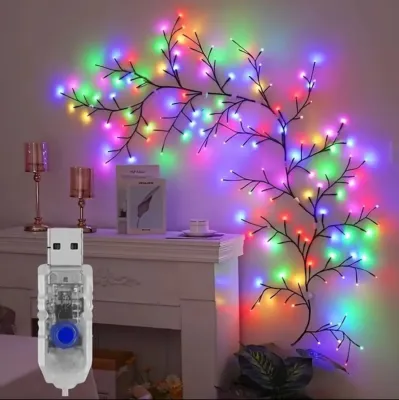
Prices are valid at publication and may change. Please refer to the product page for the latest price.
Consider the environmental conditions of your chosen spot, especially in tropical climates like the Philippines. Placing a tree directly under an active air conditioning vent or next to a window exposed to intense afternoon sun can subject the tree materials and light wiring to rapid temperature fluctuations and high humidity. Ensure the tree is situated in a dry, well-ventilated area of the room, away from high-traffic pathways where family members or pets might accidentally trip over power cords. Finally, identify the tree’s intended role in your space; a primary focal point in a spacious living room demands a brighter, denser display, whereas a secondary tree in a hallway or bedroom may only require a subtle, low-intensity glow.
Estimate the Required String Length and Bulb Density
Once you have your tree’s measurements, you can estimate the total length of the light strings required. The coverage of a single string depends heavily on bulb spacing—the physical distance between each individual light on the wire. Strings with closely spaced bulbs (such as two to three inches apart) offer a dense, brilliant glow but cover less linear distance than strings with wider spacing (four to six inches apart). Always read the manufacturer’s packaging carefully to identify both the total lighted length and the total number of bulbs on the string, as these specifications vary widely between brands.

Your preferred wrapping style will dictate how much wire you consume during installation. The classic horizontal wrapping method involves weaving the light string in and out of individual branches, starting from the trunk and moving outward to the tips. This technique creates incredible visual depth but requires a substantial amount of string length. Alternatively, vertical draping—where you secure lights at the top of the tree and let them cascade straight down to the base—uses significantly less wire and is much easier to install and remove. A third option is simple outer-surface weaving, where you loosely drape the lights around the exterior profile of the tree, which is ideal for quick setups but offers less dimensional depth.
Adjust your density expectations based on the specific characteristics of your tree. If you are adding lights to a pre-lit tree to enhance its brightness, you will need far fewer strings than if you are starting with a completely bare tree. Heavily ornamented trees, packed with reflective glass baubles and tinsel, naturally multiply the light, meaning you can achieve a dazzling effect with a moderate bulb count. On the other hand, sparse or thin-branched trees often have noticeable visual gaps; wrapping the lights deeper along the inner branches near the trunk can help fill these empty spaces and create a fuller, more balanced appearance.
Match Bulb Styles and Power Options to Your Space
Choosing the right bulb style and power source ensures your tree matches your home’s aesthetic while remaining highly functional. Common bulb sizes scale differently depending on the size of your tree. Mini lights, often referred to as fairy lights, feature small, delicate bulbs that work beautifully on almost any tree size, providing a dense and seamless shimmer. For larger trees, larger C7 or C9 bulbs offer a bold, nostalgic statement. These larger bulbs stand out prominently but can easily overwhelm smaller tabletop trees, so it is best to scale the bulb size to the overall height and volume of your tree.
Light temperature is a matter of personal preference, but it should harmonize with your existing room decor. Warm white lights emit a soft, golden glow that complements traditional wooden furniture and classic red-and-gold ornaments. Cool white lights offer a crisp, bright blue-white illumination that pairs exceptionally well with modern, minimalist interiors. Multicolor strings bring a vibrant, playful energy to family spaces. Whichever you choose, try to maintain consistency across all strings on the tree to avoid a disjointed visual effect.
Power delivery is another critical decision point. Standard plug-in light strings provide continuous, reliable brightness and are the practical choice for primary household trees. However, if your tree is located far from a wall outlet, battery-operated or USB-powered light strings offer excellent flexibility, eliminating unsightly and hazardous extension cords running across the floor. Keep in mind the maintenance trade-offs: battery-powered lights gradually dim as the batteries drain, requiring regular replacements, while USB-powered options may require a nearby power bank that needs routine recharging.
Before making any purchase, strictly verify the product’s electrical specifications. In the Philippines, household electrical systems operate on a standard 220V voltage. Ensure that any plug-in lights you buy are rated specifically for 220V/60Hz to prevent immediate product failure or electrical hazards. Always check the product label for official safety certifications, such as the Import Commodity Clearance (ICC) sticker or the Philippine Standard (PS) mark, which verify that the product has undergone rigorous safety testing. Additionally, confirm whether the lights are rated for indoor use only, as outdoor-rated lights feature specialized weatherproofing that is unnecessary—and often bulkier—for indoor setups.
Verify Electrical Safety and Installation Limits
Prioritizing electrical safety during installation protects your home and family from potential hazards. Before draping a single string onto your tree, uncoil the lights completely and inspect the entire length of the wire. Look closely for any signs of fraying, cracked plastic insulation, loose bulb sockets, or damaged plugs. If you detect any damage, discard the string immediately rather than attempting a temporary tape repair. Additionally, check the maximum load capacity of your wall outlets and any extension cords you plan to use, ensuring the combined wattage of your holiday display does not exceed these limits.
When connecting multiple light strings together, always follow the manufacturer’s explicit instructions regarding maximum end-to-end connections. It is a common misconception that you can daisy-chain an unlimited number of strings. Overloading a single run can cause the wires to overheat, melt, or blow the integrated safety fuse in the plug. LED light strings generally allow for more consecutive connections than traditional incandescent strings due to their lower power draw, but you must still locate and adhere to the exact limit printed on the product’s warning tag.
Installing lights on tall trees requires careful physical coordination. Always use a stable, slip-resistant step ladder placed on a flat, level floor; never stand on chairs, sofas, or unstable boxes to reach the upper branches. For safety, always isolate the power by unplugging the light strings from the wall while you are actively wrapping them around the branches. Once the strings are securely in place, you can plug them in to evaluate the spacing and make minor adjustments.
Knowing when to stop and seek professional assistance is vital for home safety. If you encounter repeatedly tripped circuit breakers, warm-to-the-touch plugs or outlets, flickering lights that persist after replacing individual bulbs, or if you plan to install complex, high-voltage displays that require custom structural mounting or outdoor wiring, cease DIY installation immediately. In these scenarios, consult a qualified, licensed electrician to inspect your home’s electrical system and safely complete the installation.
Frequently Asked Questions (FAQ)
Can I connect multiple light strings together safely?
Yes, you can connect multiple light strings together, but only within the strict limits specified by the manufacturer. The safe number of connectable strings depends entirely on the wire gauge, the total wattage of the bulbs, and whether the strings are LED or incandescent. Always locate the warning tag near the plug or check the product packaging to find the exact maximum connection limit, and never exceed that number to prevent overheating and fire hazards.
How do I store Christmas tree lights to prevent tangling and damage?
To keep your lights in excellent condition for the next holiday season, avoid tossing them loosely into a storage box. Instead, wrap each string neatly around a sturdy piece of clean cardboard, a specialized plastic light reel, or even a clean clothes hanger. Store the wrapped lights in a sturdy, airtight plastic container placed in a cool, dry area of your home, away from direct tropical heat and humidity, which can degrade the plastic wire insulation over time.
Community discussion
Share your experience or ask a question. Comments are reviewed before publication.