
A comfort cross serves as a quiet anchor in a garden, offering a dedicated space for reflection, remembrance, or spiritual connection. When choosing one for an outdoor setting, especially in tropical climates characterized by intense sunlight, high humidity, and heavy seasonal downpours, you must look beyond mere aesthetics. The ideal garden cross balances meaningful design with structural resilience, ensuring that its message and form endure against the elements. To make a wise purchase, you need to evaluate the ornament’s purpose, material composition, size, installation requirements, and long-term maintenance needs.
By focusing on these practical aspects, you can select a piece that not only complements your outdoor landscaping but also stands as a lasting symbol of peace. Whether you are placing it in a quiet corner of a backyard in Manila or using it as a focal point in a provincial garden, understanding what to look for will help you make an informed decision.
Defining the Purpose and Design Style
Before browsing online marketplaces or visiting local garden centers, clarify the primary role the cross will play in your outdoor space. A memorial cross often serves as a deeply personal tribute, frequently featuring specific dates, names, or comforting inscriptions like “In Loving Memory.” In contrast, decorative or scripture-based comfort crosses focus on uplifting passages, symbolic patterns, or simple, elegant lines meant to inspire daily reflection and enhance the overall garden aesthetic.
Products mentioned in this guide
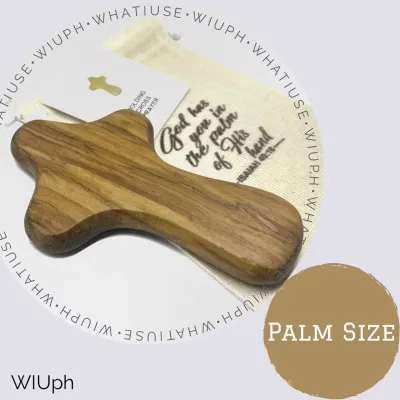

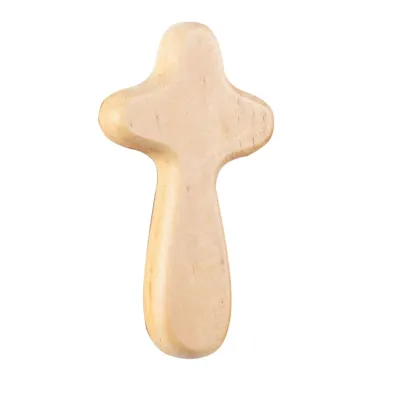




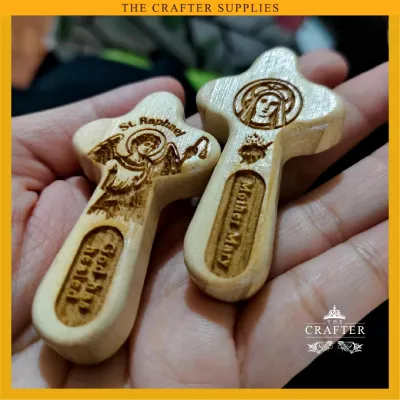
Prices are valid at publication and may change. Please refer to the product page for the latest price.
If the cross features text, legibility is a critical factor to examine before purchasing. Look closely at the font style and the depth of the engraving. Shallow laser-etched lettering can quickly fade or become unreadable when exposed to outdoor light and weathering. Deeply carved, molded, or recessed lettering provides excellent legibility because the natural shadows cast by the sun highlight the words. Additionally, check the color contrast between the lettering and the background material; high-contrast finishes, such as dark charcoal text on light cream stone, are much easier to read from a distance.
Your chosen ornament should also harmonize with your existing garden design. A rustic, wood-textured resin cross fits beautifully in an informal, lush garden filled with ferns, wild flowering plants, and natural stone pathways. A sleek, modern metal or polished stone cross complements minimalist landscaping, concrete patios, or structured walkways. Traditional cast stone designs harmonize well with classic garden layouts, water fountains, and neatly manicured hedges.
Evaluating Material Durability for Outdoor Conditions
Outdoor ornaments face constant environmental stress, particularly in tropical regions where scorching midday heat is frequently followed by sudden, torrential rain. When shopping, you must weigh the trade-offs between heavy, stable materials and lightweight, easily movable options. Heavy materials stay put during strong winds but are difficult to reposition, while lightweight options offer flexibility but require extra anchoring to remain secure.

Always check the manufacturer’s specifications for material treatments and protective coatings. Look for explicit mentions of UV resistance, waterproofing, and thermal stability. Even though freezing temperatures are not a concern in tropical climates, high thermal expansion from intense sun exposure can cause low-quality materials to crack, warp, or peel if they lack proper engineering. Whether you are budgeting ₱1,000 for a simple resin piece or ₱8,000 for a hand-carved stone monument, verifying these material limits protects your investment.
Assessing Polyresin and Composite Options
Polyresin and stone-plastic composites are highly popular choices due to their versatility, lightweight nature, and ability to mimic intricate wood or stone textures. However, synthetic materials are particularly vulnerable to solar radiation. To prevent fading, chalking, or peeling paint over time, verify that the product has a UV-resistant clear coat or a manufacturer guarantee regarding colorfastness.
Examine the physical construction of the resin cross to determine its structural integrity. Hollow casts are lightweight and affordable, but they can be fragile and easily knocked over by pets or wind. If you choose a hollow design, check if it features a fillable base where you can add sand or gravel for stability, or look for a reinforced bottom. Solid resin casts offer superior structural integrity and weight, making them much more resilient against accidental impacts and strong gusts.
Considering Natural Stone and Metal Alternatives
Natural stone, cast concrete, and metals offer a timeless, substantial feel that synthetic materials cannot fully replicate. Cast stone and concrete are highly durable but naturally porous. Without a proper sealant, these materials will absorb moisture, leading to rapid colonization by dark mold, green algae, or moss—a common issue in humid tropical gardens. Look for products that specify a pre-applied water-resistant sealer, or plan to apply a high-quality outdoor stone sealer yourself before installation.
For metal crosses, rust and corrosion are the primary concerns. Verify that iron or steel ornaments have undergone rust-resistant treatments, such as powder coating or hot-dip galvanization. Alternatively, materials like brass, bronze, or copper are excellent choices because they naturally develop a protective patina over time rather than structurally degrading, adding a vintage character to your garden.
Sizing, Placement, and Visibility
A garden ornament should harmonize with its surroundings, neither getting lost in the foliage nor overwhelming the space. Begin by measuring the exact area where you plan to place the cross. Whether it is a small pocket in a flower bed, a prominent spot along a garden path, or a dedicated memorial corner, knowing the physical dimensions prevents you from buying a piece that is disproportionately large or small.
Consider the sightlines from your favorite viewing spots, such as a veranda, patio, or living room window. If you want to appreciate the cross from a distance, a tiny 10-inch ornament will likely disappear from view. For distant visibility, look for crosses that stand at least 18 to 24 inches tall, with clear, bold silhouettes that stand out against green backdrops.
Account for seasonal plant growth and rapid tropical vegetation. Plants like bougainvillea, philodendrons, or ornamental grasses grow quickly and can easily obscure low-lying ornaments. If placing the cross in an active garden bed, choose a taller model or elevate it on a pedestal to ensure it remains visible throughout the year without requiring constant pruning.
Installation, Stability, and Safety Checks
Proper installation is crucial to prevent your comfort cross from tipping over, getting damaged, or causing injury. Examine the base of the ornament to match it to your intended surface. Flat-bottomed bases are ideal for solid surfaces like concrete patios, tiled steps, or flat paving stones. Ground stakes are necessary if you plan to place the cross directly in soil, lawn, or mulch, as they anchor the piece deep into the earth.
Wind resistance is a major factor, particularly during typhoon seasons when strong gusts can easily topple top-heavy garden decor. If you select a tall or top-heavy cross, ensure it features built-in anchoring points, a wide, weighted base, or compatibility with heavy-duty ground stakes. For hollow resin models, filling the interior cavity with dry sand can significantly lower the center of gravity and improve wind resistance.
For exceptionally large or heavy stone installations—such as solid granite or concrete crosses weighing over 20 kilograms—do not hesitate to consult a qualified professional. Proper ground preparation, concrete pouring, or structural anchoring ensures the ornament remains safe and stable for decades without shifting, tilting, or posing a hazard to children or pets playing nearby.
Maintenance and Long-Term Care
Regular upkeep preserves the beauty and extends the lifespan of your garden ornament. Establish a gentle cleaning routine to remove dirt, bird droppings, and surface grime. Use a soft-bristled brush and mild, biodegradable dish soap mixed with warm water. Avoid harsh chemical cleaners, bleach, or acid-based solutions, as these can strip protective UV coatings, dissolve stone sealants, or discolor painted resin.
Pay close attention to product labels regarding extreme weather care. While tropical climates do not experience freezing winters, they do face severe storms. If a major storm or typhoon is approaching, it is wise to temporarily move lightweight or highly detailed crosses indoors or to a secure storage shed to protect them from flying debris and extreme wind.
Perform a quick inspection of your garden cross after heavy rains or storms. Check for hairline structural cracks, signs of paint peeling, or shifting at the base. Catching these issues early—such as re-leveling a tilted base or applying a touch-up sealant to a small crack—prevents minor wear from turning into irreparable damage.
Frequently Asked Questions (FAQ)
Can a comfort cross be placed directly on grass or soil?
Placing certain materials directly on damp grass or soil is not recommended. Constant contact with wet earth exposes the base of the cross to continuous moisture wicking, soil acidity, and burrowing insects, which can degrade resin, rot wood, or cause stone to discolor and crumble. To prolong the lifespan of your ornament, place a flat paving stone, a bed of gravel, or a dedicated concrete paver underneath the cross to act as a protective barrier between the material and the soil.
How do I clean algae or moss off an outdoor cross?
To safely remove algae, moss, or mold, start with gentle mechanical cleaning. Wet the surface and use a soft-bristled nylon brush or an old toothbrush to scrub the affected areas gently. For stubborn patches, mix a solution of one part white vinegar to three parts water, apply it to the moss, let it sit for ten minutes, and scrub gently before rinsing thoroughly with clean water. Never use high-pressure washers on painted, detailed, or delicate resin surfaces, as the intense pressure can easily chip the finish or erode the material.
Is it safe to leave a resin cross outside during heavy rain?
High-quality resin crosses designed for outdoor use are generally water-resistant and can withstand normal rainfall. However, you should check the manufacturer’s rating to confirm if the product is fully waterproof. Inspect the cross for drainage holes or a hollow base; if water pools inside a hollow cavity without a way to drain, it can lead to internal mold growth, structural weakening, or material bloating. Ensure the base allows water to flow away freely rather than trapping moisture underneath.
Community discussion
Share your experience or ask a question. Comments are reviewed before publication.