
Selecting a floor lamp for a comfortable reading corner requires finding a fixture that delivers adjustable, glare-free task lighting directly onto your page without overheating the surrounding space. To achieve this, look for a lamp with an adjustable arm or pivoting head, a shade that directs light downward, and compatibility with LED bulbs that offer adjustable color temperatures. In the tropical climate of the Philippines, where evening humidity and ambient heat are common, selecting an energy-efficient LED-compatible fixture also ensures your cozy reading nook remains cool and inviting.
Creating a dedicated reading space requires balancing functional illumination with personal comfort. A poorly lit corner can lead to squinting, headaches, and eye fatigue, while an overly bright setup can create harsh glare that disrupts your relaxation. By understanding how light interacts with your environment, you can select a fixture that enhances your reading experience and complements your home decor.
What Makes Good Task Lighting for Reading?
To prevent eye strain during long reading sessions, it is essential to understand the difference between general ambient light and focused task lighting. Task lighting is designed to illuminate a specific area for a particular activity, such as reading a book or working on a tablet. Relying solely on a central ceiling light often casts shadows over your shoulder, making text difficult to decipher.
Products mentioned in this guide
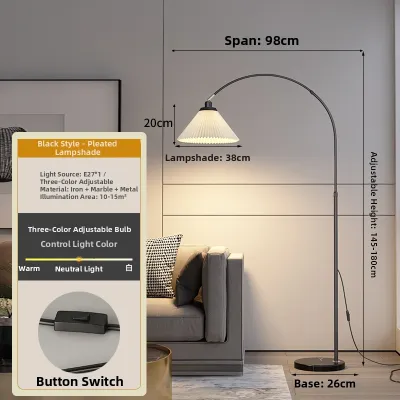
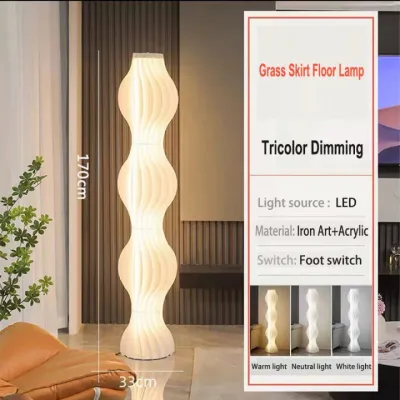
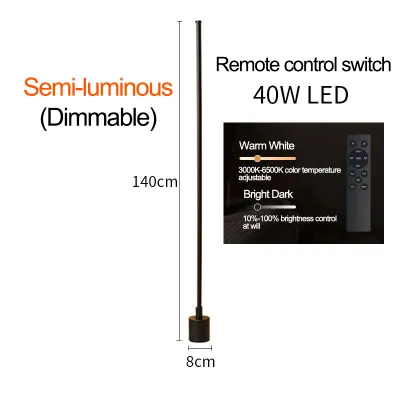
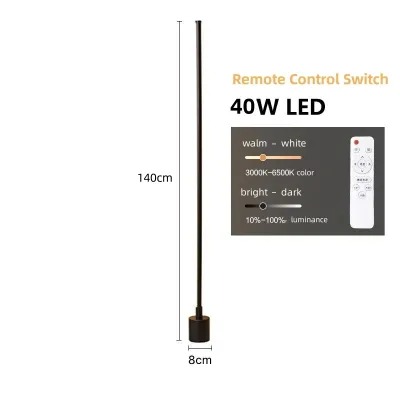
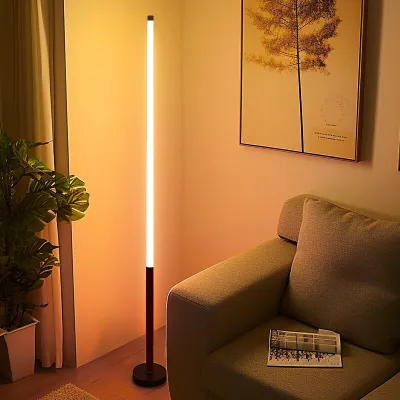
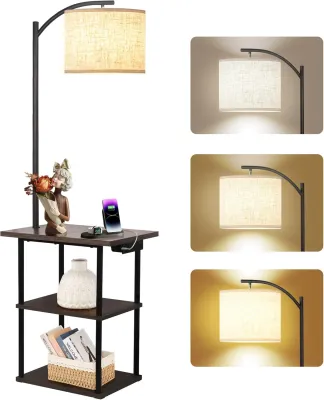
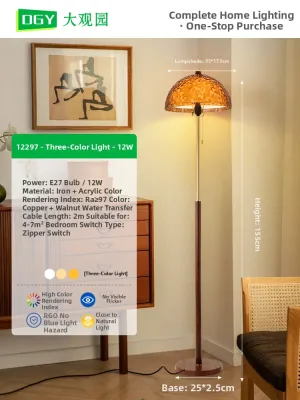
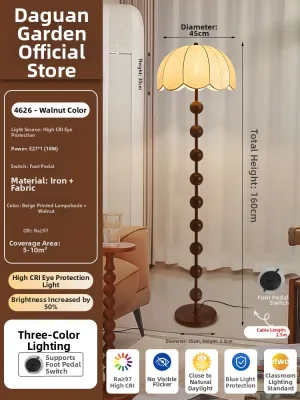
Prices are valid at publication and may change. Please refer to the product page for the latest price.
When evaluating brightness, look at the lumen output of the bulb rather than its wattage. Lumens measure the actual amount of light emitted, whereas wattage simply measures energy consumption. For comfortable reading, a bulb that delivers between 400 and 800 lumens is generally ideal. This range provides sufficient brightness to make text stand out clearly without creating an intense, blinding glare on white pages.
Color temperature, measured in Kelvin (K), also plays a critical role in visual comfort and focus. Cooler light, ranging from 4000K to 5000K, mimics daylight and can enhance alertness and text contrast, making it excellent for daytime study or reading technical documents. Conversely, warmer light, between 2700K and 3000K, promotes relaxation and is gentler on the eyes during evening hours. Many modern reading lamps support adjustable color temperatures, allowing you to transition from productive daytime focus to cozy nighttime reading.
Another vital metric is the Color Rendering Index (CRI), which measures how accurately a light source reveals the true colors of objects compared to natural light. For reading, a high CRI of 90 or above is highly beneficial. High CRI lighting sharpens the contrast between black text and white paper, reducing the cognitive effort required to read and significantly lowering the risk of visual fatigue over extended periods.
Key Features to Evaluate in a Reading Floor Lamp
The physical design of a floor lamp determines how effectively you can direct light onto your reading material. Adjustability is one of the most important features to look for in a dedicated reading lamp. Fixtures equipped with flexible goosenecks, articulated arms, or pivoting heads allow you to position the light source precisely where you need it, regardless of your seating posture.

This physical flexibility ensures that as you shift from sitting upright to reclining, you can easily adjust the lamp to prevent shadows from falling across your book. Articulated arms, often styled like classic architect lamps, offer a wide range of motion and can be extended over the back of an armchair. Gooseneck designs provide seamless, silent adjustments, which is ideal if you share your reading space with others and want to avoid disturbing them.
The design and material of the lamp shade also dictate how light is distributed. Opaque shades, typically made of metal or dense synthetic materials, block lateral light and funnel the entire beam downward. This creates a highly concentrated pool of light, which is perfect for focused reading. Translucent shades, such as those made of fabric, paper, or frosted glass, allow light to escape sideways, providing a mix of ambient room light and downward task light. While translucent shades create a softer atmosphere, they can sometimes introduce distracting glare if the bulb is visible at eye level.
In a cozy reading corner, space is often limited, making base stability and footprint critical safety considerations. A reading lamp should have a heavy, well-weighted base to prevent it from tipping over if accidentally bumped. This is especially important in high-traffic living rooms or homes with active pets and children. Before purchasing, measure the available floor space around your reading chair to ensure the lamp base can slide securely underneath or sit flat beside the furniture without creating an obstruction.
How to Position Your Lamp for Maximum Comfort
Proper placement of your floor lamp is just as important as selecting the right fixture. To avoid direct glare, position the lamp so that the bottom of the shade is roughly at eye level when you are seated in your reading chair. This height ensures that the bulb itself remains hidden from your direct line of sight, preventing harsh light from shining into your eyes while casting an even pool of light over your book.
Generally, placing the lamp slightly behind and to the side of your shoulder is a highly effective setup. If you are right-handed, positioning the lamp over your left shoulder helps prevent your hand or body from casting shadows across the page when turning sheets or taking notes. For left-handed readers, placing the lamp on the right side achieves the same shadow-free effect.
Visual comfort also depends on how well the task light integrates with the rest of the room’s lighting. Reading in a completely dark room with a single bright spotlight on your book forces your eyes to work harder. Every time you look away from the page, your pupils must rapidly dilate to adjust to the darkness, leading to eye strain. To prevent this, maintain a low level of ambient light in the room, using dim overhead lights or soft accent lamps to bridge the contrast gap.
In tight reading corners, managing electrical cords is essential for both safety and aesthetics. Route cords flat along the baseboards and secure them with cable clips to prevent tripping hazards. Avoid running cords underneath heavy furniture legs or thick rugs, as the constant pressure and friction can wear down the protective insulation. In humid tropical environments, damaged insulation poses a higher risk of electrical short circuits, making proper cord routing a vital safety practice.
Checking Electrical Safety and Bulb Compatibility
Before installing any bulb in your new floor lamp, always check the manufacturer’s safety label, which is typically located near the bulb socket. This label specifies the maximum wattage limit the fixture can safely handle. While energy-efficient LED bulbs draw far less power than traditional incandescent bulbs, you must still ensure that the actual wattage of your chosen LED does not exceed the fixture’s rated limit to prevent overheating.
In the Philippines, the standard household electrical system operates at 220 volts (V) at a frequency of 60 hertz (Hz). When purchasing floor lamps or replacement bulbs online or from international retailers, verify that the electrical specifications match these local standards. Using a 110V lamp or bulb on a 220V circuit without a proper step-down transformer can permanently damage the device and create a severe electrical hazard. Additionally, look for local safety certifications, such as the Philippine Standard (PS) mark or the Import Commodity Clearance (ICC) sticker, to ensure the product has undergone rigorous safety testing.
If your ideal reading corner is located far from an existing wall outlet, avoid the temptation to daisy-chain multiple extension cords or overload a single outlet with adapters. Overloaded circuits can overheat, posing a fire risk. Instead, consult a qualified electrician to install a dedicated, grounded wall outlet near your reading nook. For any installation work or if you notice flickering lights or warm switch plates, always isolate the power at your home’s main circuit breaker before investigating further.
Frequently Asked Questions (FAQ)
Can I use a smart bulb in a standard reading floor lamp?
Yes, you can use a smart bulb in a standard reading floor lamp, provided the bulb’s base matches the lamp’s socket (most commonly E27) and the bulb fits physically within the shade. However, you must ensure the lamp does not have an integrated physical dimmer switch, as traditional dimmers can conflict with the smart bulb’s internal electronics, causing flickering or premature failure. For the best results, use smart bulbs in fixtures with simple on/off switches and control the dimming features exclusively through the smart bulb’s dedicated mobile application or voice assistant.
Are torchiere lamps suitable for reading?
Standard torchiere lamps are designed to direct light upward to bounce off the ceiling, providing general ambient illumination rather than focused task lighting. Because they do not cast direct, downward light, they are generally not suitable as a primary light source for reading and can contribute to eye strain if used alone. However, a torchiere lamp can work well if it includes an integrated, adjustable secondary reading light on a lower arm, allowing you to enjoy soft ambient room light while having a dedicated task light focused directly on your book.
Community discussion
Share your experience or ask a question. Comments are reviewed before publication.