
Selecting the right solar led strip lights for outdoor spaces in the Philippines requires a clear understanding of how well the product can resist water and dust. The local climate presents unique challenges, including intense tropical downpours, high humidity levels, and strong winds during the wet season. To ensure your decorative lighting survives these conditions, you must look closely at the Ingress Protection (IP) rating. As a general rule, outdoor solar lights require a minimum rating of IP65 for covered or semi-shielded areas, while fully exposed installations demand at least IP67 to prevent water ingress from heavy rains.
Decoding the IP Rating System for LED Strip Lights
The IP rating system is an international standard used to define the sealing effectiveness of electrical enclosures against intrusion from foreign bodies and moisture. An IP rating consists of two digits, each representing a specific type of protection. Understanding this code allows you to evaluate product specifications objectively without relying solely on vague marketing claims.
The first digit ranges from 0 to 6 and measures protection against solid particles, such as dust, dirt, and accidental contact. A rating of 6 indicates the enclosure is completely dust-tight, which is essential for outdoor lights exposed to dry winds and airborne debris. The second digit ranges from 0 to 9 and measures protection against liquids. For outdoor residential lighting, you will typically encounter liquid protection levels between 4 (protection against splashing water) and 8 (protection against continuous immersion).
Products mentioned in this guide
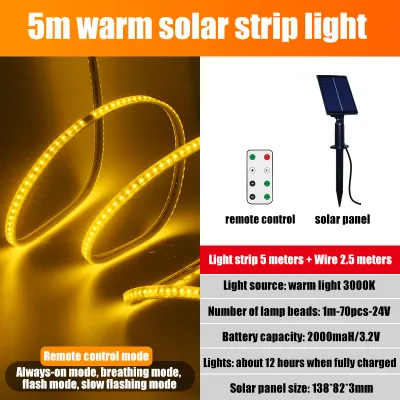
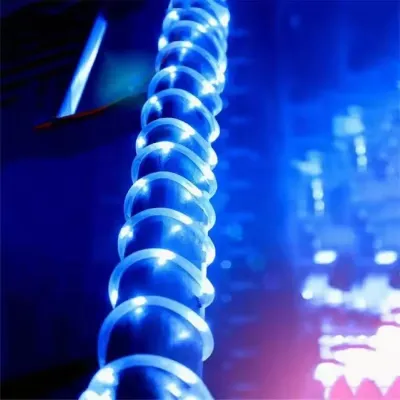
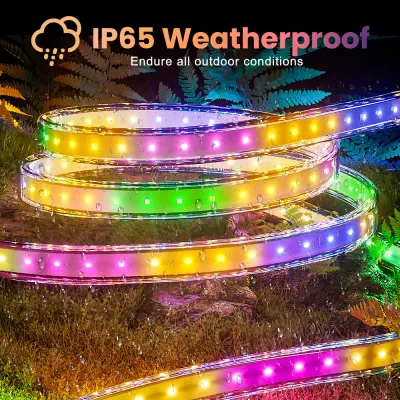
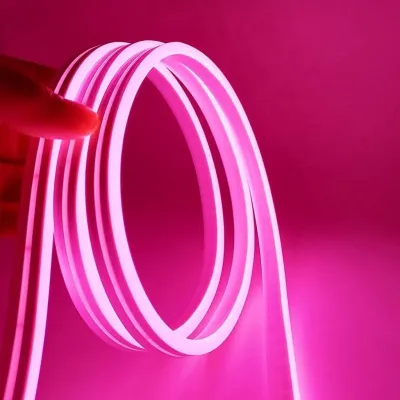
Prices are valid at publication and may change. Please refer to the product page for the latest price.
It is important to note that a higher number is not universally better for every scenario. While an IP68 strip light offers maximum water resistance, it may be unnecessary and more expensive for a covered balcony where an IP65 strip is perfectly adequate. Matching the rating to the specific exposure level of your installation site prevents overspending while ensuring long-term durability.
Matching IP Ratings to Philippine Outdoor Conditions
In the Philippines, outdoor spaces experience diverse microclimates and varying levels of exposure to the elements. Semi-outdoor or shielded areas, such as covered patios, verandas, and under roof eaves, are protected from direct, vertical rainfall but remain vulnerable to wind-blown moisture and high humidity. For these zones, solar led strip lights with an IP65 rating are generally sufficient, as they can withstand water splashes from any direction and keep out fine dust.

For fully exposed areas like garden fences, open pathways, tree trunks, and pergolas, the lighting system must endure intense tropical downpours. In these locations, IP67-rated strip lights are highly recommended. An IP67 rating means the product can withstand temporary submersion in water, which is crucial when heavy rains cause temporary pooling or when water runs down surfaces where the strips are mounted.
Beyond rainfall, the local environment features high relative humidity and, in coastal regions, corrosive salt air. These factors can accelerate the degradation of electrical connections and the solar panel’s housing. When selecting your lights, verify that the materials are UV-resistant and designed to withstand salt-air corrosion. Always consult the manufacturer’s specified environmental limits, as standard waterproof ratings do not guarantee survival in standing water during severe floods or typhoons.
Installation and Maintenance Checks for Solar Strip Lights
Proper installation is just as critical as choosing the correct IP rating. Before mounting your solar led strip lights, carefully inspect the waterproof seals at the connection points between the solar panel, the controller, and the light strip itself. Ensure all screw-on connectors are tightly secured and that any protective rubber caps are firmly in place. Avoid making sharp bends or kinks in the strip during installation, as this can crack the protective silicone or plastic sleeve, allowing moisture to seep into the circuitry.
Safety must always be a priority during setup and maintenance. If your installation involves working at heights, securing heavy suspended loads, or integrating the system with fixed household wiring, ensure you isolate the power source and follow the manufacturer’s instructions carefully. For complex setups or high-voltage integrations, consulting a qualified professional is highly recommended to prevent electrical hazards. Always turn off or shade the solar panel before cleaning or repositioning the units.
Over time, exposure to intense tropical sunlight can cause the protective silicone coating or waterproof sleeves to yellow, harden, or crack. Conduct regular visual inspections every few months to check for these signs of UV degradation. If you notice exposed wiring, moisture trapped inside the sleeve, or cracked seals, stop using the lights immediately and replace the unit to avoid short circuits or electrical hazards.
Evaluating Product Labels and Manufacturer Specifications
When shopping on any online marketplace or local retail store, it is easy to be misled by generic product descriptions. Terms like “water-resistant” or “weatherproof” carry no standardized technical meaning. To ensure you are getting a product capable of surviving outdoor conditions, always look for the explicit two-digit IP code on the product packaging or specification sheet. Additionally, verify other critical electrical specifications such as the operating voltage, interface type, wattage limits, and local electrical safety certifications to ensure compatibility with your home setup.
Additionally, remember that a solar lighting system consists of multiple parts that may not share the same protection level. The flexible LED strip might carry an IP67 rating, while the solar panel or the battery box might only be rated IP65. Verify the individual specifications for all components to ensure the entire system is suitable for your intended installation site.
Finally, keep your purchase receipts, user manuals, and warranty documents in a safe place. If the lights fail due to water ingress within the warranty period, having these documents will make it much easier to secure after-sales support or a replacement from the manufacturer.
Frequently Asked Questions (FAQ)
Can I leave solar LED strip lights outside during heavy typhoons?
Standard IP ratings are tested under controlled laboratory conditions and do not account for the extreme wind speeds, flying debris, and torrential rains associated with tropical cyclones. During a typhoon, high winds can tear the strips from their mounts, and debris can puncture the protective silicone sleeves. It is highly recommended to temporarily take down your solar led strip lights and store them indoors, or provide physical shielding, in accordance with the manufacturer’s extreme weather guidelines.
Does the IP rating protect the solar panel as well as the light strip?
Not necessarily. The solar panel, the controller box, and the LED light strip are often manufactured as separate components with different exposure needs. For instance, the light strip might be rated IP67 for direct exposure on the ground, while the solar panel is rated IP65. Always check the specification labels for each individual component of the product before finalizing your purchase to ensure every part can handle its specific placement.
Community discussion
Share your experience or ask a question. Comments are reviewed before publication.