
To withstand the intense tropical climate of the Philippines—characterized by heavy monsoon rains, high humidity, and seasonal typhoons—outdoor wall lights require specific Ingress Protection (IP) ratings. Selecting the wrong level of protection can lead to short circuits, rapid corrosion, or premature fixture failure. For fully exposed exterior walls, an IP65 rating is highly recommended to prevent water penetration from driving rain. For sheltered areas like covered patios or deep carports, an IP44 rating is generally the minimum standard required to protect against splashing water and moisture.
Choosing the right fixture involves understanding how these ratings translate to real-world weather protection. By matching the IP rating to your specific installation environment and verifying key material and electrical specifications, you can ensure your outdoor lighting remains safe and functional for years to come.
Understanding IP Ratings for Outdoor Lighting
An Ingress Protection (IP) rating is an international standard that classifies the degree of protection a light fixture offers against the intrusion of solid objects and liquids. The rating is always expressed as the letters “IP” followed by two digits. Each digit represents a distinct type of protection, and understanding this code is essential before purchasing any outdoor lighting fixture.
Products mentioned in this guide
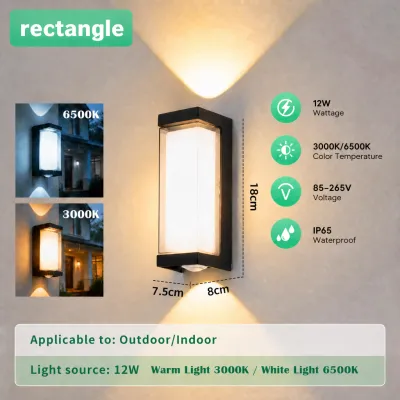
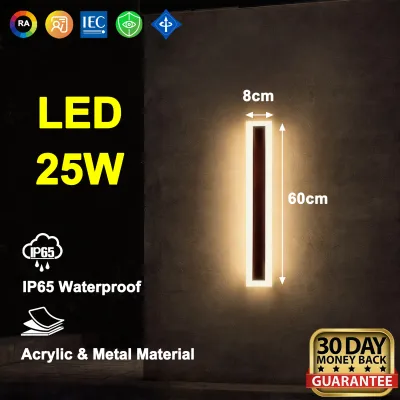
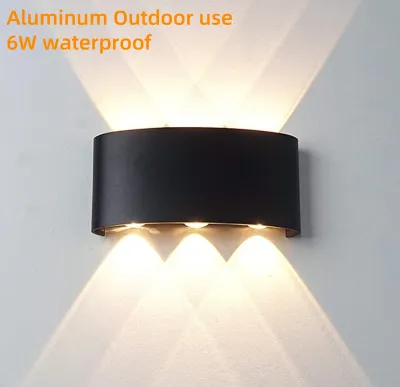
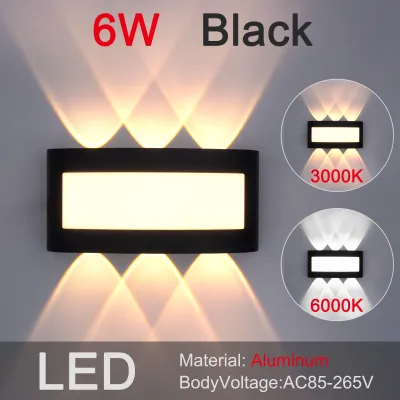
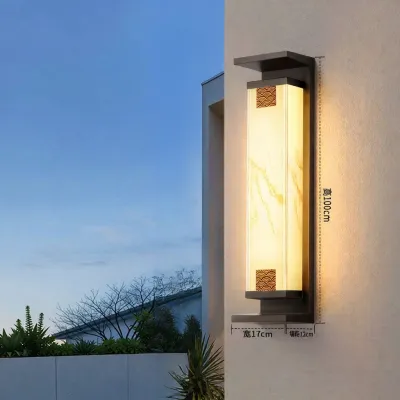
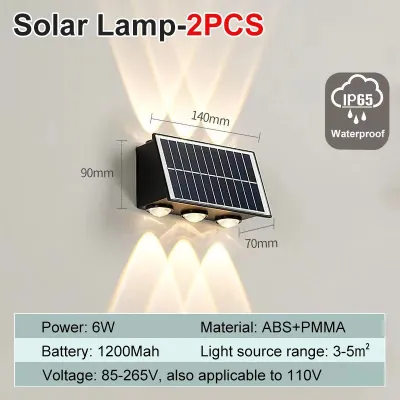
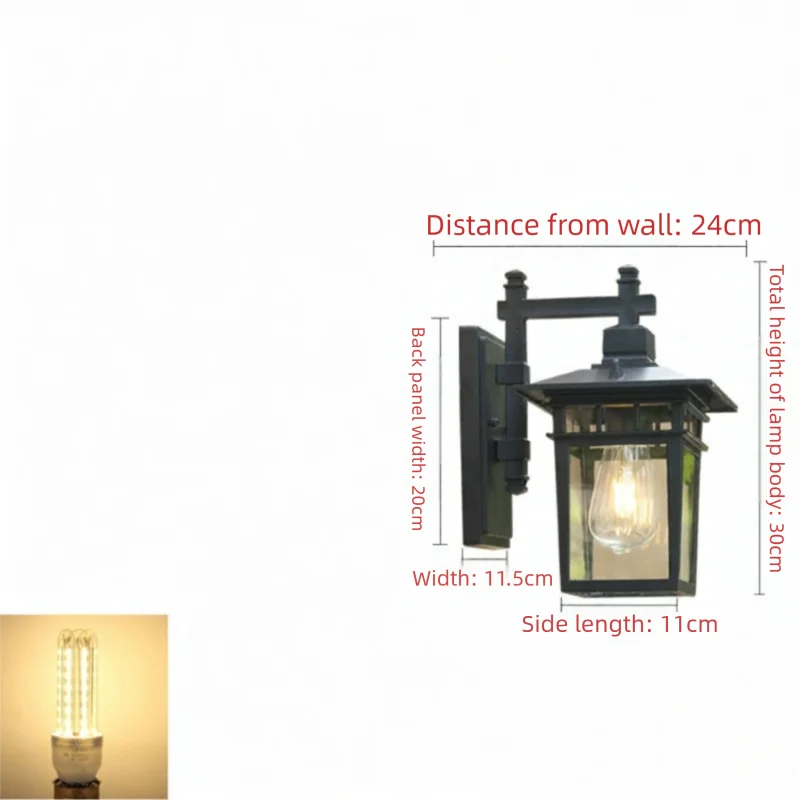
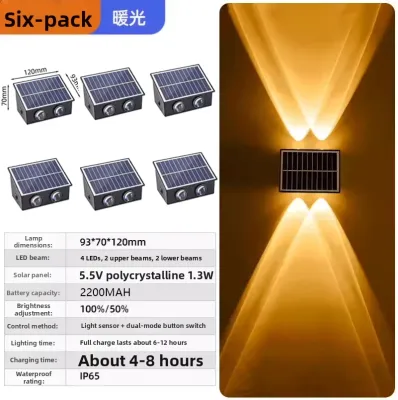
Prices are valid at publication and may change. Please refer to the product page for the latest price.
The first digit indicates the level of protection against solid particles, ranging from 0 (no protection) to 6 (completely dust-tight). In the Philippines, this first digit is particularly relevant due to high levels of ambient dust and the abundance of tropical insects, such as termites or moths, which are drawn to light sources. A rating of 5 or 6 ensures that these small insects and fine debris cannot penetrate the housing, preventing blockages, overheating, and internal damage to the electrical components.
The second digit measures liquid ingress protection, ranging from 0 (unprotected) to 8 or 9 (submersion-ready). For outdoor wall lights, the second digit typically ranges between 4 and 6. A rating of 4 means the fixture can withstand water splashing from any direction, while a 5 indicates protection against low-pressure water jets. A rating of 6 signifies protection against high-pressure water jets, which is crucial for fixtures exposed to the intense wind-driven downpours common during the rainy season.
To find the IP rating of a fixture, check the product packaging, the technical specification sheet, or the physical label printed on the fixture itself. Manufacturers usually print this rating alongside other electrical specifications on a small sticker located on the backplate or inside the wiring compartment. If a fixture does not clearly display an IP rating on its packaging or documentation, it should not be assumed to be waterproof or suitable for outdoor use.
Matching IP Ratings to Your Installation Environment
Selecting the correct IP rating depends heavily on where you plan to install the wall light. Different zones around your home experience varying levels of exposure to rain, wind, and ambient moisture. Properly assessing these zones prevents you from under-protecting exposed areas or over-spending on highly sheltered spaces.

Fully exposed areas include exterior perimeter walls, gate posts, garden pathways, and any facade without an overhanging roof. These locations receive the direct impact of tropical downpours. For these installations, fixtures must have an IP65 rating or higher. This level of protection ensures that the internal wiring remains completely dry even when subjected to heavy, direct rain from any angle.
Sheltered areas, such as deep verandas, covered balconies, carports, and entryways protected by wide roof eaves, experience much less direct water contact. In these semi-protected environments, an IP44 rating is generally sufficient. An IP44 fixture is sealed against splashing water and high humidity, making it ideal for spaces where rain might occasionally blow in but will not hit the light with direct force.
However, the unique weather patterns of the Philippines require careful consideration of wind-driven rain. During typhoons, strong winds can drive rain horizontally or even upward, bypassing standard roof overhangs. If your sheltered area is located on a side of the house that regularly faces strong winds, upgrading to an IP65 fixture is a safer choice to prevent moisture from bypassing the seals during severe storms.
Always consult the manufacturer’s explicit guidelines regarding installation environments. Many brands categorize their products as “suitable for wet locations” (ideal for fully exposed areas) or “suitable for damp locations” (restricted to sheltered, covered areas). Matching these descriptions with the certified IP rating ensures the fixture is used within its tested limits.
Key Features to Check Beyond the IP Rating
While the IP rating confirms a fixture’s resistance to water and dust ingress, it does not guarantee long-term durability against other environmental factors. The tropical climate of the Philippines presents additional challenges, such as intense heat, high humidity, and salt air in coastal regions, which require careful evaluation of materials and electrical standards.
Material composition is critical for preventing rust and structural degradation. Standard metals can corrode rapidly when exposed to constant humidity or coastal salt spray. When shopping, check manufacturer labels for corrosion-resistant materials such as polycarbonate, ABS plastic, solid brass, or marine-grade aluminum with powder-coated finishes. Avoid untreated iron or low-grade steel, which can rust within a single rainy season.
Electrical compatibility and safety certifications must also be verified on the product packaging before installation. Ensure the fixture is rated for the standard Philippine residential voltage of 220V to 240V at 60Hz. Check the maximum wattage limit and the bulb base type (such as E27 or GU10) to ensure compatibility with your preferred LED bulbs. Additionally, look for official safety marks, such as the Philippine Standard (PS) mark or the Import Commodity Clearance (ICC) sticker, to verify that the product has undergone local safety testing.
Finally, inspect the physical quality of the gaskets, seals, and drainage features. High-quality fixtures utilize thick, flexible silicone gaskets rather than cheap rubber, as silicone maintains its shape and sealing properties much better under intense tropical heat. Some outdoor fixtures also feature small, built-in drainage channels or weep holes at the bottom of the housing. Refer to the product manual to ensure these drainage features are oriented correctly during installation so that any internal condensation can escape safely.
Installation and Maintenance in Tropical Climates
Proper installation and regular upkeep are essential to preserve the waterproof integrity of your outdoor wall lights. Even a high-quality IP65 fixture can fail if water bypasses the mounting plate or if the seals are damaged during routine cleaning.
Safety is the most critical factor during installation. Before handling any fixed outdoor wiring, always isolate the power by turning off the corresponding circuit breaker at the main panel. Follow the manufacturer’s wiring instructions precisely, ensuring all wire connections are housed inside a waterproof junction box. Because working with outdoor electricity carries elevated risks—especially in damp environments or when working at heights—it is highly recommended to hire a licensed electrician to perform the installation.
To maintain the fixture’s appearance and seal integrity, establish a gentle cleaning routine. Dust, pollen, and mold can accumulate on the housing, potentially degrading the materials over time. Clean the fixture using a soft microfiber cloth dampened with water and a mild, diluted dish soap. Never use high-pressure washers, abrasive scrubbing pads, or harsh chemical solvents, as these can easily tear silicone gaskets, strip protective anti-corrosion coatings, and compromise the waterproof seal.
Regular visual inspections help identify potential issues before they cause electrical failures. At least twice a year, inspect each outdoor light for signs of moisture buildup inside the glass cover, cracked or brittle gaskets, or rust on the mounting screws. If you notice water pooling inside the fixture, flickering bulbs, or tripped circuit breakers, stop using the light immediately, isolate the power, and consult a professional to repair or replace the unit.
Frequently Asked Questions (FAQ)
Can I use indoor wall lights outside if they are under a roof?
No, you should not use indoor-rated wall lights outdoors, even if they are completely covered by a roof or ceiling. Indoor fixtures lack the specialized rubber or silicone gaskets required to seal out ambient moisture, high humidity, and wind-blown rain. Over time, exposure to outdoor humidity will cause electrical components to corrode, increasing the risk of short circuits or electrical fires. Always check the manufacturer’s explicit environmental usage guidelines to ensure the fixture is certified for outdoor damp or wet locations.
Does a higher IP rating mean the light is completely rust-proof?
No, a high IP rating does not mean a fixture is rust-proof. The IP rating only measures the physical protection against the ingress of solid particles and water; it does not indicate how well the housing material resists chemical corrosion or oxidation. A fixture with an IP66 rating can still rust quickly if it is made of low-grade metal exposed to high humidity or coastal salt air. To ensure rust resistance, you must check the product specifications for corrosion-resistant materials, such as polycarbonate, brass, or marine-grade aluminum.
How do I clean outdoor wall lights without damaging the seals?
To clean outdoor wall lights safely, use a soft, damp cloth and a mild, non-abrasive soap solution. Gently wipe down the exterior housing and glass to remove dirt, dust, and organic buildup. Avoid using high-pressure water sprays, hose nozzles directed at the seals, or harsh chemical cleaners like bleach or ammonia. These aggressive cleaning methods can degrade, crack, or dislodge the protective silicone gaskets, allowing water to enter the fixture and damage the internal wiring.
Community discussion
Share your experience or ask a question. Comments are reviewed before publication.