
To ensure your solar garden lights survive the intense tropical climate of the Philippines, you generally need an IP65 rating for open garden areas and at least an IP67 rating for ground-level spots prone to pooling water. For semi-sheltered spaces like covered patios, an IP44 rating may suffice. Choosing the correct Ingress Protection (IP) rating prevents premature failure during heavy monsoon downpours while saving you from overpaying for unnecessary industrial-grade waterproofing where simpler fixtures would do.
Selecting the right outdoor lighting involves balancing durability with your specific landscape layout. In tropical environments, weather resistance is not a luxury but a fundamental requirement for any electrical device installed outdoors. By understanding how these ratings translate to real-world performance, you can design a garden lighting system that remains bright and safe throughout the year.
Understanding IP Ratings for Outdoor Lighting
The Ingress Protection (IP) rating system is an international standard used to define the levels of sealing effectiveness of electrical enclosures against intrusion from foreign bodies and moisture. When shopping for solar garden lights, you will find this rating printed on the product packaging or in the user manual as the letters “IP” followed by two digits. Each digit represents a specific type of protection, and understanding this code is key to making an informed purchase.
Products mentioned in this guide
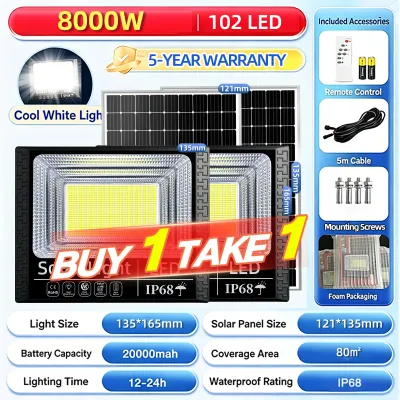
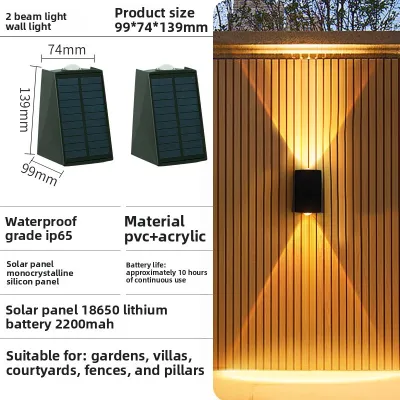
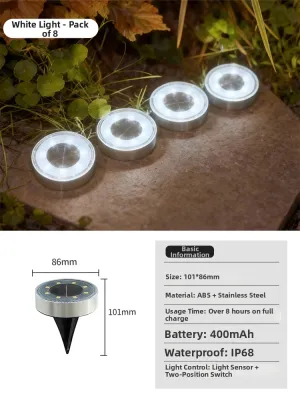
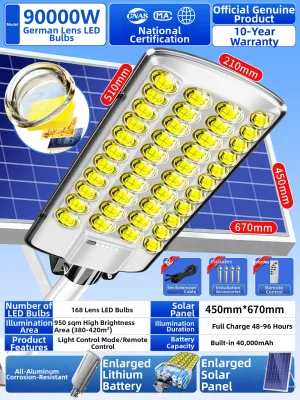
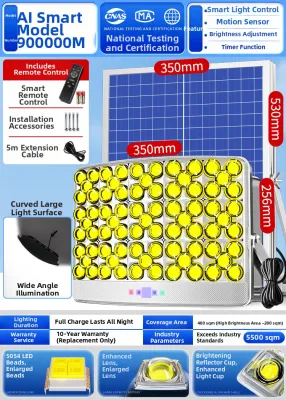
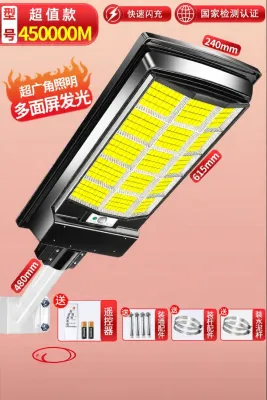
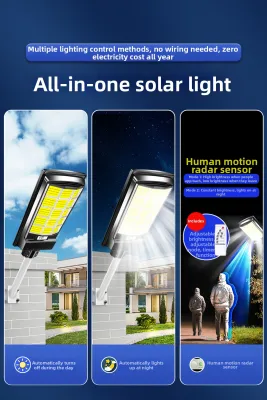
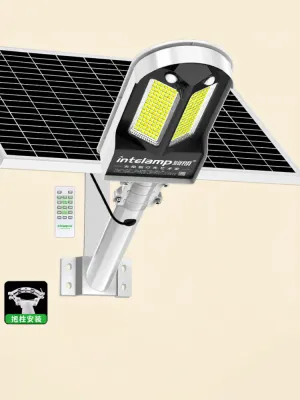
Prices are valid at publication and may change. Please refer to the product page for the latest price.
The first digit in the IP rating ranges from 0 to 6 and indicates the level of protection against solid particles, such as dust, dirt, and accidental contact. A rating of 4 means the fixture is protected against solid objects larger than 1 millimeter, such as small wires or insects. A rating of 6, which is the highest possible score for solids, means the unit is completely dust-tight, preventing even the finest airborne particles from entering the housing.
The second digit ranges from 0 to 9K and measures the fixture’s resistance to liquid ingress, specifically water. For standard outdoor garden lighting, you will typically encounter numbers ranging from 4 to 8. A liquid protection rating of 4 indicates resistance to splashing water from any angle, while a 5 indicates protection against low-pressure water jets. A rating of 7 means the fixture can withstand temporary immersion in water up to 1 meter deep for 30 minutes, and an 8 indicates protection against continuous submersion under specified conditions.
While it is tempting to assume that you should always buy the highest possible rating, maximum protection is not always necessary for every corner of your garden. High-rated fixtures often carry a premium price tag and may limit your aesthetic choices. By matching the IP rating to the specific exposure level of each garden zone, you can optimize your budget while ensuring long-term reliability. Keep in mind that while the IP rating dictates physical protection, aesthetic choices like decorative style and perceived color temperature—such as warm white versus cool white—remain matters of personal preference that do not affect the light’s weather resistance.
Matching IP Ratings to Garden Placement and Exposure
Your garden is not a uniform environment; different areas experience varying levels of exposure to wind, rain, and standing water. To choose the right solar lights, you should divide your outdoor space into distinct zones based on physical shelter and ground conditions. This systematic approach ensures that each fixture is rugged enough for its specific location without unnecessary over-engineering.

Covered or semi-sheltered areas, such as verandas, covered patios, carports, and spaces directly under deep roof eaves, represent the mildest outdoor environments. These locations are protected from direct, vertical rainfall but are still exposed to high ambient humidity, morning dew, and occasional wind-blown mist. For these semi-sheltered spots, solar lights with an IP44 or IP54 rating are generally sufficient. These ratings provide adequate protection against dust and light water splashes, keeping the internal low-voltage circuitry safe from typical atmospheric moisture.
Open lawns, flower beds, pathways, and exposed deck railings are fully vulnerable to the elements. These fixtures must endure direct, heavy rainfall, overhead garden sprinklers, and strong winds. For these fully exposed areas, an IP65 rating is the recommended baseline standard. An IP65-rated solar light is completely dust-tight and can easily withstand continuous, low-pressure water streams from any direction, ensuring that even the most intense tropical downpours will not penetrate the housing.
Ground-level installations require even greater vigilance, particularly in low-lying areas of your yard. Pathway borders, flush-mounted deck lights, and spotlights placed in garden depressions are highly susceptible to pooling water, mud accumulation, and heavy soil splashing during intense storms. If a light is installed in a spot where water tends to accumulate before draining away, it may become temporarily submerged. For these high-risk zones, you should select fixtures with an IP67 rating or higher, which guarantees protection against temporary immersion and prevents muddy runoff from seeping into the battery compartment.
Navigating the Philippine Rainy Season and Climate Factors
Operating outdoor electronics in the Philippines requires careful consideration of the local tropical climate. The country experiences a distinct rainy season characterized by heavy monsoon rains, typhoons, and consistently high relative humidity. This persistent moisture creates a challenging environment for solar lights, as water vapor can slowly penetrate low-quality seals over time, leading to internal condensation, short circuits, and rapid battery degradation.
In addition to heavy rainfall, the intense heat and ultraviolet (UV) radiation of the dry season present a significant threat to outdoor fixtures. Prolonged exposure to strong tropical sunlight can cause plastic housings to become brittle and crack. More importantly, extreme heat can dry out and degrade the rubber gaskets used to seal the light’s joints and battery compartments. Once these gaskets lose their elasticity or crack, the fixture’s effective IP rating drops significantly, leaving it vulnerable to the next rainstorm.
To mitigate these climate-related risks, do not rely solely on the numerical IP rating when making your decision. Take the time to check the manufacturer’s detailed specifications for material quality and environmental tolerances. Look for fixtures that specify UV-stabilized plastics or corrosion-resistant metals like aluminum or stainless steel. Furthermore, high-quality outdoor lights often utilize silicone gaskets rather than standard rubber, as silicone maintains its sealing properties and flexibility much better under extreme temperature fluctuations and prolonged UV exposure.
Inspecting and Maintaining Waterproof Seals Over Time
Even the most robust, high-rated solar garden lights require regular inspection and maintenance to preserve their waterproof integrity over their lifespan. Establishing a routine maintenance schedule, particularly before the start of the rainy season, can prevent minor seal issues from turning into permanent fixture failures. A simple visual check can help you identify potential entry points for moisture before water damage occurs.
During your routine inspections, look closely at the clear lens covering the light-emitting diodes (LEDs) and the solar panel surface. Check for any visible hairline cracks, loose assembly screws, or signs of internal condensation. If you notice persistent water droplets or fogging inside the lens, it indicates that the seal has been compromised. Additionally, inspect the rubber or silicone gaskets around the battery compartment to ensure they are properly seated, clean, and free from cracks or dry rot.
When cleaning your solar lights, always use gentle methods to avoid damaging the protective seals. Wipe down the solar panel and light housing with a soft, damp microfiber cloth to remove dust, pollen, and bird droppings, which can block sunlight and reduce charging efficiency. Never use high-pressure garden hoses, pressure washers, or harsh chemical solvents. High-pressure water can easily force its way past even high-quality seals, while aggressive chemicals can degrade plastic housings and accelerate the breakdown of rubber gaskets.
If you discover a compromised light, you must decide whether to attempt a repair or replace the unit entirely. If the internal battery compartment shows signs of heavy rust, green corrosion on the contacts, or scorched wiring, the unit should be safely discarded and replaced to prevent electrical hazards. However, if the interior is dry and you simply notice a loose screw or a slightly misaligned gasket, you can perform a simple, reversible repair. Carefully realign the gasket, tighten the housing screws evenly, or apply a thin, neat bead of outdoor-grade silicone sealant along the external seams to restore the physical barrier.
Key Specifications to Verify Before Buying
When shopping for solar garden lights, a careful pre-purchase inspection of the product specifications can save you from future headaches. Do not rely on vague marketing terms like “waterproof,” “weatherproof,” or “heavy-duty” on the front of the box. Instead, look for the official IP rating clearly printed on the physical packaging, the technical specifications section of the user manual, or the manufacturer’s official documentation.
Pay close attention to the design and sealing mechanism of the battery compartment, as this is the most common point of failure for outdoor solar lights. A reliable fixture will feature a battery door that is secured by multiple screws rather than a simple plastic snap-on clip. This door should be lined with a thick, visible rubber or silicone O-ring that compresses tightly when the screws are secured. If the compartment lacks a visible gasket or relies solely on friction-fit plastic, it is highly likely to leak under heavy rain.
Additionally, verify the weather-resistance specifications of the solar panel itself. In many garden lights, the solar panel is integrated directly into the top of the light fixture, sharing the same housing and IP rating. However, some models, such as solar spotlights or floodlights, use a separate solar panel connected to the light fixture via an extension cable. In these configurations, ensure that both the light fixture and the solar panel have appropriate IP ratings. Furthermore, inspect the cable connection point; it should feature a threaded locking collar and a rubber sealing ring to prevent water from entering the electrical interface.
Finally, always verify the electrical specifications and certifications of the product. Ensure the battery voltage and capacity match the requirements of the light, and look for standard safety certifications on the packaging. For any outdoor lighting installation that involves fixed wiring or connection to household power grids—such as hybrid solar systems—always isolate the power source before installation, follow the manufacturer’s detailed instructions, and consult a qualified professional to ensure compliance with local electrical codes.
Frequently Asked Questions (FAQ)
Can I use an indoor solar light outside if it is placed under a roof?
No, you should not use indoor-rated lights outdoors, even if they are placed under a solid roof or covered patio. Outdoor environments are subject to high ambient humidity, temperature swings, and wind-blown rain that can easily bypass the lack of seals on an indoor fixture. Over time, moisture will accumulate inside the unsealed housing, leading to rapid corrosion of the battery contacts, short circuits, and premature failure of the electronic components. Always use fixtures rated at least IP44 for semi-sheltered outdoor spaces to ensure safety and longevity.
Does a higher IP rating mean the solar light will last longer?
A higher IP rating indicates superior protection against dust and water ingress, which prevents immediate water-related failures, but it does not guarantee a longer overall product lifespan. The longevity of a solar garden light also depends on other critical factors, including the quality of the rechargeable battery, the UV resistance of the plastic housing, the efficiency of the solar panel, and the quality of the internal circuitry. A high IP rating protects the light from rain, but it cannot prevent the battery from degrading over time or the plastic from becoming brittle due to intense tropical sun exposure.
What should I do if water gets inside my solar garden light?
If you notice water or heavy condensation inside your solar light, turn off the device immediately using the physical power switch if one is available. Carefully open the housing, remove the rechargeable battery, and wipe down the interior components with a clean, dry cloth. Allow all parts to air-dry completely in a shaded, well-ventilated indoor area for at least 24 to 48 hours. Inspect the battery and metal contacts for signs of rust or corrosion; if they are clean, reassemble the unit, ensure the rubber gasket is properly aligned, and test its operation. If the internal electronics show heavy corrosion or damage, discard the unit safely.
Community discussion
Share your experience or ask a question. Comments are reviewed before publication.