
To ensure a solar street light survives the intense tropical climate of the Philippines, you generally need a minimum rating of IP65 for shielded or semi-protected areas, while fully exposed installations on high poles or in storm-prone coastal regions are far better suited for IP66 or IP67 ratings. The right choice depends on how directly the fixture will face torrential monsoon rains, high-velocity typhoon winds, and extreme humidity. By understanding how these ratings translate to real-world protection, you can avoid premature electrical failures and secure a reliable outdoor lighting setup.
Understanding IP Ratings for Outdoor Lighting
An Ingress Protection (IP) rating is an international standard that defines how effectively an electrical enclosure seals against foreign bodies and moisture. The rating consists of two digits, each representing a specific type of protection. Understanding these numbers allows you to look past marketing buzzwords and evaluate a solar street light based on standardized laboratory testing.
The first digit, ranging from 0 to 6, indicates protection against solid objects and dust. A rating of 6 is the highest standard for dust protection, meaning the fixture is completely dust-tight. For outdoor solar street lights, a solid ingress rating of 6 is essential because fine dust, sand, and insects can easily penetrate loose seals, settling on the internal circuitry or blocking the light output of the LEDs.
Products mentioned in this guide
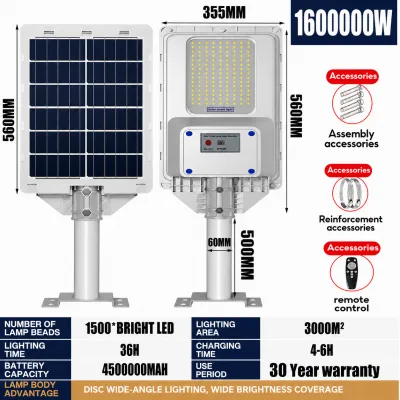
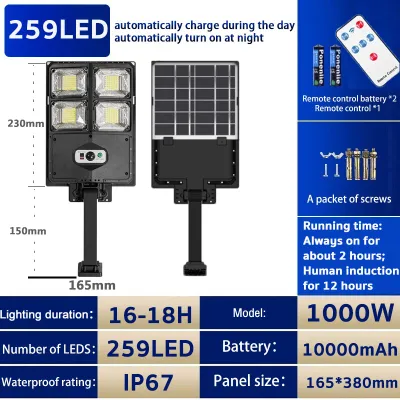
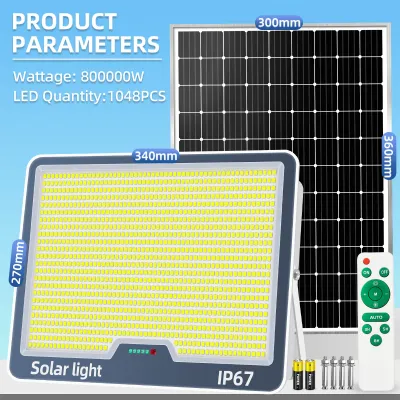
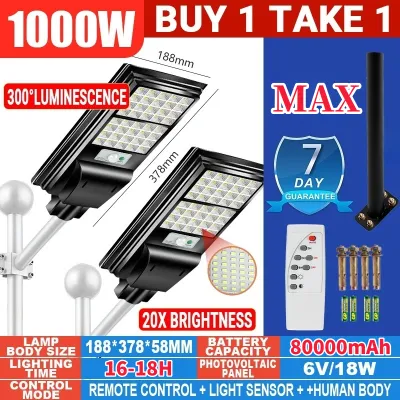
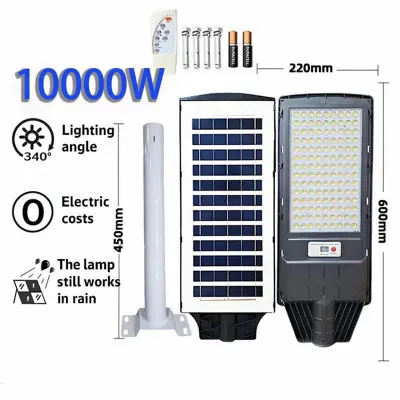
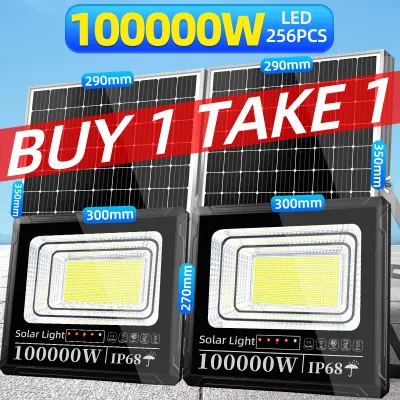
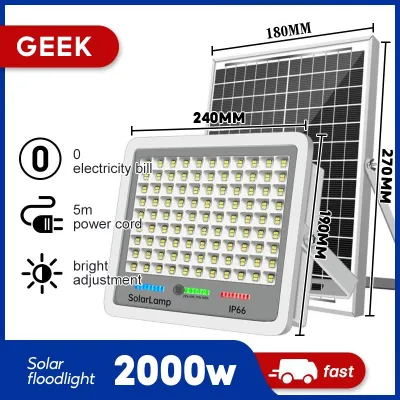
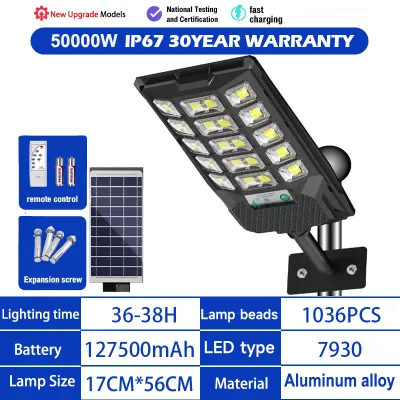
Prices are valid at publication and may change. Please refer to the product page for the latest price.
The second digit, ranging from 0 to 9K, measures protection against liquids. For outdoor lighting, you will typically encounter ratings of 5, 6, or 7. A liquid rating of 5 means the fixture can withstand low-pressure water jets projected from any angle. A rating of 6 indicates protection against powerful water jets, which is crucial during heavy downpours. A rating of 7 means the unit can survive temporary immersion in water up to one meter deep for 30 minutes, offering the ultimate defense against severe flooding.
When selecting a solar street light, also verify other critical electrical specifications such as battery voltage, wattage limits, and electrical safety certifications to ensure the entire system is safe for outdoor use. To verify these ratings, look for the IP code clearly printed on the product packaging, the technical specification sheet, or molded directly onto the physical light housing. Reputable manufacturers will also provide access to independent laboratory test reports or compliance certificates upon request. If a product lacks a clearly stated IP rating or only advertises vague terms like “waterproof,” it is best to proceed with caution.
Evaluating Weather Challenges in the Philippines
The Philippines experiences a unique set of meteorological challenges, characterized by high humidity, prolonged monsoon seasons, and frequent tropical cyclones. During these weather events, rain does not simply fall vertically; it is driven horizontally by strong winds, creating a high-pressure spraying effect. This wind-driven rain can easily force its way through seals that are only rated for gentle, vertical showers.

The physical location and mounting height of your solar street light play a major role in determining the water pressure it will face. A light mounted on a high, unshielded pole in an open area has no protection from the elements, meaning it will bear the full brunt of typhoon-force winds and driving rain from every direction. Conversely, a light mounted at a lower height under the partial cover of roof eaves or a concrete wall is shielded from the worst of the impact.
For highly exposed installations, such as public street poles, open parking lots, or coastal pathways, upgrading to an IP66 or IP67 rating is highly recommended. The powerful water jets simulated in IP66 testing closely mimic the conditions of wind-driven typhoon rains. In low-lying, flood-prone areas where water levels can rise rapidly, choosing an IP67-rated fixture ensures that even if the lower portions of the light or its battery compartment are temporarily submerged, the internal electronics remain dry and functional.
For residential gates, garden pathways, or backyard walls where some physical windbreaks exist, an IP65 rating is often sufficient. However, you must still ensure that the light is installed correctly to prevent water from pooling on top of the seals. Evaluating your specific microclimate and installation site before purchasing will help you avoid paying for unnecessary over-engineering or, conversely, suffering premature fixture failure.
Beyond Water Resistance: Wind and Structural Durability
While keeping water out of the electronics is vital, a solar street light cannot survive a typhoon if its physical structure fails. High winds exert immense pressure on both the solar panel and the light fixture, a force known as wind load. Before purchasing, check the manufacturer’s specifications for the maximum wind speed or wind load rating to ensure the structural design can withstand local storm conditions.
The choice of housing material directly impacts how well the fixture resists physical damage and environmental degradation. Die-cast aluminum is highly recommended for outdoor fixtures because of its structural rigidity, resistance to warping under high winds, and excellent heat dissipation properties. Efficient heat dissipation is critical in the Philippines, as high ambient temperatures can degrade lithium-ion batteries and LED chips if heat is trapped inside the housing.
In contrast, ABS plastic housings are lightweight and naturally rust-proof, making them a popular budget-friendly option. However, standard plastic can degrade, warp, and become brittle over time when exposed to the intense ultraviolet (UV) rays of the tropical sun. If you choose an ABS fixture, verify that the manufacturer has treated the plastic with UV-stabilizing additives to prevent cracking and structural failure during high winds.
Additionally, pay close attention to the mounting brackets, bolts, and physical hardware. Standard steel hardware will rust rapidly in humid or coastal environments, weakening the connection between the light and the pole. Ensure all mounting accessories are made of hot-dip galvanized steel or stainless steel to prevent rust-induced structural failures during severe weather.
Safe Installation and Seasonal Maintenance
Installing a solar street light safely requires adhering to strict physical boundaries, especially when working at heights. Mounting a heavy fixture onto a tall pole or high wall carries significant risks of falls and structural instability. Always use stable, industrial-grade ladders or scaffolding, wear appropriate safety gear, and ensure you have assistance to handle the weight of the light and solar panel. For high-pole installations or complex structural drilling, it is highly recommended to hire a qualified professional to ensure a secure setup.
To preserve the IP rating and extend the lifespan of your solar street light, implement a regular maintenance routine, ideally before the onset of the rainy season. Begin by clearing any accumulated dust, leaves, bird droppings, or debris from the surface of the solar panel. A dirty panel not only reduces charging efficiency but can also trap moisture along the edges, gradually degrading the protective seals.
Next, perform a close visual inspection of the physical housing. Check the silicone seals and rubber gaskets around the LED lens, battery compartment, and wire entry points for any signs of cracking, shrinking, or dry rot caused by sun exposure. If you notice loose mounting bolts or brackets, tighten them immediately to prevent wind vibrations from loosening the seals or causing structural damage.
Finally, establish clear stop conditions for operating your light. If you observe visible water droplets, heavy condensation, or fogging inside the LED lens, or if the housing shows physical cracks, stop using the fixture immediately. Do not attempt to open or repair the battery compartment while the unit is wet or exposed to rain. Seek professional repair services or contact the manufacturer for a replacement to avoid electrical hazards or permanent battery damage.
Frequently Asked Questions (FAQ)
Can I use an IP65 solar street light during a typhoon?
While an IP65 rating indicates protection against low-pressure water jets from any direction, the extreme wind-driven rain of a typhoon can generate localized water pressure that exceeds this standard. If your light is installed on a highly exposed, unshielded pole in a region frequently hit by typhoons, upgrading to an IP66 or IP67 fixture is a safer choice. For partially shielded residential areas, an IP65 light may survive, but it should be inspected for water ingress after the storm passes.
Does a higher IP rating mean the light is completely waterproof forever?
No, an IP rating is not a permanent guarantee of water resistance. These ratings are determined under controlled factory conditions when the product is brand new. Over time, constant exposure to intense tropical UV rays, high humidity, temperature fluctuations, and physical vibrations from strong winds will naturally degrade the rubber gaskets and silicone seals. Regular visual inspections and timely maintenance are essential to ensure the weatherproofing remains effective throughout the lifespan of the light.
Community discussion
Share your experience or ask a question. Comments are reviewed before publication.