
Finding the perfect lamp shade is the key to transforming a mismatched table lamp into a polished, cohesive design piece. To choose the right lamp shade size, you must balance the shade’s dimensions with your lamp’s base: the shade’s height should be approximately two-thirds of the visible base height, while its width should be at least equal to the widest part of the base, ideally extending one to two inches past the base on each side. Achieving this structural harmony prevents your lighting from looking top-heavy or awkwardly diminished, ensuring it serves both its decorative and functional purposes beautifully.
In Philippine homes, where evenings are often spent relaxing in warm living spaces or air-conditioned bedrooms, accent lighting plays a massive role in setting a comfortable mood. A well-proportioned shade diffuses harsh light, eliminates glare, and complements your interior decor. By taking a few precise measurements and understanding how different shapes and hardware components interact, you can confidently select a shade that looks custom-made for your space.
Understand the Golden Rules of Lamp Shade Proportions
Visual balance in interior design relies on mathematical proportions that guide the human eye. When selecting a lamp shade, the “golden rules” act as a reliable framework to establish a grounded, aesthetically pleasing silhouette. The first rule focuses on height: your shade’s height should generally measure about two-thirds of the visible lamp base’s height. This ratio ensures that the lamp does not appear swallowed by an oversized shade or perched precariously on an undersized one.
Products mentioned in this guide
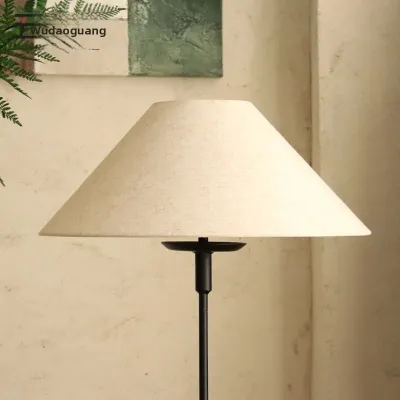
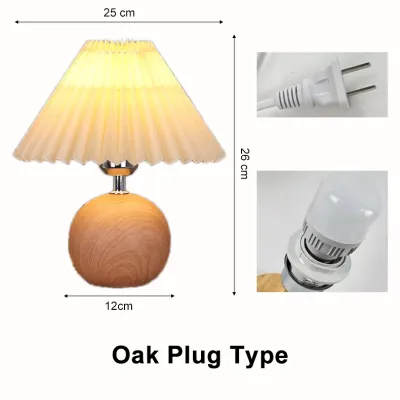
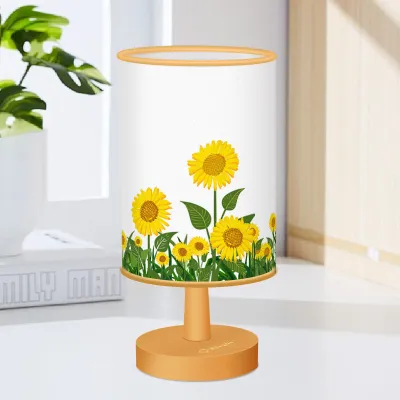
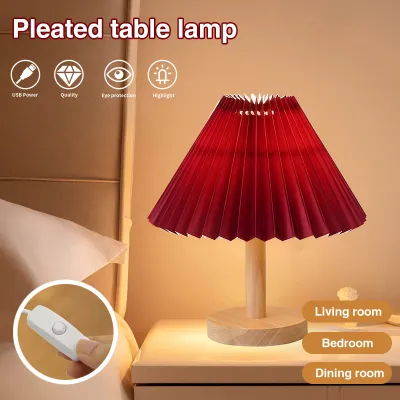
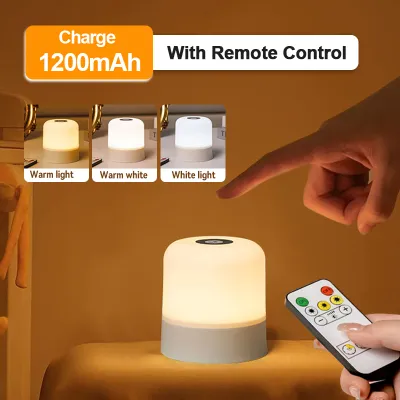
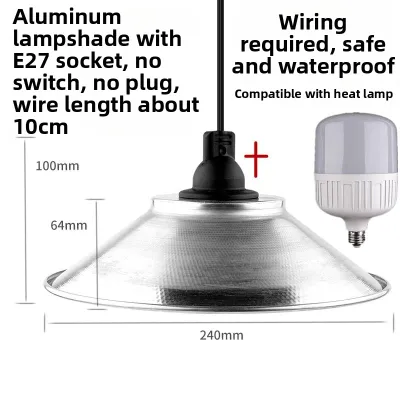
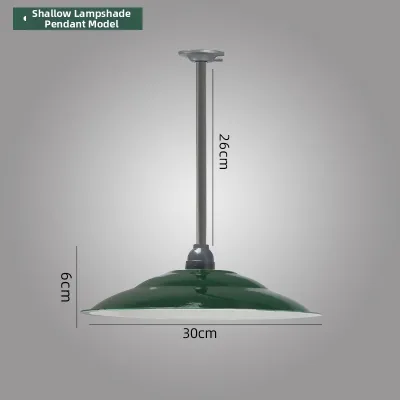
Prices are valid at publication and may change. Please refer to the product page for the latest price.
The second rule governs width: the bottom diameter or width of the shade must be at least as wide as the widest part of the lamp base. For optimal visual weight, the shade should ideally extend one to two inches past the base’s widest edge on both the left and right sides. If you have a wide, robust ceramic base, a narrow shade will make the entire fixture look unfinished and structurally unstable. Conversely, a thin candlestick lamp base paired with an excessively wide drum shade can create a top-heavy visual profile that feels cluttered.
These guidelines are designed to help you navigate the physical presence of your lighting. Visual weight is not just about physical measurements; it is also about how the lamp interacts with the surrounding space. A heavy, dark-colored ceramic base carries more visual presence than a clear glass or slender brass base, meaning it can easily handle a slightly larger or more structured shade. While these rules serve as your foundation, minor deviations are entirely acceptable. If a shade is half an inch off the perfect two-thirds height calculation but maintains a balanced silhouette in your room, prioritize the overall visual harmony over rigid mathematical compliance.
Step-by-Step Guide to Measuring Your Lamp Base
Before browsing for a new lamp shade, taking precise physical measurements of your existing lamp base is essential. Relying on visual estimates often leads to returning mismatched items. To get started, you will need a flexible measuring tape or a standard ruler, along with a notepad to record your findings.

First, measure the base height. Place your lamp on a flat, level surface. Direct your measuring tape from the very bottom of the lamp base up to the bottom of the lightbulb socket. It is critical to exclude the metal harp, the lightbulb itself, and any decorative finials at the top from this measurement. You only want to capture the height of the solid, decorative portion of the lamp base that remains visible when the shade is fully installed.
Second, measure the base width. Identify the widest point of your lamp base. If you have a standard round or urn-shaped base, measure the diameter at its widest curve. If your lamp base is square, rectangular, or triangular, you must measure both the flat width and the diagonal distance from corner to corner. The diagonal measurement is crucial because a square shade or base occupies more physical and visual space at its corners, which can cause clearance issues with nearby walls or tabletop decor.
Let us look at a concrete example. If your measured visible base height is 15 inches, your target shade height should be approximately 10 inches (two-thirds of 15). If the widest part of that same base is 8 inches, your shade’s bottom diameter should be at least 10 to 12 inches. This gives you a clear target range of 10 inches in height and 12 inches in width when browsing online marketplaces or local lighting boutiques. Record these three numbers (height, width, and diagonal) to cross-reference with lamp shade specification charts.
Matching the Lamp Shade Shape to Your Base
Coordinating the geometric shape of your lamp shade with the silhouette of your base creates a cohesive design language. As a general rule of thumb, matching like with like is a safe and traditional approach. Round, curved, or urn-shaped lamp bases pair naturally with round, oval, or classic drum shades. The soft, continuous curves of the shade mirror the organic lines of the base, resulting in a classic, fluid look.
Conversely, square, angular, or highly geometric lamp bases pair exceptionally well with square, rectangular, or coolie shades. These sharp-edged shades align with the clean, architectural lines of the base, reinforcing a structured aesthetic. However, interior design also thrives on thoughtful contrast. Modern and transitional styling often embraces exceptions to these rules. For instance, placing a clean-lined, contemporary drum shade on a traditional, square brass base can instantly modernize the lamp, softening its rigid edges without clashing.
When choosing a shape, look beyond the lamp itself and consider the surrounding room’s furniture lines. If your living room features a sofa with rounded, rolled arms or your space has arched doorways, a round or drum shade will echo those architectural elements. If your room is dominated by mid-century modern furniture with sharp, tapered legs and rectangular coffee tables, a square or coolie shade may fit the environment better.
Additionally, do not overlook the shade’s interior lining color. A white or light-colored fabric lining allows light to diffuse outward through the shade, filling the room with a soft, ambient glow. A gold, brass, or silver foil lining, however, blocks lateral light transmission, directing the illumination strictly upward and downward while casting a warm, dramatic amber hue. These decorative styles and perceived color temperatures are conditional preferences, so choose the combination that best matches your personal spatial goals.
Choosing the Right Fitter and Harp Size
Beyond aesthetics, a lamp shade must physically attach to your lamp base securely and safely. This requires understanding the hardware that connects them. There are three primary fitter types used on table lamps:
- Spider Fitter: The most common type for standard table lamps; it features a central ring that sits atop a metal wire support called a harp, secured in place by a decorative screw-on finial.
- Uno Fitter: Features a larger threaded ring that screws directly onto the lightbulb socket, hanging down to support the shade without the need for a separate harp.
- Clip-on Fitter: Features wire loops that clamp directly onto a standard lightbulb, typically reserved for smaller accent lamps or mini bedside fixtures.
If your lamp uses a Spider fitter, you must pay close attention to the harp and the “drop” measurement. The drop refers to the distance between the top of the shade’s fitter ring and the bottom edge of the shade. If you buy a shade with a deep drop, it will sit lower on the lamp. If the shade sits too low or the harp is too short, the shade may not cover the hardware. Conversely, if the harp is too tall, the metal socket and neck of the lamp will be exposed.
This leads to the essential coverage rule: when you are seated nearby, the bottom edge of the lamp shade must completely hide the lightbulb, the socket, and the harp hardware from your standard eye level. If any of these mechanical parts are visible, it creates a harsh, direct glare that disrupts the room’s comfort.
Safety must always be your top priority when assembling lighting. Before installing any shade, check your socket’s label for the maximum wattage rating. The shade material must maintain adequate physical clearance from the lightbulb to prevent heat buildup and potential fire hazards. This is particularly critical if you are using older, high-heat incandescent or halogen bulbs. If you use these traditional bulbs, ensure there is at least two to three inches of space between the bulb and the inner surface of the shade. Modern, low-heat LED bulbs are highly recommended because they generate significantly less heat, reducing safety risks while offering excellent energy efficiency. Always consult your lamp’s manufacturer instructions and safety guidelines to ensure complete compatibility.
When replacing a shade, always verify the lamp’s electrical safety. Ensure the fixture is unplugged from the wall outlet before removing the old shade or adjusting the metal harp. In the Philippines, household electricity runs on a 220V system, so handling electrical components with dry hands and isolated power is a fundamental safety practice.
Adjusting for Bedside vs. Living Room Placement
The ideal lamp shade size also depends heavily on where the lamp is placed and how you intend to use it. A bedside table lamp serves a very different functional purpose than a living room side table lamp, requiring distinct spatial adjustments.
For bedside tables, the priority is comfortable task lighting and glare prevention. Because you are typically reading or resting in a reclined or seated position in bed, your eye level is much lower than when standing. Ensure the shade is low enough to shield your eyes from the raw lightbulb when you are lying down. Additionally, evaluate the surface area of your nightstand. Bedside tables are often compact, holding books, glasses, and phones. A shade with a very wide bottom diameter can easily overhang the edge of the table, making it highly susceptible to being knocked over in the dark. Opt for a slightly narrower drum or oval shade that keeps its footprint within the boundaries of the tabletop.
In contrast, living room side tables allow for more dramatic, expressive choices. Here, lamps often provide ambient lighting and serve as visual anchors. You can comfortably choose larger, taller, or more sculptural shades that make a bold design statement. However, you must still balance the scale of the shade with the surrounding furniture. A massive shade next to a delicate, low-profile sofa will look disproportionate. Ensure the height of the lamp and shade aligns naturally with nearby wall art, window treatments, or high-backed chairs.
Finally, always check the sightlines and traffic paths in the room. In a busy living room, a shade that protrudes into a walkway can be easily bumped by passing family members or guests. Make sure the shade does not block the view between seating areas, allowing people to converse across the room without having to peer around a large, solid obstacle.
Frequently Asked Questions (FAQ)
Can I use a lamp shade from a different brand on my existing lamp?
Yes, lamp shades are generally designed to be universal. You do not need to purchase a shade from the same manufacturer as your lamp base. The key to compatibility lies entirely in matching the fitter type (such as Spider, Uno, or Clip-on) and ensuring the harp drop measurement aligns with your lamp’s hardware. As long as these physical connection points match, you can freely mix and brand-hop to find the perfect style.
What if my lamp base is unusually tall or short?
If you have a non-standard lamp base, standard off-the-shelf shades might not fit perfectly at first. Fortunately, you can easily customize the fit by swapping out your existing metal harp for a taller or shorter one. Harps are inexpensive and widely available in heights ranging from 4 to 12 inches, allowing you to raise or lower the shade to achieve the golden two-thirds proportion. If the base remains difficult to fit, or if standard retail options fail to cover the electrical socket properly, consider searching for specialized or custom-sized shades designed for unique dimensions.
How do I clean and maintain my lamp shade in a humid climate?
In tropical or highly humid environments, dust and moisture can quickly combine to create stubborn grime or even mold on fabric shades. To keep your shade in pristine condition, perform regular, gentle dry dusting using a clean microfiber cloth or a soft-bristled brush. Always check the manufacturer’s care label before applying any moisture or cleaning solutions, as liquid can easily stain delicate paper, silk, or linen materials. If a damp cloth is approved for spot cleaning, ensure the shade is allowed to dry completely in a well-ventilated area before turning the lamp back on. Operating a damp shade can lead to electrical hazards, material warping, or permanent water rings.
Community discussion
Share your experience or ask a question. Comments are reviewed before publication.