
Choosing the right lamp shade size for your bedside reading lamp requires balancing visual proportion with functional light distribution. To achieve a comfortable reading experience without harsh glare, the shade must be wide enough to cast light over your book, tall enough to conceal the internal hardware, and scaled appropriately to your lamp base and bedside table. By measuring your lamp’s physical dimensions and matching them to standard sizing guidelines, you can find a shade that looks balanced during the day and provides focused, comfortable illumination at night.
Measure Your Existing Lamp Base and Hardware
Before browsing for a new lamp shade, you must gather the exact physical measurements of your current lamp base. Start by placing the lamp on a flat, level surface. Use a reliable measuring tape to find the total height of the lamp base, measuring from the very bottom of the stand up to the top edge of the electrical socket. This measurement serves as the primary baseline for determining the height of your new shade.
Next, measure the widest part of the lamp base. If you have a round, vase-style base, measure the diameter at its widest point. For square or rectangular bases, measure the width of the widest side. This dimension is crucial because a well-proportioned shade should generally be at least as wide as the widest part of the base to maintain visual stability and prevent the lamp from looking top-heavy.
Products mentioned in this guide
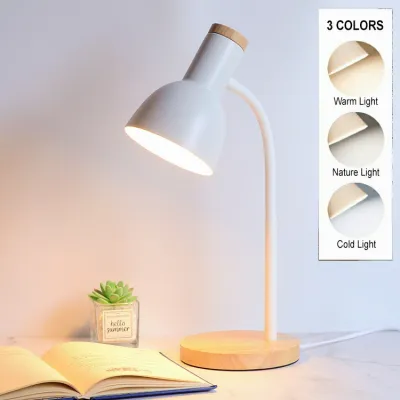
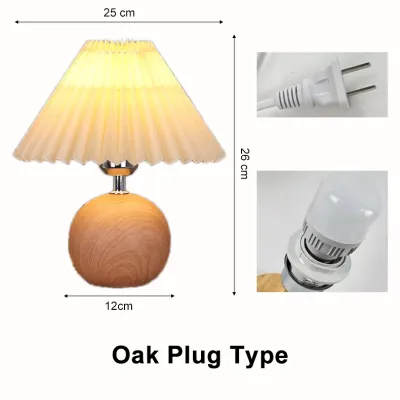
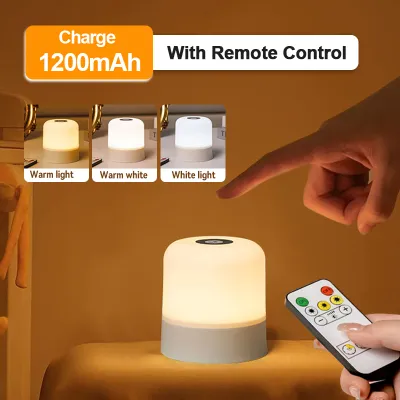
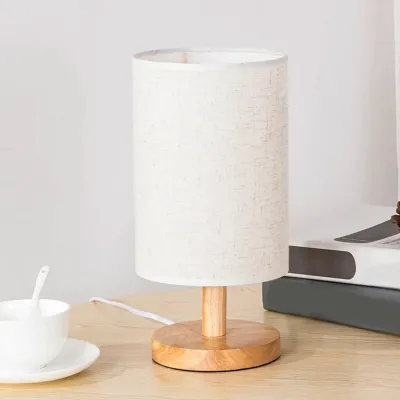
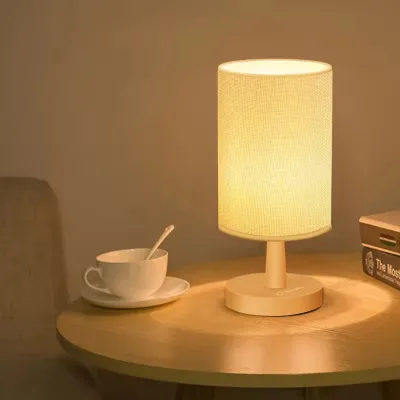
Prices are valid at publication and may change. Please refer to the product page for the latest price.
While measuring, inspect the electrical socket itself. Identify the socket type, such as a standard medium screw base or a smaller candelabra socket, as this dictates the type of shade fitter you will need. Additionally, locate the manufacturer’s safety label, which is typically printed on the socket or the underside of the base. Note the maximum wattage limit and look for official electrical certification marks to ensure the fixture meets safety standards. This limit is critical for safety, as different shade materials and sizes trap heat differently, and you must ensure your new shade can safely accommodate the heat output of your chosen bulb.
Determine the Ideal Lamp Shade Dimensions
Finding the ideal lamp shade dimensions is a matter of balancing aesthetic proportions with practical light control. A shade that is too small will look awkward and fail to direct light where you need it, while an oversized shade can overwhelm your bedside table and make the lamp prone to tipping. The goal is to select a shade that harmonizes with the lamp base while positioning the light source optimally for your evening reading.

To prevent direct glare when you are relaxing in bed, you must consider the height of your bedside table relative to your mattress and your seated eye level. When you are sitting up or reclining to read, your eyes should ideally align with the middle or lower third of the lamp shade. If the shade is too short or positioned too high, the exposed bulb will shine directly into your eyes, causing discomfort and eye strain. Conversely, a shade that sits too low will block the light path, casting a shadow over your book or e-reader.
Evaluating Width and Depth for Light Coverage
The bottom diameter of the lamp shade directly influences the spread of light across your bed. A wider bottom opening casts a broader cone of light, which is highly beneficial for reading. However, you must compare this width against the physical footprint of your bedside table. In many homes in the Philippines, bedside tables are compact to maximize bedroom space. Ensure that the shade’s bottom diameter does not overhang the edges of the table, where it could easily be bumped or knocked over when you reach for a phone or a glass of water.
As a general guideline, the bottom width of the shade should be within a few inches of the height of the lamp base. This ratio provides a stable visual anchor. When reviewing product descriptions on an online marketplace or at a local lighting store, pay close attention to the top and bottom diameters. A shade with a wider bottom opening and a narrower top opening, like an empire or coolie shape, directs light downward in a concentrated beam. A drum shade, which has nearly equal top and bottom diameters, diffuses light more evenly upward and downward, creating a softer ambient glow alongside task lighting.
Balancing Height for Proportion and Hardware Fit
The height of the shade should visually complement the lamp base to create a balanced silhouette. A classic design rule is that the shade height should be approximately two-thirds of the height of the lamp base. While this rule is a helpful starting point, you must also verify that the shade physically clears the bulb and socket. The shade must be tall enough to completely cover the socket, the harp, and the bulb from side angles, ensuring that no unsightly hardware is visible when you are seated nearby.
Always check the manufacturer’s guidelines for recommended shade height ranges specific to your lamp model if they are available. Different bulb shapes, such as standard A19 bulbs, globe bulbs, or decorative LEDs, require different vertical clearances. If the shade is too short, the top of the bulb may protrude from the upper opening, creating an unpleasant upward glare and disrupting the clean lines of your decor.
Check Harp Size and Fitter Compatibility
A common mistake when purchasing a new lamp shade is overlooking how the shade actually attaches to the lamp. The attachment mechanism, known as the fitter, must match your lamp’s hardware. The most common type is a spider fitter, which sits on top of a metal wire support called a harp and is secured with a decorative finial. If your lamp uses a harp, you must measure the existing harp height from the bottom bracket to the top threaded post.
Another common option is the uno fitter, which slides directly onto the socket before the bulb is screwed in. This is frequently found on smaller bedside lamps or European-style fixtures. There are also clip-on fitters, which grip the bulb directly. Matching the fitter type to your socket is essential for a secure, stable installation. If you choose a shade with a spider fitter, the height of your harp determines exactly where the shade will sit. If the harp is too tall, the bottom of the shade will ride too high, exposing the socket and neck of the lamp. If the harp is too short, the shade will sit too low, potentially touching the bulb or crowding the base.
If you find a shade you love but the height is slightly off, you do not necessarily have to abandon it. You can purchase a new harp in a different height or use a hardware riser to adjust the shade’s position. However, always check the weight limits of your lamp’s hardware. Heavy glass or thick ceramic shades require sturdy, heavy-duty harps and a stable base to prevent the entire fixture from becoming top-heavy and hazardous.
Select Materials and Colors for Reading Comfort
The material and color of your lamp shade play a significant role in the quality of light it produces. For a bedside reading lamp, you want to minimize harsh shadows while ensuring there is enough focused light to read comfortably without straining your eyes. Translucent materials, such as linen, cotton, or thin paper, allow light to filter through the sides of the shade, creating a warm, ambient glow throughout the bedroom. This soft, scattered light is gentle on the eyes and helps reduce the contrast between the dark room and the bright reading surface.
In contrast, opaque materials like thick parchment, metal, or heavy silk with dark backings block light from passing through the sides, directing the entire light output strictly upward and downward. This creates a highly focused spotlight effect, which is excellent for reading if the lamp is positioned correctly, but it can leave the rest of the room in deep shadow.
The interior lining of the shade also affects your reading environment. A white or silver interior lining reflects light efficiently, maximizing brightness and maintaining the true color temperature of your bulb. A gold or brass-colored lining warms the light, creating a cozy, relaxing atmosphere, though it may slightly reduce the overall brightness available for reading.
Additionally, consider the local climate when selecting materials. In the humid, tropical climate of the Philippines, natural fabrics like untreated silk or delicate paper can attract dust and are more susceptible to moisture damage or mildew over time. For long-term durability and easy maintenance, opt for high-quality linen, cotton-polyester blends, or synthetic materials that can be easily wiped clean with a dry microfiber cloth. Always refer to the manufacturer’s care instructions to keep your shade looking fresh and free of dust buildup.
Final Verification and Installation Safety
Before installing your new lamp shade, safety must be your top priority. Always unplug the lamp from the wall outlet or turn off the power at the circuit breaker before removing the old shade or handling the socket. Working on an active electrical fixture poses an unnecessary risk of electric shock.
Once the power is isolated, carefully position the new shade. Verify that there is adequate physical clearance—ideally at least two to three inches—between the bulb and the interior walls of the shade. This space is essential to allow heat to dissipate. If the shade is too close to the bulb, heat can build up rapidly, leading to scorched fabric, brittle materials, or even a fire hazard. This is especially important if you are using traditional incandescent bulbs, which generate significant heat. Always adhere strictly to the maximum wattage label on your lamp socket, and consider switching to energy-efficient LED bulbs, which run much cooler and reduce heat buildup.
If you encounter any difficulties during installation—such as an unstable base, a loose socket, or a fit that requires modifying the lamp’s internal wiring—stop immediately. Do not attempt to force a mismatched shade or make amateur electrical alterations. Consult a qualified electrician or contact the lamp manufacturer to ensure your bedside reading lamp remains safe and functional for years to come.
Frequently Asked Questions (FAQ)
Can I use a clip-on shade on any bedside reading lamp?
Clip-on shades are highly convenient but they are not compatible with every bedside lamp. These shades rely on a wire clip that snaps directly onto the glass of the light bulb. Consequently, they are designed to fit standard A19 or torpedo-shaped bulbs and will not secure properly onto specialized bulb shapes like globe bulbs, flat-topped LEDs, or spiral compact fluorescent lamps. Additionally, clip-on shades must be lightweight. If the shade is too heavy, it can put excessive stress on the bulb glass and the socket, potentially causing the bulb to break or damaging the electrical contacts inside the socket. Always verify that the shade weight is appropriate for a clip-on design before installing it.
What should I do if my preferred shade is slightly too short for the harp?
If your preferred lamp shade is slightly too short, causing the socket or hardware to peek out from underneath, you can easily adjust the height using standard hardware solutions. The safest method is to replace your existing harp with a lower-profile, shorter harp, which will lower the shade to the correct position. Alternatively, you can install a small hardware riser on the top threaded post of the harp before placing the shade. Never attempt to bend the metal harp arms or use unstable, makeshift spacers like cardboard or tape to adjust the height. These temporary fixes can cause the shade to sit unevenly, wobble, or fall off, creating a safety hazard near your bed.
Community discussion
Share your experience or ask a question. Comments are reviewed before publication.