
To choose the right lampshade size for your bedside lamp, you need to balance the physical proportions of the lamp base with the space available on your nightstand. A classic rule of thumb is that the lampshade’s height should be approximately two-thirds the height of the lamp base, while the width of the shade’s bottom should be roughly equal to the height of the base itself. Additionally, the shade must be wider than the widest part of the base to maintain visual equilibrium.
By taking precise measurements of your existing lamp and considering your bedside layout, you can achieve a harmonious look that provides comfortable, glare-free lighting for reading or relaxing. Taking a few minutes to measure your setup beforehand prevents the hassle of returning a shade that is too large, too small, or incompatible with your existing hardware.
Measure Your Bedside Lamp Base for Accurate Sizing
Gathering the exact physical dimensions of your current lamp base is the essential first step to establish a reliable baseline. To begin, place your lamp on a flat, level surface and remove the existing shade so you can clearly see the underlying structure.
Products mentioned in this guide
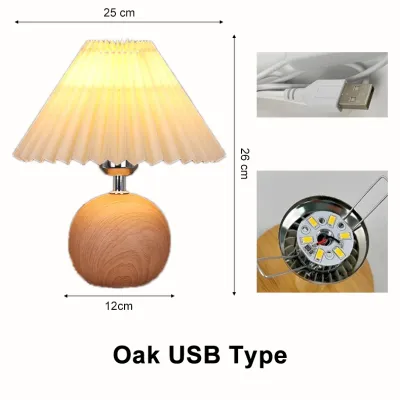
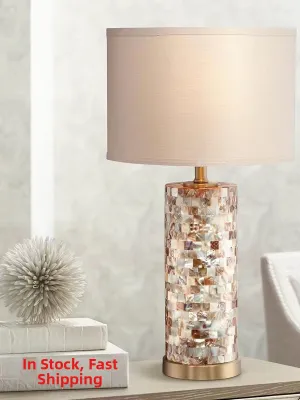
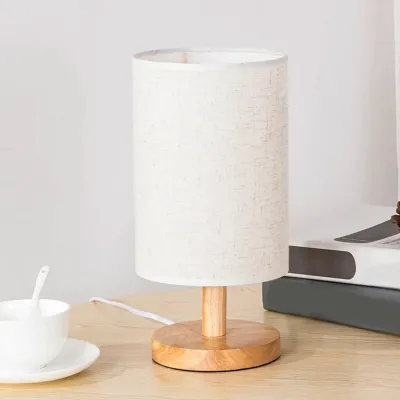
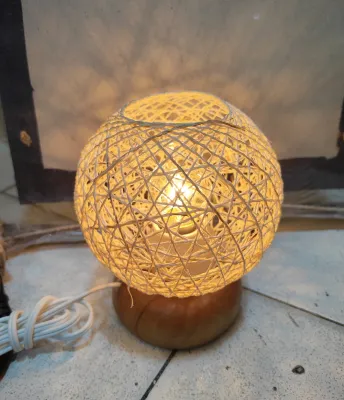
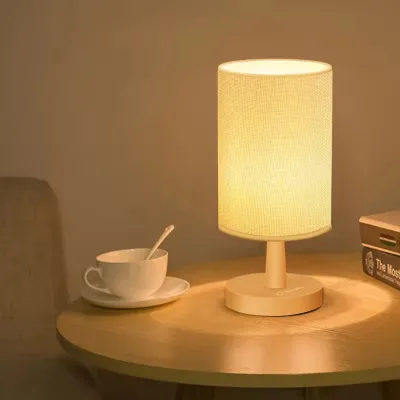
Prices are valid at publication and may change. Please refer to the product page for the latest price.
Measure the base height from the very bottom of the lamp to the top of the electrical socket. Do not include the metal harp or the light bulb in this measurement, as you only want to capture the height of the decorative base itself. This base height serves as your primary reference point for calculating all other proportions.
Next, measure the widest part of the base to determine the minimum required lampshade diameter. For a round ceramic ginger jar lamp, measure the diameter at its widest curve; for square or sculptural bases, measure the widest diagonal distance. Your new shade must be wider than this measurement to ensure the lamp does not look top-heavy or unbalanced.
Finally, identify the current harp height or fitter type to understand your existing hardware constraints. Look at how your current shade attaches to the lamp, noting whether it uses a wire harp that sits in a saddle or a collar that screws directly onto the socket. This quick inspection ensures you buy a shade with compatible mounting hardware.
Calculate the Ideal Lampshade Width and Height
Determining the target width and height for your lampshade helps you achieve visual balance with both the lamp base and your bedside table. Standard design principles suggest that the bottom diameter of the lampshade should be roughly equal to the height of the lamp base. If your lamp base is 30 centimeters tall, a shade with a bottom diameter of approximately 30 centimeters will generally look highly proportionate.

To prevent a top-heavy look, the shade must also be visually wider than the widest point of the base. Ideally, the shade should extend at least 2 to 5 centimeters past the widest part of the base on each side. This creates a stable, grounded silhouette that is pleasing to the eye.
For height proportions, aim for a shade that is approximately two-thirds the height of the lamp base. This ratio ensures that the shade is large enough to diffuse light effectively without swallowing up the unique decorative features of the base. A shade that is too short will make the lamp look unfinished, while one that is too tall will overwhelm the design.
Always factor in the scale of your bedside table and surrounding furniture to avoid crowding. In many homes, bedside tables are compact and must accommodate other items like cooling fans, phones, or water glasses. Ensure there is at least 10 to 15 centimeters of clearance between the outer edge of the lampshade and the edge of the table to prevent accidental bumps in the dark.
Match the Fitter and Harp for a Secure Fit
Ensuring the new lampshade physically attaches to your lamp is crucial for a secure, wobble-free fit. Identify the required fitter type based on your lamp’s socket structure. The most common type is a spider fitter, which features a small central ring that sits on top of a metal harp and is secured with a decorative finial.
Alternatively, your lamp might use an uno fitter, which slides directly onto the socket and is held in place by a threaded plastic collar or the light bulb itself. Clip-on fitters are also common for smaller accent lamps, attaching directly to the glass of a standard-shaped bulb. Matching these connection styles is essential before making a purchase.
Calculate the necessary harp height so the shade’s bottom edge aligns perfectly with the lamp’s hardware. Ideally, the bottom of the shade should sit slightly below the socket base when viewed from a normal seated or lying position. This conceals the electrical components completely without crowding the decorative neck of the lamp.
If you find a lampshade with the perfect dimensions but it sits too high or too low, you may need to replace the existing harp. Purchasing a new metal harp in a different height is highly affordable, often costing less than ₱150 at a local hardware store or online marketplace. Swapping the harp is a simple, tool-free adjustment that can instantly correct a minor height mismatch.
Optimize Light Coverage and Safety for Bedside Use
Refining your lampshade choice based on your specific bedside lighting needs ensures both comfort and safety. Choose the bottom opening size of the shade based on how you use your bedside space. A drum shade with a wide bottom opening casts a broad circle of downward light, which is excellent for reading in bed.
If you prefer softer, ambient room illumination, a tapered empire shade or a bell shade might be more suitable. These shapes direct a portion of the light upward while casting a gentle, diffused glow outward, creating a relaxing atmosphere in the bedroom.
In warm, humid tropical climates, adequate physical clearance between the light bulb and the shade material is an important safety consideration. Ensure there is at least 5 to 8 centimeters of space between the bulb and the inner surface of the shade. This clearance prevents heat buildup, protecting the shade material from scorching and reducing fire risks.
Consider how the shade’s interior lining color and material affect the light quality. A white or silver interior lining reflects maximum light, keeping your reading area bright and clear. A gold or warm brass lining creates a softer, amber glow that reduces eye strain and minimizes harsh glare when you are lying down.
Verify the Final Fit and Visual Balance
Conducting a final checklist after installing your new lampshade confirms that it meets all your aesthetic and functional goals. Sit on your bed in your normal reading or resting position and look toward the lamp. The harp, socket, and bulb should be completely hidden from view; if you can see the bare bulb, the shade is sitting too high.
Check that the lamp feels physically stable and does not risk tipping over on your bedside table. A shade that is too heavy or too wide can make the entire fixture top-heavy, especially on lightweight ceramic or plastic bases. Gently tap the table to ensure the lamp remains securely upright.
Finally, review the manufacturer’s maximum wattage label on the socket to ensure your bulb choice remains safe within the new shade’s enclosure. When verifying your setup, check that your bulb matches the local 220V standard and carries reliable electrical safety certifications. Opting for energy-efficient LED bulbs is highly recommended, as they produce very little heat and keep your bedside setup safe and cool.
Frequently Asked Questions (FAQ)
Can I use a lampshade designed for a floor lamp on a bedside table?
Using a floor lampshade on a bedside lamp is generally not recommended due to scale and stability issues. Floor lampshades are significantly wider and heavier, designed to balance a tall, substantial base. Placing one on a smaller bedside lamp will make the fixture highly top-heavy and prone to tipping over on your nightstand. Additionally, the oversized shade will likely block valuable bedside space and cast light too far outward, causing uncomfortable glare when you are lying down.
What should I do if the new lampshade exposes the bulb or hardware?
If your new lampshade sits too high and exposes the bulb or socket, the easiest solution is to replace the metal harp with a shorter one. Reducing the harp height by just 2 to 5 centimeters can lower the shade enough to conceal the hardware. Alternatively, if your lamp uses an uno fitter or a clip-on style, you can look for a shade riser or a different fitter adapter to adjust the height. Always ensure the shade does not touch the bulb directly after making adjustments.
Community discussion
Share your experience or ask a question. Comments are reviewed before publication.