
Choosing the right lampshade size for your bedside table lamp is the key to balancing functional reading light with polished bedroom aesthetics. In many Philippine households, the bedroom serves as a personal sanctuary where space, comfort, and lighting quality must work in harmony. To achieve a perfectly proportioned look, your lampshade’s height should be approximately two-thirds the height of the lamp base, while its bottom diameter should be within two inches of the base’s overall height. Additionally, the shade must comfortably fit your nightstand without overhanging the edges or blocking your bedside essentials. Selecting the wrong size not only disrupts the visual flow of your room but can also create safety hazards like trapped heat or an unstable, top-heavy lamp.
Understand the Golden Rules of Lampshade Proportions
To establish a balanced look, interior designers rely on tried-and-tested mathematical ratios that prevent a table lamp from looking top-heavy or awkwardly small. The height rule dictates that the shade height should generally be about two-thirds the height of the lamp base. When measuring the base, calculate the distance from the very bottom of the lamp to the top of the electrical socket. This ratio ensures that the lamp has a grounded, proportionate silhouette that coordinates naturally with your bed and headboard.
The width rule focuses on the bottom diameter of the lampshade. For a balanced visual profile, the shade’s bottom diameter should be at least two inches wider than the widest part of the lamp base on each side. Alternatively, you can aim for a bottom diameter that is roughly equal to the total height of the lamp base. Adhering to these guidelines prevents the lamp from looking skeletal or overwhelmed by a massive shade.
Products mentioned in this guide
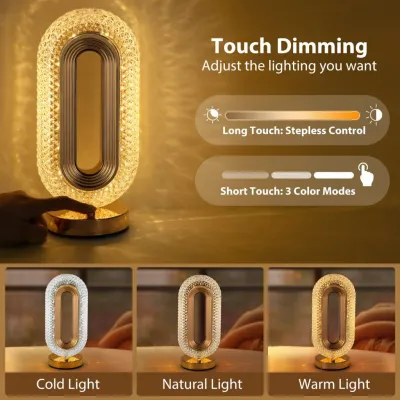
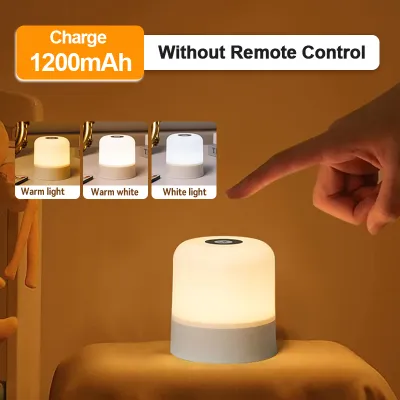
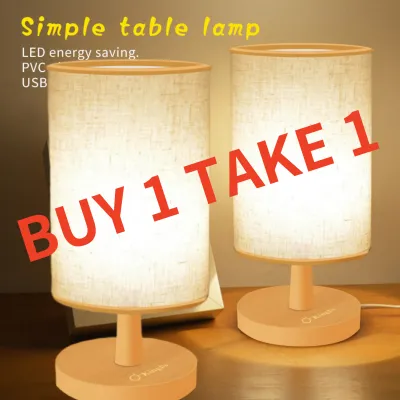

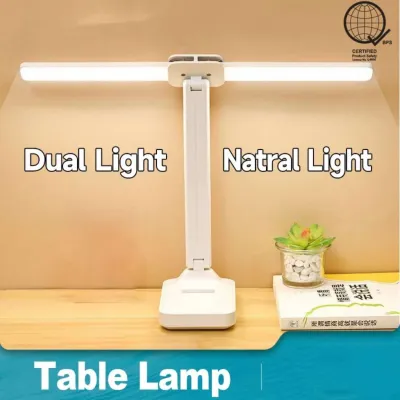
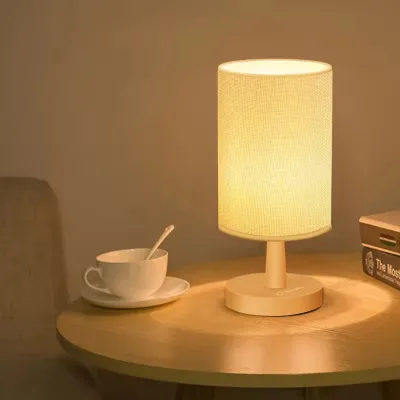
Prices are valid at publication and may change. Please refer to the product page for the latest price.
Beyond physical dimensions, visual weight plays a significant role in how these proportions feel in your bedroom. Darker colors, heavy textures like burlap or thick woven linen, and opaque materials make a shade appear larger and more dominant. Conversely, light-colored, translucent fabrics like fine cotton, silk, or parchment make the shade feel smaller, airier, and more integrated into a minimalist space. If you choose a dark or heavily textured shade, you may want to lean toward the smaller end of the recommended size range to keep it from dominating the room.
Finally, hiding the hardware is a non-negotiable rule of proper lamp styling. The lampshade must be tall enough to completely conceal the socket, the harp, and the bulb neck when viewed from a normal seated or standing position. Seeing bare brass or plastic hardware beneath the shade ruins the clean look of your decor and can expose you to direct bulb glare when you are resting in bed.
Measure Your Lamp Base and Hardware
Before shopping for replacement shades, taking precise physical measurements of your existing lamp base is essential to prevent sizing errors. To begin, place your lamp on a flat, level surface. Use a firm tape measure to record the base height, measuring from the table surface up to the top of the socket where the bulb is inserted. Next, measure the base width at its widest point—whether that is a wide ceramic curve, a square wooden block, or a slender metal stem.

Understanding how your shade attaches to the lamp is just as important as measuring the base itself. Take note of your lamp’s fitter type. If your lamp uses a spider fitter, which sits on top of a metal wire support called a harp, measure the height of the harp from its mounting saddle to the top threaded post. If your lamp uses an uno fitter, which threads directly onto the socket, measure the outer diameter of the socket to ensure the new shade’s ring will slip on securely.
Bulb clearance is a critical fire safety boundary that must never be overlooked. When selecting a new shade, always check the distance from the bulb to the inside edges of the fabric or frame. There should be a minimum of two to three inches of clear space between the bulb and the shade material to prevent heat buildup. Refer to your lamp manufacturer’s instructions for specific clearance requirements, as placing a high-wattage bulb too close to flammable fabric or plastic linings can pose a serious fire hazard.
Lastly, inspect your lamp’s original manufacturer label to verify the maximum wattage limit and voltage compatibility. In the Philippines, the standard electrical supply is 220V at 60Hz. Ensure that any replacement shade you select allows for adequate ventilation around the bulb, especially if you plan to use traditional incandescent bulbs that generate significant heat. If you are using modern LED bulbs, heat generation is lower, but proper airflow remains vital to prolong the lifespan of both the bulb and the shade.
Factor in Your Nightstand and Bedroom Space
Your bedside table lamp must coexist with your nightstand and the overall layout of your bedroom. Consider the surface area of your nightstand first. The bottom diameter of your lampshade should never overhang the edges of the table. A protruding shade is highly susceptible to being knocked over when you reach for your phone, a glass of water, or a book in the dark. Keeping the shade well within the table’s boundary preserves valuable surface space and maintains a clean, organized look.
The height of your nightstand also dictates the ideal position of the shade relative to your eye level. When you are sitting up in bed reading, the bottom edge of the lampshade should sit roughly level with your eyes. This positioning ensures that the bright bulb remains shielded from your direct line of sight, preventing harsh glare while casting focused light downward onto your reading material. If your nightstand is exceptionally tall, you will need a slightly shorter shade to keep the bulb hidden; if it is low, a taller shade may be necessary.
Do not forget to measure the clearance between your nightstand, the wall, and your headboard. A wide drum shade might look beautiful in a spacious showroom, but if your nightstand is tucked tightly into a corner, the shade may scrape against the wall or press awkwardly against your headboard. This constant physical contact can scuff your paint, damage the shade’s fabric, or push the lamp off-center.
The overall scale of your bedroom should guide your final choice. In a spacious master bedroom, a larger lamp with a wider, statement-making shade can anchor the room’s design. In contrast, compact bedrooms or studio apartments—common in urban areas like Metro Manila—benefit from streamlined, narrower shades. Choosing a proportional, compact size prevents the lighting from visually cluttering the space, keeping the room feeling open and relaxing.
Choose the Right Shape and Fitter Type
The geometric shape of your lampshade influences both its visual style and the way it distributes light throughout your bedroom. Drum shades feature vertical sides that offer a clean, modern aesthetic. They distribute light equally upward and downward, providing excellent ambient illumination. However, because they do not taper, drum shades require more horizontal clearance on your nightstand compared to sloped designs.
Empire shades, which feature a narrow top and a flared bottom, are a classic choice for traditional bedrooms. The sloped sides direct the majority of the light downward, making them highly functional for bedtime reading. Because the top is narrow, they often feel lighter and less intrusive in tight spaces. Bell shades offer a similar downward light distribution but feature a graceful, curved profile that adds a touch of classic elegance to your decor.
The fitter type determines how securely the shade connects to your lamp, and forcing an incompatible style can ruin the lamp’s proportions.
- Spider Fitters: These are the most common type, resting on top of a metal harp and secured with a decorative finial. They allow for easy height adjustments by simply swapping out the harp for a taller or shorter one.
- Uno Fitters: These are designed to slide directly onto the socket before the bulb is screwed in. They are highly stable but offer no height adjustability, meaning you must measure your shade height perfectly before buying.
- Clip-on Fitters: These clip directly onto the bulb itself and are best reserved for very small, lightweight shades, typically on accent lamps or chandelier-style bulbs.
Attempting to force an incompatible fitter type onto your lamp base can alter the height at which the shade sits, exposing the hardware or making the lamp look awkward. Always verify the mounting style of your lamp base before purchasing a replacement shade.
Select Climate-Appropriate Materials for Philippine Homes
The tropical climate of the Philippines, characterized by high humidity and warm temperatures, plays a significant role in the longevity and shape retention of your lampshade. High moisture levels can cause untreated paper shades, natural woven fibers like rattan or abaca, and low-quality water-based adhesives to warp, sag, or even develop mold over time. A warped shade will quickly lose its symmetrical proportions and look crooked on your bedside table.
To ensure your lampshade maintains its structural integrity, opt for stable, climate-resistant materials. Treated fabrics, high-quality synthetic linen blends, glass, or metal shades are excellent choices for tropical environments. These materials resist moisture absorption, preventing the warping and stretching that can ruin fabric tension. If you prefer the look of natural fibers, ensure they have been treated with a moisture-resistant sealant to protect them from humidity.
Maintaining your lampshade in a humid environment requires gentle, regular care. Dust your shades weekly using a dry microfiber cloth or a soft-bristled brush to prevent dust from mixing with ambient moisture and staining the fabric. Avoid using harsh liquid cleaners, wet sponges, or chemical sprays, as excess moisture can weaken the internal metal frame, dissolve the adhesives holding the seams together, or cause rust to form on the metal rings.
Your choice of material should also align with how your bedroom is ventilated. If your bedroom is air-conditioned for most of the day, the controlled humidity allows for a wider variety of delicate fabric shades. However, if your room relies primarily on natural ventilation and electric fans, prioritizing highly durable, moisture-resistant materials like glass, metal, or treated synthetic fabrics is the best way to ensure your lampshade remains beautiful and functional for years to come.
Final Fit Verification and Safety Checks
Before making your final purchase, conducting a few simple verification steps can save you the hassle of returning an ill-fitting shade. A highly effective technique is the cardboard mockup trick. Cut a piece of cardboard or stiff paper to match the height and maximum width of your prospective lampshade. Hold this template up against your lamp base on your nightstand to easily visualize how the scale, clearance, and overall proportions will look in your actual bedroom.
Safety should always be your top priority when installing new lighting. Double-check the lampshade manufacturer’s maximum wattage rating to ensure it is compatible with your bulb. Darker or more tightly woven shades trap more heat inside, making it crucial to use bulbs that do not exceed the recommended wattage. Ensure your setup complies with local electrical standards, and look for certified products carrying official safety marks.
If you encounter a situation where fitting your desired shade requires altering the electrical socket, rewiring the lamp, or modifying the base structure, stop immediately. Do not attempt to force a fit by bending metal parts or bypassing safety components. Instead, consult a qualified electrician or the lamp manufacturer to find a safe, compatible solution.
Once your new lampshade is securely installed, perform a final visual and physical check. Ensure that all hardware is completely hidden from view when you are sitting in bed, that the light is distributed comfortably without causing direct glare, and that the lamp remains perfectly stable on your nightstand. A stable, well-proportioned bedside lamp not only enhances your bedroom’s style but also creates a safe, warm, and inviting environment for a restful night’s sleep.
Community discussion
Share your experience or ask a question. Comments are reviewed before publication.