
Choosing the right lampshade for your living room floor lamp requires balancing physical proportions, functional lighting needs, and safety requirements. A mismatch can make your floor lamp look top-heavy, expose a harsh bare bulb to seated guests, or fail to illuminate your space effectively. To achieve perfect visual harmony, the shade’s height should be roughly one-third to one-quarter of the lamp’s total height, while its bottom diameter should be at least as wide as the lamp’s base.
Beyond aesthetics, the right shade must physically fit your lamp’s hardware and safely accommodate your bulb’s heat output. Whether you are updating an old fixture or customizing a new purchase, taking precise measurements and understanding how different shapes distribute light will ensure your living room remains beautifully illuminated and comfortable.
Understand the Core Proportions for Floor Lamp Shades
To establish a balanced look, you must first analyze the relationship between the height of the lampshade and the overall height of the floor lamp. The classic design rule of thumb dictates that the height of the shade should represent approximately one-third to one-quarter of the total height of the lamp, measuring from the very bottom of the base to the top of the shade. For a standard floor lamp that stands 150 centimeters tall, a shade height between 38 and 50 centimeters will generally look proportional and grounded.
Products mentioned in this guide
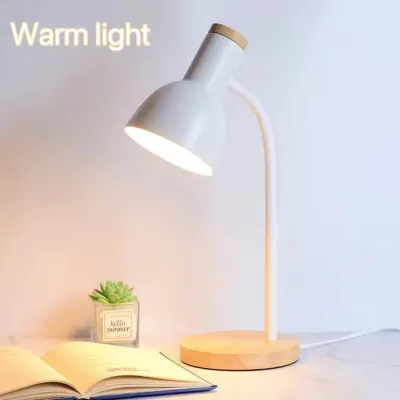
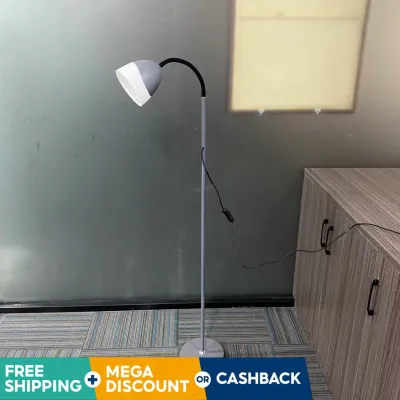
Prices are valid at publication and may change. Please refer to the product page for the latest price.
The width of the shade is equally critical to preventing a top-heavy or awkward silhouette. As a general guideline, the bottom diameter of the lampshade should be at least as wide as the widest part of the lamp base. If your floor lamp features a heavy, circular brass base with a diameter of 30 centimeters, your lampshade should have a bottom diameter of at least 30 centimeters, though extending up to 40 centimeters often creates a more graceful transition. If the shade is narrower than the base, the entire fixture will look visually unstable, even if it is physically secure.
You must also consider how the lamp’s height interacts with your seated eye level in the living room. When you are sitting on your sofa or armchair, the bottom edge of the lampshade should sit at or slightly below your eye level. This positioning ensures that the bright glare of the bulb and the metallic components of the socket remain hidden from view while allowing the light beam to cast downward onto your lap or reading material. If the shade is too short or sits too high, guests will be subjected to an uncomfortable, direct glare whenever they sit nearby.
Measure Your Lamp Base and Fitter Type
Before purchasing a new lampshade for your living room, you must identify the exact mechanism your lamp uses to hold the shade in place. The most common mounting style is the spider fitter, which features several metal spokes that meet at a central ring. This ring sits atop a metal wire frame called a harp, which rises from below the bulb socket and is secured at the top with a decorative screw-on finial. When replacing a shade on a spider fitter, you must measure the height of your existing harp to ensure the new shade’s drop—the distance from the top rim to the central ring—allows the shade to cover the socket completely.

Another common style is the Uno fitter, which does not use a harp. Instead, an Uno fitter features a large, threaded central ring that screws directly onto the socket shell or is held in place by a plastic collar. These are highly common on downward-pointing floor lamps, such as arching or reading lamps. You must measure the diameter of your socket carefully, as Uno fitters come in specific sizes that are not universally interchangeable. A third, less common style for floor lamps is the clip-on fitter, which grips the bulb directly; however, this is typically reserved for small accent lamps because large, heavy shades can easily slip or damage the bulb.
Upgrading your lampshade also requires assessing the structural limits of your floor lamp’s pole and base. Heavy materials like thick glass, solid metal, or layered drum shades add significant weight to the top of the fixture. If your floor lamp features a thin, lightweight pole or a small base, a heavy shade can cause the lamp to lean or tip over easily when bumped. Always check the physical stability of your lamp on your specific flooring—whether it is smooth tile, polished hardwood, or a thick area rug—before committing to a heavier shade material.
Match the Shade Shape to Your Living Room Lighting Needs
The shape of your lampshade does more than define its style; it actively controls how light is directed and distributed throughout your living room. Matching the shape to your primary daily activities ensures you get the right balance of task, accent, and ambient light.
Drum and Cylinder Shades for Ambient Light
Drum and cylinder shades feature vertical or near-vertical sides, meaning the top and bottom openings are equal or nearly equal in diameter. This symmetrical design allows light to cast evenly upward toward the ceiling and downward toward the floor, creating a soft, balanced glow throughout the room. Because the sides are typically made of translucent fabric or paper, these shades diffuse light outward, making them excellent for general ambient illumination in cozy family rooms or open-plan living spaces.
Empire and Bell Shades for Task and Reading Light
Empire and bell shades feature a classic flared design where the top opening is significantly narrower than the bottom. This sloping silhouette acts as a natural funnel, directing the vast majority of the light downward in a wide, concentrated beam. If you position your floor lamp next to a reading chair, a study desk, or a crafting corner, an empire or bell shade will provide the bright, focused task lighting you need while keeping the upper portion of the room softly shaded.
Square and Rectangular Shades for Modern Corners
Square and rectangular shades offer clean, sharp lines that align beautifully with modern, minimalist, or contemporary interior designs. Because of their flat sides, these shades can be pushed closer to walls or tucked neatly into tight corners without wasting valuable floor space. They project light in a unique, angular pattern that highlights architectural features, making them ideal for accentuating clean-lined furniture like low-profile consoles or geometric side tables.
Factor in Living Room Space and Visual Weight
A lampshade does not exist in a vacuum; it must scale appropriately to the physical dimensions of your living room and the surrounding furniture. In spacious, open-concept homes with high ceilings, a small, delicate lampshade will look lost and insignificant. Conversely, in compact urban apartments or cozy reading nooks, an oversized drum shade can overwhelm the room, making the space feel crowded and cramped. Take a step back and look at the entire room to ensure the scale of the lamp matches the scale of your living environment.
Visual weight is another crucial concept to master when selecting your shade. Visual weight refers to how heavy an object looks, regardless of its physical weight. A dark-colored, heavily textured fabric shade—such as charcoal linen or deep navy cotton—possesses high visual weight and will dominate the visual landscape of your room. To balance this, pair dark shades with substantial, chunky lamp bases and place them near large furniture pieces like a deep sectional. If your living room features light, airy decor or low-profile Scandinavian furniture, a translucent white, cream, or light beige shade will maintain a sense of openness.
Finally, consider the physical placement of the lamp within your room layout. If your floor lamp is freestanding in a high-traffic area, such as next to a walkway or behind a floating sofa, a wide, protruding shade can become a physical hazard that people constantly bump into. In these open layouts, a narrower cylinder or rectangular shade is highly practical. If the lamp is safely tucked away in a corner behind an armchair, you have much more freedom to choose a wider, more dramatic flared shade that makes a bold design statement.
Verify Safety, Wattage, and Material Clearances
Safety must always be your top priority when modifying or upgrading any lighting fixture. Before you install a new lampshade, locate the manufacturer’s safety label on your floor lamp’s socket to identify its maximum allowable wattage. In the Philippines, where the standard household electrical supply operates at 220 volts and 60 hertz, exceeding the rated wattage of your fixture can cause severe overheating, melt plastic components, or damage your home’s electrical wiring.
To prevent fire hazards and material degradation, you must maintain a safe clearance gap between the light bulb and the inner walls of the lampshade. For standard incandescent bulbs, which emit a significant amount of heat, keep a minimum clearance of 7 to 10 centimeters on all sides. While modern LED bulbs run much cooler, they still generate heat at their base and require at least 5 centimeters of clearance to allow proper air circulation. Narrow, dark, or plastic-lined shades trap heat more easily, making adequate spacing absolutely vital to prevent the shade material from scorching or discoloring.
Always inspect the materials of your new shade to ensure they are rated as heat-resistant and flame-retardant. Proper ventilation is essential; a quality lampshade must have completely open top and bottom apertures to allow rising heat to escape freely. If you notice any signs of heat damage on your existing lamp—such as brittle plastic, yellowed socket sleeves, or a burnt smell when the light is on—stop using the fixture immediately, isolate the power at your main breaker, and consult a qualified professional electrician to inspect or rewire the lamp.
Step-by-Step Installation and Final Adjustment
Once you have selected a compatible, safely sized lampshade, follow these structured steps to mount it correctly and verify its placement.
- Step 1: Isolate the Power. Before touching any electrical components, turn off the floor lamp's switch and completely unplug the power cord from the wall outlet. Never attempt to change a lampshade while the bulb is hot or the fixture is connected to live electricity.
- Step 2: Remove the Old Hardware. Carefully unscrew the decorative finial at the top of the lamp, then lift off the old lampshade. If you are replacing the harp to accommodate a different shade height, squeeze the bottom of the harp wires inward to release them from the mounting saddle located beneath the socket.
- Step 3: Mount the New Shade. Insert your new harp into the saddle if applicable. Place the central ring of your new spider fitter over the top bolt of the harp, or slide your Uno fitter directly onto the socket. Screw the finial back onto the top thread of the harp, tightening it firmly but gently. Verify that the shade sits perfectly level and does not wobble when the lamp is lightly touched.
- Step 4: Conduct a Visual and Functional Test. Screw in your approved bulb, plug the lamp back into the outlet, and turn it on. Sit in your favorite living room chair to verify that the bulb is completely hidden from your line of sight and that the light casts exactly where you need it without creating harsh glares or dark shadows.
Frequently Asked Questions (FAQ)
Can I use a table lamp shade on a floor lamp?
While it is physically possible if the fitter types match, table lamp shades are generally too small for floor lamps. A table lamp shade typically lacks the height and bottom diameter required to balance the long, tall pole of a floor lamp. Using one will often result in an awkward, top-heavy appearance, and the shade may fail to cover the bulb socket adequately, leading to unpleasant glare at seated eye level.
What color lampshade is best for a living room?
The best color depends on your primary lighting goals. White, cream, or light beige shades are ideal if you want to maximize the overall light output in your living room, as they allow light to pass through the fabric and illuminate the surrounding space. Darker shades, such as black, navy, or charcoal, block lateral light and project it strictly upward and downward, creating a dramatic, moody atmosphere that is perfect for cozy evenings.
How do I clean a fabric floor lamp shade?
To clean a fabric lampshade safely, start by unplugging the lamp. Use a clean, dry microfiber cloth, a soft-bristled clothes brush, or a sticky lint roller to gently remove surface dust and pet hair, working from the top of the shade downward. In highly humid tropical environments, dust can easily stick to fabric fibers; avoid using wet cloths or harsh chemical cleaners unless the manufacturer’s care label explicitly permits it, as moisture can cause water spots, rust the internal wire frame, or encourage mold growth.
Community discussion
Share your experience or ask a question. Comments are reviewed before publication.