
To transform your outdoor garden into a captivating nighttime oasis, choosing the right LED fireworks tree lights requires balancing weather resistance, power sources, and visual effects. In a tropical climate characterized by intense sunlight, high humidity, and sudden heavy downpours, selecting the wrong fixture can lead to premature failure or electrical hazards. Before making any purchase, always check product labels and specifications to verify outdoor suitability and safety certifications. This guide focuses on key selection criteria, practical installation steps, and quality verification methods to help you find the perfect lighting solution for your landscape.
Key Selection Criteria for Garden Fireworks Lights
Selecting the ideal fireworks lights involves evaluating how the physical design and technical specifications of the product align with your outdoor space. Because every garden layout is unique, the right choice depends on your specific environment, existing foliage, and aesthetic goals. By analyzing brightness, structural design, and durability, you can select a lighting setup that enhances your landscape while standing up to the elements.
Brightness and Lighting Effects
When evaluating LED fireworks tree lights, the light output and visual style dictate the overall ambiance of your garden. To determine how bright a fixture will be, check the product specifications for the total LED count or lumen output. A higher LED count generally translates to a denser, more vibrant burst of light, which is ideal for creating focal points in larger garden areas.
Products mentioned in this guide
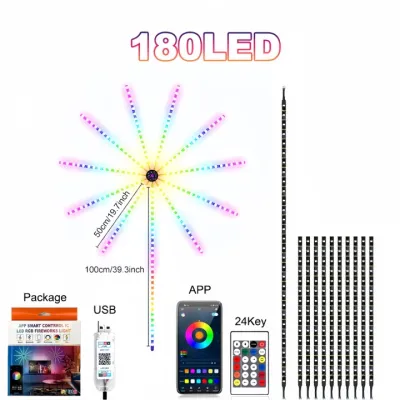
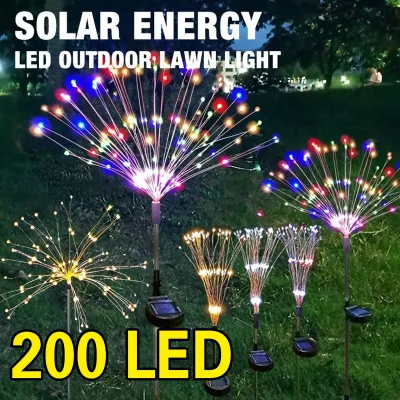
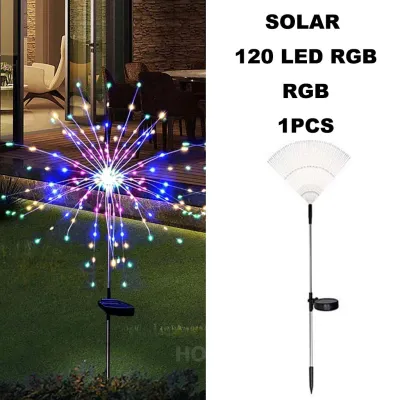
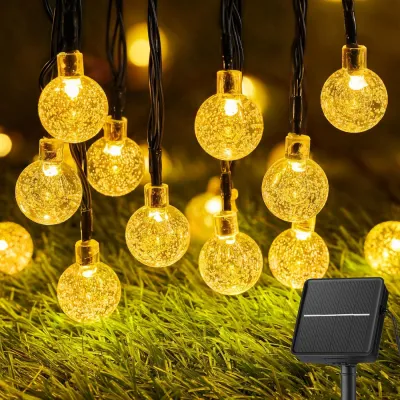
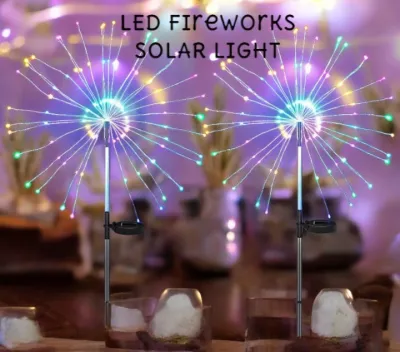
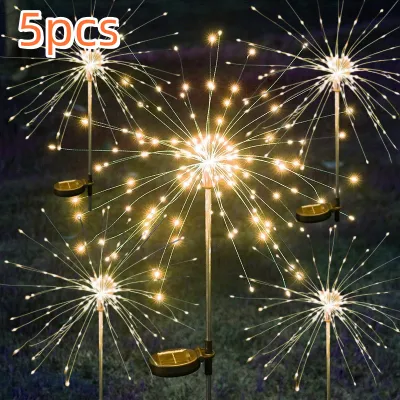
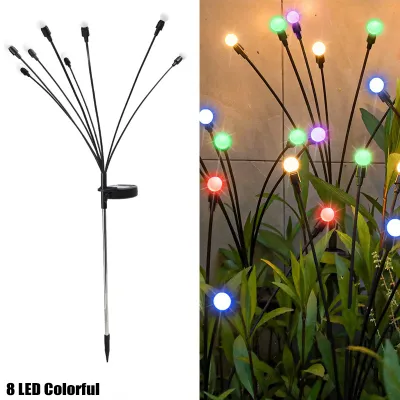
Prices are valid at publication and may change. Please refer to the product page for the latest price.
Color temperature and color options play a significant role in setting the mood, and these choices are largely a matter of personal preference rather than performance:
- Warm White: This option creates a cozy, classic, and inviting atmosphere, making it excellent for traditional gardens, seating areas, or pathways.
- Cool White: This temperature offers a modern, crisp, and high-visibility look, which works well for highlighting contemporary architectural features or modern landscaping.
- Multicolor (RGB): Multi-colored lights provide a festive, vibrant, and dynamic feel, perfect for holiday decorations, parties, or playful garden themes.
Additionally, many fireworks lights feature built-in lighting modes, such as steady-on, flashing, fading, or chasing patterns. Before purchasing, verify how these modes are controlled. Some models include a remote control, while others rely on a physical switch located on the power adapter or solar panel. If you plan to use a remote, check the specified range and ensure there is a clear line of sight between the controller and the receiver.
Design, Size, and Branch Flexibility
To ensure your new lights fit harmoniously into your landscape, carefully measure your available garden space before buying. Consider both the height of the light pole and the maximum spread of the branches. A light that is too tall may overwhelm a small patio, while a miniature version might get lost in dense garden foliage.
Branch flexibility is a crucial design feature for fireworks lights. High-quality models typically use bendable copper wire or flexible alloy branches that allow you to shape the light burst. You can fan them out into a full sphere, shape them into a weeping willow style, or create a flat starburst pattern. This adjustability lets you customize the look to match surrounding plants or structures.
Pay close attention to the base design and pole materials. Ground stakes are ideal for soft soil, lawns, and flower beds, providing stability against wind. For hard surfaces like concrete patios, wooden decks, or tiled pathways, look for models with flat, weighted metal bases that can be bolted or weighted down. The poles themselves should be constructed from sturdy materials, such as treated metals or thick plastics, to prevent bending or breaking over time.
Durability and Weather Resistance
Outdoor lighting must endure harsh environmental conditions, making durability a primary concern. The most reliable way to verify a product’s water and dust resistance is by checking its Ingress Protection (IP) rating, which is typically printed on the packaging or product description. For general outdoor garden use, look for a minimum rating of IP44, which protects against splashing water. For areas fully exposed to heavy tropical rains, an IP65 or higher rating is strongly recommended, as it indicates protection against water jets.
Material selection directly impacts how well the lights survive over time. Look for the following material characteristics:
- Poles and Stakes: Opt for rust-resistant metals, such as stainless steel or powder-coated aluminum, which resist corrosion in humid environments.
- Wires and Casings: Ensure the plastic components and wire coatings are UV-resistant to prevent them from becoming brittle and cracking under intense daily sunlight.
- Connectors: Look for threaded, rubber-gasketed connectors that seal out moisture at connection points.
Always check the manufacturer’s guidelines regarding extreme weather exposure. In regions prone to severe tropical storms or typhoons, even highly rated outdoor lights should be temporarily dismantled and stored indoors to prevent physical damage from high winds and flying debris.
Power Options and Installation Requirements
How you power your garden lights affects both their placement flexibility and their long-term performance. Understanding the trade-offs between different power sources and adhering to strict electrical safety standards will ensure your installation is both beautiful and safe.

Solar-Powered vs. Plug-In Models
Choosing between solar-powered and plug-in fireworks lights depends on your garden’s layout, sun exposure, and maintenance preferences. Each power source offers distinct advantages and limitations:
- Solar-Powered Models: These fixtures offer unmatched placement flexibility because they do not require proximity to an electrical outlet. They are highly energy-efficient and automatically turn on at dusk. However, their performance depends entirely on sunlight. To ensure they stay illuminated for several hours, evaluate the solar panel's efficiency and the battery capacity (measured in milliampere-hours, or mAh) listed in the specifications. In shaded gardens or during prolonged cloudy periods, solar lights may experience reduced brightness and shorter run times.
- Plug-In Models: Plug-in lights provide consistent, reliable brightness regardless of the weather. They are ideal for permanent installations where high light output is required. However, they limit placement to areas within reach of a power source. When installing plug-in models, you must verify the voltage compatibility (typically 220V in the Philippines) and ensure that any extension cords used are explicitly rated for outdoor use. Additionally, plug-in connections must be plugged into weatherproof outlets equipped with in-use wet-location covers.
Safe Installation and Placement
Proper installation prevents physical damage to the lights and eliminates safety hazards in your yard. When placing your fireworks lights, secure the base firmly. For soil or grass, push the ground stakes deep enough to resist wind and soil erosion. If you are installing them on hard surfaces, use appropriate anchors or heavy decorative planters to weight down the base.
Electrical safety is paramount in damp garden environments. Keep all electrical connections, plugs, and adapters elevated off the ground to prevent them from sitting in puddles, mud, or active sprinkler zones. You can secure connections to stakes or wrap them in weatherproof electrical boxes designed for outdoor use.
For any complex installations—such as running permanent underground conduit, installing new outdoor GFCI outlets, connecting fixed wiring, or mounting lights at significant heights—always isolate the power supply first. If you are unsure about local electrical codes or safety procedures, stop and consult a qualified professional electrician to handle the wiring.
How to Evaluate Quality Before Buying
With numerous options available on online marketplaces, distinguishing high-quality fireworks lights from poorly made alternatives requires careful evaluation. Because you cannot physically handle products when shopping online, relying on structured verification steps is essential.
Start by thoroughly reading user reviews on ecommerce platforms. Look past the overall star rating and focus on detailed feedback from verified buyers who have used the lights outdoors for several months. Pay close attention to comments regarding how well the lights survived heavy rain, whether the metal parts rusted quickly, and if the solar panels degraded over time. User-uploaded photos can also provide a realistic view of the actual brightness and color temperature.
Next, examine the seller’s warranty terms and return policies. Reputable manufacturers and authorized distributors typically offer a clear warranty period (such as six months or a year) against manufacturing defects. Avoid sellers who offer no warranty or fail to provide clear contact information for customer support.
When your package arrives, perform a thorough physical inspection before installing the lights in your garden. Use this checklist to verify quality:
- Inspect the Wiring: Check the entire length of the wires for any exposed copper, thin or brittle insulation, or loose connections at the joints.
- Examine the Base and Pole: Ensure the pole is straight, the joints fit together tightly, and the ground stake or base is sturdy and free of cracks.
- Test the Functionality: Plug the lights in or expose the solar panel to light (and then cover it to simulate darkness) to verify that all LEDs light up and that the remote control or mode switch functions correctly.
- Look for Safety Marks: Verify that the product features recognized safety certification marks on the packaging or power adapter, indicating it has passed basic electrical safety standards.
Be highly skeptical of unusually low-priced items. Extremely cheap lights often cut corners by using thin, non-waterproof wiring, low-grade plastics that degrade rapidly in the sun, or substandard electrical components that pose a fire or shock hazard.
Maintenance and Storage Tips
Taking proper care of your LED fireworks tree lights will significantly extend their lifespan and keep them shining brightly season after season. Regular maintenance is simple but highly effective in preventing premature wear.
To clean your lights, first isolate the power supply by unplugging them or turning off the solar unit. Use a soft, slightly damp cloth to gently wipe away dust, dirt, spiderwebs, and fallen leaves from the LED bulbs, branches, and poles. Avoid using harsh chemical cleaners or abrasive scrubbing pads, which can scratch the protective plastic coatings or damage the water-resistant seals. Keeping the solar panel clean is especially important, as a buildup of dust or pollen can drastically reduce its charging efficiency.
When storing the lights during severe weather or the off-season, handle them with care to prevent internal damage. Carefully disconnect the power cables and gently fold the flexible branches back toward the main pole. Avoid bending the wires at sharp angles, as repeated tight bending can cause metal fatigue and break the internal copper connections. Coil any cables loosely without kinking them.
Store the dismantled lights in a dry, cool indoor area, such as a closet or storage bin. Keep them in a sealed container to protect them from pests, moisture, and extreme temperature fluctuations, ensuring they are ready to illuminate your garden beautifully when you reinstall them.
Frequently Asked Questions (FAQ)
Can I leave LED fireworks tree lights outside during heavy rain?
Whether you can leave your fireworks lights outside during heavy rain depends entirely on the product’s Ingress Protection (IP) rating. Lights with an IP65 or higher rating are designed to withstand heavy downpours and water sprays, making them suitable for year-round outdoor placement. However, if the lights carry a lower rating, such as IP44, they are only splash-proof and may fail if subjected to prolonged, torrential rain. Always check the product manual for explicit manufacturer warnings regarding wet weather. During severe tropical storms, typhoons, or periods of localized flooding, it is always safest to temporarily bring the lights indoors to prevent physical damage.
How do I fix a section of the firework lights that stopped working?
If a section of your fireworks lights stops working, begin by performing basic, safe troubleshooting steps. First, isolate the power supply completely. Check for loose connections along the main cable, inspect the battery compartment on solar models for corrosion, and ensure the power adapter is securely plugged into the outlet. If the lights are solar-powered, verify that the panel is clean and receiving adequate sunlight. Never attempt to splice, cut, or tape over damaged or exposed outdoor wiring yourself, as this creates severe shock and fire hazards. If you discover broken wires, water intrusion inside the sealed LED bulbs, or an internal circuit failure, contact the manufacturer for warranty support or replace the unit entirely.
Community discussion
Share your experience or ask a question. Comments are reviewed before publication.