
Choosing the right LED letter lights requires balancing visual appeal with practical installation requirements. To find the perfect setup, you must evaluate where the letters will sit, how far away your viewers will be, what color temperature matches your room’s mood, and which power source fits your placement constraints. By matching these physical and electrical specifications to your environment, you can create a personalized, safe, and reliable light display that enhances your space without causing unnecessary clutter or electrical hazards.
Whether you are spelling out a child’s name on a bedroom shelf, setting up a vibrant backdrop for a milestone celebration, or adding a warm glow to a living room console, these decorative lights serve as both signage and ambient illumination. However, a common mistake is purchasing a set based solely on looks, only to find that the letters are too large for the shelf, too dim to be seen across a room, or restricted by a short power cord. Taking a systematic approach to your selection ensures that your investment fits seamlessly into your home or event venue.
Assess Your Display Space and Placement Needs
Before browsing online marketplaces or local decor shops, you must identify the exact spot where your LED letters will live. An indoor shelf, a bedside table, a living room wall, or an outdoor patio each present distinct physical and environmental challenges. For instance, a temporary backdrop for a birthday party requires a lightweight, highly portable setup, whereas a permanent living room installation demands secure mounting and a clean way to manage cords.
Products mentioned in this guide
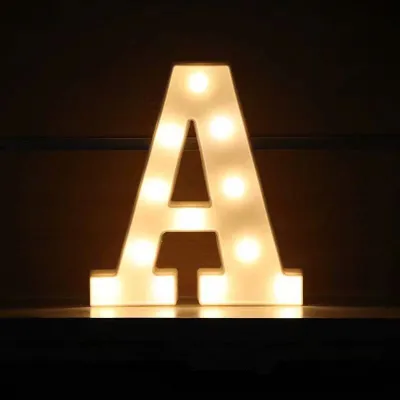
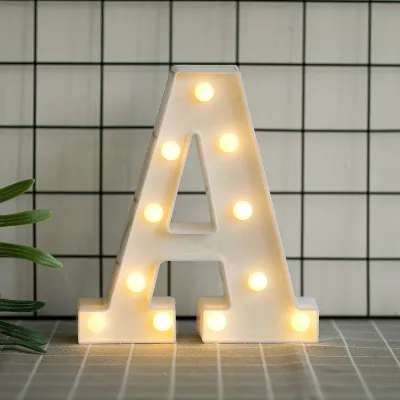
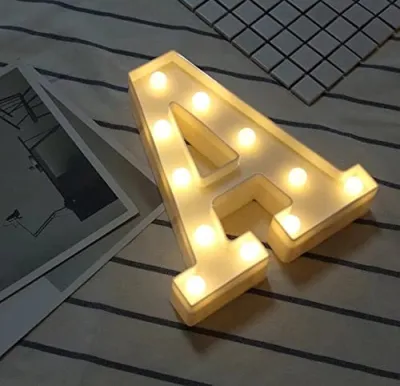
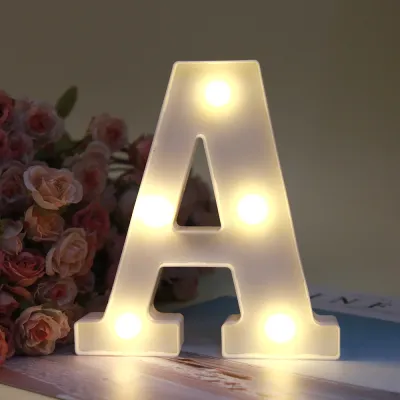
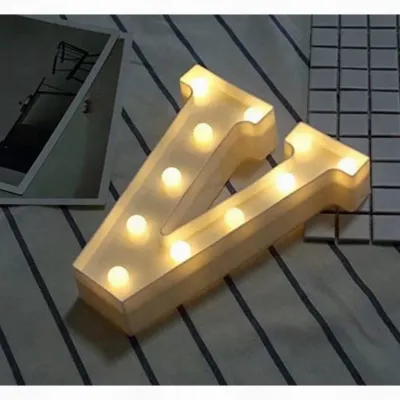

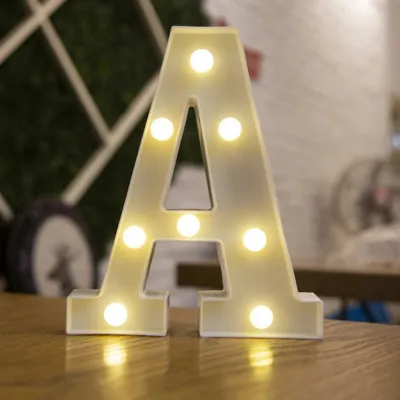
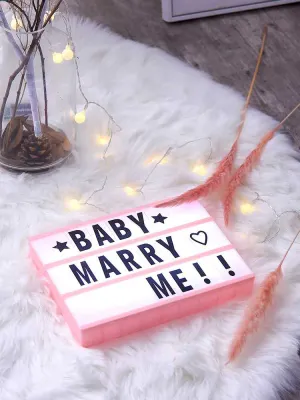
Prices are valid at publication and may change. Please refer to the product page for the latest price.
If you plan to place freestanding letters on a shelf, mantel, or console table, check the stability and depth of the surface. Larger marquee-style letters made of thick plastic or wood can be top-heavy, making them prone to tipping over if the surface is bumped or if there is a slight draft. Ensure the surface is wide enough to accommodate the entire base of each letter without any overhang, and verify that the shelf can support the cumulative weight of the entire word or phrase.
Environmental factors are particularly crucial in tropical climates like the Philippines, where high humidity and ambient moisture can affect electronic components. If you intend to use your LED letters on a covered patio, balcony, or near an open window, you must verify that the materials can withstand moisture without warping or short-circuiting. Standard indoor LED letters are rarely sealed against dust and humidity, meaning prolonged exposure to damp air can corrode battery terminals or degrade the internal wiring. For outdoor events, always plan to bring the lights indoors immediately after the gathering to protect them from sudden rain showers and intense afternoon sunlight.
Determine the Ideal Size and Font Style
Selecting the correct dimensions for your LED letters is a balancing act between legibility and spatial harmony. Before making a purchase, use a measuring tape to determine the maximum height, width, and depth of your designated display area. If you are spelling out a long word, calculate the total combined width of all the letters, including the spacing between them. A common error is buying letters that are too large, resulting in a cramped display where the characters are squished together, ruining the visual effect.

Conversely, letters that are too small will look lost on a large, empty wall or a spacious entertainment console. Consider the primary viewing distance of the room. If the letters are meant to be read from across a large living area or from the entrance of an event hall, look for taller, bolder letters—typically around 22 centimeters or more in height. For intimate spaces like a study desk, a vanity table, or a bedside shelf, smaller letters ranging from 10 to 15 centimeters are much more appropriate, providing a subtle accent without overwhelming your immediate field of vision.
The font style you choose also dictates how readable the letters are and how well they blend with your existing decor. Classic block letters with exposed bulb-style LEDs offer a retro, marquee-inspired look that works exceptionally well for festive occasions, industrial-themed spaces, or modern living rooms. Cursive or script-style neon-effect LED letters provide a sleek, continuous glow that suits contemporary bedrooms, gaming setups, or creative workspaces. Ensure the font’s line thickness and style match the room’s aesthetic; a delicate, thin-lined cursive font may get lost against a busy, patterned wallpaper, while a heavy block font might look too aggressive in a minimalist, soft-toned bedroom.
Select the Right Light Color and Brightness
The color temperature and brightness of your LED letters directly influence the mood of your room. Warm white LEDs emit a soft, yellowish glow that mimics traditional incandescent bulbs, making them an excellent choice for cozy bedrooms, nurseries, and relaxed living areas. This warm light promotes a calming atmosphere and blends seamlessly with warm wood tones and earthy decor. On the other hand, cool white LEDs offer a crisp, bright, and modern look that works well in clean, minimalist spaces, home offices, or as high-visibility signage for temporary events.
For those looking to add a playful or energetic vibe, multi-color RGB (Red, Green, Blue) LED letters are a popular alternative. These are highly suited for gaming rooms, home bars, or children’s play areas, allowing you to change colors to match a specific theme or mood. However, when choosing colored or highly vibrant lights, it is essential to consider eye comfort. In a dark room, an overly bright, non-dimmable LED letter can cause significant glare and eye strain. If you plan to use the letters as a nightlight or evening accent, look for models that feature adjustable brightness levels or built-in dimming capabilities.
Additionally, check if the LED letters offer multiple lighting modes. While a steady, constant glow is preferred for daily home decor, dynamic modes like slow fading, gentle pulsing, or flashing can elevate a party atmosphere or holiday display. Keep in mind that complex lighting modes are more common in USB-powered or plug-in models, as battery-operated versions often stick to a simple on-and-off switch to conserve power. Choose a model whose control interface—whether it is a physical switch, a remote control, or a smartphone app—is convenient for your daily routine.
Choose the Best Power Source for Your Setup
How your LED letters receive power determines where they can be placed and how much maintenance they will require. Battery-operated models, typically running on AA or AAA batteries, offer the ultimate flexibility in terms of placement. Because they do not require a nearby electrical outlet or leave unsightly cords hanging down, they are perfect for floating shelves, table centerpieces, and temporary outdoor event backdrops. The main trade-off is the ongoing cost and effort of replacing batteries, especially if you leave the lights on for several hours each day. To minimize waste, consider using rechargeable batteries for high-use displays.
USB-powered LED letters bridge the gap between portability and continuous power. These models can be plugged directly into a computer, a television, a USB wall adapter, or even a portable power bank. This makes them incredibly convenient for study desks, gaming setups, and entertainment centers where USB ports are already abundant. Because they draw power continuously, they maintain a consistent level of brightness that does not fade over time, unlike battery-operated models that dim as the batteries drain. They also eliminate the recurring expense of disposable batteries, making them a highly cost-effective choice for daily use.
For permanent wall installations, large marquee letters, or setups that span an entire wall, plug-in (mains) power is often the most reliable option. Plug-in models are designed to handle higher wattages, which is necessary if you are linking multiple large letters together to spell out a full name or business name. However, using plug-in lights requires careful planning. You must ensure that an electrical outlet is within reach of the cord, or be prepared to use extension cords and cable management channels to keep the wires hidden and safe from tripping hazards. For safety, always verify that the plug and cord are rated for your home’s voltage before connecting them.
Installation and Safety Checks Before You Buy
Before finalizing your purchase, you must inspect the physical design of the LED letters to ensure they can be installed exactly how you want. If you plan to hang the letters on a wall, look closely at the product photos or specifications to confirm they have pre-drilled keyhole slots or hanging loops on the back. Without these built-in mounting points, hanging the letters evenly can become a frustrating DIY challenge. For freestanding setups, ensure the bottom of each letter is completely flat and wide enough to stand independently without wobbling.
You should also check what mounting hardware is included in the package. Many budget-friendly LED letters do not come with screws, anchors, or adhesive strips, meaning you will need to source these separately. If you are renting your home or want to avoid damaging your walls, look for lightweight plastic LED letters that can be safely secured using removable, damage-free adhesive hooks or mounting tape. Always check the weight limit of the adhesive to ensure it can support the letters over time, especially in warm, humid rooms where adhesive backing can lose its grip.
Finally, prioritize electrical safety, particularly when dealing with plug-in or USB-powered models. Look for clear safety markings on the packaging or product description, indicating that the item has undergone standard electrical safety testing. Ensure that the plastic casing is sturdy, the wiring is fully insulated with no exposed copper, and the plug matches standard local outlets. If you are using a USB-powered model, verify that the input voltage matches standard 5V USB ports to prevent overheating. Taking these simple precautions ensures that your personalized light display remains a safe, beautiful addition to your home.
Frequently Asked Questions (FAQ)
Can I leave battery-operated LED letters on all night?
It is generally not recommended to leave battery-operated LED letters on throughout the entire night. While LEDs generate very little heat compared to traditional incandescent bulbs, continuous operation will drain standard AA or AAA batteries rapidly, often within a few days of constant use. Additionally, leaving any battery-powered electronic device running unattended for long periods carries a minor risk of battery leakage or overheating if the cells are low-quality. To preserve battery life and ensure safety, turn the lights off before going to sleep, or choose a model with a built-in timer function that automatically shuts off after a few hours.
How do I clean dusty LED letter lights safely?
To clean your LED letter lights safely, always start by turning them off and disconnecting them from their power source—either by unplugging the cord or removing the batteries entirely. Use a dry, soft microfiber cloth to gently wipe away dust from the outer casing and around the LED bulbs. If there are stubborn smudges, you can slightly dampen the cloth with plain water, ensuring it is not dripping wet. Never spray water or liquid cleaners directly onto the letters, and strictly avoid harsh chemical solvents, alcohol, or abrasive pads, as these can cloud the plastic casing or damage the delicate internal circuitry. Allow the unit to dry completely before restoring power.
Community discussion
Share your experience or ask a question. Comments are reviewed before publication.