
Finding the right LED stick light for a condominium in the Philippines requires balancing space-saving designs, power flexibility, and customizable color temperatures. In urban areas where studio and one-bedroom layouts are common, lighting serves as a powerful tool to define distinct zones without physical partitions. Because many condo units feature concrete walls that limit drilling, or are leased under strict damage-free guidelines, choosing the correct mounting and power configuration is just as critical as selecting the light output itself. By focusing on key specifications such as dimming capabilities, power sources, and safety certifications, you can create a warm, inviting atmosphere that adapts to your daily routine.
Core Features to Evaluate for Condo Ambient Lighting
To select an effective LED stick light, start by evaluating its color temperature and color-changing (RGB) capabilities. Color temperature, measured in Kelvins (K), dictates the mood of your space. Warm white light (typically 2700K to 3000K) mimics the soft glow of sunset, making it ideal for relaxing in the evening. Cool white light (5000K to 6500K) provides a crisp, energizing illumination suited for daytime tasks or focused work. For maximum versatility, look for stick lights that offer adjustable color temperatures or full RGB spectrums, allowing you to transition your condo from a bright home office during the day to a calm, ambient sanctuary at night.
Brightness levels and dimming functions are equally vital in smaller, multi-purpose condo layouts. A light that is too bright can cause uncomfortable glare and eye strain in a compact room, while a light that is too dim fails to provide adequate accentuation. Opt for LED stick lights that feature step-less dimming, which allows you to adjust the brightness smoothly from 10% to 100%. This flexibility ensures that your ambient lighting can easily adapt to different activities, whether you are watching a movie, hosting dinner guests, or winding down for sleep.
Products mentioned in this guide
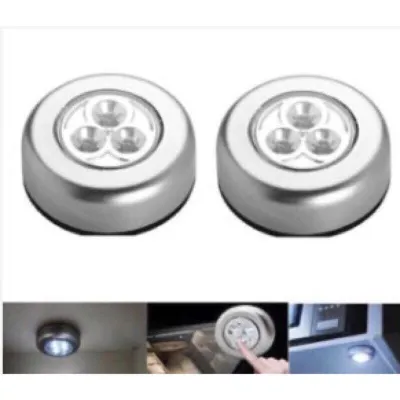
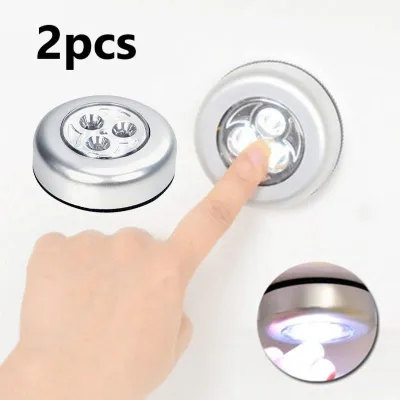
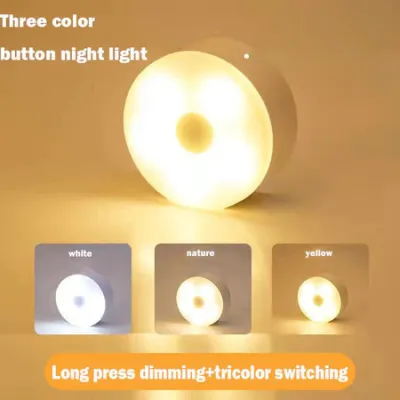
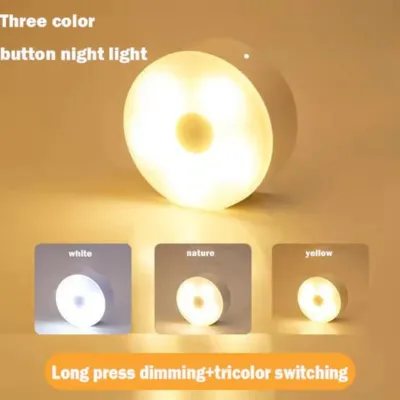
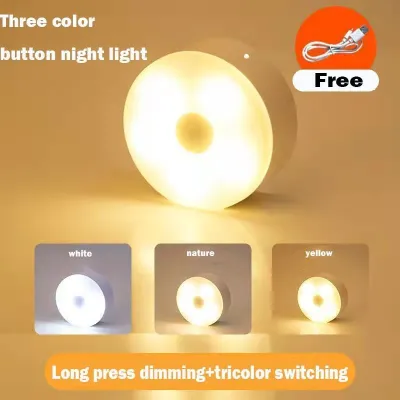
Prices are valid at publication and may change. Please refer to the product page for the latest price.
Power source options significantly influence where you can place your lights and how you manage unsightly cables. Rechargeable LED stick lights, usually powered by built-in lithium-ion batteries and charged via USB-C, offer unmatched placement flexibility. They can be mounted inside wardrobes, under floating shelves, or in cozy reading corners without worrying about nearby wall outlets. However, they require periodic recharging. Plug-in models, on the other hand, provide continuous power without interruption but require careful cable management to maintain a clean, minimalist aesthetic.
Finally, consider the control methods that best fit your lifestyle and existing home setup. Basic models often feature simple touch-sensitive buttons directly on the light bar, which are highly reliable for easily accessible areas. For lights placed in hard-to-reach spots, such as behind a wall-mounted television or high on a bookshelf, a dedicated physical remote control is highly convenient. If you prefer a modern, integrated approach, smart LED stick lights connect to your home Wi-Fi or Bluetooth network, enabling control via mobile applications or voice assistants to automate your lighting schedules.
Matching Light Profiles to Your Condo Layout
Selecting the right LED stick light requires matching its physical profile and light output to the specific zones of your condo. Before purchasing, measure the exact dimensions of your intended mounting surfaces, paying close attention to the depth and clearance of cabinets, shelves, or headboards. A stick light that is too thick may protrude awkwardly, disrupting the clean lines of your interior design. Additionally, consider the primary function of each zone to determine the necessary beam angle, diffusion, and color rendering properties. Wide beam angles are excellent for washing walls with soft light, while narrower beams help highlight specific decor pieces or architectural features.

Compact Spaces and Workstations
In compact areas such as study desks, kitchen countertops, or narrow entryways, space is at a premium. For these zones, prioritize ultra-slim LED stick lights equipped with magnetic brackets or low-profile adhesive mounts. These mounting systems allow you to tuck the light neatly under cabinets or shelves, keeping your work surfaces completely free of clutter.
For task-oriented zones that transition into ambient areas in the evening, select lights that offer a range of color temperatures. A neutral white light (around 4000K) is excellent for maintaining focus during daytime work or food preparation, while a quick adjustment to a warm, dimmed setting instantly softens the space for nighttime use.
When using adhesive mounts in these high-use areas, always verify the weight limits specified by the manufacturer. Kitchen cabinets and painted walls can be sensitive to heavy fixtures, so matching the weight of the stick light to the adhesive’s holding capacity is crucial to prevent the light from falling and causing damage.
Living Areas and Mood Corners
Living rooms and bedrooms serve as the primary relaxation zones in a condo, where ambient lighting plays a central role in creating a cozy atmosphere. Utilizing warm white or rich RGB settings allows you to craft a sunset-like glow that complements local interior design trends, such as wooden furniture, rattan accents, and indoor plants.
To achieve a premium look, position your LED stick lights for indirect illumination. Placing them behind media consoles, underneath floating shelves, or along baseboards allows the light to bounce softly off the walls, eliminating harsh shadows and reducing eye strain.
When placing lights in highly visible areas, ensure the fixture features a high-quality frosted or milky diffuser. A good diffuser blends the individual LED chips into a single, continuous bar of light, preventing the cheap, dotted appearance that can detract from a seamless and sophisticated aesthetic.
Essential Specifications and Safety Checks Before Buying
Before purchasing any LED stick light, conducting thorough electrical and safety checks is essential to protect your home and appliances. First, verify that the voltage rating of plug-in models is fully compatible with the standard electrical grid in the Philippines, which operates at 220V to 240V at 60Hz. Using a device designed solely for 110V without a proper transformer can damage the light and pose a serious fire hazard. Look for recognized safety certifications, such as the Philippine Standard (PS) mark, the Import Commodity Clearance (ICC) sticker, or reputable international safety standards like CE, RoHS, and UL, which indicate the product has undergone rigorous quality testing.
If you plan to install stick lights in humid environments, such as bathrooms, laundry areas, or near kitchen sinks, pay close attention to the Ingress Protection (IP) rating. An IP rating indicates how well the fixture resists moisture and dust. For damp areas, look for lights with at least an IP44 rating, which protects against splashing water, or an IP65 rating if the light is likely to encounter direct water exposure. Using non-rated lights in humid spaces can lead to short circuits, corrosion, and premature product failure.
For rechargeable models, battery safety is a paramount concern, especially when lights are mounted in enclosed spaces like wardrobes or pantries. Ensure the product specifications explicitly state the inclusion of built-in safety features, such as overcharge protection, over-discharge protection, and thermal cut-offs to prevent overheating. Avoid purchasing unbranded or extremely cheap rechargeable lights that lack clear battery certifications, as low-quality lithium-ion batteries can pose safety risks under tropical temperatures.
Lastly, evaluate the quality of the adhesive backing provided with the light. High-quality acrylic-based foam tapes are generally preferred for their strong grip and resistance to humidity. Check the manufacturer’s guidelines to ensure the adhesive is compatible with your specific wall finish, whether it is matte paint, glossy laminate, or textured wallpaper, to avoid unexpected peeling or surface damage.
Damage-Free Installation and Placement Strategies
Achieving a secure, damage-free installation requires proper surface preparation and strategic mounting choices. Before applying any adhesive, thoroughly clean the mounting surface with isopropyl alcohol to remove dust, grease, and moisture. Allow the surface to dry completely before pressing the adhesive firmly into place. This simple step dramatically improves the bond strength, ensuring your light remains securely mounted even in humid tropical weather.
For renters who must return their condo in its original condition, alternative mounting solutions can provide peace of mind. Consider using magnetic strips with adhesive backings that can be easily removed, or high-quality removable hook-and-loop fasteners designed specifically for clean removal. For temporary setups, lightweight tension rods placed inside shelving units or window frames can support stick lights without requiring any adhesive or screws on the walls.
Cable management is another critical factor in maintaining a clean, minimalist look, especially in open-plan condo layouts where wires are easily seen. Use small, adhesive-backed cable clips to route power cords neatly along the undersides of shelves, behind furniture legs, or inside cabinet corners. If you must run cables across a wall, paintable plastic cord covers (raceways) can blend seamlessly into your wall color, keeping the focus entirely on the beautiful ambient light.
While most LED stick lights are designed for simple, user-friendly installation, complex setups require a cautious approach. If your lighting plan involves hardwiring fixtures into your condo’s electrical system, modifying existing wall switches, or integrating high-wattage systems into a smart home hub, stop and consult a qualified professional. Working with a licensed electrician ensures compliance with local electrical codes and guarantees a safe, reliable installation.
Frequently Asked Questions (FAQ)
Can I leave rechargeable LED stick lights plugged in continuously?
Whether you can leave a rechargeable LED stick light plugged in continuously depends entirely on the design of its internal charging circuitry. High-quality models equipped with advanced battery management systems (BMS) feature built-in overcharge protection, which automatically stops drawing current once the battery reaches full capacity. This prevents the battery from overheating and preserves its overall lifespan. However, cheaper or unbranded models may lack these safety circuits, meaning continuous charging can degrade the lithium-ion cells, reduce battery capacity, or even cause swelling and safety hazards. Always consult the manufacturer’s manual for specific battery care instructions, and as a general rule, avoid leaving rechargeable devices plugged in indefinitely if the manual does not explicitly state it is safe to do so.
How do I remove adhesive LED stick lights without damaging condo walls?
Removing adhesive-mounted LED stick lights without peeling off paint or damaging laminates requires patience and the right technique. To safely loosen the bond, use a handheld hairdryer on a low-to-medium heat setting to gently warm the adhesive backing for a minute or two. The heat softens the acrylic or foam adhesive, making it pliable and much easier to release. Once warmed, slowly and gently peel the mount away from the wall at a shallow angle, rather than pulling it straight outward. If any sticky residue remains on the surface, avoid using sharp tools to scrape it off. Instead, apply a small amount of a surface-safe adhesive remover or isopropyl alcohol to a microfiber cloth and gently rub the area until the residue dissolves completely.
Community discussion
Share your experience or ask a question. Comments are reviewed before publication.